
Acrylamide crystal sourcing decisions usually look straightforward on a specification sheet but fail where polymerization performance actually shows up, in monomer reactivity, inhibitor carryover, and batch to batch consistency. Most procurement reviews stop at purity percentage, and that is the wrong place to stop. The better screen is whether a supplier can hold impurity and inhibitor ranges tight enough for your polymerization method, time after time, at the scale your plant demands. From our work in polyacrylamide and acrylic chemical production, a supplier that controls microbial process consistency and inhibition levels matters more than one that only quotes a high purity number.
Acrylamide Crystal Purity Requirements for Polymer Synthesis
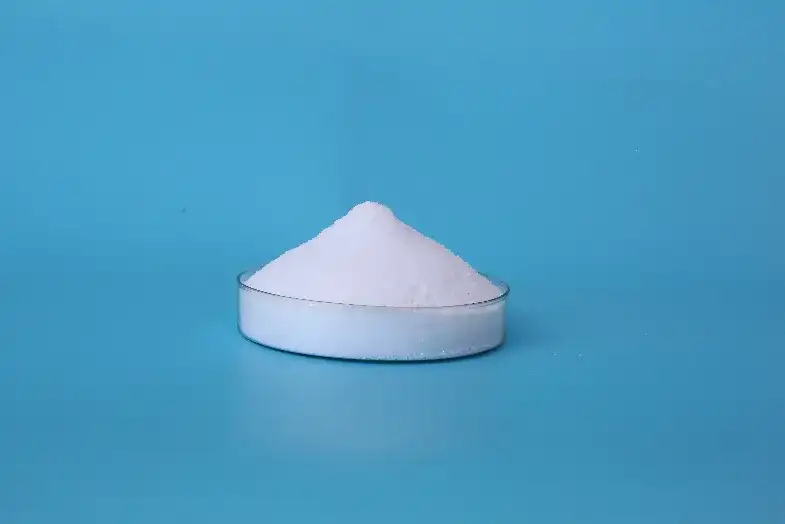
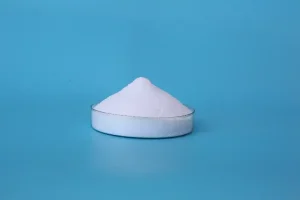
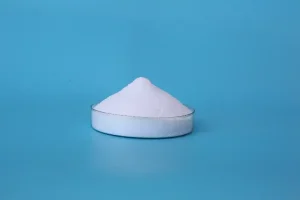
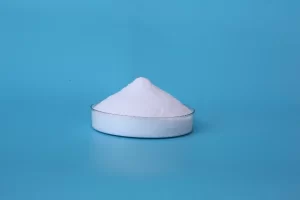
We look at acrylamide crystal as a monomer input first, not as a commodity chemical. Three parameters shape how it behaves in polymerization: purity, moisture, and inhibitor level. Our AM Crystal is produced to a purity of at least 98.0 percent, with moisture held at or below 0.8 percent. Those two numbers matter because residual moisture can shift effective monomer concentration and alter reaction kinetics. The inhibitor range is the specification we watch most closely during supplier evaluation. Too little inhibitor and the crystal can polymerize prematurely during storage or transport. Too much inhibitor and initiation is delayed, which produces inconsistent molecular weight in downstream polyacrylamide. We prefer a controlled inhibitor window around 3 to 10 parts per million because it protects storage stability without forcing high initiator compensation later.
Conductivity and iron content complete the picture. Our crystal specification includes conductivity at or below 20 microsiemens per centimeter and iron at or below 1 part per million. These are not cosmetic tests. Ionic residues and metal ions can interfere with catalyst systems or introduce unwanted chain transfer. Buyers who compare suppliers only on price often realize later that higher iron content showed up as lower polymer viscosity or more gel specks. A production oriented supplier should make the full certificate of analysis available before shipment, not after a rejected batch.
Supplier Capability Checks That Prevent Sourcing Failure
Supplier evaluation should begin with process control, not with the sales presentation. We have found that the most useful questions are practical: where is the acrylamide made, what production route is used, and how stable is the quality across seasons. Our acrylamide crystal comes from an advanced microbial process, which gives lower residual impurities and stronger polymerization performance than older chemical routes. The difference is visible in the polymer plant as a more stable induction period and a lower need for recipe adjustments.
Capacity is the second screen. A supplier may pass a sample order but fail a production ramp. We operate annual acrylamide capacity of 300,000 tons, so a polymer synthesis plant can move from trial quantities to multi container supply without changing source or chasing a broker. This point is important if your formulation is qualified at a fixed monomer source. Switching acrylamide crystal suppliers often forces revalidation of molecular weight, solubility, and residual monomer performance. Buyers who treat supplier qualification as a one time activity often repeat it unnecessarily because they chose a source that could not hold volume.
Crystal versus Aqueous Solution in Polymer Production
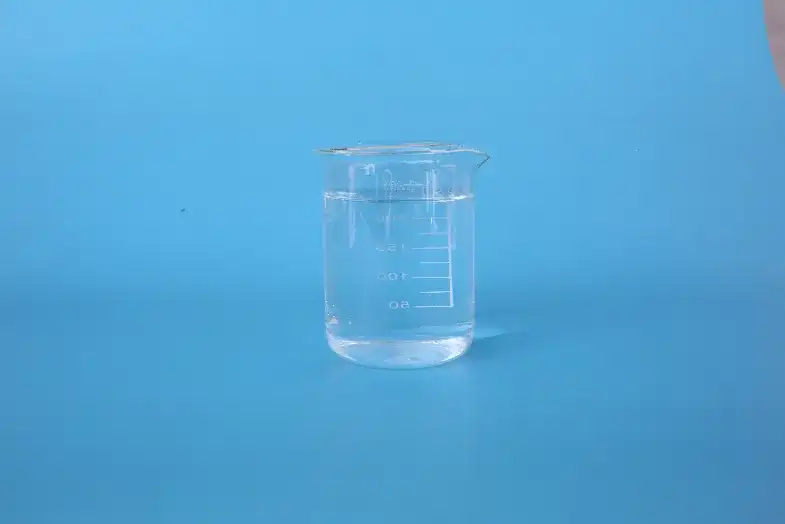
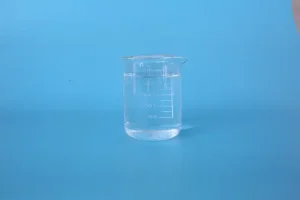
Acrylamide crystal and aqueous solution are the two practical forms, and the choice should follow the polymerization line, not a general preference. Acrylamide crystal gives better storage flexibility and a longer shelf life, typically one to two years under cool, dark storage. Aqueous solution removes the dissolving step but adds water introduction and has tighter temperature and light sensitivity. Which one fits depends on whether your plant runs batch reactors with weigh and dissolve stations or continuous polymerization with direct liquid monomer feed.
| Parameter | AM Crystal | AM Aqueous Solution |
|---|---|---|
| Acrylamide content | At least 98.0 percent | 28 to 50 percent, customizable |
| Storage condition | Cool, dark; one to two years | Away from heat and UV |
| Processing step | Dissolving required | Ready to feed |
| Inventory footprint | Lower weight and volume | Heavier, water included |
For large scale polymer synthesis, crystal often wins on logistics. A 25 percent acrylamide solution ships mostly water, so freight cost rises and storage volume grows. We recommend crystal for plants that are comfortable with controlled dissolving and want to reduce transport expense per active monomer. If continuous processing dominates, aqueous solution can remove a process step. The tradeoff is real, and it should be calculated per ton of active monomer rather than per ton of delivered product.
If your process uses continuous polymerization and you are comparing crystal against solution, confirm the inhibitor and conductivity profile of both forms before finalizing your bill of materials. Share your reactor configuration and current monomer consumption at en*****@***er.com and we can check the better fit for your setup.
Storage Conditions That Preserve Acrylamide Crystal for Polymer Synthesis
Storage failures change the monomer before the problem shows up in the reactor. Acrylamide crystal is stable when kept cool, dark, and dry, but poor storage can raise moisture or initiate partial polymerization. In our production planning work, we treat warehouse temperature and first in first out rotation as part of the quality system, not as a separate logistics detail. Bags should stay sealed until use, and any opened material should move into production quickly. If the crystal is stored near heat sources or in direct sunlight, inhibitor consumption can accelerate, and the polymerization induction period will drift.
Plants should also verify incoming material before it reaches the reactor. A quick moisture check and a visual check for caking or color change can catch damage from transport. We keep batch traceability for every shipment, so if a storage deviation occurs, the customer can compare the incoming certificate of analysis with their in plant observation and pin down where the change began. This is faster than troubleshooting the polymer reaction itself and cheaper than reworking an off spec polymer batch.
A Manufacturing Partner That Can Carry Polymer Synthesis Demand
Sourcing acrylamide crystal for polymer synthesis becomes easier when the supplier has production depth, not just a warehouse. At Shandong Nuoer Biological Technology Co., Ltd., we have spent more than fifteen years building polyacrylamide and acrylic chemical production, and we sell into more than 60 countries with a global sales and after-sales service system. The production capacity matters because qualified polymer plants do not want to revalidate a new monomer source every quarter. With annual acrylamide capacity of 300,000 tons, a qualified polymer plant can move from trial lot to full container supply without changing source.
Send your part number, monthly quantity, and target inhibitor range to en*****@***er.com or call +86-532-66712876. We will confirm stock, share the certificate of analysis for your region, and review the handling and storage points before your first order.
Common Questions About Acrylamide Crystal for Polymer Synthesis
What purity level is acceptable for acrylamide crystal in polymer synthesis?
A purity of at least 98 percent is workable for most industrial polymer synthesis, but the real requirement is not purity alone. Moisture below 0.8 percent and a controlled inhibitor range around 3 to 10 parts per million prevent premature polymerization without starving initiation. Conductivity below 20 microsiemens per centimeter and iron below 1 part per million reduce the risk of unwanted chain transfer. We ask customers to review the full certificate of analysis instead of stopping at the purity line, because two 98 percent products can behave very differently in a reactor.
Is aqueous acrylamide solution always easier to use than crystal?
No, and this is one of the most persistent sourcing misconceptions. A solution removes the dissolving step, but it also introduces water, adds freight weight, and demands protection from heat and UV. Crystal stores longer, typically one to two years, and ships more active monomer per ton. If your plant runs batch weigh and dissolve stations, crystal is often cleaner operationally. If you run continuous polymerization with direct liquid feed, solution can remove a process step. The better choice is decided by reactor configuration and active monomer cost, not by a general claim that liquid is simpler.
How long can acrylamide crystal be stored without losing performance?
It depends mainly on storage conditions, not on a fixed calendar date. In cool, dark, dry storage, the crystal commonly holds polymerization performance for one to two years. Heat, direct sunlight, or damaged packaging shortens that window because inhibitor consumption accelerates. Our advice is to follow first in first out rotation, keep bags sealed until use, and check moisture and appearance at receiving. If a lot has been stored near a heat source, do not rely on the original certificate alone; test a small sample before releasing it to the reactor.
How does the microbial production route affect polymerization performance?
In production programs we have supplied, the microbial route shows a more stable induction period and lower residual impurities than older chemical routes. The advantage appears in polymer plants as fewer recipe adjustments and more consistent molecular weight from lot to lot. It is not that the chemistry of acrylamide changes; it is that the impurity profile is tighter. Before selecting a supplier, ask for batch to batch data on conductivity, iron, and inhibitor level. Share your polymerization method and monomer consumption with us and we will confirm which crystal grade fits your process.
If you’re interested, check out these related articles:
Emulsion PAM for Cold Weather: Selection and Performance
Optimal SAP Grades for Ultra-Thin Baby Diapers: Performance Deep Dive
Nuoer Biotechnology was awarded the title of “Outstanding Taxpayer in Dongying City in 2025”
Amphoteric Polyacrylamide Manufacturers Testing: Quality & Performance


 English
 Russian
 Arabic
 Spanish