
Getting acrylamide to dissolve properly sounds straightforward until you’ve watched a batch go sideways because the monomer didn’t fully integrate. The crystals sit there, stubbornly clumped, while your reaction kinetics drift off-target. I’ve seen production teams lose hours troubleshooting polymer inconsistencies that traced back to dissolution problems nobody caught early enough. When the monomer preparation falls short, everything downstream suffers—molecular weight distribution scatters, flocculation performance drops, and batch-to-batch variation becomes the norm rather than the exception.
Why Crystal Structure Determines How Acrylamide Behaves in Solution
Acrylamide exists as a crystalline solid, and that crystal structure isn’t just a physical curiosity—it directly controls how the material interacts with solvents. The lattice energy holding those crystals together, combined with solvation enthalpy when water molecules start pulling acrylamide apart, sets the baseline for dissolution behavior. Water works as the primary solvent in industrial polymerization because acrylamide is hydrophilic and water offers excellent solvation properties without introducing unwanted chemistry.
The thermodynamic relationship between acrylamide molecules and surrounding water molecules governs everything. Solubility defines the ceiling—how much monomer can actually dissolve at a given temperature before the solution saturates. Acrylamide’s high water solubility makes it well-suited for producing water-soluble polymers like polyacrylamide. Temperature, pH, and impurity levels all shift this equilibrium. Even small deviations from optimal conditions can slow dissolution rates or leave undissolved material behind, creating problems that compound once polymerization begins.
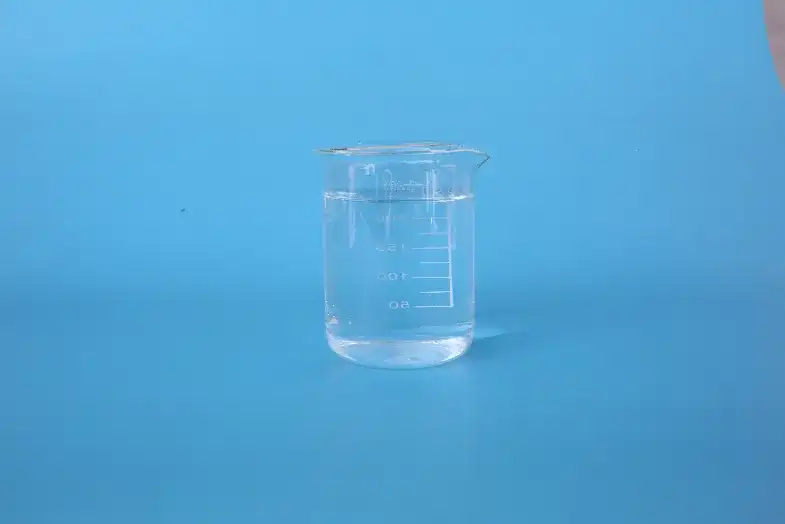
What Actually Controls How Fast Acrylamide Dissolves
Several factors work together to determine dissolution rate, and understanding their interplay matters more than optimizing any single variable in isolation.
Temperature accelerates dissolution by increasing molecular kinetic energy and helping solvent penetrate the crystal lattice. Proper temperature control during dissolution can cut preparation time significantly while preventing premature polymerization initiation. The practical range sits between 20-40°C for most industrial processes—warm enough to speed things up, cool enough to avoid thermal degradation or unwanted side reactions.
Agitation intensity affects mass transfer directly. Mechanical stirring brings fresh solvent into contact with crystal surfaces while sweeping dissolved monomer away from the interface. Without adequate mixing, a concentration gradient builds up around each crystal, slowing dissolution to a crawl.
Particle size makes a substantial difference. Smaller crystals present more surface area relative to their volume, which translates to faster dissolution. Oversized particles or clumped material take longer to break down and can leave undissolved residue if processing time runs short.
Monomer concentration, pH stability, impurity levels, and solvent purity all layer additional complexity. High concentrations approach saturation limits and slow the process. pH shifts can destabilize acrylamide or alter its solubility characteristics. Trace impurities sometimes act as inhibitors or initiators, throwing off the expected dissolution profile. Contaminated solvent interferes with solvation at a fundamental level.
What is the optimal temperature for dissolving acrylamide crystals?
The sweet spot for dissolving acrylamide crystals falls between 20-40°C in most industrial settings. This range provides enough thermal energy to drive rapid dissolution while keeping the monomer stable. Temperatures above this window risk thermal degradation and can trigger premature polymerization, which defeats the purpose of careful preparation. Staying within these bounds requires active monitoring, but the payoff is a stable, reactive monomer solution ready for consistent polymerization.
How Dissolution Quality Shapes Polymerization Outcomes
The condition of dissolved acrylamide ripples through every stage of polymerization. Incomplete dissolution creates localized concentration gradients—some regions of the reaction vessel have more monomer available than others. The result is non-uniform molecular weight distribution, which compromises polymer performance across applications. For Polyacrylamide Supplier OEM production, where consistent flocculation efficiency depends on uniform molecular weight, this kind of variability creates real problems.
Controlled radical polymerization requires monomer molecules to be equally accessible to propagating radicals. Aggregates or undissolved material block this access, reducing initiator efficiency and slowing reaction rates. Conversion yields drop. The reaction mechanism assumes a homogeneous solution, and deviations from that assumption show up as unpredictable molecular weight and compromised structural characteristics in the final polymer.
Techniques That Improve Dissolution Efficiency
Standard mixing equipment handles routine dissolution, but advanced techniques can push efficiency further when production demands it.
High-shear mixers and in-line dispersers can reduce dissolution times by up to 30% compared to conventional stirring while maintaining solution homogeneity. Ultrasonic agitation generates cavitation bubbles that physically disrupt crystal agglomerates and accelerate mass transfer at the solid-liquid interface. Microfluidic mixing offers precise control for smaller-scale or specialized applications where consistency matters more than throughput.
Solvent quality deserves attention beyond just using water. The purity of that water affects dissolution behavior, and starting with high-purity acrylamide—meeting standards like those for Acrylamide Monomer Crystal—minimizes inhibitors and contaminants that impede the process. Real-time monitoring of solution clarity and temperature catches problems before they propagate into the polymerization stage.
How does the purity of acrylamide affect its dissolution and subsequent polymerization?
High-purity acrylamide dissolves predictably and creates a clean reaction environment. Impurities can act as chain transfer agents, retarders, or unintended initiators, disrupting polymerization in ways that are difficult to diagnose after the fact. The downstream effects include inconsistent polymer quality, reduced molecular weight, and lower yields. Starting with pure material from suppliers like Shandong Nuoer eliminates these variables and supports efficient dissolution alongside optimal polymer performance.
Solving Dissolution Problems in Production Environments
Industrial polymerization encounters specific dissolution challenges that require systematic troubleshooting rather than guesswork.
Slow dissolution rates usually trace back to insufficient agitation or temperatures running too low. Adjusting mixing intensity or heating profiles typically resolves the issue. Incomplete dissolution often results from oversized particles or inadequate solvent volume—particle size reduction or increased solvent ratios address these root causes.
Fine particles and undissolved agglomerates create filtration problems and can introduce defects into the final polymer product. Improved filtration techniques help, but optimizing initial crystal quality prevents the problem from arising. Real-time monitoring of solution clarity and temperature catches deviations early, before they cascade into batch failures.
Batch consistency depends on holding dissolution parameters steady. Variations in temperature, agitation, or monomer quality translate directly into variations in polymer characteristics. Robust quality assurance protocols—including regular checks of monomer solution homogeneity—mitigate these issues and support reliable production.
What are the common challenges in dissolving acrylamide for industrial polymerization processes?
Slow dissolution extends batch times and ties up equipment. Incomplete dissolution wastes monomer and produces inconsistent polymer properties. Fine particles cause processing headaches and affect product clarity and performance. Each of these problems traces back to dissolution conditions, and each affects final polymer performance and process efficiency. Addressing them requires attention to temperature, agitation, particle size, and monomer purity as an integrated system rather than isolated variables.
Common Questions About Acrylamide Dissolution and Polymerization
What is the primary role of acrylamide dissolution in polymerization?
Dissolution ensures the monomer disperses uniformly and becomes available in reactive form for polymerization. When dissolution falls short, reaction kinetics shift unpredictably, producing variations in molecular weight, structure, and overall quality. A homogeneous reaction environment—achieved through proper dissolution—supports predictable outcomes and high-performance polyacrylamide products.
How do impurities in acrylamide crystals affect the dissolution process and final polymer?
Impurities alter solubility, introduce side reactions, or inhibit polymerization. These contaminants slow dissolution, reduce monomer availability, and degrade final polymer purity and performance. High-purity acrylamide minimizes these effects, supporting efficient dissolution and superior polymer characteristics.
Are there specific safety considerations when dissolving acrylamide for industrial use?
Acrylamide is a neurotoxin and potential carcinogen, requiring strict safety protocols. Appropriate personal protective equipment—gloves, eye protection, respirators—is mandatory. Adequate ventilation and controlled work environments reduce exposure risk. Proper handling and storage procedures, along with emergency response plans for spills, protect personnel during dissolution and polymerization operations.
Partner with Shandong Nuoer for Polymer Innovation
Acrylamide dissolution isn’t just preparation—it’s the foundation for everything that follows in polymer engineering. The precision achieved during monomer preparation directly influences quality, performance, and reliability in the final product. This understanding matters for optimizing polymerization efficiency and achieving superior outcomes across industrial applications.
Shandong Nuoer Biological Technology Co. leads globally in high-purity acrylamide and polyacrylamide production. Our R&D commitment, stringent quality control, and extensive global network ensure products that meet demanding specifications for polymerization applications. Contact our experts to discuss your specific requirements and explore how our solutions can support your production processes.
Email: en*****@***er.com
Phone: +86-532-66712876


 English
 Russian
 Arabic
 Spanish