
Amphoteric polyacrylamide sits at the intersection of chemistry and practical problem-solving. These polymers carry both positive and negative charges along their molecular chains, which gives them a flexibility that single-charge polymers simply cannot match. Working with complex industrial streams—where contaminant profiles shift and water chemistry varies—has made clear why this dual-charge architecture matters. The powder and emulsion forms each bring distinct handling characteristics and performance profiles to the table, and the choice between them shapes everything from preparation workflows to long-term operating costs.
What Makes Amphoteric Polyacrylamide Different from Other Flocculants
Amphoteric polyacrylamide is a ternary copolymer built from cationic monomers, acrylamide, and a hydrolyzing agent. The synthesis produces an irregular polymer chain where positive and negative charges coexist. This charge distribution allows the molecule to interact with a broader range of suspended particles than purely cationic or anionic alternatives can manage.
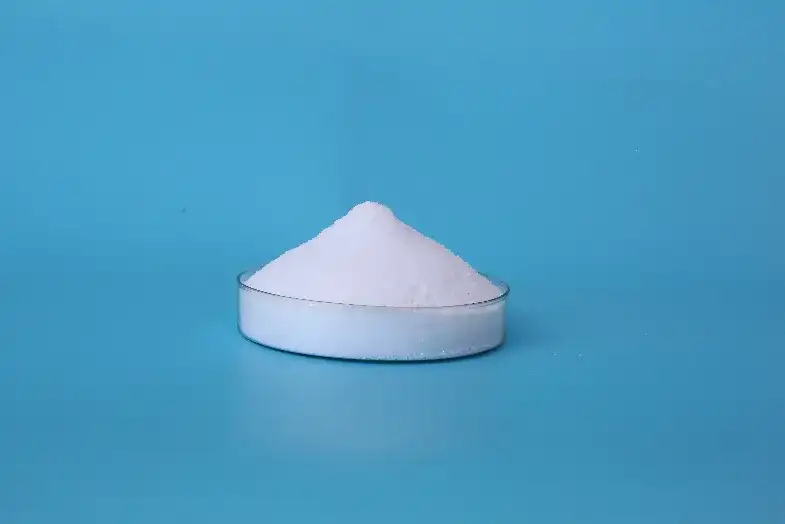
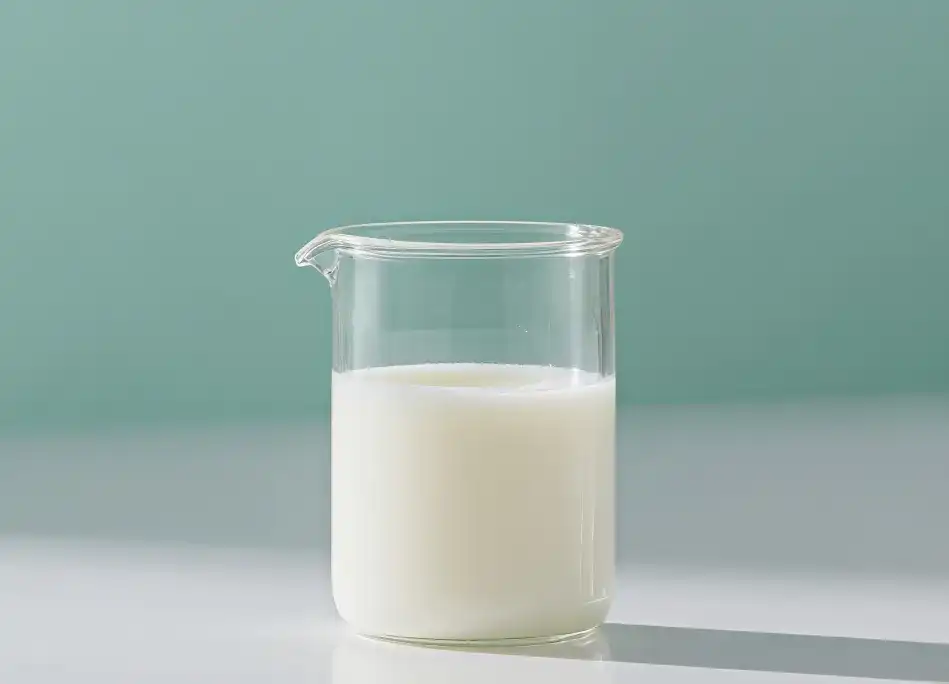
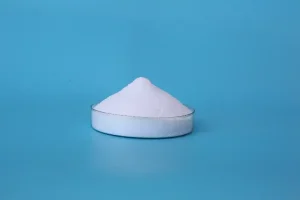
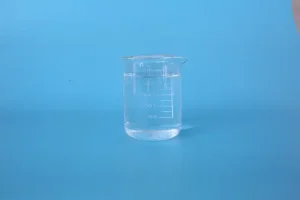
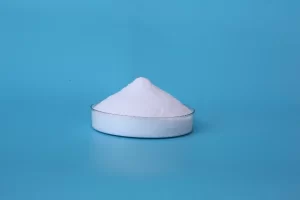
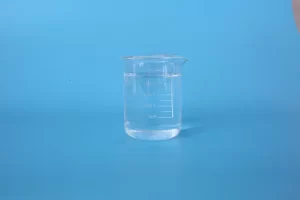
The two commercial forms serve different operational realities. Powder amphoteric polyacrylamide arrives as solid granules, concentrated and stable for storage. Emulsion amphoteric polyacrylamide is a liquid concentrate, manufactured using water-in-oil emulsion technology that keeps the polymer dispersed and ready for rapid activation. Both forms target the same end goal—enhanced flocculation, clarification, and solid-liquid separation—but they get there through different preparation pathways.
Production scale matters for supply reliability. Annual capacity reaching 500,000 tons of polyacrylamide and 200,000 tons of polyacrylamide emulsion provides the volume needed for consistent delivery across industrial demand cycles.
Physical Properties and Preparation Requirements
The practical differences between powder and emulsion amphoteric polyacrylamide show up immediately during preparation. Powder forms require dissolution in water, and this step demands attention. Without proper agitation, the granules can form “fish-eyes”—undissolved clumps that waste product and create inconsistent dosing. The dissolution process takes time, and the mixing equipment needs to generate enough shear to break up the granules without degrading the polymer chains.
Emulsion forms take a different approach. The liquid concentrate undergoes inversion and dilution rather than true dissolution. This process completes faster—typically 5 to 15 minutes—and lends itself to automated dosing systems. The trade-off is that inversion requires specific equipment designed for the purpose. Standard mixing tanks may not achieve the dispersion quality that maximizes polymer effectiveness.
| Feature | Powder Amphoteric Polyacrylamide | Emulsion Amphoteric Polyacrylamide |
|---|---|---|
| Physical State | Solid granules | Liquid concentrate |
| Dissolution Rate | Slower, requires agitation | Fast, 5–15 minutes |
| Preparation | Dissolution in water | Inversion and dilution |
| Equipment | Standard mixing equipment | Specialized inversion units |
| Storage Stability | Excellent, long shelf life | Good, but temperature-sensitive |
| Handling | Dust potential | Easier, less dust |
Flocculation Performance Across Industrial Applications
Both powder and emulsion forms of amphoteric polyacrylamide deliver high flocculation efficiency when properly prepared. The amphoteric charge structure proves particularly valuable in complex water conditions where pH fluctuates or where the suspended solids carry mixed surface charges. Sludge dewatering performance benefits from this charge flexibility—the polymer can bridge particles that would resist single-charge flocculants.
Dosage optimization becomes critical regardless of form. Over-dosing wastes chemical and can actually restabilize particles, while under-dosing leaves treatment incomplete. The relationship between polymer concentration, contact time, and mixing intensity determines whether the flocculation process achieves its potential.
Industrial sectors from wastewater treatment to mining to paper manufacturing rely on these polymers for solid-liquid separation. Each application brings its own water chemistry challenges, and the amphoteric structure provides a starting point that single-charge polymers cannot offer.
How Application Requirements Influence Form Selection
Powder amphoteric polyacrylamide fits operations where storage space is limited and where existing infrastructure can handle the dissolution process. The solid form stores well over extended periods without significant degradation, which matters for facilities that purchase in bulk or maintain strategic inventory.
Emulsion amphoteric polyacrylamide suits continuous processes where preparation speed affects throughput. Textile wastewater treatment, oil and gas drilling fluid management, and sugar refining operations often need rapid response to changing conditions. The faster dissolution rate and compatibility with automated dosing systems reduce the lag between recognizing a treatment need and delivering the polymer to the process stream.
Cost Analysis Beyond Purchase Price
The economics of amphoteric polyacrylamide selection extend well beyond the price per kilogram of active polymer. Transportation costs differ significantly between forms. Emulsion products contain water as part of their formulation, which increases shipping weight and volume relative to active content. Powder forms concentrate the polymer, reducing freight costs per unit of treatment capacity.
Operational expenses shift the calculation in the other direction. Powder dissolution requires energy for mixing, labor for monitoring, and time that may constrain throughput. Emulsion products reduce these operational demands through faster preparation and automated dosing compatibility. The equipment investment differs as well—standard mixing tanks work for powder, while emulsion handling may require specialized inversion units.
| Cost Factor | Powder Form | Emulsion Form |
|---|---|---|
| Purchase Price | Generally lower per active kg | Generally higher per active kg |
| Transportation | Lower due to concentration | Higher due to water content |
| Storage | Requires dry, cool space | Requires temperature control |
| Preparation Labor | Higher, manual intervention | Lower, automated dosing |
| Equipment Investment | Basic mixing tanks | Specialized inversion units |
| Dissolution Time | Longer | Shorter |
Evaluating Long-Term Cost Efficiency at Scale
Large-scale industrial operations face a more nuanced cost picture. Emulsion forms often deliver better overall cost efficiency despite higher product prices because they reduce labor requirements, accelerate processing, and maintain consistent performance through automated systems. Downtime decreases when preparation happens in minutes rather than hours.
Powder forms retain advantages where bulk purchasing discounts are substantial, transportation distances are short, and preparation infrastructure already exists. Operations with low labor costs and flexible scheduling may find powder more economical. The calculation depends on the specific facility’s cost structure and operational priorities.
Environmental Considerations and Regulatory Requirements
Environmental responsibility shapes polyacrylamide product development. Both powder and emulsion forms are formulated with low residual monomer content, addressing concerns about acrylamide release into treated water streams. Regulatory frameworks governing polymer use in water treatment set limits on residual monomer levels, and meeting these standards requires careful control during synthesis.
Waste management considerations include both the polymer itself and the sludge it helps generate. Effective flocculation concentrates contaminants into a smaller volume, which can simplify disposal but also creates a more concentrated waste stream requiring appropriate handling.
Sustainable chemical solutions extend beyond product formulation to manufacturing practices and community engagement. 《Nuoer Showcased at 26th China IE Expo》 reflects broader commitments to environmental stewardship that complement product-level environmental performance.
Matching Amphoteric Polyacrylamide Form to Process Requirements
Selecting the right amphoteric polyacrylamide form requires systematic evaluation of operational constraints and performance requirements. The decision affects daily operations, capital investment, and long-term operating costs.
Structured Approach to Form Selection
- Dissolution Speed Requirement:
- Rapid dissolution needed (minutes)? Emulsion forms align with this need.
- Slower dissolution acceptable (hours)? Powder forms remain viable.
- Equipment Availability:
- Specialized inversion units available? Emulsion becomes practical.
- Only standard mixing tanks? Powder fits existing infrastructure.
- Labor Cost Structure:
- High labor costs with automation goals? Emulsion reduces manual intervention.
- Lower labor costs with manual handling acceptable? Powder can be cost-effective.
- Storage and Transportation Constraints:
- Limited storage, need concentrated product? Powder maximizes storage efficiency.
- Liquid handling infrastructure in place, dust concerns? Emulsion simplifies handling.
- Application Specifics:
- Complex water conditions requiring charge flexibility? Amphoteric ionic polyacrylamide addresses this need in both forms.
Frequently Asked Questions About Amphoteric Polyacrylamide
What preparation steps differ between powder and emulsion polyacrylamide?
Powder amphoteric polyacrylamide dissolves in water through a process that requires sustained agitation to prevent clumping. The granules need time to hydrate and uncoil, and inadequate mixing creates undissolved material that reduces treatment effectiveness. Emulsion polyacrylamide undergoes inversion and dilution instead—the water-in-oil structure flips to release the polymer into the aqueous phase. This happens faster, typically within 5 to 15 minutes, and works well with automated dosing systems. The equipment requirements differ accordingly: standard mixing tanks handle powder, while emulsion may need specialized inversion units for optimal results.
When does emulsion amphoteric polyacrylamide make more sense than powder?
Emulsion amphoteric polyacrylamide fits operations where preparation speed directly affects productivity. Continuous processes that cannot wait for extended dissolution times benefit from the rapid activation that emulsion forms provide. Facilities with automated dosing infrastructure find emulsion easier to integrate. Applications like textile wastewater treatment, drilling fluid management, and food processing often favor emulsion because conditions change quickly and treatment response needs to keep pace.
What performance factors matter most when selecting amphoteric polyacrylamide for wastewater treatment?
Flocculation efficiency shows up in treated water clarity and the rate at which solids settle or filter. Sludge dewatering performance determines how much water remains in the separated solids, affecting disposal costs and handling requirements. Polymer dosage requirements influence operating costs directly. The water chemistry—pH, temperature, ionic strength, and contaminant composition—shapes which polymer performs best. Amphoteric ionic polyacrylamide handles variable water conditions better than single-charge alternatives because the dual-charge structure interacts with a broader range of particle surfaces.
Working with Shandong Nuoer on Polymer Solutions
Shandong Nuoer Biological Technology Co., Ltd. produces both powder and emulsion amphoteric polyacrylamide at scale, with annual capacity reaching 500,000 tons of polyacrylamide. This production base supports customized formulations matched to specific industrial requirements. Technical consultation helps identify the optimal polymer form and dosage strategy for particular applications. Contact us to discuss how amphoteric polyacrylamide can address your solid-liquid separation challenges. Email: en*****@***er.com Phone: +86-532-66712876


 English
 Russian
 Arabic
 Spanish