
Drilling fluids have always felt like the unsung backbone of oilfield work. When they perform well, everything moves smoothly. When they don’t, costs spiral and schedules slip. Emulsion polyacrylamide has quietly become one of those materials that experienced operators reach for when they need reliable performance across unpredictable formations. The polymer dissolves fast, handles shale reactivity without drama, and keeps fluid loss in check. For teams running water-based systems in challenging geology, it’s become a practical default rather than an exotic specialty.
Why Emulsion Polyacrylamide Has Gained Ground in Water-Based Systems
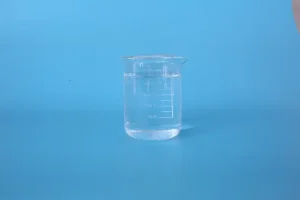
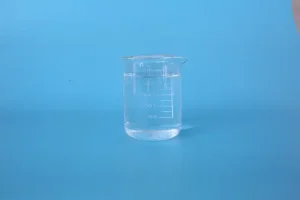
The push toward high-performance, environmentally conscious drilling fluids has reshaped how operators think about polymer chemistry. Emulsion polyacrylamide fits this shift well. These products are liquid flocculants manufactured through water-in-oil emulsion technology, which yields high molecular weight and strong conversion rates in a form that’s ready to use.
What makes the emulsion format practical is speed. Dissolution happens in 5 to 15 minutes, compared to the 30 to 60 minutes that dry polyacrylamide often requires. On a drilling site where downtime costs real money, that difference matters. The liquid form also eliminates the dust handling issues that come with powders, which simplifies logistics and reduces exposure concerns for crews.
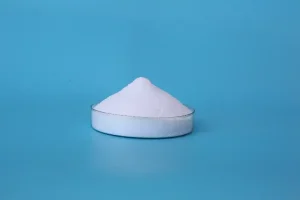
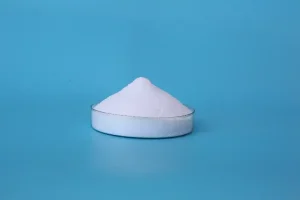
Shandong Nuoer Biological Technology Co., Ltd. produces anionic, cationic, and non-ionic variants of emulsion-type polyacrylamide. Each formulation targets specific fluid behaviors, whether the priority is viscosity control, cuttings encapsulation, or shale inhibition.
| Feature | Emulsion Polyacrylamide | Dry Polyacrylamide |
|---|---|---|
| Form | Liquid (water-in-oil emulsion) | Solid granules or powder |
| Dissolution Rate | Fast (5–15 minutes) | Slower (30–60 minutes, requires agitation) |
| Concentration | High | Varies |
| Handling | Easy, less dust | Requires careful handling, dust generation |
| Stability | Excellent, long-term | Good, but can be susceptible to degradation |
| Preparation | Simple, direct addition | Requires mixing equipment and longer hydration times |
| Storage | Stable, but temperature-sensitive | Good, less sensitive to temperature |
| Molecular Weight | High with uniform distribution | High, but can be less uniform |
| Flocculation | High efficiency | High efficiency |
| Environmental Impact | Often formulated for eco-friendliness | Generally considered safe |
Keeping the Wellbore Intact When Formations Fight Back
Wellbore instability and fluid loss account for a significant share of non-productive time in drilling operations. The mechanisms behind these problems are straightforward but persistent. Permeable zones absorb drilling fluid. Reactive shales swell when exposed to water. Both scenarios compromise borehole integrity and can lead to stuck pipe, lost circulation, or outright collapse.
Emulsion polyacrylamide addresses these issues through two primary actions. First, it forms a thin protective film on the wellbore wall that limits fluid invasion into the surrounding rock. This reduces formation damage and keeps the hole stable. Second, it inhibits shale hydration by coating clay particles before they can absorb water and swell.
The polymer also encapsulates drill cuttings effectively. When cuttings remain intact rather than dispersing into fine particles, they’re easier to remove from the wellbore. This improves hole cleaning and reduces the risk of pack-offs or differential sticking. In reactive shale formations, where swelling can escalate quickly, this combination of filtration control and shale inhibition becomes especially valuable.
What are the key advantages of emulsion polyacrylamide over traditional drilling fluid additives?
Emulsion polyacrylamide disperses more readily and hydrates faster than many conventional additives. This translates to quicker mixing and more consistent rheological properties throughout the fluid system. The rapid dissolution rate of Polyacrylamide Emulsion cuts preparation time significantly, which directly supports operational efficiency. Field experience suggests these characteristics lead to more predictable drilling performance and fewer surprises when conditions change.
Rheology Control That Adapts to Complex Well Profiles
Cuttings transport depends heavily on fluid rheology. If viscosity drops too low, solids settle in the annulus. If gel strength is inadequate, cuttings fall back toward the bit during connections. In deviated or horizontal wells, these problems intensify because gravity works against the fluid’s ability to carry solids upward.
Emulsion polyacrylamide functions as a rheology modifier that enhances both viscosity and gel strength. The polymer chains interact with water molecules to create a structure that suspends cuttings during circulation and holds them in place when pumps stop. This keeps the wellbore clean and prevents the accumulation of solids that can cause mechanical problems.
The same polymer also reduces friction between the drill string and the wellbore wall. Lower torque and drag mean less stress on equipment and potentially longer bit life. The friction reduction effect becomes more pronounced in extended-reach wells where the drill string contacts the formation over long intervals.
Cuttings encapsulation plays a supporting role here as well. When solids remain discrete rather than breaking down into fines, the fluid maintains a smoother flow path. This helps sustain consistent pump pressures and avoids the erratic behavior that can signal developing problems downhole.
Meeting Environmental Standards Without Sacrificing Performance
Environmental regulations governing drilling operations have tightened considerably over the past two decades. Operators working in sensitive areas face strict limits on discharge, chemical selection, and waste disposal. The practical challenge is finding fluid additives that satisfy regulatory requirements while still delivering the performance needed to drill efficiently.
Emulsion polyacrylamide supports this balance in several ways. Modern manufacturing processes minimize residual monomer content, which addresses toxicity concerns and simplifies disposal. The polymer’s effectiveness in controlling fluid loss also reduces the total volume of drilling fluid consumed, which means less waste to manage at the end of the job.
Strong shale inhibition reduces the need for more aggressive chemical treatments that might raise environmental flags. When the base fluid system handles formation reactivity adequately, operators can avoid adding compounds that complicate regulatory compliance. Shandong Nuoer formulates its products with these considerations in mind, supporting operators who need to meet OSPAR, EPA, or regional environmental standards.
What regulatory considerations are important when selecting polyacrylamide for oilfield applications?
International and regional environmental guidelines set boundaries on chemical use in drilling operations. OSPAR governs offshore activities in the Northeast Atlantic, while EPA standards apply to operations in the United States. Compliance requires selecting products with documented low toxicity and, where applicable, biodegradability characteristics. Meeting these standards protects environmental permits and avoids costly operational interruptions. Products developed with regulatory alignment in mind reduce the burden of demonstrating compliance during permitting processes.
Economic Returns That Justify the Investment
The cost of drilling fluid additives represents a small fraction of total well costs, but their impact on overall economics can be substantial. Emulsion polyacrylamide generates value primarily through avoided problems rather than direct savings on material costs.
Reduced wellbore instability means fewer remedial operations. When the hole stays in gauge and formations remain stable, operators avoid the expense of running additional casing strings or conducting cement squeezes to repair damaged sections. Effective fluid loss control prevents the costly loss of drilling fluid into thief zones, which can consume thousands of barrels on a single well.
Faster drilling rates contribute as well. When the fluid system maintains proper rheology and the hole stays clean, rate of penetration tends to remain consistent. Equipment wear decreases when friction is controlled, extending the intervals between bit trips and reducing maintenance costs.
These factors compound over the course of a drilling program. What appears as a modest improvement on a single well becomes significant savings across a multi-well campaign.
How does emulsion polyacrylamide contribute to cost savings in oil and gas drilling?
The savings emerge from multiple sources. Fluid consumption decreases when loss control is effective. Drilling rates improve when rheology is optimized and hole cleaning is reliable. Wellbore remediation costs drop when formations remain stable. Environmental compliance becomes less expensive when the fluid system meets regulatory requirements without additional treatment. Collectively, these factors improve drilling economics and support better returns on well investments.
Where Polymer Technology Is Heading Next
Research into bio-based polyacrylamides and responsive polymer systems continues to advance. The industry’s interest in reducing environmental impact drives much of this work, but performance improvements remain equally important. Future formulations may incorporate polymers that respond to downhole conditions, adjusting their behavior as temperature or pressure changes.
Self-healing properties represent another area of active development. Polymers capable of repairing damage to the filter cake or wellbore film could extend the protective benefits of the fluid system even when mechanical disturbances occur. Smart drilling fluids that provide real-time feedback on downhole conditions would allow operators to optimize parameters continuously rather than relying on periodic measurements.
Shandong Nuoer maintains an active research program focused on these emerging technologies. The goal is to deliver products that meet current operational needs while positioning for the demands of future drilling environments.
Partner with Us for Advanced Polyacrylamide Solutions
Shandong Nuoer Biological Technology Co., Ltd. brings focused expertise in polyacrylamide chemistry to oilfield applications worldwide. Our technical team works with operators to develop formulations matched to specific well conditions and operational requirements. Contact us to discuss how emulsion polyacrylamide can support your drilling program. Email en*****@***er.com or call +86-532-66712876.
What are the primary applications of emulsion polyacrylamide beyond fluid loss control?
The polymer serves multiple functions across oilfield operations. As a rheology modifier, it adjusts viscosity and gel strength to optimize cuttings transport. As a friction reducer, it lowers torque and drag in extended-reach wells. In enhanced oil recovery, polyacrylamide improves sweep efficiency during waterflooding. Wastewater treatment operations use it as a flocculant to separate solids from produced water. This versatility makes it a practical choice for operators looking to standardize on fewer chemical products.
How does Shandong Nuoer ensure the quality and consistency of its emulsion polyacrylamide products?
Quality control begins in research and development and continues through manufacturing. With an annual production capacity of 200,000 tons of Polyacrylamide Emulsion, Shandong Nuoer applies advanced analytical methods to verify molecular weight distribution, active content, and performance characteristics. Each batch undergoes testing against international standards before release. This systematic approach ensures that products perform consistently across different wells and operating conditions.
Is emulsion polyacrylamide suitable for both water-based and synthetic-based drilling fluid systems?
Emulsion polyacrylamide performs best in water-based drilling fluid systems, where its solubility and interaction with water molecules deliver full benefit. Certain specialized formulations can provide targeted benefits in synthetic-based muds, particularly for filtration control and rheology adjustment. The compatibility depends on the specific synthetic base and the desired performance outcome. Technical consultation helps identify the right approach for systems that don’t fit the standard water-based profile.


 English
 Russian
 Arabic
 Spanish