
Shandong Nuoer Biological Technology Co., Ltd. produces high-purity acrylamide crystals at a scale that few manufacturers can match. With 300,000 tons of annual capacity and distribution reaching over 60 countries, the company has built its reputation on consistent quality and reliable delivery. What sets the operation apart is the combination of advanced microbial synthesis technology with rigorous batch-by-batch testing, a pairing that matters when downstream polymerization performance depends on monomer purity.
How Microbial Technology Shapes Acrylamide Crystal Quality
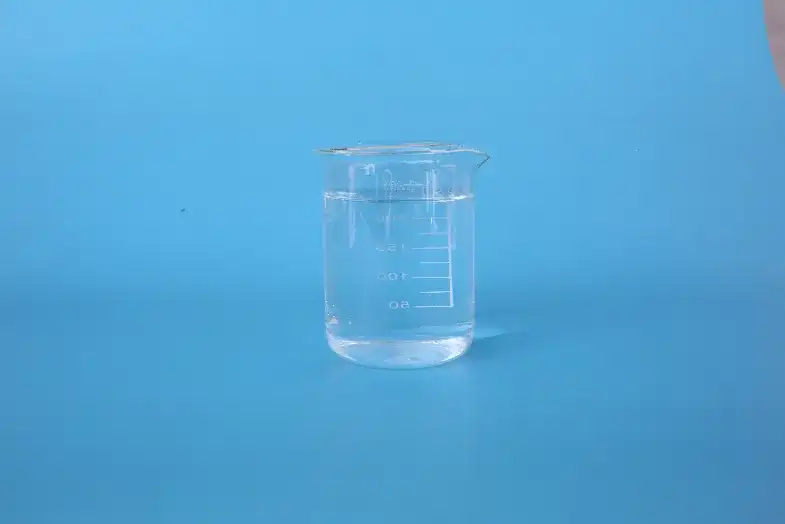
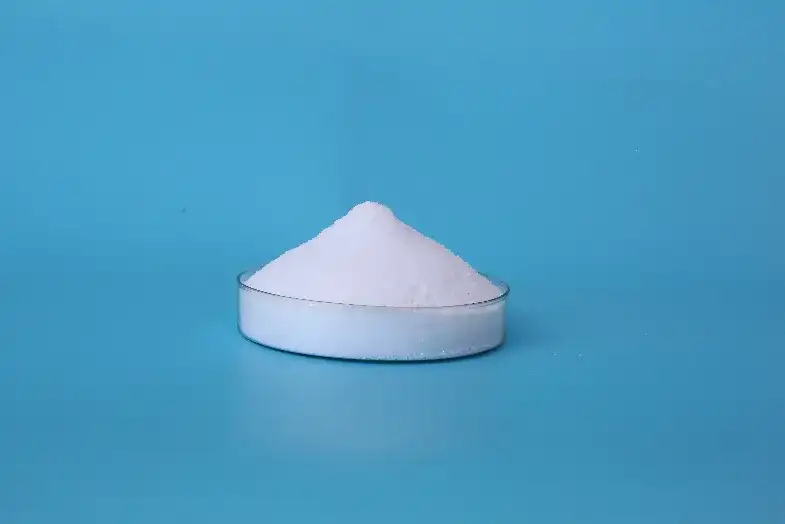
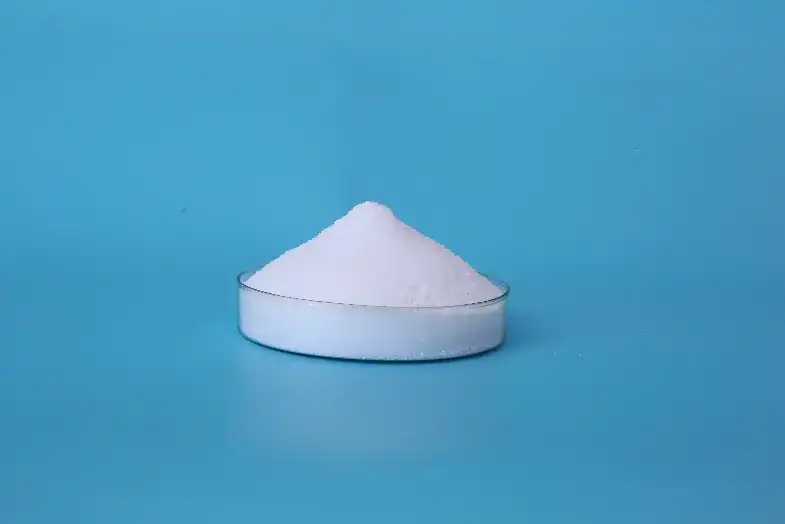
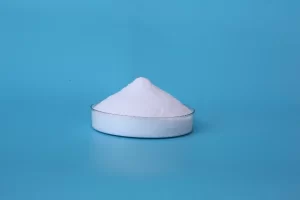
The production of high-purity acrylamide crystals at Shandong Nuoer relies on advanced microbial technology rather than conventional chemical synthesis routes. This biological approach yields a white crystalline solid in flake form with ultra-low impurity levels, which directly translates to more predictable polymerization behavior when the monomer is converted into polyacrylamide or copolymers.
Crystal morphology control during manufacturing determines how uniformly the product dissolves and reacts. The flake form produced here offers consistent surface area characteristics, which matters when formulators need repeatable results across production batches. Annual output of 300,000 tons of Acrylamide Monomer Crystal demonstrates that this biological synthesis method scales effectively without sacrificing the precision that industrial applications demand.
Every batch undergoes testing against tight chemical specifications. Purity must reach ≥ 98.0%, with moisture held to ≤ 0.8% and pH (measured at 10 g/L concentration) falling between 6.5 and 7.5. Inhibitor levels stay within the 3–10 ×10⁻⁶ range to provide controlled polymerization rates without premature reaction. Color values remain ≤ 10, conductivity stays ≤ 20 μS/cm, and iron content is limited to ≤ 1 ×10⁻⁶. These parameters collectively define polymerization-grade material suitable for demanding industrial applications. The product dissolves readily in water, acetone, and ethanol, with slight solubility in benzene, giving formulators flexibility across different solvent systems.
Global Distribution Network for Acrylamide Crystals
Shandong Nuoer Biological Technology Co., Ltd. ships acrylamide crystals to more than 60 countries and regions through a logistics infrastructure designed specifically for bulk chemical supply. The network balances speed with product protection, recognizing that acrylamide crystals require careful handling to maintain their specifications during transit.
Route optimization and proper storage conditions preserve product integrity from the production facility to the customer’s receiving dock. The 300,000-ton annual capacity for acrylamide provides the inventory depth needed to fulfill large orders without extended lead times. Multi-stage quality control extends beyond manufacturing into the supply chain itself, with checks at key handoff points to verify that material leaving the warehouse matches what arrives at the destination.
Inventory management systems track stock levels in real time, allowing the company to anticipate demand patterns and position material strategically. This approach reduces the risk of supply disruptions that can cascade through a customer’s production schedule. The global market presence that results from this infrastructure reflects years of investment in logistics capabilities alongside manufacturing capacity.
Certifications That Validate Acrylamide Manufacturing Practices
Quality assurance at Shandong Nuoer extends beyond internal testing to include third-party certifications that provide independent verification of manufacturing practices. These certifications address quality management, environmental responsibility, and worker safety, covering the full scope of operational concerns that matter to procurement teams evaluating potential suppliers.
ISO 9001 certification confirms that quality management systems meet international standards for consistency and continuous improvement. ISO 14001 addresses environmental management, documenting the company’s approach to minimizing ecological impact from chemical manufacturing operations. ISO 45001 certification validates occupational health and safety practices, demonstrating that worker protection receives the same attention as product quality.
Comprehensive Safety Data Sheets accompany all products, providing the detailed handling, storage, and emergency response information that downstream users need for their own compliance programs. Regulatory adherence extends to REACH compliance for European Union markets and K-REACH compliance for Korean markets, ensuring that the acrylamide crystals meet registration requirements in these jurisdictions.
What Quality Parameters Define Industrial-Grade Acrylamide Crystals
Industrial-grade acrylamide crystals must meet specifications across several interconnected parameters. Purity at ≥ 98.0% ensures that the monomer will polymerize efficiently without side reactions from contaminants. Moisture content at ≤ 0.8% affects both storage stability and shelf life, since excess water can trigger premature hydrolysis or polymerization.
Insoluble matter indicates whether foreign particles have contaminated the product during manufacturing or handling. Inhibitor levels in the 3–10 ×10⁻⁶ range provide a window for controlled polymerization, preventing spontaneous reaction during storage while allowing intentional polymerization under process conditions. Advanced analytical techniques measure these parameters with the precision needed to verify that each batch meets industrial-grade specifications.
Certifications and Standards Reference
| Certification/Standard | Scope | Assurance Provided |
|---|---|---|
| ISO 9001 | Quality Management | Consistent product quality |
| ISO 14001 | Environmental Management | Sustainable practices |
| ISO 45001 | Occupational Health & Safety | Safe working conditions |
| REACH Compliance | Chemical Registration | Regulatory adherence in EU |
| K-REACH Compliance | Chemical Registration | Regulatory adherence in Korea |
Research and Development Behind Acrylamide Product Lines
Continuous improvement drives the R&D program at Shandong Nuoer, with efforts focused on enhancing product performance, developing more sustainable manufacturing processes, and exploring new acrylamide derivatives. This work enables custom formulations tailored to specific industry requirements and positions the company to respond as market demands evolve.
Technical expertise extends across multiple product lines built on acrylamide chemistry. The Polyacrylamide Emulsion products use water-in-oil (W/O) emulsion technology that achieves high conversion rates with excellent stability. Cationic Polyacrylamide Flocculant benefits from vertically integrated production, with cationic monomers manufactured in-house to ensure supply stability and cost control.
The superabsorbent polymer portfolio includes specialized grades such as Ultra High Absorbency SAP and High Permeability Super Absorbent Polymer, each engineered for distinct application requirements. As a Super Absorbent Polymer Supplier Wholesale, the company serves customers who need both volume and variety. This breadth of polymer science capability reflects sustained investment in research that anticipates where the market is heading.
Where High-Purity Acrylamide Crystals Find Industrial Use
Acrylamide crystals serve as the foundational monomer for polyacrylamide and various copolymers that perform critical functions across multiple industries. The purity of the starting monomer directly affects the performance of these downstream products, which explains why industrial users specify tight quality parameters.
Water treatment operations rely on polyacrylamide as a flocculant that aggregates suspended particles for easier removal. The polymer clarifies wastewater and improves effluent quality in municipal and industrial treatment plants. Oil and gas applications include enhanced oil recovery (EOR), where polyacrylamide solutions increase the viscosity of injection water to push more oil toward production wells, and drilling fluid additives that control rheology and fluid loss.
Papermaking uses polyacrylamide as a retention aid that keeps fine fibers and fillers in the sheet rather than losing them to the white water system. The polymer also contributes to dry strength, reducing the amount of virgin fiber needed to meet strength specifications. Mining operations use polyacrylamide for mineral processing and tailings management, where solid-liquid separation efficiency affects both recovery rates and environmental compliance.
Superabsorbent resin production consumes significant volumes of acrylamide, with the resulting polymers used in hygiene products like diapers and adult incontinence products, as well as agricultural applications where water retention in soil improves plant survival. Additional applications span textile auxiliaries, sugar refining, and coal washing.
Primary Applications by Industry Sector
| Industry | Primary Application | Specific Benefit |
|---|---|---|
| Water Treatment | Flocculant, Coagulant | Enhanced clarification, sludge dewatering |
| Oil & Gas | Enhanced Oil Recovery | Improved oil extraction efficiency |
| Papermaking | Retention Aid, Dry Strength | Increased paper strength, reduced fiber loss |
| Mining | Tailings Treatment | Efficient solid-liquid separation |
| Hygiene Products | Superabsorbent Polymers | High absorbency in diapers |
Technical Support and Partnership Approach
The company operates under a mission of achieving customer success and creating value, which translates into practical support that goes beyond order fulfillment. Technical assistance helps customers select the right product grade for their specific application and optimize their processes to get the best performance from the material.
Collaboration with customers to develop tailored solutions reflects an understanding that standard products do not always fit specialized requirements. This partnership model builds long-term relationships rather than transactional exchanges, with the company positioning itself as a resource for customers navigating technical challenges or scaling up new applications.
Contact Information for Acrylamide Crystal Inquiries
Shandong Nuoer Biological Technology Co., Ltd. welcomes inquiries about acrylamide crystal supply at +86-532-66712876 or en*****@***er.com. The team can discuss specific requirements, provide technical documentation, and arrange samples for evaluation.
Frequently Asked Questions About Acrylamide Crystal Sourcing
How does a manufacturer ensure the consistent supply and purity of acrylamide for global clients?
Integrated production lines with 300,000 tons of annual capacity provide the foundation for consistent supply. Multi-stage quality control tests each batch against specifications before release, while inventory management systems maintain stock levels that can absorb demand fluctuations. The logistics network optimizes shipping routes and storage conditions to preserve product integrity during transit. Advanced microbial technology at the synthesis stage establishes the high purity baseline that downstream testing confirms.
What certifications and safety standards should I look for in an acrylamide crystal supplier?
Look for ISO 9001 for quality management systems, ISO 14001 for environmental management, and ISO 45001 for occupational health and safety. The supplier should provide complete Safety Data Sheets with handling, storage, and emergency response information. Regulatory compliance matters for your market, whether that means REACH registration for EU sales or K-REACH for Korean markets. These certifications indicate that independent auditors have verified the supplier’s claims about their practices.
Can Shandong Nuoer provide customized acrylamide crystal formulations for specific industrial needs?
Yes. The R&D team works with customers to understand their application requirements and develop formulations that address specific performance targets. This might involve adjusting inhibitor levels for particular polymerization conditions, modifying crystal morphology for different dissolution requirements, or developing copolymer grades with tailored properties. The technical expertise built through years of polymer science research enables this customization capability.




 English
 Russian
 Arabic
 Spanish