
Working with acrylamide aqueous solutions over the years has taught me that stability isn’t just a quality metric—it’s the foundation everything else rests on. When a batch degrades unexpectedly, the downstream effects ripple through polymer synthesis, product performance, and sometimes entire production schedules. The chemistry seems straightforward until you’ve watched a perfectly good solution turn hazy from premature polymerization or seen impurity levels creep up during storage. What follows draws from both laboratory findings and practical manufacturing experience to address the real challenges of keeping these solutions stable.
How Acrylamide Degrades and What Drives It
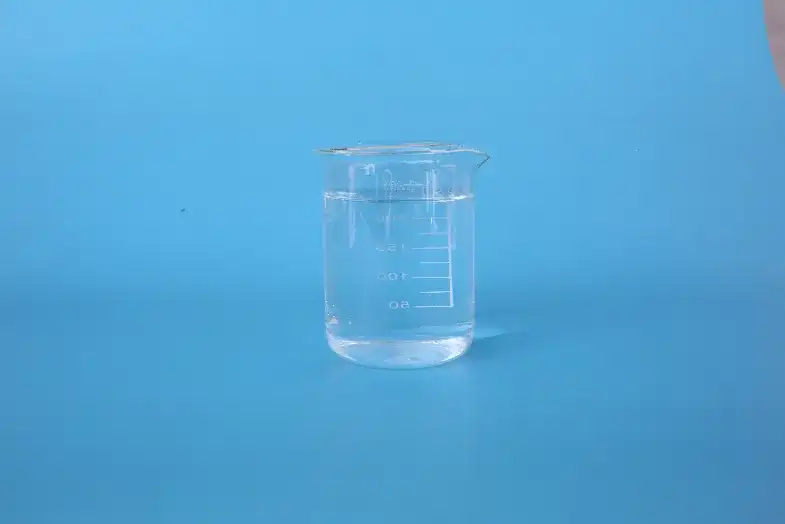
Acrylamide aqueous solutions face several degradation pathways that can undermine their usefulness. The most troublesome is premature polymerization, where monomers react before you want them to, forming unwanted polymers or oligomers. Free radicals typically kick this off, and certain environmental conditions make it worse. Adding polymerization inhibitors during manufacturing and storage is standard practice to prevent this.
Temperature plays an outsized role. Higher temperatures boost molecular kinetic energy, speeding up both polymerization and hydrolysis reactions. Drop the temperature too far, though, and you risk crystallization that disrupts solution uniformity. Finding the sweet spot matters.
The pH window for stability is narrower than many expect. Acrylamide holds up best near neutral pH. Acidic conditions promote hydrolysis to acrylic acid, while alkaline environments can trigger both hydrolysis and polymerization—a double problem.
Oxygen exposure leads to oxidative degradation, producing various byproducts and sometimes visible discoloration. Deoxygenation and inert gas blanketing help here. Microbial contamination presents another risk, especially in dilute solutions where microorganisms can metabolize acrylamide directly. Sterilization or biocides become necessary in these cases. Shandong Nuoer Biological Technology Co., Ltd. uses advanced microbial technology in acrylamide production, achieving ultra-low impurities and reliable polymerization performance. This comprehensive approach to understanding degradation factors ensures high purity and stability for subsequent polymer synthesis.
Analytical Methods That Actually Reveal Stability Problems
Accurate stability assessment depends on analytical testing methods that deliver quantitative data on purity, impurity profiles, and degradation extent. Chromatographic techniques like High-Performance Liquid Chromatography (HPLC) and Gas Chromatography-Mass Spectrometry (GC-MS) separate and quantify acrylamide along with potential degradation products such as acrylic acid and acrylonitrile. Their sensitivity and specificity make them essential for acrylamide purity assessment and impurity profiling.
Spectroscopic analysis adds structural information. Fourier-Transform Infrared (FTIR) spectroscopy and Nuclear Magnetic Resonance (NMR) spectroscopy detect changes in chemical bonds that signal degradation. UV-Vis spectroscopy tracks absorbance changes related to chromophore formation.
Analytical method validation underpins all testing procedures. Without validation confirming accuracy, precision, and reproducibility, the data generated for stability studies cannot be trusted.
What are the critical parameters for ensuring acrylamide aqueous solution stability?
Temperature, pH, light exposure, and polymerization inhibitor presence are the parameters that matter most. Optimal storage conditions—cool, dark, protected from atmospheric oxygen—significantly impact long-term stability. Packaging material compatibility is equally important; materials must be inert and provide effective barriers against external contaminants and light. Regular monitoring of these parameters maintains product integrity and extends shelf life.
Building Stability Testing Protocols That Yield Useful Data
Effective stability testing protocols determine shelf life and storage conditions for acrylamide aqueous solutions. These protocols typically combine accelerated stability testing with long-term stability studies.
Accelerated studies expose samples to exaggerated conditions—higher temperatures, increased humidity—to predict degradation rates over shorter periods. This approach enables quicker assessment of product stability and potential shelf life determination.
Long-term studies store samples under recommended conditions for the entire proposed shelf life, providing direct evidence of stability. Data interpretation for stability involves analyzing trends in assay results, impurity levels, and physical properties. This data establishes retest periods and expiration dates.
Adherence to regulatory compliance standards, including ICH (International Council for Harmonisation) guidelines, is essential for products used in sensitive applications. Expertise in large-scale polymer manufacturing informs the design of these rigorous studies, ensuring products meet stringent quality requirements.
How do storage conditions affect the long-term stability of acrylamide solutions?
Storage conditions profoundly affect long-term stability of acrylamide solutions. Elevated temperatures accelerate polymerization and hydrolysis. Light exposure initiates photochemical degradation. Oxygen promotes oxidative reactions. Storing solutions in cool, dark environments under an inert atmosphere addresses these concerns.
Packaging material compatibility matters just as much—materials must be non-reactive and provide effective barriers against environmental factors in storage. Proper control of these environmental factors directly translates to extended product shelf life and maintained quality.
| Condition | Impact on Stability | Mitigation Strategy |
|---|---|---|
| High Temperature | Accelerates polymerization and hydrolysis | Store in cool environments |
| Light Exposure | Induces photochemical degradation | Store in opaque containers, dark areas |
| Oxygen | Promotes oxidative degradation | Inert gas blanketing, airtight packaging |
| pH Extremes | Accelerates hydrolysis and polymerization | Maintain neutral pH range |
| Contamination | Introduces microbial degradation | Sterile handling, appropriate biocides |
We invite you to explore our recent initiatives and contributions to the community. Learn more about our commitment to social responsibility by reading about the 《Nuoer Group Donates 300000 RMB to Rongzhuang Village》.
Meeting Regulatory Standards While Maintaining Production Quality
Regulatory compliance standards and robust quality control procedures form the foundation of acrylamide production. Commitment to Good Manufacturing Practices (GMP) ensures that every production stage, from raw material sourcing to final product delivery, adheres to the highest quality benchmarks. This rigorous approach minimizes variations and ensures consistent product performance.
Risk assessment in polymer production is integrated into manufacturing processes, allowing identification of potential hazards and implementation of preventative measures proactively.
Supply chain quality assurance is equally important. Meticulous vetting of suppliers and monitoring of raw material quality prevents contaminants that could compromise acrylamide stability. A global sales network benefits from these stringent quality measures, as customers worldwide receive products that consistently meet or exceed expectations. This dedication to quality and compliance underpins a reputation as a reliable supplier.
Which analytical methods are most effective for stability testing of acrylamide aqueous solutions?
Effective stability testing of acrylamide aqueous solutions typically employs a combination of analytical testing methods. Chromatographic techniques such as HPLC and GC-MS quantify acrylamide content and identify impurities like acrylic acid and acrylonitrile with high precision. Spectroscopic analysis including FTIR and UV-Vis provides complementary data on structural changes and chromophore formation. Method validation ensures the reliability and accuracy of these techniques, making them indispensable tools for comprehensive stability assessment and quality control.
Making Stability Work for Industrial Performance
Optimizing acrylamide solution stability directly impacts product performance and cost-effectiveness across industrial applications. Stable acrylamide solutions are necessary for efficient polyacrylamide manufacturing, ensuring consistent polymer molecular weights and desired performance characteristics.
In superabsorbent resin precursor production, stable acrylamide ensures final products achieve optimal absorption capacity and retention. For acrylic acid derivative synthesis, maintaining acrylamide integrity prevents side reactions and ensures high yields of target products.
The cost implications of instability are significant. Wasted raw materials, compromised end-product quality, and potential operational disruptions all follow from poor stability management. Effective stability management drives product performance optimization. A diverse product range including various polyacrylamide forms and Acrylamide Monomer Crystal is developed with this optimization in mind.
Consider how enhanced stability can lead to significant improvements in manufacturing efficiency and product reliability. For further insights into industry advancements, we recommend reading the 《Nuoer at 25th China International Petroleum & Petrochemical Technology Exhibition》.
Partner with Shandong Nuoer for Unparalleled Product Integrity
Shandong Nuoer Biological Technology Co., Ltd. stands as a global leader in the research, development, and production of high-quality polyacrylamide, acrylamide, and superabsorbent resins. Deep expertise in chemical stability and rigorous quality control processes ensures the reliability and performance of products worldwide. For tailored solutions, advanced technical support, or to discuss specific acrylamide stability testing needs, contact our experts today. Partner with us to achieve unparalleled product integrity and operational excellence. Reach out via phone at +86-532-66712876 or email at en*****@***er.com.
Frequently Asked Questions About Acrylamide Solution Stability
What is the primary concern when assessing acrylamide aqueous solution stability?
Preventing polymerization or degradation into undesirable byproducts is the primary concern. These changes compromise solution purity, performance, and safety. Temperature, pH, light exposure, and microbial contamination significantly influence stability, impacting shelf life and effectiveness for intended applications such as in Polyacrylamide Supplier OEM.
How does Shandong Nuoer ensure the stability of its acrylamide products?
Shandong Nuoer employs stringent quality control measures and advanced stability testing protocols throughout manufacturing. This includes comprehensive analytical testing methods like HPLC and GC-MS, controlled storage conditions, and robust packaging to minimize degradation. Commitment to Good Manufacturing Practices (GMP) and continuous R&D ensures high-purity, stable acrylamide for global markets.
Are there specific industry standards for acrylamide aqueous solution stability testing?
While specific standards vary by application and region, general pharmaceutical and chemical industry guidelines such as ICH guidelines for drug substances provide a framework for stability testing. These typically involve accelerated stability testing and long-term studies under defined conditions to determine shelf life and ensure regulatory compliance for products like polyacrylamide and Super Absorbent Polymer Supplier Wholesale.
What role does packaging play in maintaining acrylamide solution stability?
Packaging protects against external factors including light, oxygen, and moisture that accelerate degradation. Selecting appropriate packaging materials that are inert and provide effective barriers prevents contamination and preserves integrity and shelf life of the Acrylamide Aqueous Solution during storage and transportation.




 English
 Russian
 Arabic
 Spanish