
The quality of acrylamide monomer determines whether a polyacrylamide batch performs as expected or falls short. I’ve watched polymerization reactions stall because of trace impurities that shouldn’t have been there—problems that trace back to monomer quality every time. When you’re working with industrial-scale synthesis, there’s no room for inconsistency in your starting materials. The purity of that white crystalline powder sets the ceiling for everything that follows: molecular weight distribution, flocculation performance, viscosity behavior. Getting this right matters more than most process variables combined.
Acrylamide Monomer Fundamentals That Shape Polymer Outcomes
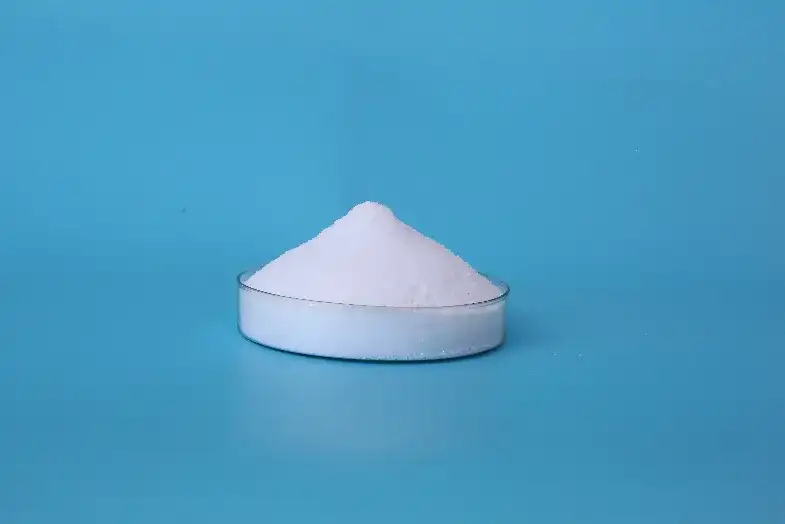
Acrylamide monomer (AM) carries the chemical structure CH₂=CHCONH₂, with a molecular formula of C₃H₅NO and CAS number 79-06-1. This white crystalline solid melts between 84-85 °C and dissolves readily in water, acetone, and ethanol, though it shows only slight solubility in benzene. These physical properties and chemical properties aren’t just academic details—they directly influence how the monomer behaves during polymerization and storage.
Industrial production methods for acrylamide monomer center on catalytic hydration of acrylonitrile. The process has evolved considerably. Biological methods using specific enzymes now achieve higher purity levels while reducing environmental impact compared to older chemical routes. Our raw material sourcing and manufacturing processes target AM Crystal with purity ≥ 98.0%, keeping impurities low enough that downstream applications perform consistently.
Synthesis Routes That Deliver Industrial-Grade Purity
Producing high-purity acrylamide monomer requires careful control at every step. The hydration of acrylonitrile remains the dominant approach, whether catalyzed by copper catalyst systems or through enzymatic synthesis. These industrial production methods continue to improve as manufacturers refine process optimization techniques to boost yield and energy efficiency while minimizing by-products. The difference between adequate and excellent monomer often comes down to how well these synthesis variables are managed.
From Monomer to Polymer: The Synthesis Pathway
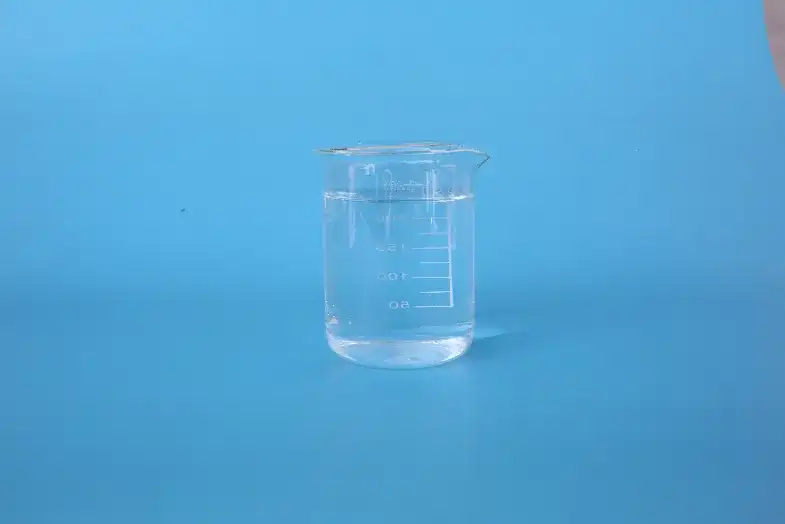
Polyacrylamide forms through free radical polymerization of acrylamide monomer. The specific technique—solution polymerization, inverse emulsion polymerization, or suspension polymerization—depends on what the final product needs to do. Initiators kick off the reaction, catalysts govern how fast it proceeds, and cross-linkers modify the resulting polymer structure when needed.
The reaction conditions demand precise control. Temperature, pressure, and pH all influence how polymer chains grow. Monomer concentration and specific additives determine molecular weight control, degree of hydrolysis, and charge density. Small shifts in any of these parameters ripple through to the final product’s performance characteristics.
When Monomer Quality Falls Short
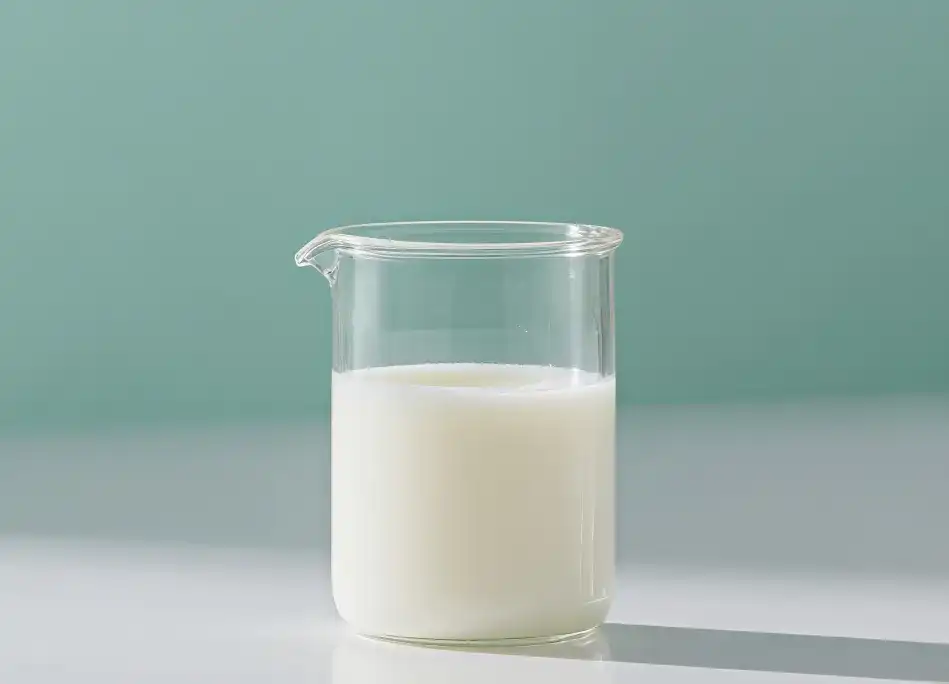
Poor acrylamide monomer quality shows up quickly in polymerization efficiency. Impurities act as inhibitors, slowing or stopping the reaction entirely. They trigger side reactions that produce unwanted by-products, creating polymer defects that compromise the final polyacrylamide’s integrity.
The practical consequences include broader molecular weight distribution and increased polydispersity—both of which hurt functional performance. Understanding reaction kinetics helps predict these problems, but prevention starts with monomer quality. There’s no downstream fix for contaminated starting material.
Quality Parameters That Actually Matter
Rigorous quality control for acrylamide monomer involves more than checking a single purity number. A comprehensive purity assay using chromatographic analysis (HPLC, GC) quantifies monomer content and identifies specific impurities. Heavy metals content, particularly iron content, requires special attention because even trace amounts interfere with polymerization.
Other critical specifications include insolubles, moisture content, and concentrations of polymerization inhibitors. The shelf life and stability of stored monomer also affect performance—degradation over time can introduce problems that weren’t present at manufacture.
For the resulting polyacrylamide, key polyacrylamide specifications span viscosity, rheology, flocculation efficiency, EOR performance, water treatment efficacy, and paper strength. Each application has its own performance thresholds.
Acrylamide Monomer Specifications (AM Crystal)
| Parameter | Specification |
|---|---|
| Purity | ≥ 98.0% |
| Moisture | ≤ 0.8% |
| pH (10 g/L solution) | 6.5–7.5 |
| Inhibitor | 3–10 ×10⁻⁶ |
| Color | ≤ 10 |
| Conductivity | ≤ 20 μS/cm |
| Iron | ≤ 1 ×10⁻⁶ |
The Business Case for High-Purity Acrylamide Monomer
Purity isn’t a technical abstraction—it translates directly to operational outcomes. High-purity acrylamide monomer delivers product consistency, meaning each polymer batch performs predictably. This consistency improves operational efficiency by reducing process adjustments and minimizing reduced downtime from failed batches.
The cost savings compound over time. Optimized chemical consumption, fewer product failures, and reduced waste all contribute. Strict purity standards also support regulatory compliance and limit environmental impact. For end-use application performance, whether in water treatment or enhanced oil recovery, the connection between monomer purity and results holds across every sector.
Where High-Quality Polyacrylamide Performs
Polyacrylamide synthesized from high-quality acrylamide monomer serves industries that can’t afford inconsistent performance. Water treatment flocculants and wastewater clarification applications rely on it to remove suspended solids and improve sludge dewatering. The oil & gas industry uses it extensively for enhanced oil recovery (EOR), drilling fluids, and as friction reducers.
Mining applications depend on polyacrylamide for mineral processing and tailings management. Paper making additives include retention aids and drainage aids based on this polymer. Beyond these core sectors, it functions as soil conditioners in agriculture and appears in textiles, cosmetics, and food processing applications.
Matching Polymer Type to Application Requirements
Selecting the right polyacrylamide variant requires understanding what each application actually needs. Anionic polyacrylamide, cationic polyacrylamide, and non-ionic polyacrylamide each bring distinct properties to different situations. Molecular weight, charge density, and pH sensitivity determine effectiveness in specific environments.
Getting the selection wrong means suboptimal results regardless of product quality. Dosage optimization and thorough performance testing remain necessary steps—there’s no universal formulation that works everywhere.
Supply Chain Reliability for Continuous Operations
Industries dependent on acrylamide monomer need suppliers who understand that production schedules don’t wait for delayed shipments. A robust global supply chain requires efficient logistics, proper storage requirements, and safe transportation protocols. All products should come with comprehensive safety data sheets (SDS) and comply with international regulatory compliance standards including REACH and GHS.
Quality assurance extends beyond the product itself to include technical support, bulk supply capacity, and custom formulations when standard offerings don’t fit. Long-term partnership works better than transactional purchasing when consistent supply matters to your operations.
Shandong Nuoer Biological Technology Co. Capabilities
Shandong Nuoer Biological Technology Co. operates as an integrated research, development, production, and service provider for polymer chemicals. Our annual production capacity reaches 300,000 tons of acrylamide monomer and 500,000 tons of polyacrylamide, supported by a global sales network that serves customers across multiple continents.
The focus on quality manufacturing and continuous R&D produces ultra-low impurity products with strong polymerization performance. Manufacturing capacity and production scale allow us to meet large-volume requirements while maintaining the consistency that industrial applications demand.
Frequently Asked Questions About Acrylamide Monomer and Polyacrylamide
What are the primary industrial applications of polyacrylamide derived from acrylamide monomer?
Polyacrylamide synthesized from acrylamide monomer works primarily as a flocculant in water treatment flocculants and wastewater clarification, where it removes suspended solids efficiently. The oil & gas industry relies on it for enhanced oil recovery (EOR), while mining applications use it for mineral processing. Paper manufacturing employs it as a retention aid. The polymer’s versatility comes from the ability to produce variants with different molecular weights and charge densities, each suited to specific industrial requirements.
How does the quality of acrylamide monomer impact the final polyacrylamide product?
The purity of acrylamide monomer directly determines polyacrylamide performance. Impurities function as polymerization inhibitors, producing lower molecular weight polymer with inconsistent behavior and reduced flocculation efficiency. Production costs rise when batches fail or require rework. High-purity monomer enables stable, predictable polyacrylamide that delivers product consistency and operational efficiency across applications.
What safety precautions are necessary when handling acrylamide monomer?
Acrylamide monomer presents neurotoxic and potential carcinogenic hazards that require appropriate personal protective equipment (PPE), adequate ventilation, and strict adherence to storage requirements and transportation guidelines. The Safety Data Sheets (SDS) from your supplier contain detailed handling instructions and regulatory compliance information specific to your jurisdiction and application.
Can Shandong Nuoer Biological Technology Co. provide custom acrylamide monomer solutions?
Shandong Nuoer Biological Technology Co. maintains R&D capabilities and an annual production capacity of 300,000 tons of acrylamide to support tailored solutions. We work with clients to meet specific purity levels, stability requirements, and delivery schedules for their polyacrylamide synthesis needs. Custom formulations address unique industrial process requirements that standard products don’t fully satisfy.
What are the environmental considerations for acrylamide monomer production and use?
Responsible acrylamide monomer production minimizes waste generation and optimizes energy consumption. During use, proper containment and treatment of unreacted monomer prevents environmental release, meeting global regulatory standards for chemical management. Biological methods for production reduce environmental footprint compared to traditional chemical synthesis routes, supporting more sustainable industrial practices.
Partner with Shandong Nuoer for Advanced Chemical Solutions
High-purity acrylamide monomer from Shandong Nuoer Biological Technology Co. provides the foundation for reliable polyacrylamide synthesis. Our combination of quality, consistent supply, and technical expertise supports industrial operations that depend on predictable polymer performance. Contact us to discuss your specific requirements.
Email: en*****@***er.com
Phone: +86-532-66712876
If you’re interested, check out these related articles:
Nuoer Wins Two Provincial Honors
Nuoer Honored as Outstanding Tax Contributor in Dongying City 2024
Nuoer Biology Scholarship Donation Ceremony at China University of Petroleum
Nuoer at 25th China International Petroleum & Petrochemical Technology Exhibition




 English
 Russian
 Arabic
 Spanish