
Mobile water treatment projects succeed or fail on logistics before a single gallon is processed. When equipment arrives on a truck at a mine site, a drilling pad, or an emergency spill zone, the treatment chemistry has to work with whatever water source is available, whatever power supply is on hand, and whatever labor can be mustered. Emulsion polyacrylamide has become the default choice for these deployments, and after fifteen years of supplying polymers to field operations across sixty countries, I can say with confidence that the difference between a smooth campaign and a stalled one usually traces back to three decisions made before the first container ships: which emulsion formulation, how it dissolves, and whether the supply chain holds. Most polymer selection guides cover general performance parameters. The gap is in the field logistics: what happens when the make-down unit is running off a generator, the water temperature drops to near freezing, and the nearest resupply is two weeks away. This article addresses that gap directly.
What Emulsion PAM Brings to Mobile Treatment
Dry polyacrylamide powder has been the industry workhorse for decades, and in a fixed plant with a silo, proper dust extraction, and a controlled environment, it still performs. Mobile treatment units rarely have any of those things. Emulsion polyacrylamide changes the operational equation because it arrives as a pumpable liquid with active polymer content typically in the 30 to 50 percent range, carried in an oil phase that keeps the polymer chains coiled and protected until the moment of activation.
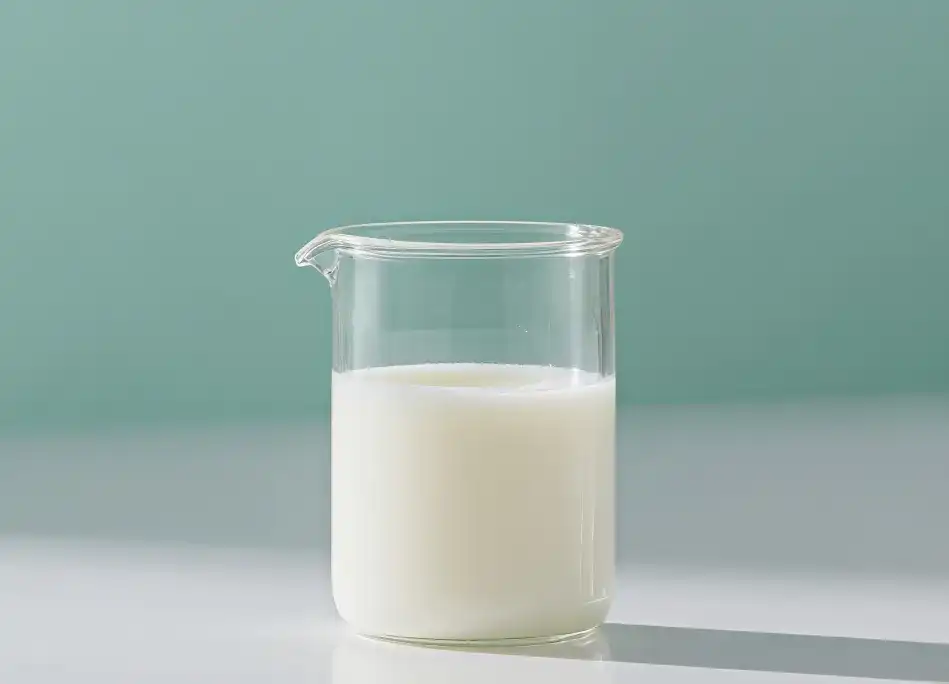
The practical consequence for a field crew is straightforward. Instead of hoisting 25 kg bags of powder onto a catwalk in the wind, measuring into a wetting cone, and managing airborne dust that clings to everything, the operator connects a transfer pump and meters a liquid. The reduction in manual handling alone is significant enough that several mining contractors I have worked with have eliminated powder entirely from their mobile fleets, even at a higher per-kilogram polymer cost. When you factor in the labor hours, the dust-related equipment maintenance, and the shelf life losses from opened partial bags in humid conditions, the total cost of ownership shifts in favor of emulsion for most field applications lasting more than a few weeks.
Beyond handling, the molecular weight consistency of emulsion polyacrylamide deserves attention. Because the polymer is synthesized in a water-in-oil emulsion, the chain growth occurs within millions of microscopic droplets that act as individual micro-reactors. The result is a high molecular weight product with a narrower molecular weight distribution than most dry polymers can achieve. In flocculation terms, that means more predictable bridging and faster settling rates, which matter acutely when your settling tank or clarifier is a fraction of the size of a permanent plant installation.
Formulation Selection for Temporary Treatment Systems
Choosing an emulsion polyacrylamide formulation for a mobile unit differs from selecting one for a permanent plant in one fundamental way: the mobile unit treats a wider variety of water over its service life. A municipal plant runs on relatively consistent influent year after year. A mobile unit deployed to a drilling site might handle drilling mud one week, produced water the next, and stormwater runoff after a heavy rain. The polymer formulation has to span that range or the operator loses days swapping chemistries.
| Formulation Parameter | Mobile Treatment Consideration | Fixed Plant Comparison |
|---|---|---|
| Ionic type | Anionic for high-solids mineral slurries; cationic for organic sludges; non-ionic for highly variable pH | Typically optimized for one consistent influent stream |
| Charge density | Medium range covers more water types; extremes only for dedicated campaigns | High or low selected for process efficiency |
| Molecular weight | High but not maximum; ultra-high MW chains shear more easily in mobile pump systems | Ultra-high MW viable due to low-shear plant equipment |
| Active content | 35-50% balances transport weight against dosage flexibility | Can be lower if plant has large storage capacity |
The charge density decision is the one I see field engineers struggle with most often. High charge density anionic emulsion works brilliantly on a heavy clay slurry but can over-stabilize a lower-solids stream, actually making settling worse. For a mobile unit that treats variable water, a medium charge density anionic or a medium-low charge cationic typically provides a broader operating window. We have supplied emulsion polyacrylamide to contractors running mobile dewatering rigs across Southeast Asian construction sites where the water chemistry changes between sites separated by only a few kilometers, and the operators who carry two charge densities in separate totes consistently outperform those trying to make a single high-charge product work everywhere.
Non-ionic emulsion polyacrylamide sits in a specific niche for mobile treatment: acidic streams and waters with extreme dissolved salt concentrations where ionic polymers lose their charge-driven adsorption mechanism. In those conditions, non-ionic PAM relies purely on hydrogen bonding and chain entanglement for flocculation, which is less efficient but works when nothing else will. I recommend keeping a small supply of non-ionic emulsion on any mobile unit that operates near mining drainage or industrial runoff with unpredictable pH.
Rapid Activation in Field Conditions
The five to fifteen minute dissolution window advertised for emulsion polyacrylamide is real, but it assumes clean water, proper shear, and reasonable temperature. Field conditions rarely provide all three at once. Understanding what happens when one factor degrades is the difference between designing a robust make-down system and one that collapses the first time the water turns cold.
The activation mechanism matters here. When emulsion polyacrylamide contacts water, the water-in-oil emulsion inverts. The oil phase breaks, the water-swollen polymer droplets release their chains, and the polymer hydrates and uncoils into its active extended conformation. The inversion step is surfactant-driven and relatively fast. The hydration step is diffusion-limited and highly temperature-dependent. In warm water above 20 degrees Celsius, the hydration completes in the advertised timeframe. In water at 5 degrees, which is common for mobile units operating in winter or at elevation, that same emulsion can take three to four times longer to reach full viscosity development.
For mobile treatment operations in cold conditions, three adjustments make a measurable difference. First, increase the make-down water temperature if possible; even raising it from 5 to 15 degrees cuts hydration time by more than half. Second, select an emulsion formulation with a higher inversion rate surfactant package; this does not accelerate the diffusion step but ensures the inversion completes before the temperature slows everything down, preventing partially inverted slugs of polymer from reaching the application point. Third, extend the aging tank residence time. A mobile unit with a 500-liter aging tank that works fine in summer may need 1,000 liters in winter to maintain the same throughput. These are not theoretical concerns. We have seen field reports from Canadian oil sands operations where switching to a cold-water-optimized emulsion formulation reduced polymer consumption by 12 percent simply because the flocculant was fully active when it reached the thickener.
Shear sensitivity is the other activation variable that mobile systems handle worse than fixed plants. Centrifugal pumps, long pipe runs with elbows, and high-pressure injection nozzles all impart mechanical stress that can break ultra-high molecular weight polymer chains. Once a chain breaks, its bridging ability drops sharply, and no amount of additional polymer fully compensates. The solution for mobile units is to use progressive cavity or diaphragm pumps for polymer transfer where possible and to inject the activated polymer solution into the process stream through a low-shear dispersion device rather than a constricted nozzle. The minor additional equipment cost is recovered in polymer savings within the first month of continuous operation.
If your program involves cold-weather deployment or variable water temperatures across sites, it is worth confirming the cold-water activation profile with your polymer supplier before committing to a purchase order. A formulation that performs well in a Shanghai laboratory at 25 degrees may behave very differently in a Mongolian winter field camp.
Storage and Handling at Remote Sites
Emulsion polyacrylamide is forgiving in storage compared to dry polymer, but it has boundaries that field operations managers need to respect. The product literature often says “store in a cool, dry place” and leaves it at that. In practice, mobile treatment units operate where cool and dry are aspirational rather than descriptive of the actual environment.
The primary storage vulnerability is freeze-thaw cycling. Emulsion polyacrylamide that freezes solid does not simply thaw back to its original state. Ice crystal formation can rupture the emulsion droplets, causing the polymer to pre-release into the water phase and form gel aggregates that will not re-dissolve. The tote or drum develops a sludge layer at the bottom that clogs strainers and metering pumps. In climates where overnight temperatures drop below zero degrees Celsius, the polymer storage area requires insulation and possibly trace heating. A heated container or insulated tote jacket is a capital expense that pays for itself the first time you avoid losing a partly used tote to a cold snap.
Heat exposure presents the opposite problem but a similar outcome. Sustained temperatures above 35 degrees Celsius accelerate the gradual degradation of the polymer backbone through oxidative and hydrolytic mechanisms. The emulsion does not visibly spoil, but the molecular weight drifts downward over weeks, and the dose rate required to achieve the same flocculation climbs steadily. For mobile units operating in desert or tropical conditions, shade and ventilation matter. A white-painted tote in direct sun in Saudi Arabia or northern Australia can reach internal temperatures that shorten the effective shelf life from months to weeks.
The third concern is the simplest and most commonly overlooked: container integrity during transport. Emulsion polyacrylamide shipped in intermediate bulk containers over unpaved access roads experiences vibration and impact that can crack fittings or loosen caps. A slow leak from a bottom valve that goes unnoticed until the crew arrives on site creates both a product loss and a cleanup problem. Specifying totes with reinforced discharge valves and secondary containment pallets adds modest cost to the unit price and prevents a disproportionate share of field complaints.
Matching Polymer Type to Water Chemistry
The ionic character of the emulsion polyacrylamide determines which contaminants it will flocculate, but the water chemistry determines whether the polymer can access those contaminants in the first place. This is not a subtlety; it is the single most common reason field trials underperform relative to laboratory jar tests.
Anionic emulsion polyacrylamide, which carries a negative charge along the polymer backbone, works by bridging between negatively charged suspended particles via divalent cation intermediaries, typically calcium and magnesium, or by adsorbing onto positively charged edge sites on clay particles. When the water has sufficient hardness, anionic PAM performs as expected. When the water is soft, containing less than 50 mg per liter of calcium and magnesium combined, the bridging mechanism weakens because fewer divalent cation bridges are available. This is a frequent issue in mobile treatment units drawing from surface water sources in regions with granitic geology, where the water is naturally soft. Adding a small amount of calcium chloride or using a slightly higher molecular weight anionic polymer can compensate, but the adjustment must be made deliberately.
Cationic emulsion polyacrylamide adsorbs directly onto negatively charged particle surfaces through electrostatic attraction, so it is less dependent on water hardness. The trade-off is that cationic PAM is more sensitive to dissolved organics and certain anions. High levels of humic substances, common in surface waters in vegetated watersheds, can consume cationic charge through complexation before the polymer reaches the suspended solids. A jar test with the actual site water, not a synthetic surrogate, is the only reliable way to establish the effective dose range before mobilizing equipment.
Amphoteric emulsion polyacrylamide, which contains both positive and negative charges on the same polymer chain, is the most chemically versatile option and the one I recommend for mobile units that cannot predict their water source from one deployment to the next. The dual-charge structure allows the polymer to maintain adsorption across a wide pH range and in the presence of both hardness ions and dissolved organics. The cost premium over single-charge emulsions runs 15 to 25 percent, but for a mobile unit where failed chemistry means idle equipment and daily standby costs that dwarf the chemical expense, the insurance value is real.
The table below summarizes the ionic selection logic for the most common mobile treatment scenarios.
| Water Type | Recommended Emulsion PAM | Key Reason |
|---|---|---|
| High-solids mineral slurry, hard water | Medium-charge anionic | Calcium bridging supports strong floc formation |
| Organic sludge, municipal or food processing | Medium-charge cationic | Direct charge attraction to biomass particles |
| Variable pH industrial runoff | Non-ionic or amphoteric | Charge-independent adsorption or dual-charge tolerance |
| Produced water with oil content | High-charge anionic | Effective oil-water separation with good floc strength |
| Unknown or highly variable source | Amphoteric | Widest operating pH and chemistry window |
Common Questions About Emulsion PAM in the Field
Is emulsion polyacrylamide worth the cost premium over dry powder for a short campaign?
It depends on the campaign duration and the site conditions. For a deployment lasting less than two weeks with full powder handling equipment already on site, dry polymer may be more economical. For any campaign longer than that, or any site without mechanical powder handling, the labor savings, reduced downtime from clogged make-down systems, and superior molecular weight consistency typically offset the higher per-kilogram price. In projects I have tracked, the break-even point for emulsion versus powder at remote sites falls between ten and fourteen days of continuous operation, assuming moderate ambient temperatures and reasonable water quality.
What happens if the emulsion freezes during transport to a remote site?
If the emulsion freezes solid and then thaws, you will likely find a layer of gelled polymer at the bottom of the container. The remaining liquid may still contain active polymer, but the concentration will be lower and inconsistent. You can attempt to salvage by decanting only the liquid portion and discarding or separately reprocessing the gel layer, but the dose rate becomes a moving target. Prevention is the only reliable approach. Specifying insulated packaging for winter shipments and confirming the transport route does not involve overnight stops in unheated yards eliminates most freeze incidents before they reach the field.
How do I know if the make-down system is shearing the polymer?
The simplest field test is a settling rate comparison. Take a sample of the activated polymer solution from the make-down unit exit and another sample of the same emulsion activated gently in a laboratory beaker with the same water and the same concentration. Run identical jar tests on the process water. If the plant-activated polymer settles the solids 20 percent slower or more, mechanical shear is degrading the polymer. Check the pump type first; replace centrifugal pumps with progressive cavity types if possible. Then check for high-velocity constrictions in the injection piping.
Can I switch between anionic and cationic emulsion in the same make-down unit?
You can, but only after a thorough cleaning cycle. Residual anionic polymer in the system will complex with incoming cationic polymer and form a sticky precipitate that coats tank walls, plugs strainers, and wastes both products. The cleaning procedure involves flushing the entire system with clean water for at least three residence volumes, followed by a dilute surfactant wash if the previous product was particularly high in oil-phase content, then a final clean water flush. Many mobile treatment operators avoid the issue by dedicating separate emulsion totes and aging tanks to each ionic type and switching at the tote connection rather than inside the make-down plumbing.
Does the oil phase in emulsion PAM cause any discharge permit issues?
The oil phase in water-in-oil emulsions is typically a light mineral oil or a synthetic hydrocarbon at roughly 25 to 35 percent of the as-delivered product weight. At the dose rates used in water treatment, the oil contribution to the treated water is in the low parts-per-million range, and it tends to partition into the sludge phase rather than remaining in the clarified water. In most discharge permits, the oil carryover is below detection limits and below regulatory thresholds. If your permit has an unusually strict oil and grease limit, or if you are treating water for direct surface discharge in an environmentally sensitive area, request the oil-phase specification from the supplier and run a bench test at the maximum anticipated dose rate to confirm compliance. Share your permit parameters with our technical team at en*****@***er.com or call +86-532-66712876 and we will confirm the oil-phase specification against your discharge requirements before you order.
If you’re interested, check out these related articles:
Emulsion PAM for Cold Weather: Selection and Performance
Acrylamide Monomer: Tailoring Polymers Through Diverse Methods
Amphoteric PAM: Cost-Performance Balance for Industrial Flocculation
Acrylamide Monomer Storage Stability: A Comparative Guide


 English
 Russian
 Arabic
 Spanish