
Emulsion polyacrylamide storage degradation drives process failures that are almost always preventable through temperature control, proper container handling, and routine quality inspection. I have seen operations lose weeks of production because emulsion PAM that looked acceptable had quietly separated during extended storage in an unconditioned warehouse. The cost of a storage failure far exceeds the effort of handling the product correctly from the start. This article covers the practical storage and handling procedures that keep emulsion polyacrylamide stable and effective from delivery through final dosing, with emphasis on the field conditions where most problems begin.
The Importance of Emulsion PAM Storage Conditions
Emulsion polyacrylamide is a water-in-oil (W/O) emulsion — a dispersion of fine aqueous polymer droplets suspended in a continuous oil phase, stabilized by surfactants. This structure is what gives emulsion PAM its rapid dissolution advantage over dry powder forms. But it also makes the product more sensitive to storage conditions. When the emulsion is exposed to temperature extremes, the surfactant layer at the oil-water interface can weaken. The aqueous polymer droplets begin to coalesce, and the emulsion moves toward phase separation — oil rising, aqueous polymer settling. Once this process starts, the product cannot be restored to its original condition by simple mixing.
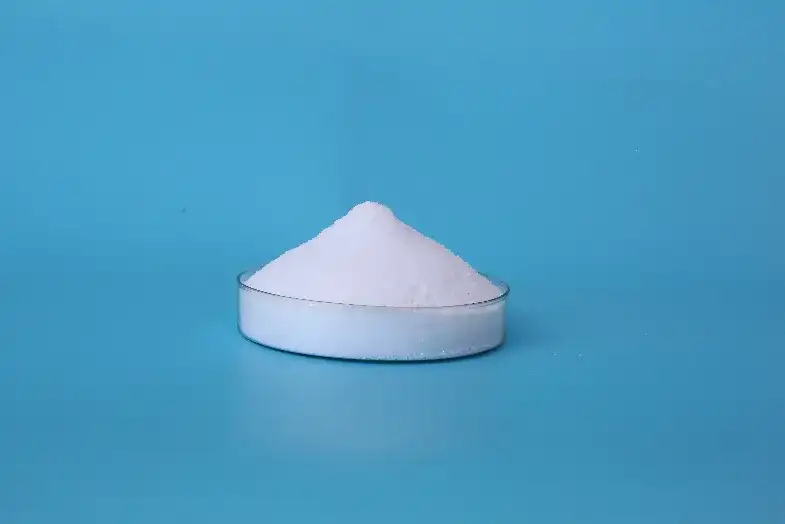
The performance consequence is straightforward: a partially separated emulsion will not dissolve uniformly when introduced to water. Instead of forming a homogeneous polymer solution that delivers consistent flocculation, you get concentration variations across the batch. Dosing systems set for a uniform active polymer content will under-dose or over-dose as the separated material feeds through. In mining thickeners or oil field water treatment, this translates to inconsistent solids settling, higher chemical consumption to compensate, and process upsets that take hours to stabilize.
From a manufacturing perspective, we formulate emulsion PAM with specific surfactant packages and stabilizers to resist separation within a defined storage window — typically six to twelve months under recommended conditions. But those stabilizers can only do so much. The single largest factor determining whether an emulsion reaches the user intact is temperature history during transport and on-site storage.
Temperature Control and Climate Management
The most important variable in emulsion PAM storage is temperature. The recommended storage range for most emulsion polyacrylamide products is 5°C to 35°C, with 15°C to 25°C being the ideal band. Outside this range, two distinct degradation mechanisms become active.
Below 5°C, and especially below freezing, the aqueous phase of the emulsion begins to crystallize. Because the polymer droplets are water-based, ice crystal formation physically ruptures the surfactant-stabilized boundaries between the oil and water phases. When the product warms back up, these droplets cannot re-form their original dispersion. The result is irreversible phase separation — a lumpy, stratified product that will not dissolve properly even with extended mixing. I have seen shipments delivered to cold-climate mine sites in winter where the emulsion arrived partially frozen, and despite gradual warming and agitation, the material never recovered its original viscosity or dissolution speed. It had to be replaced.
Above 35°C, the oil phase begins to thin and the surfactant system loses effectiveness. The emulsion viscosity drops, and droplet coalescence accelerates. In hot climates, drums stored in direct sunlight or in uninsulated metal containers can reach internal temperatures well above 40°C within hours. The product may still look uniform initially, but its shelf life has been sharply reduced. Within weeks rather than months, centrifuging a sample will reveal elevated free oil content and a sediment layer starting to form.
Practical temperature management does not require climate-controlled warehousing in every case, but it does require deliberate placement. Store emulsion PAM away from direct sunlight, away from heat sources such as boiler rooms or steam lines, and on insulated or elevated surfaces rather than directly on concrete slabs that conduct cold in winter and hold heat in summer. In extremely cold regions, insulated container wraps or heated storage cabinets sized for IBC totes are a sound investment. In hot regions, shading and ventilation are minimum requirements. The cost of a basic insulated enclosure is trivial compared to replacing a full container of degraded emulsion.
Proper Handling from Delivery to Dosing
How emulsion PAM is handled between delivery and the dosing system determines whether the storage investment pays off. The product arrives as a high-concentration liquid, typically with 30% to 50% active polymer content, in drums, IBC totes, or bulk containers. Every transfer step introduces risk.
First, minimize unnecessary agitation. Emulsion PAM is shear-sensitive. High-speed centrifugal pumps, narrow pipe restrictions, or aggressive in-tank mixing can mechanically break the emulsion. The polymer chains themselves can also be damaged — high molecular weight PAM is susceptible to shear degradation, which reduces its flocculation effectiveness. Use low-shear progressive cavity or diaphragm pumps for transfer, keep pipe velocities moderate, and avoid throttling valves that create high-shear zones.
Second, manage the container after partial use. Once a drum or tote is opened, the headspace introduces oxygen and potential contaminants. Reseal partially used containers tightly, and plan inventory rotation so that opened containers are used first. Do not return unused product from a day tank back into the storage container — this cross-contaminates the fresh material and can introduce water or process fluids that destabilize the emulsion.
Third, pay attention to the make-down system. Emulsion PAM is designed to invert rapidly when mixed with water — the oil phase releases the polymer droplets, which then dissolve. But the water must be moving when the emulsion is introduced. Adding emulsion to still water, or adding water on top of emulsion, creates localized high concentrations that gel rather than dissolve. The correct sequence is water first, agitation on, then emulsion added slowly into the vortex or turbulent zone. This sounds basic, but it is one of the most common handling errors I encounter, particularly in temporary or mobile treatment setups where procedures are less formalized.
If your program involves cold-climate or high-temperature field storage, it is worth confirming your emulsion PAM formulation’s specific temperature tolerance with your supplier before committing to a bulk order — reach out at en*****@***er.com.
Early Detection of Emulsion PAM Degradation
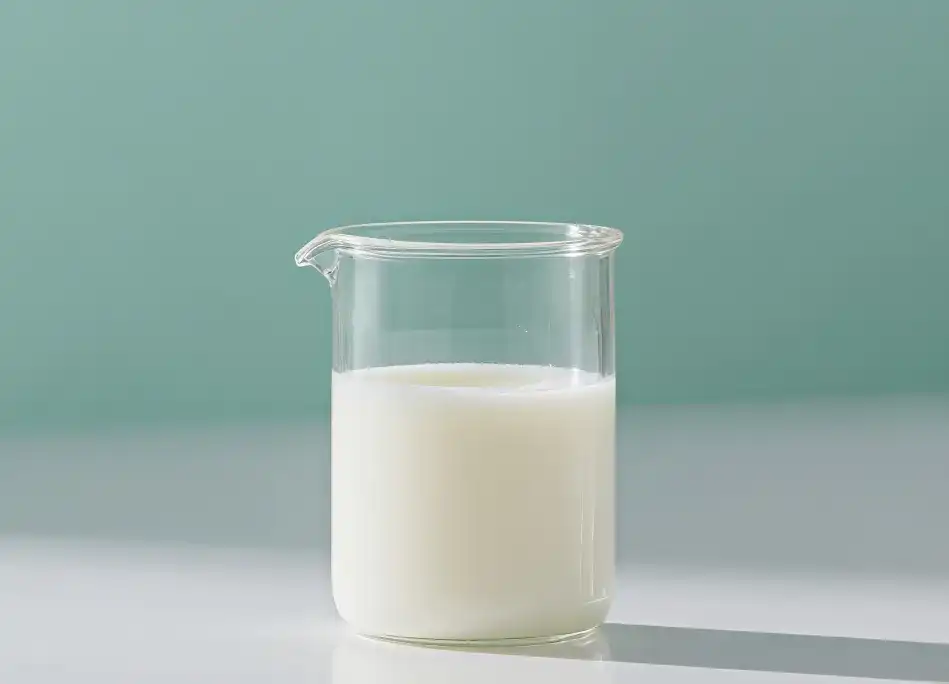
The earlier you detect emulsion PAM degradation, the less damage it causes to your process. Visual inspection is the first and simplest check. A properly stored emulsion polyacrylamide should be a uniform milky-white to pale-yellow liquid with a consistent viscosity from top to bottom of the container. Warning signs include a clear oil layer on top, a thick sediment layer at the bottom, or visible graininess when a thin film is spread on a flat surface.
Viscosity measurement provides more objective data. Using a consistent method — same spindle, same speed, same temperature — track the viscosity of each new delivery and periodically throughout storage. A significant drop in viscosity from the baseline, or an increase that indicates thickening, signals that the emulsion is changing. Neither direction is good: falling viscosity often means droplet coalescence and oil separation, while rising viscosity can indicate evaporation of the oil phase or premature inversion.
The most definitive field check is a simple dissolution test. Add a measured amount of emulsion to a known volume of water under controlled mixing conditions and observe. Fresh, properly stored emulsion PAM will disperse and begin dissolving within seconds, forming a clear to slightly hazy viscous solution within 5 to 15 minutes. Degraded emulsion will dissolve more slowly, leave visible particles or strings of undissolved polymer, or produce a solution with noticeably lower viscosity than expected. If your standard make-down procedure suddenly produces a weaker solution than it did the week before with the same product batch, storage degradation is the first thing to investigate — before adjusting your dosing rate.
Field Quality Checks Before Process Use
For operations where laboratory access is limited, a set of practical field checks can prevent degraded emulsion PAM from reaching the process. These take minutes and require minimal equipment.
Check one: visual and tactile. Dip a clean rod or spatula into the container and pull it out slowly. Fresh emulsion will sheet off smoothly and evenly. Degraded material may drip unevenly, show clots, or leave a grainy residue on the rod.
Check two: dilution observation. Take a small jar, add a known amount of water, then add a few drops of emulsion. Swirl gently. A properly functioning emulsion will bloom into the water immediately — you will see the characteristic milky dispersion spreading. If the emulsion sits as a droplet or disperses in strings rather than a cloud, it has begun to separate.
Check three: comparative viscosity. If you have a reference sample from a known-good batch, compare the viscosity of the current material using a simple flow cup or by timing how long it takes for a measured volume to drain through a consistent orifice. Differences greater than 15 to 20 percent from the reference warrant investigation before the material is used in production.
Running these checks on every new delivery and periodically on stored inventory takes perhaps ten minutes. The alternative — discovering a storage problem when thickener underflow density drops or clarifier effluent turbidity rises — costs hours of process recovery and can waste thousands of dollars in polymer that was applied at the wrong effective dose.
If your operation is in a remote location where replacement deliveries take weeks, confirming emulsion PAM quality before it enters the process is not just good practice — it is an operational necessity. For programs where storage conditions are difficult to control, it is worth confirming with your supplier what stability testing has been done under your specific climate conditions before committing to a product specification. Reach out at en*****@***er.com or +86-532-66712876 to discuss your site conditions.
Common Questions About Emulsion Polyacrylamide Storage
What is the typical shelf life of emulsion polyacrylamide?
Under recommended storage conditions of 5°C to 35°C, most emulsion PAM products maintain full performance for 6 to 12 months from the date of manufacture. The exact shelf life depends on the formulation, the surfactant system used, and the storage temperature history. Product stored consistently at 15°C to 25°C will outlast product that has cycled through temperature extremes, even if those extremes were within the nominal acceptable range. Always check the manufacturer’s certificate of analysis for the specific batch you received, and note that shelf life begins from the production date, not the delivery date.
Does freezing always ruin emulsion PAM?
Freezing does not always destroy emulsion PAM instantly, but in practice the damage is nearly always irreversible. The aqueous polymer droplets in the W/O emulsion contain water, and when that water freezes, the expanding ice crystals physically rupture the surfactant-stabilized droplet boundaries. Even if the product is slowly warmed and appears to re-homogenize with mixing, the original droplet size distribution and dissolution characteristics will not fully recover. Some specially formulated cold-weather emulsion products include freeze-point depressants that offer partial protection, but standard emulsion PAM formulations should be considered freeze-sensitive. Prevention is the only reliable strategy.
Can I pump emulsion PAM without damaging it?
Yes, but pump selection matters. Low-shear pumps such as progressive cavity, diaphragm, or peristaltic types are suitable for emulsion PAM transfer. Avoid centrifugal pumps, gear pumps, or any pump with tight clearances and high internal velocities, as these can shear the emulsion and degrade the polymer chains. Keep suction lines short and adequately sized, and avoid running pumps against closed or nearly closed discharge valves. If you are designing a new transfer system, confirm the pump manufacturer’s shear-rate specifications with your emulsion PAM supplier to avoid performance-robbing equipment choices before installation.
How can I tell if my emulsion PAM supplier’s product is more storage-stable than others?
Ask for accelerated aging data, not just a specification sheet. A supplier that stands behind their emulsion stability will have test results showing viscosity retention, dissolution speed, and inversion performance after storage at elevated temperatures such as 40°C for several weeks. Compare these results across suppliers under the same test conditions. Also ask about the surfactant chemistry used — some surfactant systems are inherently more robust against temperature cycling than others. A supplier that can explain why their emulsion resists separation, rather than just claiming it does, is providing you with information you can verify and trust. Share your site conditions and storage setup with your supplier, and request stability data relevant to your operating environment at en*****@***er.com.
If you’re interested, check out these related articles:
Acrylamide Solution: Essential Storage & Handling Protocols
Acrylic Acid Quality Requirements for SAP: Purity and Performance


 English
 Russian
 Arabic
 Spanish