
Molecular weight is the single most consequential specification in cationic polyacrylamide selection, yet it is frequently reduced to a low-medium-high checkbox on a procurement form. Getting it wrong produces one of two outcomes: a floc that settles too slowly, or one that breaks apart in the belt press, in both cases driving up polymer consumption and hauling costs. This guide explains how molecular weight governs dewatering performance, how to pair it with charge density for your sludge type, and how to specify a grade that works under your actual operating conditions—not idealized lab conditions.
How Molecular Weight Determines Floc Structure and Drainage
Cationic polyacrylamide functions by bridging suspended particles into larger flocs that can be separated mechanically. Molecular weight—typically expressed in millions of Daltons—controls the length of the polymer chain. Longer chains project further from the particle surface, capturing more neighboring solids. A high molecular weight product, in the 8–12 million range, generates large, shear-resistant flocs that drain quickly on a belt press or centrifuge. A medium molecular weight product, around 5–8 million, produces smaller but denser flocs that hold together under the higher compressive forces of a screw press.
The trade-off is not simply “higher is better.” An excessively high molecular weight polymer in a system with high shear—such as a centrifuge operating at 3,000 g or more—can create flocs that are too rigid. Under extreme centrifugal force, these flocs fracture and release fines that blind the screen, increasing both polymer demand and sludge moisture content. We have observed this in multiple municipal plants treating mixed primary-secondary sludge, where switching from an 11 million to a 9 million molecular weight product reduced polymer consumption by roughly 12% with no loss in cake dryness.
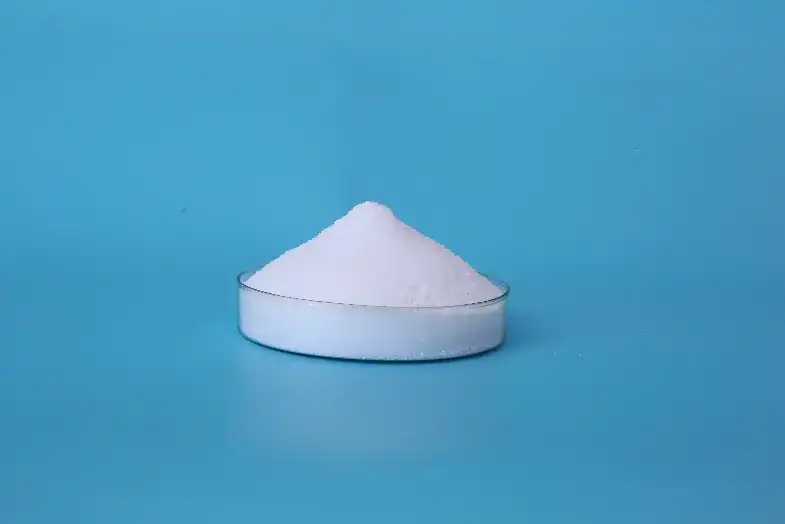
The molecular weight distribution also influences performance. A product with a narrow distribution—where most chains are within a tight length range—produces more uniform floc size, which translates to more consistent drainage. Broad-distribution products can generate a mixture of large, fragile flocs and small pin flocs that pass through the screen. When evaluating a supplier, asking for gel permeation chromatography (GPC) data on molecular weight distribution is a more useful quality check than accepting a single average molecular weight figure.
Pairing Molecular Weight with Charge Density for Your Sludge
Molecular weight cannot be selected in isolation from charge density, because chain extension in solution—and therefore effective bridging length—depends on ionic repulsion along the polymer backbone. A high charge density polyacrylamide (40–60% cationicity) carries more positive charges, which repel each other and stretch the chain. This means a high-charge, medium-molecular weight product can achieve an effective hydrodynamic size comparable to a higher molecular weight, lower-charge product, while also neutralizing more negative surface charge on the sludge particles.
This interplay matters most when treating biological sludge from an extended aeration process, where the extracellular polymeric substances (EPS) produce a high negative charge demand. In these cases, a product with 50–60% cationicity and molecular weight in the 7–9 million range often outperforms a lower-charge, higher molecular weight alternative, because sufficient charge density ensures the polymer adsorbs fully onto the particle surface before the bridging mechanism can operate. Our team regularly guides municipal plants through this charge-vs-molecular-weight adjustment during start-up, and the typical consumption reduction—10–15%—is consistent with what we see across multiple sites.
The table below summarizes commonly effective molecular weight and charge density pairings for different sludge types.
| Sludge Type | Recommended Molecular Weight (million) | Recommended Charge Density | Dewatering Outcome |
|---|---|---|---|
| Primary (fresh) | 8–12 | 20–40% | Large, rapid-draining flocs |
| Mixed primary-secondary | 7–10 | 30–50% | Sheer-resistant flocs for centrifuge |
| Waste activated (aerobically digested) | 6–9 | 50–60% | Efficient charge neutralization, controlled floc size |
| Anaerobically digested | 7–9 | 40–55% | Moderate floc size, good filtrate clarity |
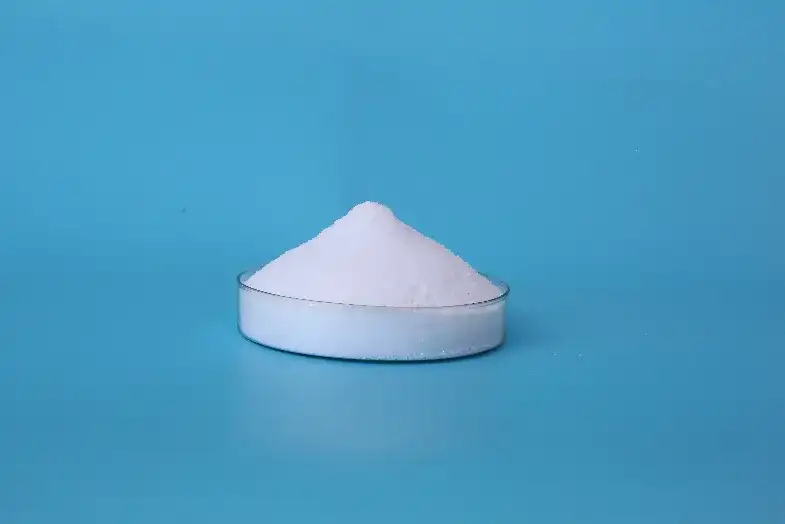
These ranges are starting points, not absolute rules. Water chemistry—particularly alkalinity, conductivity, and dissolved organic content—shifts the optimum. A jar test sequence that varies both molecular weight and charge density across three levels each (nine combinations) is the most efficient way to narrow the field before a full-scale trial.
Matching Molecular Weight to Dewatering Equipment
The same sludge can respond differently to the same polymer depending on whether it is being processed through a belt filter press, a decanter centrifuge, or a screw press. The reason is shear. A belt press applies low to moderate shear during gravity drainage and wedge zone compression, so high molecular weight polyacrylamides (above 10 million) perform well, forming large flocs that release free water quickly. Floc breakage in the gravity section is minimal.
A decanter centrifuge, conversely, subjects the conditioned sludge to high shear forces—often exceeding 2,500 g—inside the bowl. Under these conditions, a slightly lower molecular weight (7–9 million) with a tighter molecular weight distribution produces flocs that are compact and resilient rather than large and prone to shattering. In field trials we have supported, plants switching from a 10 million to an 8 million molecular weight product on a centrifuge saw the cake solids increase by 1–2 percentage points, purely because fewer fines were being generated and recirculated.
Screw presses introduce a different mechanical stress: compressive shear over an extended residence time. Here, floc strength and elasticity matter more than initial floc size. Medium molecular weight polyacrylamides (6–8 million) combined with medium to high charge density typically give the best cake dryness, because the flocs can deform without rupturing as the screw advances.
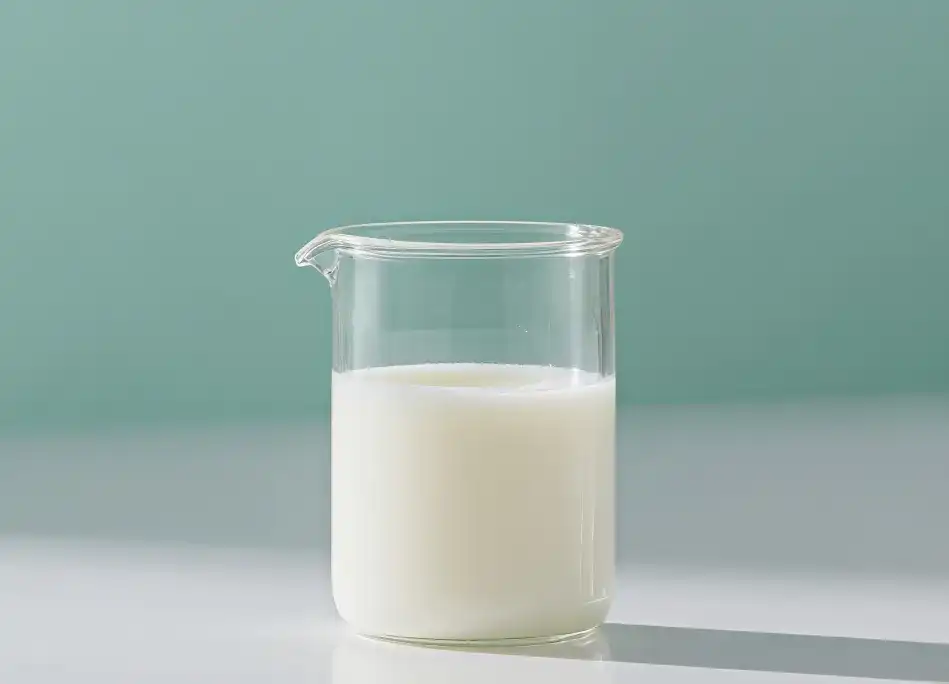
For plants using both a gravity thickener and a belt press on the same polymer make-down system, the molecular weight selection becomes a compromise. A product that works well for thickening alone may underperform in the dewatering stage. In such cases, selecting a mid-range molecular weight (8–9 million) and adjusting dosage at each point is a pragmatic solution, though a dual-polymer approach—using a low molecular weight, high charge product for thickening and a high molecular weight product for dewatering—often yields a lower total operating cost when chemical savings and hauling reductions are both counted.
How to Translate Lab Jar Tests into Production Orders
A supplier’s laboratory evaluation, conducted in a 1,000 mL beaker with a paddle stirrer, does not replicate the shear profile of a full-scale centrifuge or screw press. The polymer that produces the fastest settling rate in a jar test may be the same one that collapses under production shear. We recommend a two-stage evaluation: first, the supplier runs a jar test using the plant’s actual sludge and several polymer candidates, measuring supernatant turbidity and floc size. Second, the plant conducts a short-duration full-scale trial with the best two candidates, running each for at least three sludge cycles to account for variations in feed solids.
Two specifications must be confirmed before placing an order. First, molecular weight as measured by intrinsic viscosity—ask for the test method (usually Brookfield or equivalent) and the acceptable range, not just a minimum. Second, the degree of cationicity verified by colloid titration, with a tolerance band. A supplier that cannot provide these two data points on the certificate of analysis for each batch is not in a position to guarantee consistent dewatering performance from one shipment to the next.
Our production facility supports custom molecular weight and charge density specifications because we control the acrylamide monomer and cationic monomer units directly. When a customer’s sludge characteristics or dewatering equipment require a grade that falls between standard catalog products, we adjust the copolymerization ratios rather than forcing the plant to compromise on performance.
Working with a Supplier Who Controls Molecular Weight at Scale
Long-term dewatering performance depends as much on supply chain consistency as on polymer chemistry. A plant that fine-tunes its dosage around a specific molecular weight specification cannot afford batch-to-batch variability. At Shandong Nuoer, the annual production capacity of 500,000 tons of polyacrylamide, backed by in-house acrylamide and acrylic acid production, allows us to allocate dedicated production runs for customers with stable specifications, ensuring that molecular weight distribution and charge density stay within a tight control range shipment after shipment.
The practical implication for a procurement manager is that a reliable supplier with integrated monomer production can respond faster when a plant’s sludge characteristics change seasonally—for instance, when algae blooms increase the organic load in summer—and can reformulate without sourcing external monomers. If your treatment process involves significant seasonal swings in sludge composition, a supplier that offers rapid reformulation and batch traceability reduces the risk of polymer-related compliance excursions.
Our global sales network in over 60 countries also means that plants operating multiple sites across different regions can standardize on a single cationic polyacrylamide specification, simplifying procurement and commissioning. If your facility is evaluating a new dewatering polymer, sharing your sludge characteristics and equipment specifications with us at en*****@***er.com or +86-532-66712876 allows us to recommend a specific molecular weight and charge density combination, including jar test data, before shipping a trial batch.
Practical Questions on Molecular Weight Selection
What happens if I select a molecular weight that is too high for my centrifuge?
Floc shattering. Oversized flocs cannot withstand the high shear forces inside the bowl, so they break apart into fine particles that either escape with the centrate or blind the screen, reducing cake dryness and increasing polymer consumption. A product in the 7–9 million range generally performs better under centrifugal conditions than one above 10 million.
How do I know if my supplier’s molecular weight specification is reliable?
Request the GPC-derived molecular weight distribution curve for the batch, not just a single number. A reputable supplier will also provide intrinsic viscosity and cationicity data on the certificate of analysis. If these are absent or only nominal, consistency between shipments is not assured.
Can I use the same cationic polyacrylamide for thickening and dewatering?
In many plants, yes, but with a compromise. A molecular weight suitable for thickening (medium to high) may underperform in dewatering under high shear. If your flow diagram has separate thickener and dewatering units, a dual-polymer strategy—two different molecular weight grades—often reduces total chemical cost and improves cake dryness.
Does molecular weight affect polymer make-down and aging?
Higher molecular weight products take slightly longer to fully hydrate, typically 60–90 minutes in a well-designed make-down system. Once in solution, the effective molecular weight can degrade over 24–48 hours due to mechanical shear in transfer pumps. Ordering a product with a slightly higher initial molecular weight can compensate for this aging loss in systems with long solution holding times.
What should I ask a supplier before running a trial?
Three items: the molecular weight specification (with tolerance band), the cationicity (charge density), and the recommended dosage range for your sludge type. Also ask for a reference from a plant treating a similar sludge with similar dewatering equipment. If your program involves centrifuge dewatering of mixed primary-secondary sludge, confirming the molecular weight distribution and batch traceability before finalizing your BOM saves time and reduces chemical waste. Share your sludge characteristics and we will provide a specific recommendation—reach us at en*****@***er.com.
If you’re interested, check out these related articles:
Amphoteric Polyacrylamide: pH Adaptation for Optimal Performance
Amphoteric Polyacrylamide Manufacturers Testing: Quality & Performance
Acrylic Acid in Diaper Core Materials: A Technical Deep Dive
FDA Approved Super Absorbent Polymer Manufacturers: A Global Guide
Acrylamide Monomer Cost vs Purity: Strategic Trade-offs








 English
 Russian
 Arabic
 Spanish