
The difference between a smooth production run and an unpredictable one often comes down to what arrives in the first raw material shipment. For manufacturers synthesizing polyacrylamide and acrylamide-based copolymers at industrial scale, acrylamide crystal quality directly determines polymerization consistency, molecular weight control, and final product performance. Having overseen production lines where monomer quality is the single largest variable affecting batch repeatability, I have found that procurement decisions made on purity percentage alone frequently miss the parameters that actually govern polymerization behavior. This article examines the specifications, supply forms, and verification steps that matter when selecting acrylamide crystal for reliable industrial polymer synthesis.
Acrylamide Crystal Specifications That Determine Polymerization Results
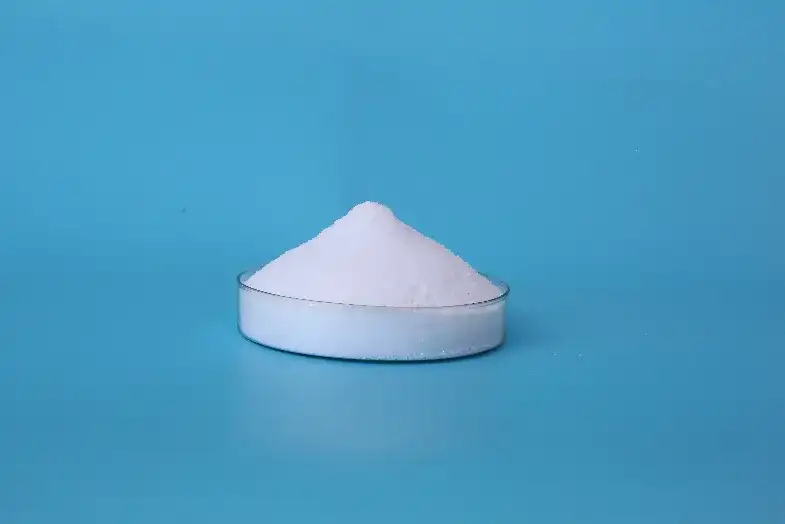
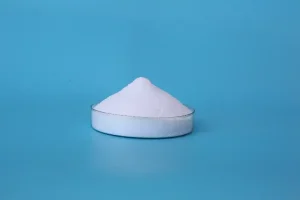
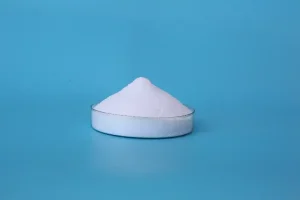
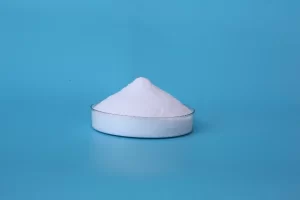
Acrylamide crystal, or AM crystal, serves as the primary monomer for manufacturing polyacrylamide polymers and acrylamide-based copolymers used across water treatment, oil recovery, papermaking, and mineral processing. The product is a white crystalline solid, typically supplied in flake form, with high water solubility that makes it suitable for both batch and continuous polymerization processes. What separates reliable crystal from underperforming material is not a single specification but a combination of parameters working together during the polymerization reaction.
The core specification for standard industrial-grade acrylamide monomer crystal includes purity at or above 98.0 percent, moisture content held below 0.8 percent, and a 10 g/L solution pH between 6.5 and 7.5. These numbers are not arbitrary. Purity below 98 percent introduces unknown impurities that can terminate polymer chains prematurely, reducing molecular weight unpredictably. Moisture above 0.8 percent compromises storage stability and introduces weighing errors when charging reactors by mass. pH outside the 6.5 to 7.5 range indicates ionic contamination that affects initiator efficiency during polymerization. In our production experience, a shipment arriving with pH at 8.2 rather than the specified 7.0 triggered a cascade of initiator adjustments that delayed a full production campaign by two shifts while the engineering team diagnosed the root cause.
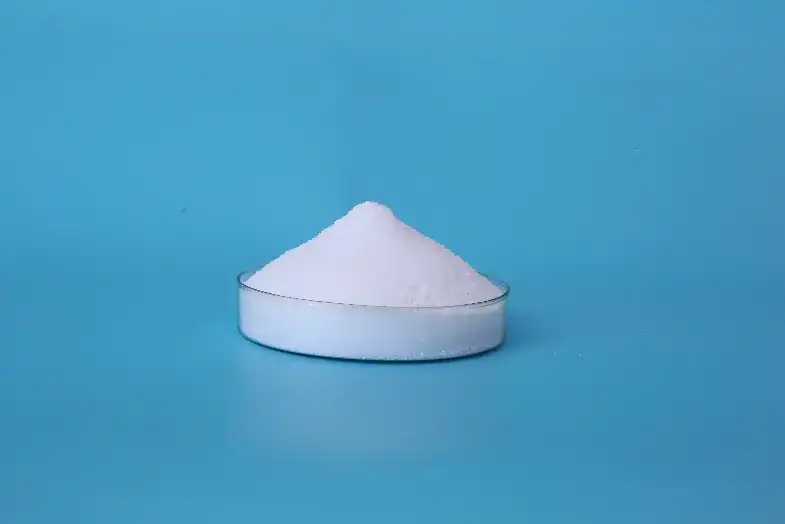
Three additional parameters often overlooked during procurement deserve attention: inhibitor content, typically maintained at 3 to 10 parts per million, conductivity held at or below 20 microsiemens per centimeter, and iron content controlled to 1 part per million or less. The inhibitor prevents premature polymerization during storage and transport. Too little inhibitor risks spontaneous polymerization during shipment, especially in warm conditions. Too much inhibitor, and the polymerization initiation stage requires additional initiator, increasing cost and potentially generating more residual monomer in the final polymer product. The distinction between high purity and technical grade acrylamide monomer often comes down to how tightly these trace parameters are controlled rather than the headline purity number.
Conductivity and iron content serve as practical indicators of ionic impurity load. Elevated conductivity typically signals residual salts from the production process. These salts interfere with ionic comonomers when producing charged polyacrylamide grades, particularly cationic and anionic PAM. Iron contamination, even at single-digit parts per million levels, catalyzes undesirable side reactions that degrade polymer color and reduce the performance of polymers destined for papermaking or potable water treatment applications.
The Quality Parameters That Govern Production Reliability
When production batches run without intervention for months, the quality parameters of incoming acrylamide crystal function as statistical control limits rather than abstract specifications. Three parameters exert the strongest influence on day-to-day production reliability: inhibitor consistency, moisture uniformity within a shipment, and the impurity profile linked to the production technology pathway.
Inhibitor content variability within a single supplier’s lots causes more production disruption than a consistently higher but stable inhibitor level. If one shipment arrives with inhibitor at 4 parts per million and the next at 9 parts per million, the initiator adjustment required between lots introduces a manual step that automated continuous polymerization systems do not handle well. The result is either over-initiation, producing lower molecular weight polymer, or under-initiation, leaving unreacted monomer in the product. Production teams at our facilities have spent more engineering hours adjusting for inhibitor variation than for any other raw material variable.
The production technology used to manufacture acrylamide crystal directly shapes the impurity profile. Microbial technology, which uses biocatalysts to convert acrylonitrile to acrylamide before crystallization, produces a fundamentally cleaner monomer than older copper-catalyzed chemical hydration routes. The microbial pathway avoids metal catalyst residues that would otherwise appear in the final crystal as conductivity and iron contributors. When we evaluate monomer for acrylamide-based polymer synthesis at production scale, we specify microbial-technology AM crystal precisely because the impurity baseline is lower and more predictable, reducing the corrective actions needed during polymerization scale-up.
Moisture uniformity matters for large-scale operations because reactor charges are calculated by mass. If moisture varies by 0.3 percent within a single shipment, a 10-ton charge introduces a 30-kilogram water mass uncertainty. For processes targeting specific monomer concentrations, this uncertainty flows directly into molecular weight distribution. The fix is straightforward but operationally expensive: pre-dry the crystal or accept wider product specification bands.
| Parameter | Standard Range | Impact When Out of Specification |
|---|---|---|
| Purity | ≥ 98.0% | Chain-terminating impurities reduce molecular weight unpredictably |
| Moisture | ≤ 0.8% | Reactor charge calculation errors; reduced storage life |
| pH (10 g/L) | 6.5–7.5 | Ionic contamination disrupts initiator efficiency |
| Inhibitor | 3–10 ×10⁻⁶ | Lot-to-lot variation forces manual initiator adjustments |
| Conductivity | ≤ 20 μS/cm | Salt residues interfere with ionic copolymerization |
| Iron | ≤ 1 ×10⁻⁶ | Catalyzes side reactions, degrading color and application performance |
If your polymerization process targets high molecular weight polyacrylamide for oil recovery or papermaking, and your current monomer supply shows inhibitor swings exceeding 3 parts per million between lots, the production cost of managing those adjustments likely exceeds the premium for a more tightly controlled crystal supply. We have benchmarked this trade-off across multiple production campaigns, and the numbers consistently favor specification stability over invoice price. Reach out at en*****@***er.com to discuss your current inhibitor consistency data against our production records.
How Crystal Supply Forms Affect Operational Costs and Workflow
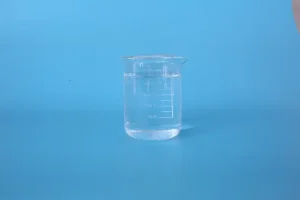
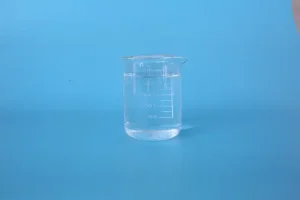
Acrylamide monomer reaches polymer manufacturers in two primary forms: dry crystal and aqueous solution. Each supply form creates a distinct operational footprint that shapes receiving procedures, storage infrastructure, handling protocols, and the polymerization process itself. The comparison between crystal and solution is a daily operational reality that influences plant layout and production scheduling.
AM crystal offers the highest active content per shipped ton. At 98 percent purity, essentially the entire shipment mass is available monomer. This concentration efficiency reduces freight cost per active kilogram and simplifies inventory management. Crystal stores for 12 to 24 months when kept cool and protected from light, giving procurement teams substantial flexibility to build strategic inventory positions or manage seasonal demand cycles.
The trade-off is handling complexity. Crystal must be dissolved before polymerization, which adds a process step with its own quality control requirements. Dissolution water quality affects the final monomer solution, and dissolution time varies with crystal particle size, water temperature, and agitation intensity. For operations already running acrylamide aqueous solution supply chains, switching to crystal requires dissolution equipment, heating capability for cold-weather operations, and training on safe handling procedures for solid acrylamide.
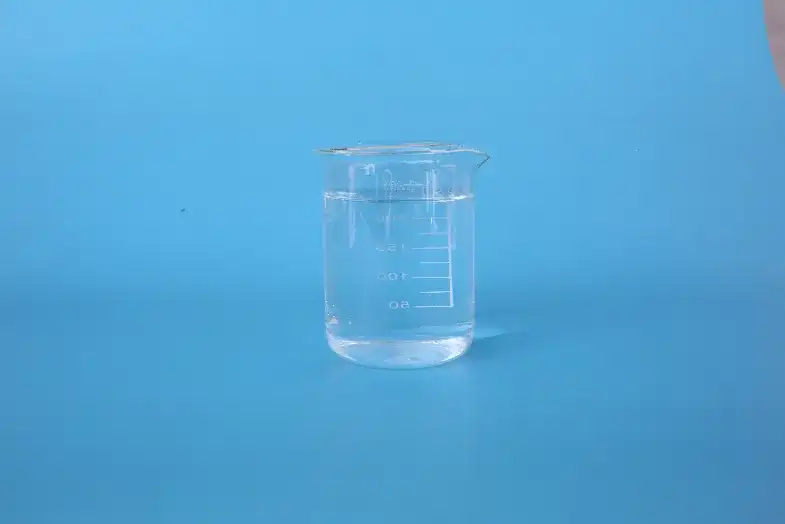
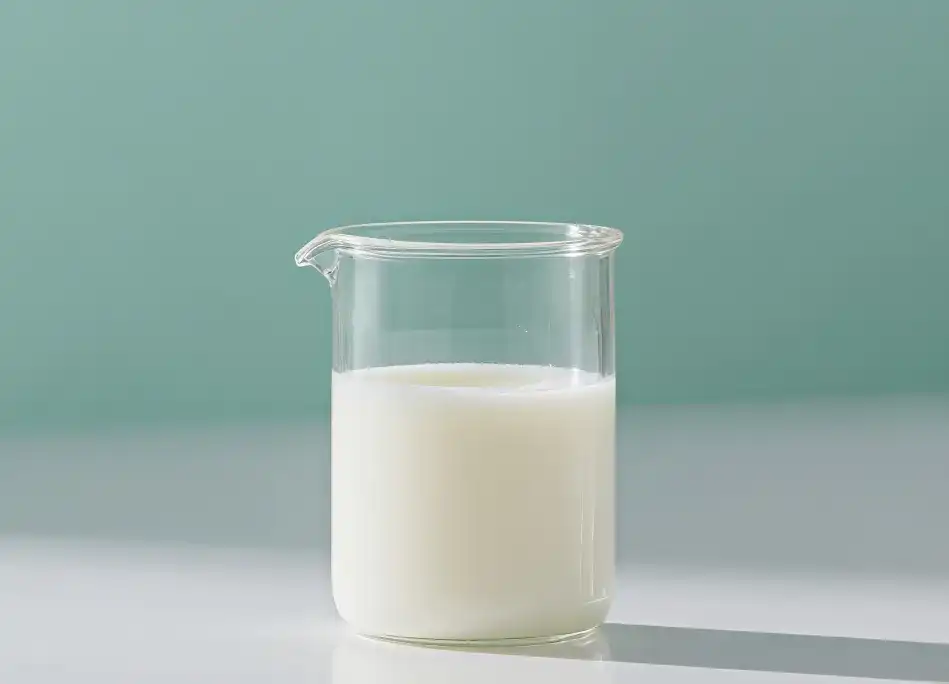
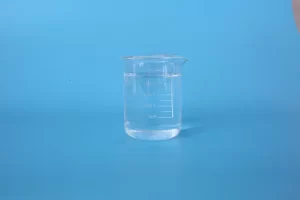
Aqueous solution, typically supplied at 25 to 50 percent concentration, eliminates the dissolution step entirely. The monomer arrives ready for direct reactor charging, which simplifies operations for high-throughput continuous polymerization lines. The operational penalty is transport efficiency: shipping water means paying freight on 50 to 75 percent non-monomer mass. Solution also has a shorter shelf life and requires temperature-controlled storage to prevent premature polymerization. For polymer plants located far from monomer supply points, crystal’s logistics advantage often outweighs the dissolution burden. The optimal solution concentration for industrial efficiency depends on how these transport and storage trade-offs balance against your specific production setup.
Three Operating Scenarios Where Crystal Outperforms Solution
The decision between crystal and solution is not a purity question; both forms can supply equivalent monomer quality when produced by the same manufacturer using the same technology pathway. The choice turns on operations scale, logistics geography, polymerization process type, and the manufacturer’s tolerance for process complexity in exchange for supply chain resilience.
Crystal demonstrates clear advantages in three operating scenarios. First, for batch polymerization operations producing multiple polymer grades, crystal offers formulation flexibility. The operator dissolves exactly the mass needed for a specific batch recipe without managing solution inventory across multiple concentrations. Second, for plants in regions with high ambient temperatures or long logistics transit times, crystal’s storage stability provides a safety margin that solution cannot match. A container of crystal can sit in a port warehouse for weeks without degradation, whereas solution requires active temperature management under the same conditions. Third, for manufacturers exporting polymer products to markets where local monomer supply is unreliable, maintaining a crystal inventory decouples production from the monomer supply chain’s delivery schedule.
Solution gains the advantage in dedicated continuous polymerization lines producing a single polymer grade at high volume. When the process never changes and throughput is the primary performance metric, eliminating the dissolution step reduces capital equipment count, operator touchpoints, and the potential for dissolution-related batch variation. The freight cost penalty of shipping water is absorbed by the operational simplicity gain. But this advantage narrows when production includes multiple polymer types requiring different monomer concentrations; at that point, crystal’s formulation flexibility reasserts itself.
For research and development applications, crystal provides a practical benefit that solution does not: the ability to prepare small, precise monomer charges without the wastage that occurs when opening a solution container for a single small-scale polymerization trial. Research labs developing new copolymer formulations consistently prefer crystal for this reason, and manufacturers running pilot-scale batches before committing to full production campaigns apply the same logic.
What to Verify Before Selecting an Acrylamide Crystal Supplier
A certificate of analysis confirms that one batch met specifications. It does not confirm that the next fifty batches will. Procurement evaluation should distinguish between single-batch quality, which is relatively easy to demonstrate, and production system quality, which determines long-term supply reliability.
Start with the production technology pathway. Suppliers using microbial technology for acrylonitrile conversion produce crystal with consistently lower ionic impurities than those using older catalytic processes. Request a production process description, not just a product specification sheet. Manufacturers willing to explain their production technology are typically those investing in it. Those who deflect the question are usually operating legacy capacity with wider impurity variability.
Request batch-to-batch consistency data covering at least the last twelve months of production. The four parameters most sensitive to process stability are inhibitor content, conductivity, pH, and iron. If these four parameters show a coefficient of variation below 15 percent across a year of production, the supplier’s process control is competent. If any parameter shows swings exceeding 30 percent between batches, expect to spend engineering time adjusting your polymerization recipe to compensate for monomer variability.
Logistics infrastructure matters as much as production quality. Confirm packaging specifications, minimum order quantities, and lead times under both normal and peak demand conditions. Crystal is hygroscopic; packaging must provide an effective moisture barrier that survives international shipping and port handling. Damaged packaging that admits moisture during transit produces clumped, partially hydrolyzed material that will not dissolve uniformly and may carry elevated acrylic acid content. A supplier’s packaging specification carries equal weight to its purity specification in our supplier qualification process.
Finally, verify the supplier’s inhibitor management protocol. The inhibitor type and concentration affect storage life under your specific climate conditions. A crystal stabilized for cool-temperature storage in northern China may behave differently when shipped to a polymer plant in Southeast Asia. Ask whether the supplier adjusts inhibitor formulation for destination climate and transit duration. The answer reveals whether they treat acrylamide crystal as a catalog commodity or as a technically managed industrial intermediate.
Matching Crystal Specifications to Production Requirements
Polymer synthesis at industrial scale rewards consistency, and consistency starts with monomer quality that holds steady not just on one certificate of analysis but across years of production history. When parameters like iron content, inhibitor range, and conductivity are tightly controlled, polymerization proceeds predictably, molecular weight targets are met reliably, and the engineering team spends its time refining production rather than compensating for raw material variability.
If your operation is evaluating acrylamide monomer suppliers or benchmarking specifications against your current monomer performance, we can provide detailed batch consistency data, production technology documentation, and specification comparison support. Send your target parameters and annual volume requirements to en*****@***er.com or call +86-532-66712876 to discuss how our AM crystal production aligns with your polymerization process requirements.
Common Questions About Acrylamide Crystal Procurement
Why does acrylamide crystal purity above 98 percent matter if the remaining fraction is mostly water?
Water is rarely the only component in the sub-2-percent fraction. The balance typically includes residual acrylonitrile, acrylic acid from partial hydrolysis, and trace metal ions from production equipment. At the parts-per-million level, metal ions act as chain transfer agents during polymerization, limiting achievable molecular weight. A purity specification of 98 percent minimum keeps these active impurities below thresholds where they measurably affect polymer properties.
How should acrylamide crystal be stored to maintain specification quality over an extended period?
Store in a cool, dry environment away from direct light and heat sources. The original packaging with its moisture barrier should remain sealed until the material is needed for dissolution. Once opened, reseal partially used containers promptly because crystal absorbs atmospheric moisture rapidly, and absorbed moisture can initiate surface hydrolysis that raises acrylic acid content. Under proper storage at or below 25 degrees Celsius with humidity control, crystal maintains specification quality for 12 to 24 months.
What practical difference does the production technology pathway make for procurement decisions?
In production environments we have benchmarked, microbial-route acrylamide crystal from suppliers using enzymatic biocatalysts consistently delivers lower conductivity and iron readings compared to material from copper-catalyzed chemical hydration routes. The metal catalyst residues from older processes appear as elevated conductivity and iron, which interfere with ionic copolymerization and reduce polymer performance in applications where color and purity matter, such as papermaking and potable water treatment. The technology pathway shapes the impurity baseline that your polymerization process must accommodate.
Can acrylamide crystal and aqueous solution produce equivalent polymer quality from the same reactor system?
They can produce equivalent polymer, but they are not drop-in replacements. Crystal requires a validated dissolution step with quality-controlled water before it becomes reactor-ready monomer. If your process was designed for solution supply, switching to crystal means adding dissolution infrastructure and operator training. The reverse switch eliminates the dissolution step but shifts your supply chain cost structure because you pay freight on 50 to 75 percent water. Both forms work, but the operational envelope changes.
Does spending more per ton on acrylamide crystal improve polymerization economics?
Not automatically. The relevant metric is delivered monomer quality per unit cost, not the invoice price per ton. A crystal priced higher that delivers batch-to-batch inhibitor consistency within a 3 parts per million range may reduce total production cost by eliminating rework batches, reducing initiator consumption, and maintaining tighter molecular weight specifications. The evaluation framework should compare total cost of quality, including the cost of production interventions caused by monomer variability, rather than comparing crystal prices in isolation. Share your target specifications and volume requirements at en*****@***er.com for a specification-matched quotation with supporting batch consistency data.
If you’re interested, check out these related articles:
Acrylamide Crystal Manufacturer: Ensuring Purity and Global Supply
Amphoteric Polyacrylamide: Optimizing Petrochemical Processes
Nuoer Group donated 300,000 RMB to Rongzhuang Village to support hometown development.
High Purity Acrylamide Monomer vs Technical Grade Distinction
Optimizing Acrylamide Solution Concentration for Industrial Performance


 English
 Russian
 Arabic
 Spanish