
Selecting acrylamide crystal purity is far more than a specification checkbox. It directly governs polymerization reproducibility, final molecular weight distribution, inhibitor management costs, and the long-term reliability of your supply chain. Over fifteen years in polyacrylamide production and international market development, I have seen the same recurring pattern: a procurement decision that saved a few percentage points on monomer cost only to create months of batch inconsistencies and wasted reactor time. The difference between ultra-high purity and technical grade acrylamide crystal is not just the assay number on a certificate of analysis. It runs through the impurity profile, inhibitor behavior, moisture content, and even the storage conditions that determine whether a production line runs predictably or veers into troubleshooting mode. This article maps out those differences in detail, connecting specifications to real plant-floor outcomes and the economics that procurement teams and process engineers weigh daily.
Key Differences Between Acrylamide Crystal Purity Grades
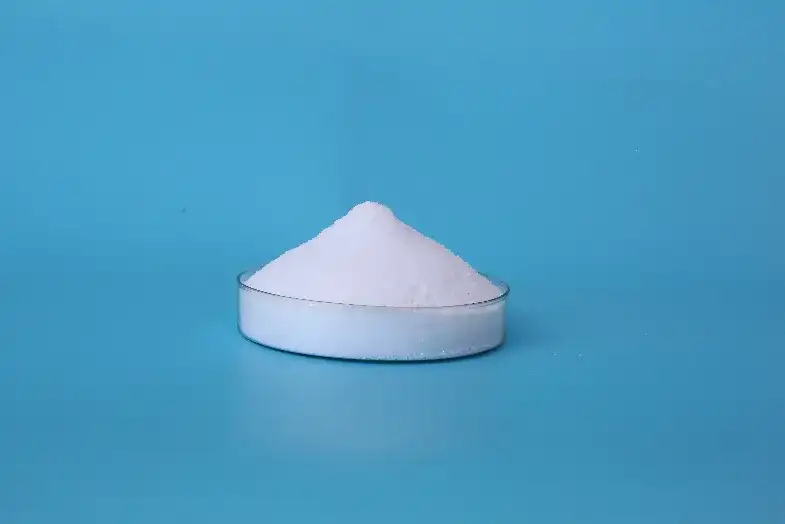
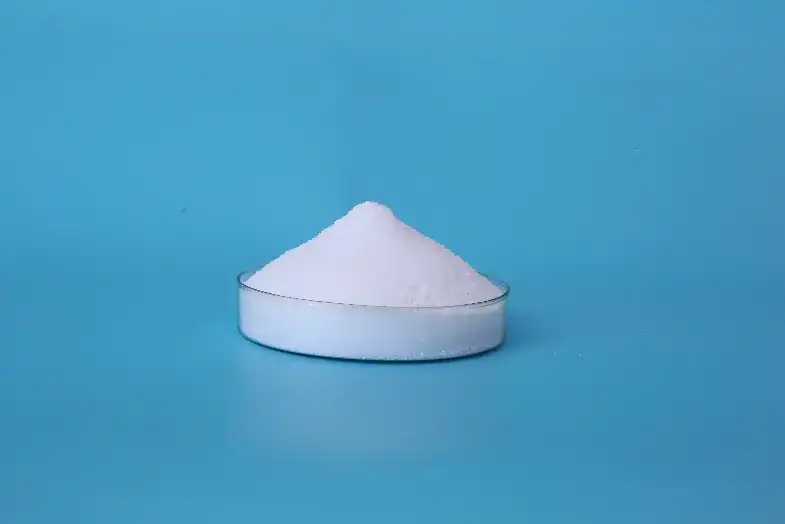
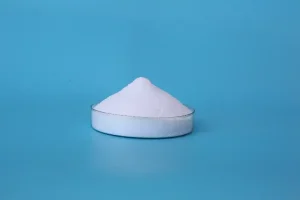
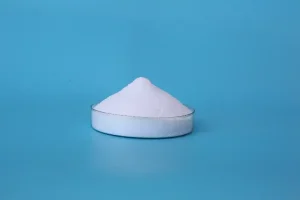
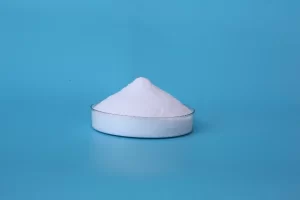
Acrylamide crystal is a white crystalline monomer used as the backbone for polyacrylamide and copolymer synthesis across water treatment, oil recovery, papermaking, and mineral processing. The purity conversation centers on two brackets. Ultra-high purity material, such as the AM Crystal produced by Shandong Nuoer, delivers an assay of ≥98.0% with tightly controlled moisture (≤0.8%), low conductivity (≤20 μS/cm), and minimal iron content (≤1 ppm). Technical grade material, by contrast, typically assays in the 95–96% range, carries higher moisture, elevated inhibitor levels, and a broader conductivity envelope. While both grades can polymerize acrylamide into useful polymer chains, the trace constituents in the lower-purity grade introduce variables that compound across large-scale production: unpredictable initiation kinetics, undesirable branching, and residual monomer levels that fail tightening environmental regulations.
| Parameter | Ultra-High Purity (e.g., Nuoer AM Crystal) | Technical Grade |
|---|---|---|
| Purity (wt%) | ≥98.0% | 95–96% |
| Moisture | ≤0.8% | 1.5–2.0% |
| Inhibitor | 3–10 ppm | 10–30 ppm |
| Iron | ≤1 ppm | 5–10 ppm |
| Conductivity | ≤20 μS/cm | 40–60 μS/cm |
| Typical Use | High-end polymer synthesis, R&D | General industrial, cost-sensitive |
The impurity gap is not academic. Metal ions, particularly iron and copper that arrive with technical grade monomer, function as chain transfer agents. They intercept growing polymer radicals, cap chain extension, and lower the average molecular weight in ways that are difficult to compensate for with initiator adjustments. A reactor team can add more initiator to chase a target viscosity, but that raises exotherm and increases the risk of insoluble gel formation. The path of least operational risk is starting with a monomer that has the fewest unknown inhibitors already dissolved in it.
How Impurity Profiles Affect Polymerization Outcomes
The most consequential difference between ultra-high purity and technical grade acrylamide crystal shows up in polymerization kinetics. Every metal ion in the monomer feed becomes a potential radical trap. Iron at concentrations above even 2–3 ppm begins to measurably suppress chain length in free-radical polymerization, and the effect is nonlinear. A batch with 5 ppm iron may produce polymer with a molecular weight 15–20% lower than the same recipe run with less than 1 ppm iron, all other conditions held constant. For high-molecular-weight anionic polyacrylamide destined for enhanced oil recovery or mining thickeners, that shortfall means lower flocculating activity and the need to raise dosage at the application site, shifting the total cost of use onto the customer.
Beyond molecular weight, impurities influence the polymerization exotherm profile. A monomer with inconsistent inhibitor content, which is common in technical grade material where inhibitor levels can swing from 10 ppm to 30 ppm across different production lots, forces the reactor operator to adjust initiator concentration per batch. This variability consumes analytical lab time, slows production throughput, and generates off-spec material that must be reprocessed or sold at a discount. In contrast, ultra-high purity acrylamide crystal with inhibitor controlled to a narrow window of 3–10 ppm enables standardized polymerization recipes that deliver repeatable viscosity and solubility from lot to lot.
When Technical Grade Acrylamide Crystal Delivers Acceptable Performance
There are applications where technical grade acrylamide crystal is the economically rational choice. Low-molecular-weight polyacrylamide products used in paper retention systems or textile sizing often retain adequate performance even when the monomer feedstock carries moderate impurity levels. If the downstream polymer does not face strict residual monomer regulations, and the end customer does not penalize minor viscosity variations, then the cost saving from technical grade monomer can flow to the bottom line. In our own capacity planning exercises, we have seen technical grade work well for nonionic polyacrylamide production where the reaction is less sensitive to metal ion interference and the target molecular weight range is moderate.
The risk arises when technical grade material is used in processes that demand high purity, such as cationic polyacrylamide flocculants for municipal sludge dewatering or amphoteric polymers for refinery wastewater. These applications require consistent charge density and solubility. When inhibitor levels drift upward, the polymerization slows, and the resulting polymer often carries higher water-insoluble content and lower effective charge. The short-term monomer cost savings are quickly erased by the long-term cost of customer complaints, repeat shipments, and lost trust. The rule of thumb I share with production managers is this: if the polymer specification sheet contains a molecular weight target above 15 million or a charge density tolerance tighter than ±5%, start with ultra-high purity monomer. The downstream economics will vindicate the choice.
If your process regularly pushes molecular weight limits or your polymer must meet a tight viscosity specification across every delivery batch, confirming the monomer impurity ceiling before finalizing your purchase order is worth the extra step. Reach out at en*****@***er.com with your target specification and annual volume, and our technical team can match the grade to your reactor conditions.
Storage and Handling Considerations by Purity Level
Acrylamide crystal is hygroscopic and thermally sensitive. Ultra-high purity material, with its lower moisture content, maintains flowability and resists clumping better than technical grade during extended warehouse storage. In our experience, properly sealed ultra-high purity crystal stored below 25°C retains full polymerization activity for over 18 months. Technical grade material, with its higher initial moisture and often less rigorous packaging, can develop caking and inhibitor migration within 12 months, especially in humid coastal environments. This difference directly affects inventory management. Plants that run continuous polymerization lines with just-in-time monomer delivery can tolerate shorter shelf life. Plants that hold strategic buffer stocks for remote sites or seasonal logistics need the longer shelf life that ultra-high purity material provides.
Inhibitor concentration also interacts with storage duration. The inhibitor, typically a copper salt or MEHQ, is added to prevent spontaneous polymerization during transit and storage. Ultra-high purity acrylamide crystal is formulated with the minimum effective inhibitor level, which reduces the initiator demand at the reactor and lowers the residual color of the final polymer. Technical grade often carries a higher inhibitor load, partly to compensate for the higher metal content that can itself accelerate degradation. Over time, that extra inhibitor can itself oxidize and contribute to product discoloration. For polymer producers who serve food-grade or personal-care supply chains where polymer color and purity are audited, the cleaner inhibitor profile of ultra-high purity monomer closes a compliance gap that technical grade leaves open.
Sourcing Acrylamide Crystal at Scale
Securing a reliable supply of acrylamide crystal at industrial volumes is different from ordering laboratory reagent. Shandong Nuoer produces 300,000 tons of acrylamide annually, supported by an integrated acrylic acid and acrylamide production chain that runs on advanced microbial technology. This vertical integration means the inhibitor package, purity level, and moisture content can be fixed at the point of synthesis rather than adjusted through post-treatment blending. For polymer plants that consume hundreds of tons per month, consistency across shipments is non-negotiable. A one-batch deviation in monomer quality can produce weeks of off-spec polymer that must be quarantined or blended down.
An often-overlooked element in grade selection is the relationship between monomer purity and the polymerization method. Solution polymerization, which is typical for cationic and amphoteric polyacrylamide, is more forgiving of minor impurities because the reaction medium is aqueous and temperature control is easier. Inverse emulsion polymerization, however, operates in a non-aqueous medium with surfactant-stabilized droplets, and trace ionic impurities can destabilize the emulsion or produce polymer with inconsistent particle size distribution. In those cases, the ultra-high purity monomer is not an upgrade. It is a prerequisite for stable production. Discussing your polymerization platform with the monomer supplier early in the qualification process avoids the expensive discovery that your chosen monomer grade is incompatible with your reactor technology. If your production involves emulsion-based systems or your polymer particle size distribution is a quality gate, it is worth confirming the monomer purity specification before scaling.
Common Questions on Acrylamide Crystal Purity Selection
Why doesn’t my polymer meet molecular weight targets even when the monomer assay is 96%?
Assay alone does not tell the whole story. The 4% of non-acrylamide content includes moisture, acrylonitrile residues, acrylic acid, and metal ions. Among these, iron is the most common molecular weight suppressor. Even if the assay seems acceptable, iron above 3 ppm can cap polymer chains prematurely. Switching to a monomer with certified low iron content and tight inhibitor control resolves this problem predictably.
I am producing nonionic PAM for papermaking. Is ultra-high purity overkill?
Probably not overkill, but it may exceed your actual requirement. In papermaking, the key metric is often retention efficiency rather than absolute molecular weight. Technical grade monomer can perform adequately if your reaction conditions are stable and your customer specifications allow some viscosity variation. The best approach is to run a side-by-side polymerization trial using both grades and measure the resulting polymer performance in your handsheet testing. That empirical data, not the monomer certificate, should drive the decision.
How does the inhibitor in the crystal affect my polymerization recipe?
The inhibitor is designed to be consumed by additional initiator during polymerization. If your initiator dosage is calibrated for an inhibitor level of 5 ppm, a batch with 20 ppm inhibitor will leave radicals unreacted at the end of the induction period, delaying polymerization onset. This delay can mislead temperature control systems into thinking the reaction has failed, triggering a safety interlock or a manual override. Standardizing on a narrow inhibitor window (3–10 ppm, as in our ultra-high purity AM Crystal) allows a single optimized initiator recipe across all batches.
Can I reduce the inhibitor level in technical grade monomer through recrystallization?
Recrystallization can lower inhibitor concentration and remove some metal ions, but it adds a processing step, increases monomer loss, and creates a waste stream that requires disposal. For research quantities, recrystallization is common. For industrial-scale production, the economics of recrystallizing tens of tons of monomer per month are rarely favorable compared with purchasing the correct purity from the start. If your process requires ultra-low inhibitor, specify that at the supply level.
How does storage climate affect the choice between grades?
In high-humidity environments, technical grade monomer with higher initial moisture absorbs additional water more rapidly, accelerating caking and reducing free-flowing properties. If your storage facility lacks climate control, the shelf-life advantage of ultra-high purity crystal becomes operationally significant. For plants in Southeast Asia or coastal regions, we routinely recommend ultra-high purity just to maintain handling characteristics and consistent weighing accuracy across seasons. If you are operating a facility where monsoon-season humidity exceeds 85%, the monomer grade decision should factor in storage conditions. Share your site location and storage setup at en*****@***er.com, and we can confirm the best packaging and inhibitor configuration.
If you’re interested, check out these related articles:
Acrylic Acid Purity Grades: Selecting Optimal Performance
The “Nuoer Biology Scholarship” Donation Ceremony at China University of Petroleum was held in Qingdao.
Good News丨Nuoer Wins Two Provincial Honors
AI Empowerment: Bridging Strategy and Implementation at Nuoer


 English
 Russian
 Arabic
 Spanish