
Acrylic acid purity determines the quality and consistency of water treatment polymers like polyacrylamide. In my fifteen years managing polymer production at large-scale chemical operations, I have seen that sourcing acrylic acid from an integrated manufacturer that also produces the downstream polymers significantly reduces production risk. The reason is simple: integrated supply chains maintain tight control over raw material consistency, which translates directly to predictable polymerization yields and reliable flocculant performance for industrial water treatment applications. This article covers the key quality parameters and sourcing considerations that procurement teams should evaluate when selecting acrylic acid for polymer manufacturing.
The Role of Acrylic Acid in Water Treatment Polymer Manufacturing
Acrylic acid is a primary monomer used to produce polyacrylamide (PAM) and superabsorbent polymers (SAP), the two largest categories of water-soluble polymers applied in water treatment. In the production of anionic and cationic PAM flocculants, acrylic acid provides the carboxyl groups that enable charge-based particle bridging. At our production facilities, we supply acrylic acid with consistent polymerization behavior to customers manufacturing flocculants for municipal wastewater, industrial process water, and sludge dewatering. 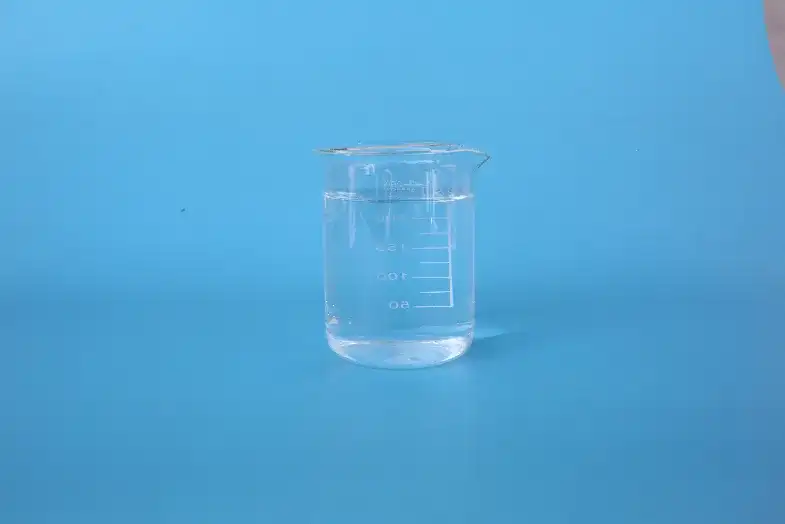 The reactivity of acrylic acid depends on its purity, which directly influences the molecular weight and ionic character of the final polymer. A manufacturer that integrates acrylic acid production with downstream polymerization can maintain tighter specification windows, reducing the need for formulation adjustments on the production floor.
Acrylic Acid Quality Specifications and Their Impact on Polymer Production
The quality of acrylic acid is defined by several parameters, each with direct consequences for polymer synthesis. The table below outlines the key specifications that determine polymerization performance.
| Parameter | Typical Requirement for Polymer Grade | Impact if Out of Specification |
|---|---|---|
| Purity (GC) | ≥99.5% | Lower yield, side reactions, inferior molecular weight |
| Water Content | ≤0.1 wt% | Polymerization rate variation, inconsistent crosslinking |
| Inhibitor (MEHQ) | 200±20 ppm | Inhibitor imbalance delays initiation or causes runaway reactions |
| Color (APHA) | ≤10 | Indicates oxidation byproducts that interfere with polymer clarity |
| Acrylic Acid Dimer | ≤0.5% | May lead to gel formation and reduced solubility |
| Acetaldehyde | ≤50 ppm | Chain transfer agent causing low molecular weight |
Inhibitor level control is critical. MEHQ prevents premature polymerization during storage but must be carefully balanced to not hinder the desired polymerization later.  At our integrated facilities, we monitor inhibitor levels throughout the acrylic acid production and storage chain, ensuring each shipment arrives within a narrow specification band. This consistency prevents the need for on-site inhibitor adjustment, which can introduce variability into the polymer manufacturing process. Impurities such as acetaldehyde act as chain transfer agents, capping polymer chain growth and reducing the molecular weight of the finished PAM. For water treatment applications, lower molecular weight directly diminishes flocculation efficiency, requiring higher dosages to achieve the same treatment outcome.
Evaluating Acrylic Acid Suppliers: Integrated Production Advantage
Sourcing acrylic acid from a manufacturer that also produces the downstream polymers offers distinct advantages over purchasing from a standalone chemical supplier. Integrated production means the acrylic acid is manufactured with knowledge of how it will behave in subsequent polymerization reactions, because the same technical team oversees both steps.  In my experience, integrated facilities adjust inhibitor levels, monitor trace impurities, and manage logistics to match the specific requirements of PAM and SAP production lines. When evaluating suppliers, procurement teams should examine: consistency of certificate of analysis (CoA) data over multiple lots, inhibitor management protocols, production capacity that can support growth, and the supplier’s investment in quality assurance labs. If your polymer production spans multiple product lines requiring varying charge densities, the stability of the acrylic acid input becomes a make-or-break factor. Before committing to a supply agreement, confirm that the supplier’s inhibitor adjustment process and batch release testing are documented and shared. Reach out at en*****@***er.com to discuss how we approach specification control.
Sourcing Acrylic Acid: Cost, Consistency, and Supply Chain Strategy
Acrylic acid pricing is influenced by upstream propylene costs, production capacity utilization, and regional logistics. For polymer manufacturers, the more significant cost factor is consistency: a batch of off-spec acrylic acid can cause a production line shutdown, waste raw materials, and delay customer orders.  At Shandong Nuoer Biological Technology, we maintain a dedicated acrylic acid production line with annual capacity of 100,000 tons, ensuring that large-volume orders are fulfilled without spot-market price volatility. Integrated suppliers can offer volume-linked pricing that smooths the cost curve, and their ability to forecast demand from downstream polymer operations adds supply chain stability. For long-term contracts, this scale translates to predictable delivery and consistent quality, which procurement managers can factor into total cost of ownership calculations.
Planning Your Acrylic Acid Supply for Long-Term Polymer Production
Polymer production interruptions often trace back to raw material inconsistency. When acrylic acid purity, inhibitor levels, or delivery timing deviate, the entire polymerization process is disrupted, costing time and reducing customer confidence in your product. 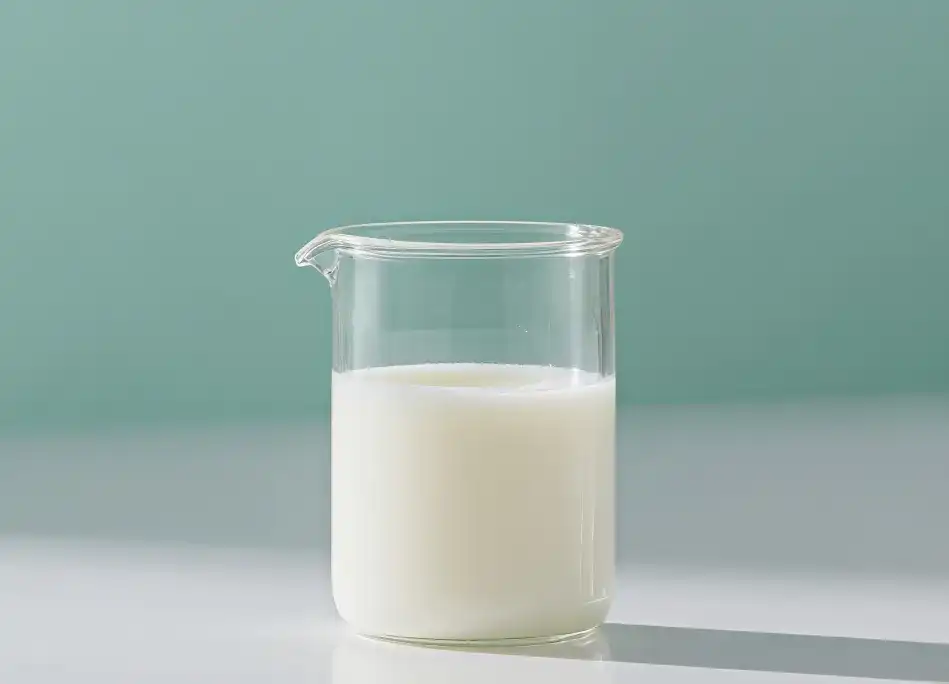 Sourcing from an integrated acrylic acid and polyacrylamide producer helps eliminate this variable. We invite you to share your technical specifications, monthly volume requirements, and target polymer quality parameters with our team at en*****@***er.com or call +86-532-66712876. We will provide a detailed CoA example and discuss a supply program designed to match your production schedule and quality standards. A reliable acrylic acid supply chain is not just a purchase order; it is the foundation of your polymer manufacturing consistency.
Common Questions About Acrylic Acid for Water Treatment Polymers
What purity of acrylic acid is recommended for polyacrylamide production?
A minimum purity of 99.5% by GC is standard for polymer-grade acrylic acid. Purity below this threshold introduces side reactions that decrease molecular weight and broadens the molecular weight distribution. For high-performance cationic flocculants and ultra-high molecular weight anionic PAM used in water treatment, even a half-percent drop in purity can shift the ionic balance, forcing reformulation. Integrated producers can supply consistent purity because they control the entire manufacturing chain from propylene oxidation to finished monomer.
How does glacial acrylic acid differ from technical grade for water treatment polymers?
Glacial acrylic acid specifications typically require purity above 99.5%, lower water content, and tighter inhibitor control compared to general technical grade. The terms are sometimes used interchangeably by suppliers, but the practical difference for polymer plants lies in the inhibitor level and dimer content. In my experience, a supplier that labels material as “glacial” should provide a CoA with water under 0.1% and dimer under 0.5%. If the grade is designated for polymer synthesis, these parameters are more relevant than the label itself. Request batch-level data regardless of the grade name.
Can integrated production reduce the risk of supply chain disruptions?
Yes. Integrated facilities that produce acrylic acid alongside polyacrylamide or SAP maintain internal demand visibility, which helps stabilize raw material inventories and reduces exposure to open-market volatility. When external acrylic acid supply tightens, integrated producers prioritize their own downstream operations first, and contract customers benefit from that continuity. This vertical integration also shortens communication loops when specification adjustments are needed, because the acrylic acid team and the polymer team operate under the same quality management system.
What factors should I prioritize when selecting an acrylic acid supplier for large-scale polymer production?
Prioritize supplier consistency, capacity scale, and technical support over price alone. A supplier should provide a multi-lot CoA history demonstrating narrow specification bands, not just single sample compliance. Annual acrylic acid capacity of at least 50,000 tons signals the ability to support large-volume polymer operations without frequent lot changes. Technical support matters when your polymerization process encounters raw material sensitivity. Ask whether the supplier can adjust inhibitor levels or packaging to match your specific process. A few cents per kilogram saved on price can disappear with a single batch failure caused by raw material drift.
How does acrylic acid quality affect the final polymer’s flocculation performance?
Flocculation performance depends on polymer molecular weight, charge density, and solubility, all influenced by acrylic acid quality. Trace acetaldehyde acts as a chain transfer agent, limiting molecular weight growth during polymerization and weakening the polymer’s ability to bridge suspended particles. Water content above 0.1% disrupts initiator efficiency, leading to incomplete conversion and residual monomer that may require additional purification. Dimer content causes branching that reduces solubility and alters the solution viscosity profile. When flocculant performance declines unexpectedly, the first place I check is the acrylic acid CoA from the lot used. Share your requirements with us at en*****@***er.com and we will confirm documentation availability for every shipment.
If you’re interested, check out these related articles:
Nuoer Group donates sanitary pads to Rongzhuang Village.
Non Ionic PAM: Advancing Paper Retention System Performance


 English
 Russian
 Arabic
 Spanish