
Certified acrylic acid manufacturers deliver more than paper credentials—they provide verifiable batch-level consistency that keeps polymer production lines running without interruption. In over fifteen years overseeing global chemical supply chains, I have learned that a certificate alone guarantees nothing if it is not backed by real production data and a willingness to open the factory floor to scrutiny. This guide outlines the certifications that matter, the verification steps that separate committed producers from marketing claims, and the practical red flags procurement teams should check before signing a supply agreement.
How Quality Certification Affects Your Acrylic Acid Supply Chain
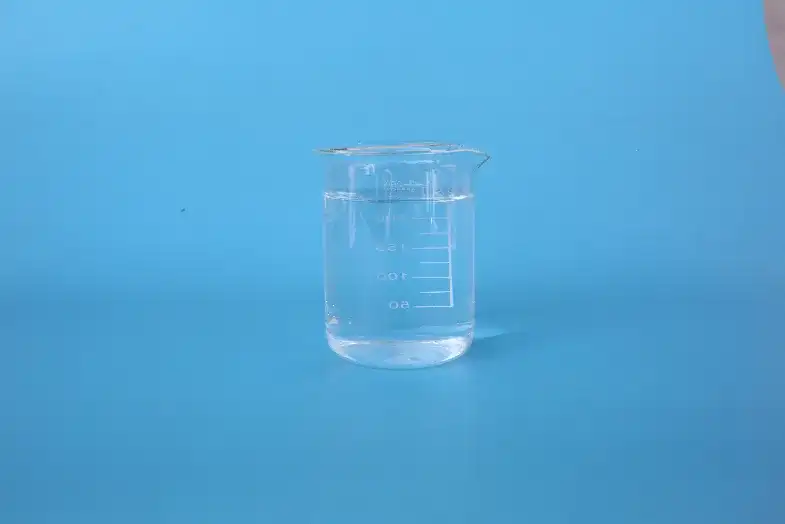
Acrylic acid is a building block for superabsorbent polymers, water treatment polymers, and coatings. Impurities as small as a few parts per million can disrupt polymerization kinetics, alter molecular weight distribution, and produce off-spec final product. A manufacturer that operates without a recognized quality management system rarely maintains the batch-to-batch purity required for industrial-scale production. In polymer manufacturing, we have seen single batches of technical-grade acrylic acid with unexpected inhibitor levels halt a continuous polymerization line for hours while adjustments were made. That is an entirely avoidable cost when sourcing from certified suppliers. Quality certification frameworks such as ISO 9001 impose process controls that catch these deviations before shipment, translating into predictable monomer quality and reduced production risk.
How to Identify the Certifications and Standards That Matter
The certifications a manufacturer holds reveal how seriously they take process control and regulatory compliance. The following table summarizes the most commonly referenced standards and what they mean for acrylic acid buyers.
| Certification | Scope | Relevance for Acrylic Acid Buyers | Verification Method |
|---|---|---|---|
| ISO 9001 | Quality management systems | Ensures consistent processes, raw material control, and batch traceability | Confirm certificate number with issuing body |
| ISO 14001 | Environmental management | Indicates responsible waste handling and emission controls | Verify accreditation scope covers chemical production |
| REACH | EU chemical safety regulation | Required for sales into the European market; demonstrates chemical safety assessment | Check registration number in ECHA database |
| GMP | Good manufacturing practice | Applicable for acrylic acid used in pharmaceutical or personal care intermediates | Request GMP certificate and audit report |
| Kosher/Halal | Religious dietary compliance | Required for derivatives used in food-contact or personal care products | Verify certification body and validity period |
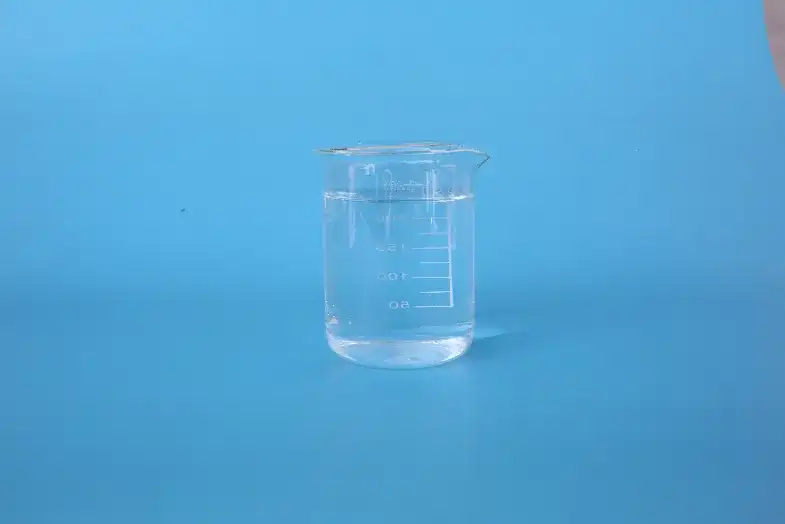
Beyond these formal certifications, buyers should assess whether a manufacturer maintains internal testing regimes that exceed regulatory minimums. The most reliable suppliers will voluntarily disclose their analytical methods, sampling frequency, and failure response procedures.
How to Verify a Manufacturer’s Quality Credentials
A certificate displayed on a website means little by itself. The practical verification process should include:
- Request a copy of the original certificate, including the certificate number, scope description, and registered site address. Cross-check the certificate number directly with the certification body’s online registry. A surprising number of certificates turn out to be expired or registered to a different legal entity.
- Confirm the scope of certification explicitly covers acrylic acid production. A manufacturer of general chemicals may hold an ISO certificate that does not include acrylic acid in the scope.
- Obtain recent certificates of analysis for multiple batches, and look for consistency across key parameters: purity, moisture content, inhibitor level, color. If a manufacturer provides only one COA, treat it as a red flag.
- Request the sampling methodology. A producer that draws samples from every batch according to a documented procedure provides a stronger foundation for quality confidence than one that tests only periodically.
- For large-volume or strategic supply relationships, commission a third-party audit. The on-site review reveals whether documentation matches daily operational reality in ways that remote verification cannot.
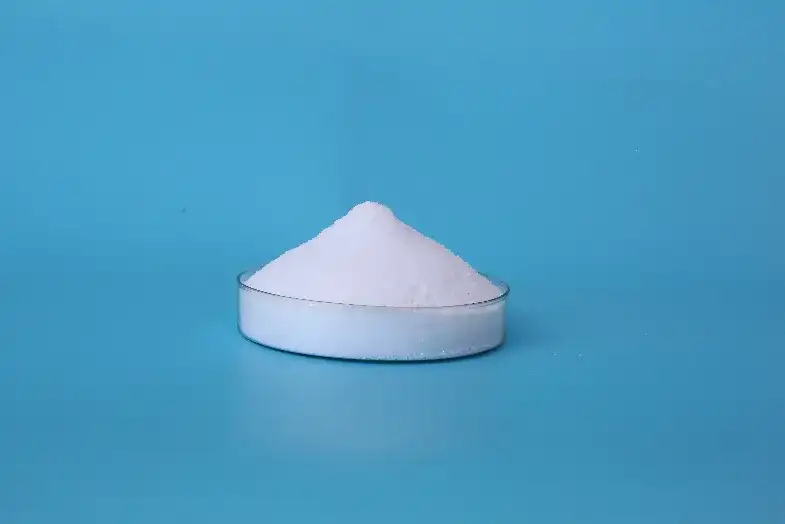
If the polymerization process you operate demands a narrow inhibitor range or tight limits on trace metals such as iron, requesting detailed analytical reports before committing to a purchase order is a prudent step. Contact our technical team at en*****@***er.com for a specification review tailored to your production requirements.
How to Spot Red Flags When Sourcing Acrylic Acid
Procurement teams should treat the following signals as warning signs when evaluating an acrylic acid manufacturer:
- Reluctance to provide certification documentation. A legitimate supplier will share certificates routinely.
- COAs that omit critical quality parameters such as inhibitor content or water concentration.
- Pricing that sits significantly below the prevailing market range after accounting for regional logistics. Under-pricing often reflects cost-cutting on quality controls.
- Packaging that does not meet hazardous chemical transportation standards for the intended shipping route.
- Production facilities that manufacture acrylic acid on shared equipment without documented cleaning protocols, raising the risk of cross-contamination from other chemicals.
- Unwillingness to host a site visit or third-party audit. Manufacturers with nothing to hide generally welcome inspection.
Spotting these signs early prevents a supply agreement from becoming a liability. The most experienced buyers treat the pre-qualification phase as seriously as they treat price negotiation.
How to Compare Acrylic Acid Manufacturers Beyond Certifications
Once you have narrowed the field to certified suppliers, several additional factors determine long-term supply reliability. Production capacity and its consistency over time affect lead times and allocation during tight markets. A manufacturer running a single small-scale line may struggle to accommodate a volume increase mid-contract. Shandong Nuoer Biological Technology operates an acrylic acid production capacity of 100,000 tons annually within a larger integrated manufacturing complex that also produces acrylamide, polyacrylamide, and superabsorbent polymers. This scale supports stable supply even when downstream demand fluctuates.
Technical support is another differentiator. A supplier that can advise on polymerization behavior, inhibitor selection, or storage recommendations adds value beyond the product itself. Our team includes polymer engineers who work directly with customers to align monomer specifications with final polymer performance targets.
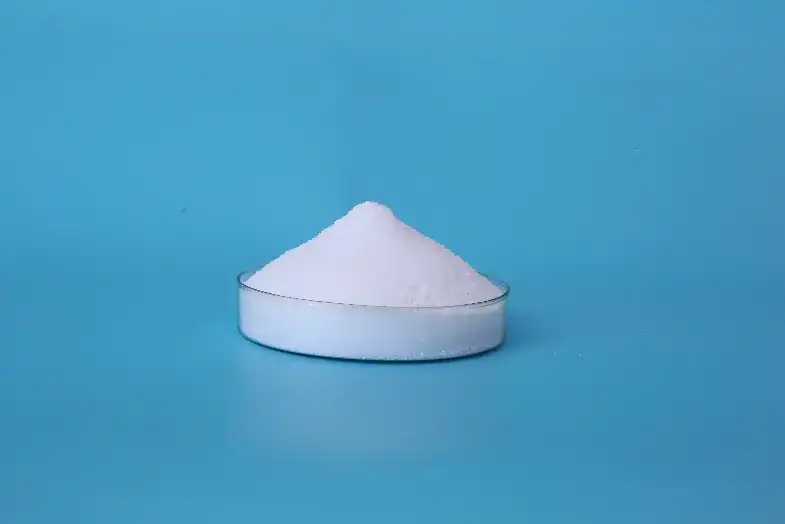
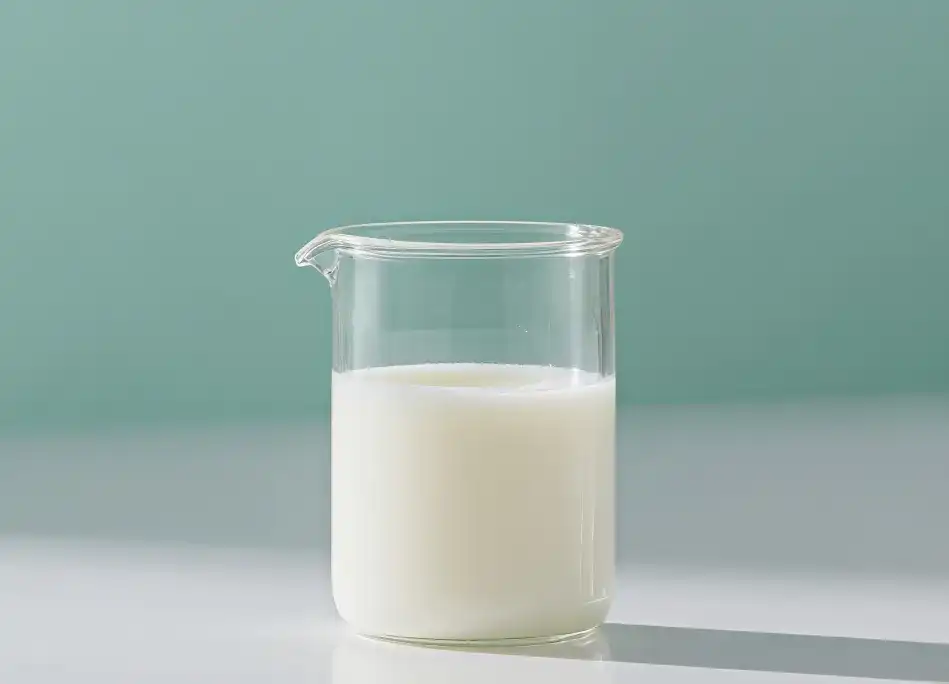
Finally, geographic logistics and after-sales service matter. Acrylic acid is a corrosive hazardous chemical that requires appropriate transport, documentation, and destination handling. A manufacturer with established export experience across multiple regions can navigate regulatory variations and shipping requirements more smoothly than one serving only a local market.
How to Build a Certified Acrylic Acid Partnership
Sourcing acrylic acid is not a transactional purchase. It is a supply chain decision that affects every batch of polymer leaving your plant. A manufacturer that invests in quality certifications, operates with documented batch-level traceability, and maintains a consistent production track record over years is a partner, not just a vendor.
Shandong Nuoer Biological Technology produces glacial acrylic acid under an ISO-certified quality management system, and our integrated manufacturing platform provides supply stability across the full acrylic chemical chain. To begin a supplier qualification process, share your purity requirements and production volume with our team at en*****@***er.com or call +86-532-66712876. We will respond with the relevant batch data and certification documentation for your technical review.
Common Questions About Acrylic Acid Sourcing and Certifications
What is the difference between glacial and technical grade acrylic acid?
Glacial acrylic acid refers to a high-purity monomer typically exceeding 99% with low water content, making it suitable for polymerization reactions where water must be strictly controlled. Technical grade may contain more water and higher inhibitor levels, functioning adequately in less sensitive applications. If your process polymerizes acrylic acid into superabsorbent polymers or high-molecular-weight flocculants, glacial grade reduces the risk of variability. For detailed guidance on grade selection, our technical team can review your polymerization parameters.
How do I verify that a manufacturer’s ISO 9001 certification is genuine?
Request the certificate number and issuing body directly from the manufacturer, then verify the certificate through the registrar’s online database. Confirm that the scope of certification lists acrylic acid production, that the registered address matches the actual production site, and that the certificate has not expired. A genuine manufacturer will provide these details without hesitation.
What are the risks of buying non-certified acrylic acid?
Non-certified acrylic acid carries elevated risk across several dimensions: inconsistent purity between batches, uncontrolled inhibitor levels that interfere with initiation kinetics, higher iron or moisture content that degrades polymer properties, and potential contamination from shared production equipment. Each of these issues can translate into production downtime, off-spec output, and customer returns.
How often should I audit an acrylic acid supplier after initial qualification?
Annual audits are the standard expectation for chemical raw material suppliers. If your consumption volume is high, or if you detect any quality trending outside normal variation, a more frequent review cycle may be justified. The audit should re-verify that the on-site practices still match the documented quality system.
Can I rely on a manufacturer’s certificate of analysis as the sole quality evidence?
A COA is an important document, but it represents the manufacturer’s own testing under their chosen methods and sampling plan. For high-stakes polymer production, we recommend periodic cross-checking against an independent third-party laboratory to confirm that the reported parameters align with external results. Trace impurities and inhibitor concentrations can differ depending on analytical technique. If your procurement records require independent verification, our quality team can supply the full compliance dossier, including third-party assay data.
If you’re interested, check out these related articles:
Choosing Cationic Polyacrylamide for Optimal Paper Mill Performance
Acrylamide Solution Factory: Polymer Production Excellence
Amphoteric Polyacrylamide: Unlocking Industrial Versatility Across Sectors


 English
 Russian
 Arabic
 Spanish