
Acrylamide crystal purity grades are often reduced to a single percentage on a certificate of analysis, but what determines successful polymer production is how well the full impurity profile aligns with your process tolerance and end-product specifications. Selecting the wrong grade—whether too low for a sensitive polymerization or unnecessarily high for a robust industrial process—creates avoidable batch inconsistency and procurement cost. With over fifteen years in polyacrylamide and acrylic chemical manufacturing, supply chain development, and production capacity planning, I have seen firsthand how the gap between a purity number and actual performance widens when purchasing decisions ignore specific application requirements. This article lays out a practical framework for choosing the right acrylamide crystal purity, grounded in real manufacturing conditions rather than spec sheet generalizations.
What Acrylamide Crystal Purity Grades Actually Mean
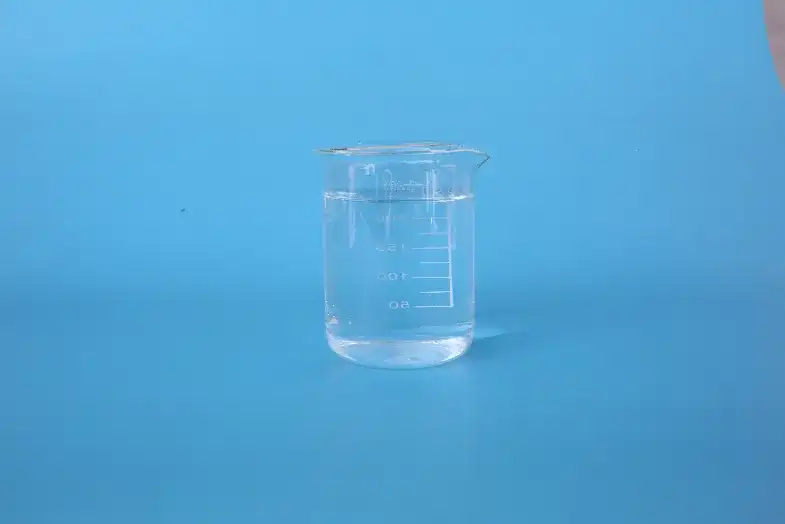
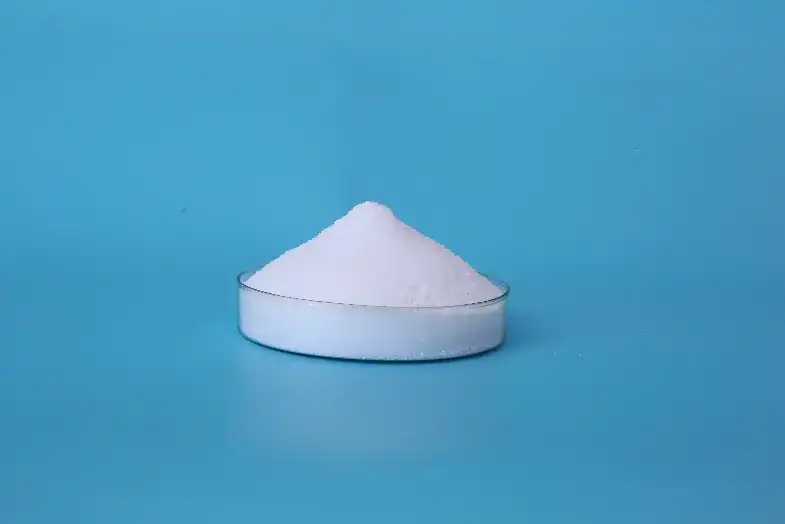
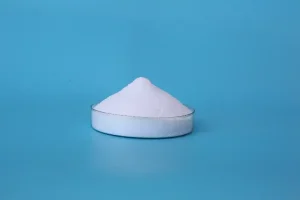
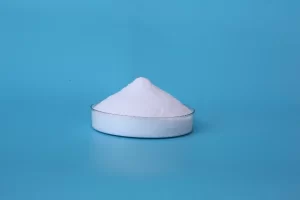
Industrial acrylamide crystal is typically supplied as a white crystalline solid with a minimum purity of 98.0%, but this headline figure masks the variables that matter most in a reactor. A certificate of analysis reports not merely the acrylamide content but also moisture (≤0.8% for standard grade), inhibitor concentration, pH of a 10 g/L solution, conductivity, and trace metals such as iron. Each parameter influences polymerization behavior in a distinct way, and two batches both labeled 98% can perform very differently if their conductivity or inhibitor levels deviate.
For high-purity grades targeting specialty polymer synthesis, acrylamide content may reach 99.5% or higher, with iron held below 0.5 ×10⁻⁶ and conductivity below 10 μS/cm. The term “ultra-high purity” often signals a product manufactured through microbial rather than chemical hydration routes, which avoids copper-catalyst residues and yields a tighter impurity distribution. Understanding what each figure controls—inhibitor determines initiation lag, iron catalyzes unwanted side reactions, conductivity reflects ionic contaminants that can destabilize ionic polymers—is the first step toward intelligent grade selection.
How Impurity Profiles Affect Polymerization Performance
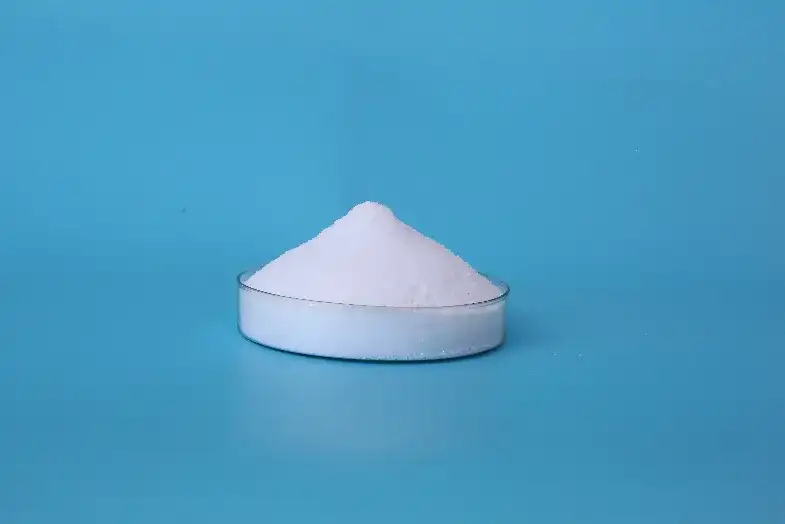
The most common polymerization failure I have observed in production settings is not catastrophic impurity poisoning but a gradual shift in induction period and molecular weight ceiling caused by variable inhibitor content. Most commercial acrylamide crystal contains a polymerization inhibitor—typically a copper compound or a hydroquinone derivative—to prevent spontaneous polymerization during storage and transport. When the inhibitor level exceeds the scavenger capacity of the initiator system, the polymerization starts sluggishly or requires an unpredictable initiator adjustment that complicates process control.
Conductivity, often overlooked, becomes critical when the target polymer is ionic. Producing anionic polyacrylamide with a strictly controlled hydrolysis degree requires a monomer stream with low and consistent ionic background. A conductivity spike from a poorly washed crystal batch shifts the ionic balance during copolymerization, producing a final product that fails the viscosity specification even though every other parameter was held constant. Iron contamination presents a subtler problem: even a few parts per million can cause color development in the final polymer and, in some catalyst systems, act as a redox interference that shortens chain length. Procurement teams that rely solely on the headline purity percentage without examining these impurities risk assigning root cause to the wrong variable when a batch goes off-spec.
Can I use technical grade acrylamide for pharmaceutical polymers?
Pharmaceutical and biomedical-grade polymers demand far tighter impurity ceilings than standard industrial flocculant production. For applications such as drug delivery matrices or electrophoresis gels, residual monomer content, trace metals, and organic impurities must meet pharmacopeia monographs. In these cases, technical grade crystal with 98% purity is almost certainly insufficient, regardless of how well-controlled its other parameters appear. Instead, a dedicated high-purity or spectrophotometric grade with documented low conductivity, iron below 0.5 ×10⁻⁶, and a specific inhibitor removal step is required. If your process involves FDA or pharmacopeia compliance, confirm residual monomer levels and full impurity profiling before finalizing a supply agreement—reach out at en*****@***er.com to review the analytical data for our high-purity grade.
Matching Purity to Your End Application Requirements
Different industries tolerate different impurity signatures, and the cost difference between a general-purpose technical grade and a specialty high-purity crystal can exceed 30%, so precision in matching grade to application directly impacts the competitiveness of the finished polymer. For large-scale polyacrylamide production destined for water treatment, mineral processing, or paper retention, a well-controlled technical grade with 98% minimum purity, low conductivity, and consistent inhibitor content will reliably produce commercial-quality flocculants. The critical requirement is not an extra half-percent of acrylamide content but batch-to-batch uniformity that prevents process adjustments.
Oil recovery polymers, especially those formulated for high-temperature or high-salinity reservoirs, place additional demands on the monomer. Residual copper from certain production routes can catalyze thermal degradation downhole, reducing long-term viscosity retention. Here, a crystal produced via microbial technology with inherently lower metal residues offers a measurable performance advantage without requiring the full cost of pharmaceutical grade. For textile auxiliaries and construction material additives, where polymer color and clarity are less critical, technical grade that meets conductivity and iron thresholds is typically sufficient. The table below summarizes typical suitability across major end uses.
| Application Segment | Recommended Purity Threshold | Key Impurity Limits |
|---|---|---|
| Water treatment flocculant | 98% minimum | Inhibitor 5–10 ×10⁻⁶, conductivity ≤20 μS/cm, iron ≤1 ×10⁻⁶ |
| Paper retention and drainage | 98% minimum | Conductivity ≤15 μS/cm, color ≤10 |
| Enhanced oil recovery | 98%+ (microbial route preferred) | Iron ≤0.5 ×10⁻⁶, copper ≤0.1 ×10⁻⁶ |
| Specialty pharmaceutical / research polymer | 99.5%+ | Iron ≤0.5 ×10⁻⁶, conductivity ≤5 μS/cm, organic impurities tightly specified |
Supplier Quality and Consistency: Beyond the Certificate of Analysis
A common procurement mistake is to select acrylamide crystal solely by comparing C of A figures across suppliers, assuming that identical specifications guarantee identical polymerization results. In practice, two suppliers reporting 98% purity, ≤20 μS/cm conductivity, and ≤1 ×10⁻⁶ iron can deliver materially different reactor performance if their production routes and quality control rigor differ. I have managed supply chains where a change in monomer source—even within the same paper specification—shifted the optimal initiator dose enough to require a reformulation trial, costing weeks of production.
The production technology behind the crystal matters. Acrylamide produced by microbial hydration of acrylonitrile, as opposed to copper-catalyzed chemical hydration, yields a monomer inherently low in copper residues and with a narrower distribution of organic byproducts. This route, combined with a crystallization and purification sequence designed to minimize ionic carryover, produces a product where the C of A figures are not merely within limit but are tightly clustered, reducing the variability that forces process adjustments. At Shandong Nuoer, the coupling of in-house acrylamide monomer capacity with this microbial technology allows tighter control of impurity profiles batch over batch, which is why we recommend any qualifying trial include a mini-polymerization test alongside a document review.
Making the Procurement Decision: Cost vs. Performance Trade-offs
The final selection of an acrylamide crystal purity grade is not about maximizing purity but about minimizing total polymerization cost at the required polymer performance level. Paying for ultra-high purity crystal to produce a standard flocculant whose process tolerates 98% purity adds unnecessary raw material expense, while saving on monomer cost with a marginal purity batch in a high-value specialty polymer risks expensive off-spec production and customer returns.
Where I have seen cost calculations go wrong is in ignoring the value of consistency. A supplier offering a lower list price per ton for a 98% grade but with noticeable batch-to-batch variability shifts the cost burden onto the production floor in the form of initiator adjustments, rework, and process downtime. When comparing quotations, I advise procurement teams to request retained sample data over multiple production lots and to factor in the cost of a qualification trial. The real saving often comes from a supplier whose production scale and vertical integration allow competitive pricing on high-grade crystal without cutting corners on purification. If your program consumes acrylamide crystal at the scale of thousands of tons annually, even a marginal reduction in batch failure rate through consistent impurity control pays back the price delta.
Choosing Acrylamide Crystal Purity with Confidence
Inconsistent acrylamide crystal quality can cascade into polymerization failures, unpredictable initiator demand, and delivered polymer that falls short of customer specifications. Working with a supplier that controls purity from monomer production through final crystal formation removes one of the most common root causes of batch variability. Shandong Nuoer integrates microbial acrylamide production with large-scale purification and crystallization, yielding crystal grades with tightly controlled impurity profiles and documented consistency across production campaigns. To discuss which grade matches your throughput, end-use requirements, and cost targets, send your application details and expected annual volume to en*****@***er.com or call +86-532-66712876 for a technical consultation and sample certificate of analysis.
Common Questions About Acrylamide Crystal Purity Selection
Is 98% purity enough for standard polyacrylamide production?
For the vast majority of industrial polyacrylamide used in water treatment, mineral processing, and papermaking, a 98% minimum purity acrylamide crystal performs reliably when the impurity profile is well-characterized and consistent. The key is not chasing an extra half-percent of purity but ensuring that conductivity, inhibitor level, and iron content stay within the tolerance band your initiator system was qualified against.
Does higher purity always guarantee better polymer performance?
Higher purity guarantees less impurity, but less impurity only translates to better performance when your specific polymerization system is sensitive to those particular contaminants. A polyacrylamide reactor running a robust aqueous solution polymerization with adequate initiator scavenging may show no measurable improvement in molecular weight or conversion when switching from 98% to 99.5% crystal. The performance gain must be matched to the impurity sensitivity of the process.
What should I check on a certificate of analysis beyond purity percentage?
Focus on inhibitor content, conductivity, iron, and any organic impurity peaks that can act as chain-transfer agents. A C of A that lists only acrylamide content and moisture without conductivity or metals data leaves the buyer exposed to hidden variables that can undermine polymerization and final polymer properties.
How should I qualify a new acrylamide crystal source?
Ask for retained physical samples from at least three recent production lots and run a standardized mini-polymerization trial in your own formulation. Measure induction time, peak temperature, and intrinsic viscosity development, and compare the variability across lots. A supplier whose C of A data looks identical to another supplier’s but whose polymerization trial results are tighter across batches is the safer long-term sourcing choice. To arrange a sample set of Nuoer’s AM crystal and discuss your qualification protocol with our technical team, contact en*****@***er.com with your process parameters and we will coordinate shipment and supporting analytical data.
If you’re interested, check out these related articles:
The “Nuoer Biology Scholarship” Donation Ceremony at China University of Petroleum was held in Qingdao.
Nuoer Biotech Helps Ensure the Successful Convening of the 2025 Annual Meeting of the National Functional Polymer Industry Committee and the Industry Development High-Level Technology Forum
Acrylamide Monomer Storage Stability: A Comparative Guide


 English
 Russian
 Arabic
 Spanish