
Operators at remote mining sites and oilfields face more than a simple flocculant selection decision when choosing between emulsion polyacrylamide and dry polymer. The choice affects how many supply trucks reach the site each month, whether the make-down system works on a frozen morning, and how much inventory capital stays tied up in a warehouse that doubles as a connex box. Emulsion PAM delivers unmatched speed in the field, but dry polymer remains the standard for operations where supply frequency is low and onsite storage is limited. The real decision is not which product performs better in a lab, it is which form fits the logistics and reliability envelope of a field operation that runs 24 hours a day far from the nearest supplier.
What Separates Emulsion PAM From Dry Polymer in Make-Down Performance
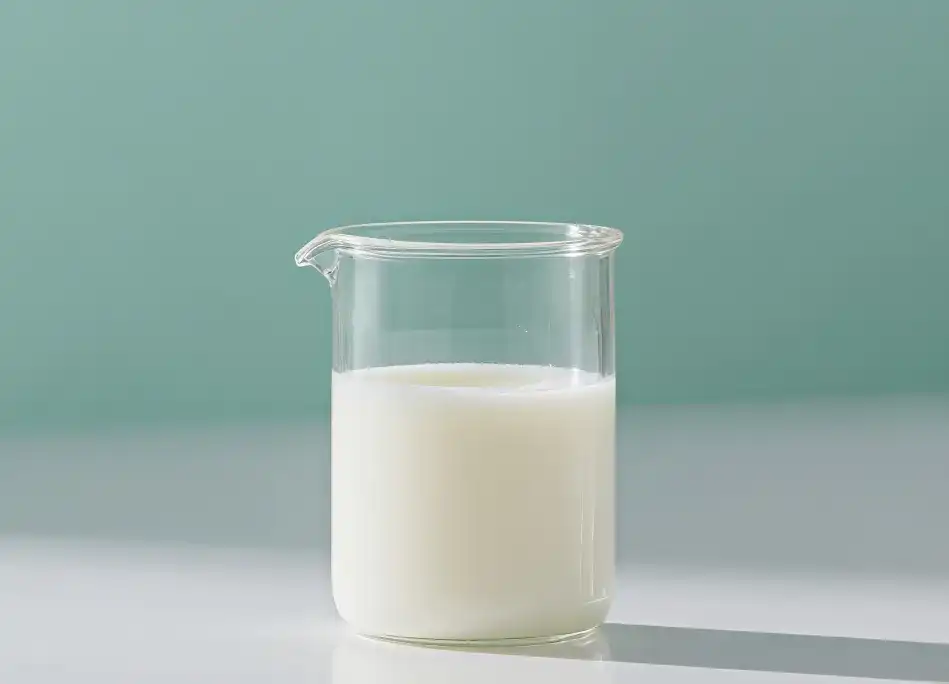
The most cited advantage of emulsion polyacrylamide is its dissolution speed. Emulsion PAM produced via water-in-oil polymerization reaches full viscosity within five to fifteen minutes after injection into a properly designed make-down system. Dry polymer, even with high-efficiency dispersing units, typically requires thirty to sixty minutes of aging to develop full chain extension. For a hydraulic fracturing crew or a tailings pond operator handling sudden flow surges, that time difference matters. A field crew using emulsion PAM can bring make-up water online faster, adjust dosage in response to changing solids loading, and keep a treatment train running during a storm when holding tanks approach capacity.
The speed comes from the physical form. Emulsion PAM droplets are already solvated in the oil phase and release the polymer chains almost instantly upon inversion. Dry powder must first wet out, then hydrate particle by particle. At cold temperatures below 10°C, this wetting step slows dramatically. I have observed operations where dry powder clumped into gel balls inside the eductor funnel because the water was just a few degrees above freezing, and the hydration time stretched past ninety minutes. Emulsion PAM, in the same cold conditions, delivered usable viscosity in under twenty minutes. That reliability difference is not a minor performance edge, it determines whether a shift can keep production moving.
Logistics Burdens That Field Managers Learn the Hard Way
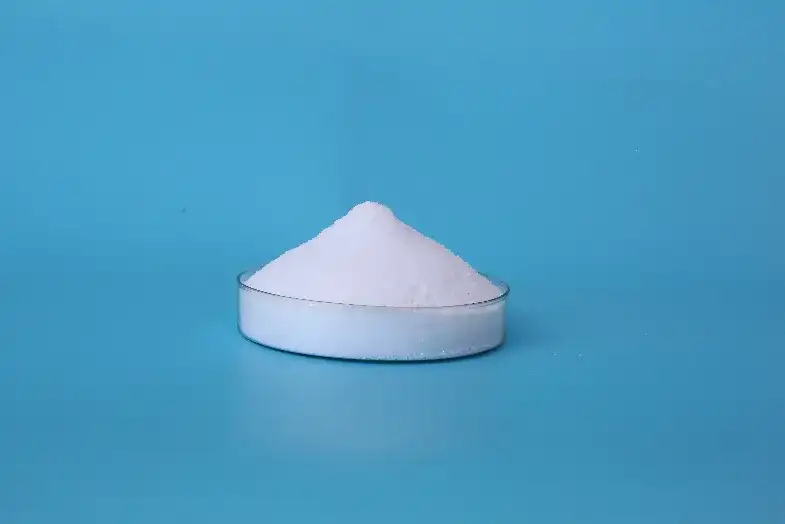
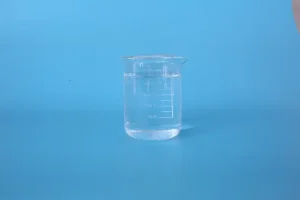
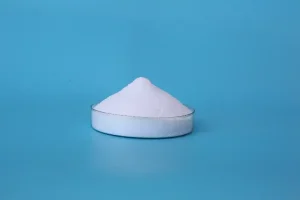
Emulsion PAM typically ships as a liquid concentrate at 30–40% active polymer. That means for every dry ton of active polymer, the operation receives roughly three metric tons of total product weight including the carrier oil and water. Dry polymer ships as a granular or powder solid with 88–92% active content, so a single 750 kg supersack delivers close to 700 kg of active polymer. For a remote iron ore operation in Western Australia or a copper mine in Chile’s Atacama region, the difference in freight cost and warehouse real estate is measured in thousands of dollars per order and in days of inventory cover.
A site consuming two metric tons of active polymer per week will require nearly six tonnes of emulsion PAM delivered every month versus just over two tonnes of dry powder. That tripling of inbound tonnage directly multiplies trucking costs, port handling fees, and site labor for offloading. Emulsion PAM also requires heated or insulated storage when ambient temperature dips below zero, because the oil phase can thicken and the emulsion can separate. Dry powder needs only a dry, covered area. These are not issues that appear on a lab datasheet. They emerge after the third supply run when the logistics coordinator realizes the site’s fuel budget is being eaten up by polymer deliveries that could have been consolidated.
The counterpoint is that dry polymer demands a more complex and higher-maintenance make-down system, and that system requires clean, consistent water. Emulsion PAM can be injected inline with a simple metering pump and static mixer, which reduces capital cost and field maintenance. The right balance depends on whether the operation values supply chain simplicity or onsite equipment simplicity more.
Cold Weather, Dust, and Water Availability: Where Emulsion PAM Earns Its Keep
Remote field operations in northern Alberta or Kazakhstan’s oilfields face winter temperatures where dry polymer hydration becomes unreliable. The energy cost to heat make-up water for proper wetting can exceed the polymer cost itself. Emulsion PAM, especially the anionic and non-ionic types produced at Shandong Nuoer, sustains rapid inversion even when the carrier oil is chilled, provided the emulsion is stored above -5°C. In these environments, the higher freight cost is offset by eliminating water heating and reducing operator exposure around dusty powder handling.
Dust is another silent cost. Dry polymer powder generates respirable dust during sack cutting and hopper loading, which requires ventilation, personal protective equipment, and in some jurisdictions, environmental monitoring. Emulsion PAM is a sealed liquid handled in closed-loop pumping systems. For mining operators facing tightening occupational health standards, the dust-free nature of emulsion PAM eliminates a regulatory and liability risk that is hard to value on a bid comparison sheet but very real in practice.
Where water is scarce, dry polymer offers an advantage: the operator controls the exact concentration at the point of use without shipping water across a desert. Emulsion PAM contains roughly 60–70% water by weight. If every liter of water must be trucked to site, dry polymer is the rational choice. I have worked with oilfield service companies in the Permian Basin who switched to emulsion PAM because the speed gains outweighed the water penalty, and with mining operators in arid regions who stayed with dry powder precisely to minimize water transport cost. Neither choice was wrong, but each was made with full visibility of the water logistics trade-off.
A Cost Structure That Goes Beyond Price per Ton
Procurement managers comparing emulsion PAM and dry polymer often anchor on the price per active kilogram. On that metric alone, dry polymer is almost always cheaper because it avoids the shipping of water and oil and requires less packaging. The gap narrows when the full landed cost at the point of injection is calculated. For dry polymer, add the amortized capital cost of the make-down unit, daily cleaning and maintenance labor, water heating energy cost, and the consumables (filters, eductor nozzles, check valves) that wear out from abrasive powder. For emulsion PAM, add the tankage cost, insulation or heating if required, and the higher inbound freight weight.
A meaningful comparison also factors in the cost of an upset. If a dry polymer make-down system plugs during a night shift and untreated water releases cause a permit exceedance, the fine and environmental remediation cost can dwarf a year’s worth of polymer savings. Emulsion PAM’s rapid, simple injection reduces the failure point count. A small mining project we supported in Southeast Asia chose emulsion PAM explicitly because the site had no skilled mechanic on night shift who could troubleshoot a powder disperser. The risk premium they assigned to dry polymer complexity was not based on manufacturer data, it was based on the reality of their staffing.
If your operation involves cold weather startup, limited mechanical support, or a need for rapid dosage adjustment, the total cost picture often tilts toward emulsion PAM despite the higher per-ton chemical cost. Share your site conditions and we can build a comparative cost model that includes your actual freight distances and water availability: +86-532-66712876, en*****@***er.com.
| Factor | Emulsion PAM | Dry Polymer |
|---|---|---|
| Active content | 30–40% | 88–92% |
| Dissolution time | 5–15 minutes | 30–60+ minutes (cold worsens) |
| Shipping weight per active ton | ~3 tonnes | ~1.1 tonnes |
| Storage requirements | Heated/insulated below 0°C | Dry, covered area only |
| Equipment complexity | Simple metering pump, static mixer | Make-down unit, eductor, aging tank |
| Dust exposure | None | Requires controls and PPE |
| Water shipping cost | High (60–70% water in product) | Low (water added at point of use) |
Real-World Reliability: Availability and Supply Chain Depth
Reliability in field operations is not solely about product performance. It is about whether the polymer arrives on schedule, meets specification every lot, and does not create a supply emergency when demand spikes. Dry polymer production is widespread, but not all grades deliver consistent dissolution or low insoluble content. Emulsion PAM production requires more specialized manufacturing capability because the water-in-oil technology must produce a stable emulsion that inverts rapidly under high shear. I have seen cases where a lower-grade emulsion PAM separated in storage or took longer to invert, and those failures caused more problems than a slow-dissolving dry powder ever could.
Shandong Nuoer’s approach to this problem is instructive. With an annual emulsion PAM capacity of 200,000 tonnes, the manufacturing scale ensures that large-volume orders ship without production bottlenecks. More importantly, the company self-produces the acrylamide monomer and acrylic acid raw materials, which means the upstream supply chain does not become the weak link. For a field operator ordering emulsion PAM from a supplier that buys monomer on the spot market, a sudden acrylonitrile shortage can disrupt deliveries for weeks. The operator may not know that risk until it materializes. Working with a vertically integrated manufacturer shifts that supply risk from invisible to managed.
Global reach also matters when operations span continents. A mining company with sites in Africa and South America benefits from a supplier that already ships to over sixty countries and maintains technical service coverage in those regions. The polymer may be the same chemistry, but customs clearance, tropical storage requirements, and in-region application support vary by country. A manufacturer that has navigated those logistics repeatedly carries that experience into every new project.
Common Questions on Emulsion PAM vs Dry Polymer for Field Operations
Is emulsion PAM always faster to dissolve than dry polymer?
In the vast majority of cases, yes. Emulsion PAM achieves full viscosity within five to fifteen minutes under typical mixing conditions because the polymer chains are already dispersed in the oil phase. Dry polymer requires wetting, particle hydration, and chain untangling, which typically takes thirty to sixty minutes at 20°C. However, if the emulsion has been stored incorrectly and the phases have separated, inversion time can stretch unpredictably. So speed depends on both the product quality and the storage conditions at the site.
Does dry powder PAM really generate more occupational health risk?
Yes, because the fine powder particles become airborne during sack handling and hopper charging. Repeated inhalation can irritate the respiratory tract, and the powder creates slip hazards on floors. Most regulatory agencies, including OSHA and EU-OSHA, require dust control measures and personal protective equipment for workers handling large volumes of powder. Emulsion PAM, as a sealed liquid, eliminates this exposure route entirely.
Which form is more reliable in subzero temperatures?
Emulsion PAM is more reliable in cold conditions, provided the emulsion is stored above its separation threshold (generally -5°C). The oil-based carrier prevents freezing, and the inversion process proceeds rapidly even with chilled make-up water. Dry polymer hydration nearly stops below 10°C unless the water is heated, which adds energy cost and equipment complexity. That said, dry powder itself does not freeze and can be stored outdoors in winter without degradation.
Can I reduce freight costs by using dry polymer instead of emulsion?
Yes, because dry polymer contains roughly 90% active material versus 30–40% in emulsion. You are not paying to ship water and oil. However, dry polymer requires a larger capital investment in make-down equipment and higher maintenance, and you may incur water heating costs. The true cost comparison must include all these factors, not just the invoice price of the chemical.
How do I decide which polymer form to trial first?
Start by mapping your operation’s two or three most constraining factors: water availability, mechanic availability for equipment maintenance, ambient temperature range, and inventory storage space. If any of these is severely limiting, that constraint often dictates the better starting point. Then request small-scale trial samples of both forms, run them through your actual field make-up system, and measure not just performance but the number of manual interventions and operator hours required over a two-week period. A polymer that runs unattended on night shift will outperform a faster polymer that needs constant attention. Share your site’s constraints and we can help structure a trial that answers these questions before you commit to bulk orders.
If you’re interested, check out these related articles:
Acrylamide Monomer Suppliers for Polymer Production Excellence
Acrylamide Solution: Essential Storage & Handling Protocols
FDA Approved Super Absorbent Polymer Manufacturers: A Global Guide


 English
 Russian
 Arabic
 Spanish