
When a polyacrylamide batch fails to reach target molecular weight or shows inconsistent gel content, the root cause often traces back to the acrylamide monomer’s impurity profile. In polymer manufacturing, even trace impurities such as residual acrylic acid, metal ions, or excessive inhibitor can disrupt free-radical polymerization, altering reaction kinetics and final product performance. Over fifteen years of managing large-scale acrylamide and PAM production, I have seen how a supplier’s impurity control directly determines polymerization reliability. Understanding these profiles is not merely a quality check; it is a cornerstone of cost-effective, consistent polymer output.
How to Read an Acrylamide Monomer Impurity Profile
Every acrylamide monomer lot should come with a certificate of analysis that goes beyond the basic purity percentage. The key parameters tell the full story of what will enter your reactor. A well-characterized impurity profile includes moisture, inhibitor concentration, metal ions, conductivity, and color, each with a measurable impact on synthesis. The table below shows the typical specification range for a high-purity crystal monomer and the practical polymerization consequence of each parameter.
| Impurity Parameter | Specification (AM Crystal) | Potential Impact on Polymerization |
|---|---|---|
| Purity | ≥98.0% | Lower purity introduces unknown side reactions, reducing molecular weight uniformity |
| Moisture | ≤0.8% | Excess water can hydrolyze acrylamide to acrylic acid, consuming initiator and skewing copolymer ratios |
| Iron (Fe) | ≤1 ppm | Iron catalyzes unwanted crosslinking, leading to gel formation and poor solubility |
| Inhibitor (MEHQ) | 3–10 ppm | Too low: premature polymerization during storage; too high: slow initiation and longer cycle times |
| Conductivity | ≤20 μS/cm | Elevated conductivity signals ionic contaminants that can interact with charged comonomers |
| Color (APHA) | ≤10 | High color often correlates with organic impurities that affect downstream product appearance and consistency |
Interpreting these numbers against your own process tolerances is the first step toward predictable polymerization outcomes. For a deeper exploration of how monomer purity directly shapes polymer quality, our detailed analysis on acrylamide monomer purity in PAM synthesis covers the practical thresholds that matter in daily production.
How Specific Impurities Derail Polyacrylamide Synthesis
The real cost of impurities appears when they deviate from the expected range. In production-scale polymerization, I have directly observed the chain-level consequences each impurity type introduces.
Residual Acrylic Acid and Acrylonitrile
These byproducts from acrylonitrile-based acrylamide production pathways become comonomers in the polymerization reactor. Even at 0.1% excess, acrylic acid alters the charge density of intended non-ionic or anionic PAM grades, shifting the final polymer’s performance in water treatment and mining applications. Acrylonitrile, a toxic residual, also carries safety implications. Our microbial-based production route inherently limits these residuals because the enzymatic pathway leaves far fewer carbon-skeleton impurities than catalytic hydration.
Metal Ion Contaminants
Iron and copper ions, common in copper-catalyzed monomer processes, act as uncontrolled redox initiators. A batch with 2 ppm iron can exhibit localized hot spots during polymerization, creating microgel particles that clog filters and degrade oil recovery polymer performance. In enhanced oil recovery (EOR), even small gel bodies reduce injectivity, a problem that is difficult to detect before field deployment.
Inhibitor Overdose or Drift
The inhibitor, typically MEHQ, must stay within a narrow window that balances storage stability and polymerization efficiency. I have reviewed start-up delays where a lot with 12 ppm inhibitor required 15% more initiator and extended reaction time by 40 minutes. Such drift, if repeated across batches, adds hidden operational costs that erode margins.
Matching Acrylamide Monomer Purity to Your Polymerization Process
Not every application demands the highest purity monomer, and overspecifying purity without performance justification wastes procurement budget. The decision should rest on the end product’s molecular weight target, the presence of temperature-sensitive comonomers, and the criticality of gel-free output.
For ultra-high molecular weight anionic PAM used in polymer flooding, monomer purity above 98% with iron below 1 ppm is a practical baseline. The high viscosity of these solutions magnifies any insoluble gel particles. In our supply to EOR projects, we routinely provide acrylamide crystal at ≥98.5% purity with documented iron control. Conversely, lower-cost technical-grade monomer with slightly higher allowed residuals can be acceptable for non-ionic PAM in mining flocculation, where the polymer’s primary role is physical bridging and minor gel is less detrimental.
The same principle applies to the fast-growing superabsorbent polymer (SAP) sector. Selecting the right superabsorbent polymer particle size is downstream, but the upstream monomer quality sets the foundation for uniform crosslinking and absorption capacity. Acrylamide monomer for SAP production demands particularly tight control on inhibitor and metal content because any residual impurity interferes with the delicate neutralization and gel-network formation essential to absorption under load.
If your program involves high-molecular-weight PAM for enhanced oil recovery, it is worth confirming the iron and inhibitor levels in your acrylamide monomer before finalizing your BOM. Contact us at en*****@***er.com to request a polymerization trial sample and discuss specifications before your next purchase order.
Why Production Technology Defines Impurity Levels
Suppliers achieve different impurity profiles because their underlying production routes differ fundamentally. Traditional copper-catalyzed hydration of acrylonitrile relies on metal catalysts that, despite downstream purification, leave traces of copper and iron. Microbial fermentation technology, by contrast, uses enzymatic catalysis in an aqueous system without heavy metal catalysts, producing a monomer stream with inherently lower metal ion content and fewer organic byproducts.
At Nuoer, we adopted microbial production more than a decade ago to meet the tightening purity demands of global polymer manufacturers. The result is consistent crystal monomer with iron routinely below 1 ppm and inhibitor tightly controlled within narrow production limits. This process consistency also supports our annual acrylamide capacity of 300,000 tons, allowing us to offer stable batch-to-batch quality regardless of order volume. The difference to a polymer plant is tangible: when every lot of monomer reacts predictably, initiator dosing and cycle times become standardized, reducing operator intervention and rework. For an inside look at how that consistency is maintained, see our approach as a leading acrylamide crystal supplier.
From Supplier Evaluation to Form Selection: Crystal vs. Aqueous Solution
Vetting an acrylamide monomer supplier goes beyond the certificate of analysis. The key questions center on production technology, batch traceability, and technical support, because price alone is a poor predictor of total cost. A promising practice is to run a small-scale polymerization trial with the exact formulation and conditions of your production line. Request a retained sample and a full impurity breakdown, then compare the resulting polymer’s molecular weight distribution, insolubles, and residual monomer against your current baseline.
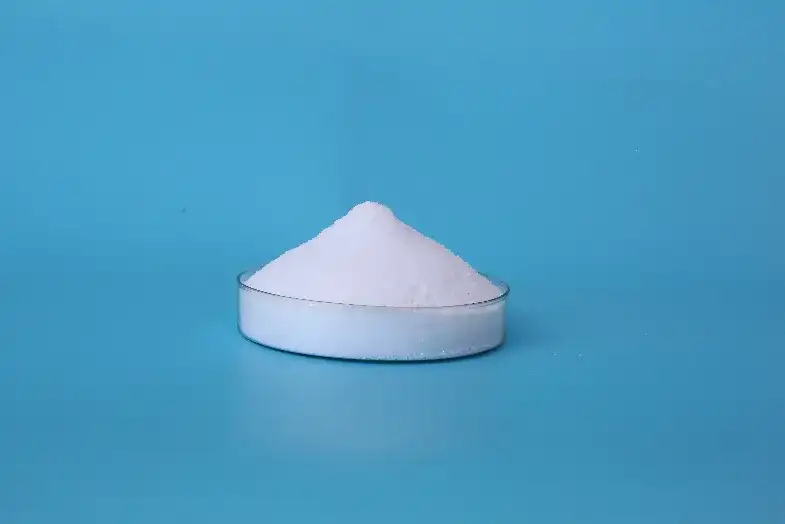
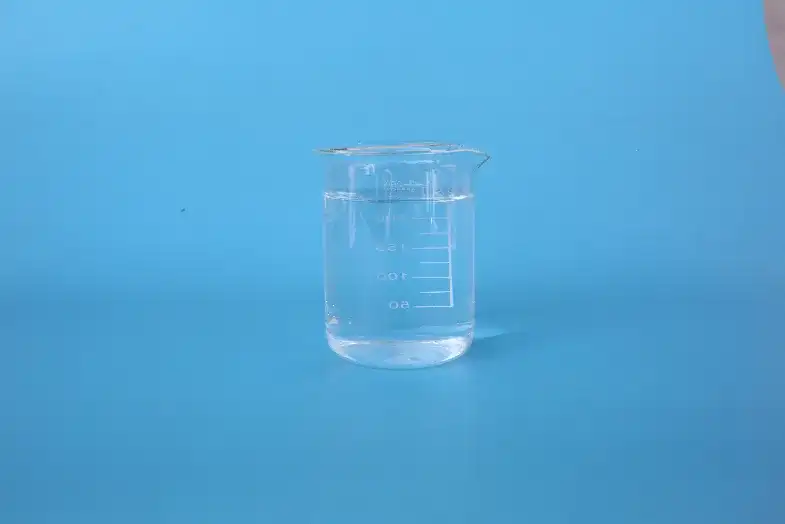
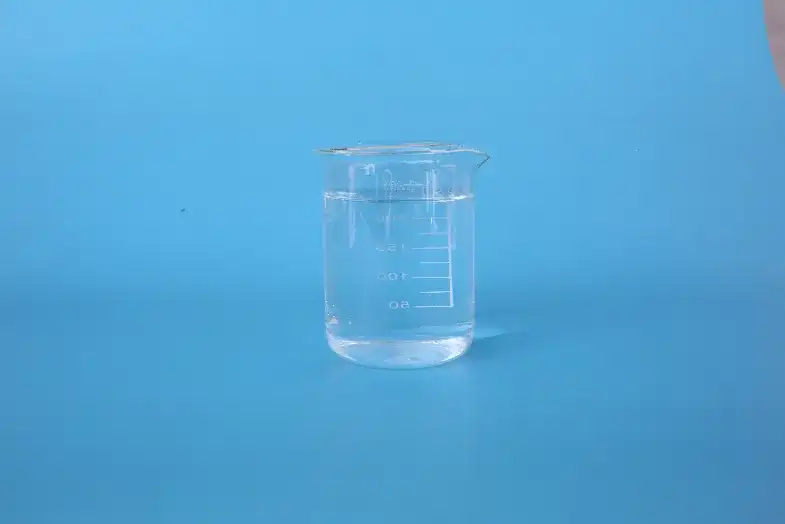
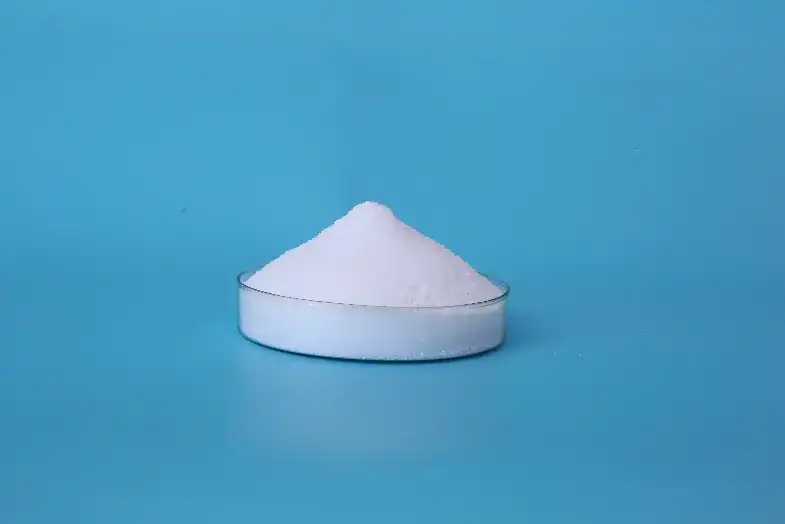
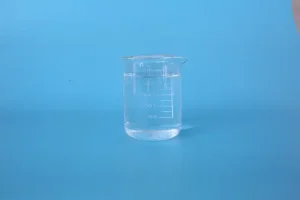
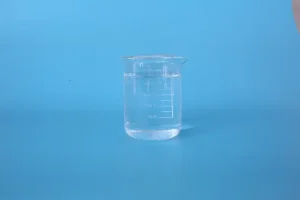
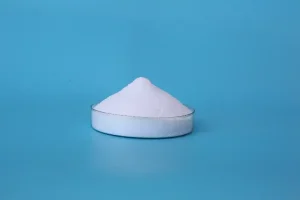
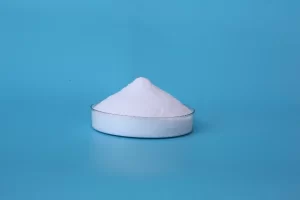
When moving to qualification, the physical form of the monomer also matters. Acrylamide crystal remains the preferred form for most batch polyacrylamide plants: it offers long shelf stability, easy handling, and the flexibility to prepare solutions at specific concentrations on demand. Aqueous solution, available at 30% to 50% concentration, eliminates dissolution steps and fits continuous polymerization processes where storage and piping infrastructure accommodate liquid handling. The solution form does require careful temperature and inhibitor management to prevent premature polymerization, but when logistics allow, it reduces operator exposure to dry powder and simplifies the reaction feed.
Our acrylamide crystal manufacturing and global supply operations support bulk crystal exports, and for customers running continuous polyacrylamide production lines, we also supply acrylamide aqueous solution at customizable concentrations. The impurity profile of each form is validated against the same strict release criteria, so the choice becomes one of operational fit rather than quality compromise.
Ensuring Consistent Polymerization: Partner with a Quality Monomer Producer
Polymer manufacturers invest heavily in reactor design, advanced initiator systems, and precise temperature control, yet an off-spec monomer lot can undo all of that optimization. Over years of working with PAM producers in more than 60 countries, I have found that the most stable partnerships are built when the monomer supplier understands the downstream polymerization process at a technical level, not just a sales level. That means being able to discuss inhibitor sensitivity for your specific initiator, or how our reliable cationic PAM selection approach applies mirrored quality thinking to upstream monomers.
We regularly support customer qualification programs with detailed batch data, retained samples, and technical consultation. If you are evaluating your current monomer source or scaling up a new polymer product, share your target specifications with us at en*****@***er.com or call +86-532-66712876. A consistent, well-characterized acrylamide monomer is the lowest-cost decision a polymer plant can make over the long run.
Key Questions When Evaluating Acrylamide Monomer Impurity Profiles
What are the most critical impurities to monitor in acrylamide monomer?
The three impurity categories with the greatest polymerization impact are residual unsaturated byproducts (primarily acrylic acid and acrylonitrile), metal ions (iron and copper), and inhibitor concentration. Acrylic acid acts as a comonomer, shifting the polymer charge profile. Metal ions promote uncontrolled crosslinking and microgel. Inhibitor, if out of specification, either fails to protect storage stability or suppresses initiation, extending reaction cycles. Regularly trending these values per lot reveals supplier consistency long before a complete batch failure occurs.
Many buyers rely on the COA, but is that enough?
A supplier’s certificate of analysis is a starting point, not a guarantee. COAs reflect the batch at the time of testing, but do not account for inhibitor degradation or moisture uptake during transit and warehousing. The most reliable verification is a small-scale polymerization trial under your own reaction conditions, comparing the resulting polymer’s properties and residual monomer level against your historical baseline. This trial costs a few hours of pilot time but can prevent months of off-spec production. Our team at Nuoer provides trial samples and discusses how to interpret the results.
Does higher monomer purity always justify the cost?
It depends on the polymer’s end use. For ultra-high molecular weight anionic PAM in tertiary oil recovery, the cost of specifying ≥98.5% purity with tight metal limits is justified by increased injection stability and reduced well workovers. For mining and mineral processing flocculants, however, a technical-grade monomer with slightly relaxed iron and moisture specifications can be cost-effective without diminishing flocculation efficiency. The benchmark should be the cost of the impurity, not the price of purity, referring to the hidden expense of gelling, rework, and customer claims downstream.
What is the shelf life of acrylamide crystal regarding impurity stability?
In our stability monitoring program, acrylamide crystal stored in sealed containers at 10–25°C and protected from light maintains its release specification for up to 18 months. The inhibitor level decreases slowly over time, and free acrylic acid can rise if moisture ingress occurs. After 18 months, we recommend retesting before use, particularly checking inhibitor and color. For plants with low consumption rates, this stability window supports inventory management without frequent small-lot ordering. For large-scale polymer production that consumes monomer quickly, this shelf life comfortably covers typical shipping and warehouse rotation cycles.
How should I start a polymerization trial with a new acrylamide monomer supplier?
Begin by sharing your target polymer specifications, initiator system, and typical reaction conditions. We usually provide a 1 kg crystal sample with a full COA, including trace metals, inhibitor, and residual monomer data. Run the trial under your standard protocol and compare gel content, molecular weight distribution, and insoluble fraction against your current control. If your program requires specific impurity guarantees beyond standard specifications, we can discuss tailored quality agreements. Share your R&D timeline and product target, and we will arrange trial support and technical documentation.
If you’re interested, check out these related articles:
Amphoteric PAM: Consistent Flocculation in Variable Conditions
Cationic Polyacrylamide Performance Testing: A Technical Guide
AI Empowerment: Bridging Strategy and Implementation at Nuoer
Acrylamide Crystal: Optimizing Polymerization for Industrial Success


 English
 Russian
 Arabic
 Spanish