
Finding a reliable, direct source for textile-grade non-ionic polyacrylamide changes more than just your chemical cost line. For textile plants running continuous yarn sizing and fabric finishing processes, a supply chain that delivers consistent molecular weight and low insolubles does more for production stability than any small price difference on a per-ton quote. I’ve observed this across mills that moved from buying through local distributors to partnering directly with a manufacturer that also controls its own acrylamide monomer production: the immediate gain is price transparency, but the lasting value comes from batch-to-batch performance you don’t have to test and retest. In this article, we’ll walk through what textile plant procurement and process teams should examine when evaluating a factory-direct non-ionic PAM supply, from quality verification methods and production reliability to the kind of technical support that keeps sizing lines running without interruption.
Why Direct Sourcing Non-Ionic PAM Benefits Textile Plants
Textile mills using non-ionic polyacrylamide as a warp sizing agent or as a flocculant for desizing and dye wastewater face a common tension: they need high-molecular-weight polymer with predictable dissolution, but they also absorb cost pressure from finished fabric buyers. Distributor markups, inconsistent stock levels, and limited visibility into the origin of the chemistry all eat into both margin and process control.
Buying factory-direct removes at least one intermediary layer that typically accounts for 8–12% of the landed cost for specialty chemicals. More important for production managers, it connects the plant directly to the production records: the same batch number you receive is traceable through polymerization conditions, monomer purity, and drying parameters. This traceability becomes critical when a sizing line suddenly shows warp breakage spikes that lead back to insufficient film strength from the PAM size.
For continuous yarn sizing operations where dozens of looms depend on a uniform size film, even a 5% variation in polymer molecular weight shifts size pickup and can generate off-spec fabric that requires re-washing or downgrading. Direct sourcing with documented quality data puts that variable under the plant’s control.
What to Demand When Evaluating Non-Ionic PAM Quality in Bulk Supply
Price comparison sheets often stop at “molecular weight > 12 million” and “solid content ≥ 90%.” That level of checking fails when containers arrive at the mill. I’ve learned from supply programs we’ve managed for textile customers that the evaluation has to drill into three layers: the monomer base, the manufacturing consistency data, and application-specific performance characteristics.
Molecular Weight and Its Impact on Sizing Efficiency
Non-ionic polyacrylamide used for warp sizing relies on its film-forming ability, which is directly tied to molecular chain length. A polymer with a true weight-average molecular weight over 14 million daltons provides the cohesive film strength that holds high-speed looms, but the commercial packages often list only the nominal specification. Ask the manufacturer for their batch testing data over the last six months, and specifically for the dissolution viscosity under the water conditions your plant uses. Hard water cations can subtly interfere with full dissolution, and a factory that only tests in deionized water won’t catch the real-world performance gap.
Flocculation Performance for Wastewater from Desizing and Dyeing
Many textile plants also dose non-ionic PAM into effluent streams containing starch-based desize liquor and reactive dye hydrolysis products. The polymer’s flocculation efficiency in that mixed chemistry depends not only on molecular weight but also on its degree of hydrolysis—typically below 5% for true non-ionic grade. When hydrolysis creeps higher, the slight anionic charge can reduce bridging with colloidal dye particles. Request flocculation jar test data at your plant’s target pH and suspended solids concentration. A factory that cannot provide application-specific floc data is selling you a commodity, not a textile chemical.
Low Insolubles and Residue Control
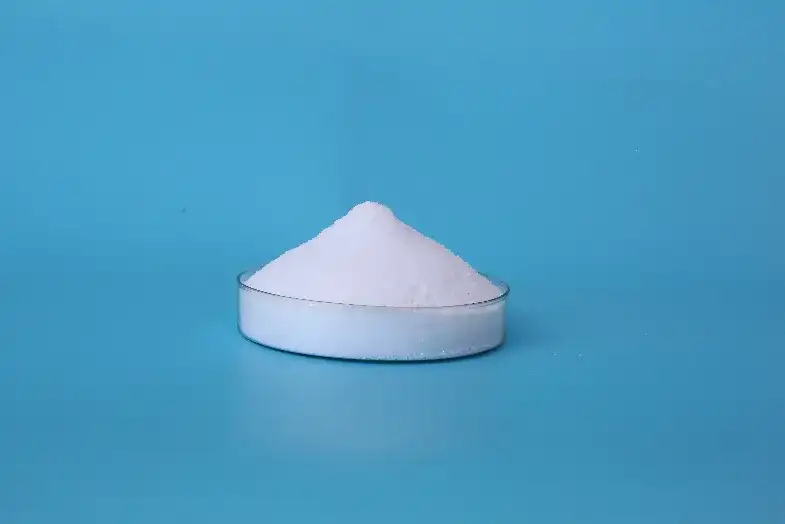
Undissolved gel particles in the size liquor or effluent treatment dosing line clog filters and leave residues on fabric. A non-ionic PAM with water insolubles consistently below 0.5% is a minimum; top-tier products hold below 0.2%. This figure should be verified by the manufacturer’s QC report per production lot, not just on a certificate of analysis printed once and reissued.
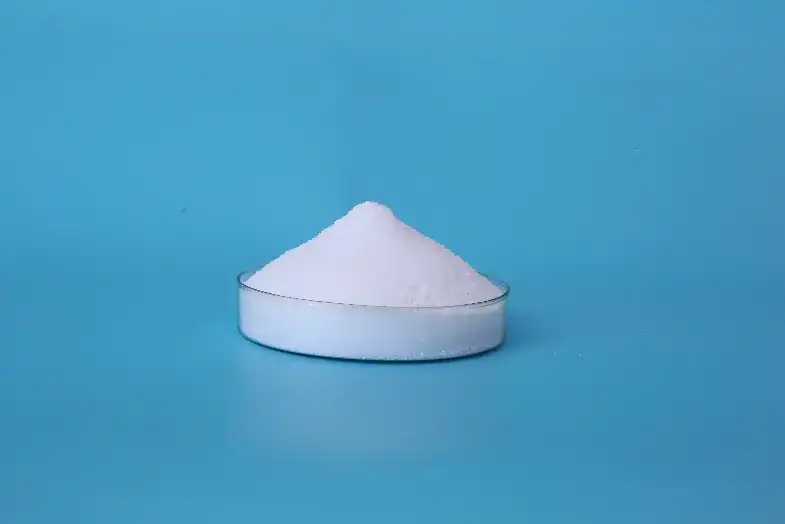
If your program involves a specific yarn blend—cotton-polyester, rayon, or filament that demands a particular film softness level—it is worth confirming your viscosity and solubility targets with the supplier’s technical team before committing to volume. Reach out at en*****@***er.com with your process details and we’ll review the right non-ionic grade for your line.
Supply Chain Reliability in a Factory-Direct PAM Partnership
A factory’s annual capacity number on a website tells you what they can produce; it doesn’t tell you how reliably they allocate to your orders during peak seasons or how they handle logistics when your destination port faces congestion.
The textile production calendar has its own rhythm—rush orders before seasonal fabric shows, sustained volume for basic fabric lines. A direct supplier needs to understand this and maintain enough global safety stock or production flexibility to ship against your forecast, not against a rigid monthly production schedule that was set three months earlier.
Our facility operates 500,000 tons of annual polyacrylamide capacity across multiple reactor lines, and because we also manufacture acrylamide monomer in-house with microbial technology, we aren’t subject to upstream monomer shortages that occasionally delay merchant-grade PAM producers. This vertical integration matters when a textile plant needs to increase a quarterly order by 20% with ten days’ notice. The ability to reschedule polymerization batches without scrambling for monomer means shorter response times.
Shipping logistics also belong in the evaluation. Factory-direct means the supplier takes responsibility for container loading, documentation for hazardous-free status (non-ionic PAM is classified as non-dangerous), and port-to-port tracking. In our global program, we have shipped non-ionic polyacrylamide to over 60 countries, so we’ve worked through customs clearance in major textile hubs like Dhaka, Karachi, Istanbul, and Ho Chi Minh City. Experience with specific destination requirements prevents two-week container demurrage surprises.
Technical Support That Extends Beyond a Product Shipment
The difference between buying a chemical and buying a supply solution often shows up at 2 a.m. when a dosing pump malfunctions and the shift supervisor blames the polymer. A factory-direct relationship should include application engineering that preempts those calls.
For textile plants, that support covers areas like sizing recipe optimization—recommending the precise non-ionic PAM dissolution concentration and cooking temperature to achieve a target size viscosity with your water quality. It also extends to jar testing protocols for effluent treatment: determining the best polymer concentration and mixing energy to flocculate desize liquor without generating excessive shear-degraded fines that reduce solids capture.
Our technical team routinely reviews customer water analysis and recommends a mixing procedure—often simple adjustments like inline dilution ratios or maturation time—that can improve flocculation efficiency by 10–15% without any change in chemical dosage. For mills where every percentage point of water recycle matters, that engineering input pays back far more than the polymer cost difference between suppliers.
Starting a Factory-Direct Non-Ionic PAM Trial Without Disrupting Production
Moving a textile plant’s sizing line or water treatment operation to a new non-ionic polyacrylamide supplier shouldn’t happen overnight. A structured trial period reduces risk and gives operations teams confidence in the switch.
First, request a pre-trial technical visit or a detailed form that captures your equipment setup, water quality data, and production throughputs. This forces the supplier to understand your process before shipping product, which weeds out those who only know how to send a container.
Second, run parallel jar tests with your current polymer and the new sample at your plant’s actual dosing concentration and pH. Compare floc size, settling rate, and supernatant clarity; for sizing, compare film tensile strength on a controlled lab draw-down. The numbers will quickly show if the new product matches or exceeds performance.
Third, start with a single batch or container for one production line, not the entire plant. Hold safety stock of your current polymer so that any unforeseen compatibility issue doesn’t halt production. We typically advise textile customers to run a 7–10 day trial with weekly QC checks—by day seven, any dissolution or film strength inconsistency will show up plainly.
Finally, establish a specification sheet signed by both sides that defines molecular weight range, solubility, insolubles content, moisture, and packaging. This becomes the contractual quality baseline for ongoing supply. When we onboard a new textile customer, the specification isn’t a sales document—it’s the technical definition of what every container must meet, with batch data supplied as proof.
Sourcing Non-Ionic PAM from a Production-Strong Manufacturer
For textile plants that run 24-hour sizing and finishing operations, factory-direct non-ionic polyacrylamide supply becomes a process reliability decision, not just a procurement cost decision. The right manufacturing partner brings measurable batch consistency, technical support that understands textile chemistry, and the production depth to hold your inventory position across seasonal peaks.
Our team at Shandong Nuoer Biological Technology operates integrated monomer-through-polymer production, and we support textile mills with tailored non-ionic PAM grades, technical application advice, and logistics that cover the full route from our facility to your receiving dock. Send your current sizing or water treatment parameters along with your target volume to en*****@***er.com or call +86-532-66712876, and we’ll provide a comparative analysis including specification alignment, expected delivery schedule, and trial planning guidance.
Common Questions About Direct Non-Ionic PAM Procurement for Textile Plants
What typical order volume is required for factory-direct non-ionic PAM supply?
The practical minimum container load is one 20-foot container, which holds approximately 12–14 metric tons of powder-grade non-ionic polyacrylamide in 25 kg bags. This covers several weeks of consumption for a mid-size textile plant running both sizing and water treatment operations. For plants willing to pay the freight cost premium, smaller trial quantities can sometimes be arranged through shared containers, though the per-ton logistics cost rises noticeably.
How long does shipping from China usually take, and does it affect product stability?
Non-ionic PAM is chemically stable as a dry powder when kept cool and dry, so shipping transit times of 25–40 days to most textile-producing countries do not degrade performance. Our packaging uses moisture-resistant inner liners and palletized wrapping. The key risk is not transit time but exposure to high humidity during port storage; we recommend clear receiving instructions to move containers into covered storage within 48 hours of arrival.
In programs we’ve supported, what is the most overlooked quality parameter?
Residual acrylamide monomer content. While most textile plants focus on molecular weight, a high monomer residual above 0.05% can create worker exposure concerns and regulatory compliance issues in the destination country. Non-ionic PAM produced with advanced microbial catalysis technology keeps monomer remaining below that threshold, but many generic products do not, so always request the monomer residual report.
Can the non-ionic PAM be customized for our specific textile water conditions?
Yes, we regularly adjust the molecular weight distribution and dissolution rate to match customer-side water hardness and mixing equipment. A customer using hard well water for sizing, for example, benefits from a product with slightly faster dissolution kinetics and an optimized particle size to avoid clumping. Provide your water analysis and current mixing procedure, and we’ll recommend whether a standard or customized batch is the better fit.
What if we want to start with a small trial before committing to a full container?
We often work with textile plants to ship a 500 kg or 1 ton sample via air or LCL for on-site trials. While the unit cost is higher due to freight, it allows the plant to confirm dissolution, film strength, and flocculation results under actual line conditions. Once the trial is successful, we align the production schedule for a full container order with the same batch parameters. Share your trial requirements and we’ll confirm the fastest feasible sample shipment path.
If you’re interested, check out these related articles:
Reliable Super Absorbent Polymer Manufacturer: Global Supply & Quality
Optimizing Acrylamide Aqueous Solution Strength for Industrial Efficiency
Nuoer Group donates sanitary pads to Rongzhuang Village.


 English
 Russian
 Arabic
 Spanish