
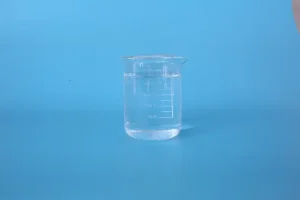
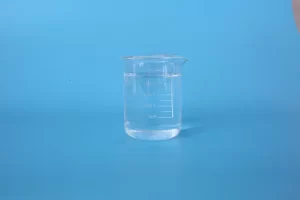
Acrylamide aqueous solution transforms large-scale polyacrylamide manufacturing by eliminating dry crystal handling, cutting dissolution time, and enabling precise process control. In fifteen years managing polymer production, I’ve seen how switching to a reliable liquid monomer supply reduces batch variability and operator exposure while simplifying plant logistics. This article examines how solution-form acrylamide integrates into continuous production lines, from storage infrastructure to dosing accuracy, and why it delivers a lower total cost of ownership for producers running 10,000 metric tons or more annually.
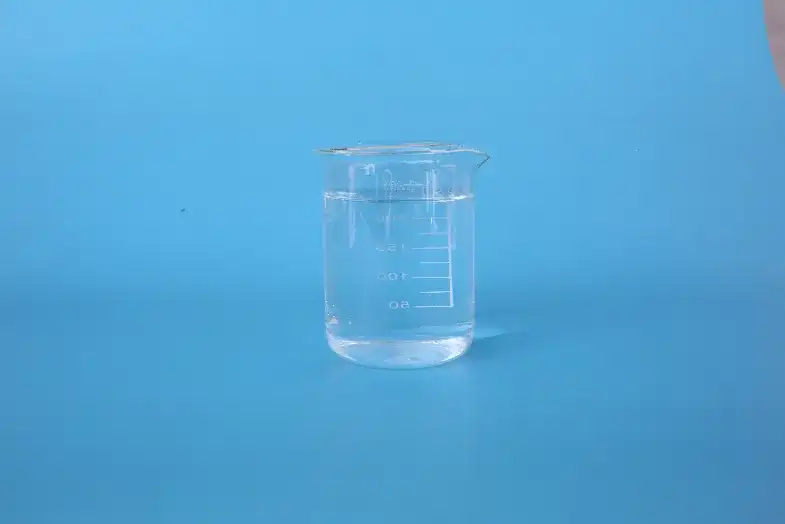
Acrylamide Aqueous Solution Eliminates Dry Handling Complexity
Handling acrylamide in dry crystal form introduces dust, dissolution inconsistency, and manual operator exposure every shift. Workers must open bags or supersacks, charge powder into mix tanks, and manage clumping that extends dissolution time by hours and sometimes creates gel balls invisible to inline monitors. In our own production lines, switching to aqueous solution directly reduced dust-related housekeeping downtime by half and improved first-pass dissolution uniformity within weeks. The liquid monomer arrives at the plant ready for direct pumping through flow meters into the polymerization reactor, with no bridging, no clumping, and no airborne particulates to control. A solution supply also removes the need for on-site dissolver vessels, heating that vessels to speed dissolution, and the associated energy costs. When combined with a nitrogen-blanketed storage tank and a simple heat-tracing loop to maintain 20–25 °C, the solution remains stable for months and feeds continuously without operator intervention.
Achieving Precise Dosing with Acrylamide Aqueous Solution
Dosing accuracy matters because even a 0.5% deviation in monomer charge shifts the resulting polymer’s molecular weight and charge density enough to change flocculation performance in the field. Aqueous solution makes accurate metering straightforward with mass flow controllers or positive displacement pumps, eliminating the batch weighment uncertainty that comes with manual powder handling. Concentration options from 28% to 50% give plants flexibility to adjust reactor feed rates without changing pump sizing. For processes that demand tighter molecular weight distributions, 40% solution often provides the best balance between pumpability at ambient temperature and sufficient monomer content to minimize water load on the reactor.
Matching Concentration to Your Process Setup
Plants running continuous stirred-tank reactors typically work well with 38–42% solution because viscosity stays low enough for reliable flow metering while still delivering a concentrated monomer stream. Batch reactors sometimes benefit from 28–30% solution when the reactor charge volume already includes significant water from other raw materials, helping maintain the target solids content without over-dilution. In either setup, I recommend confirming that your storage system can maintain the solution above 15 °C, because higher-concentration grades may develop slight stratification if stored below 10 °C without recirculation.
How Solution Concentration Shapes Polymerization Kinetics
Solution concentration directly influences the initial monomer concentration in the reactor, which in turn affects polymerization rate, heat evolution, and final molecular weight. A 50% solution delivers more monomer per unit volume but also generates more heat per unit time, demanding a reactor cooling system that can handle the peak exotherm. Our polymerization team found that using 40% solution with a controlled initiation ramp reduced peak temperature spikes by around 8 °C compared to charging dry crystal dissolved to the same final concentration, simply because the monomer enters the reactor already fully dissolved and uniformly distributed.
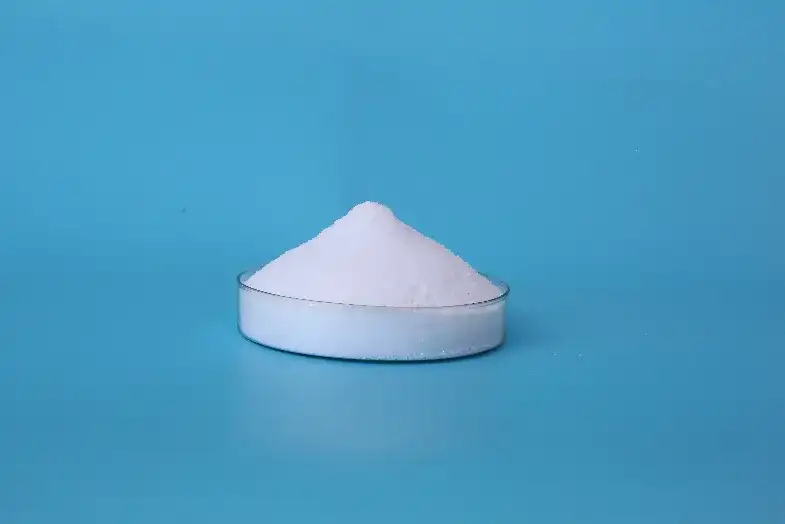
Integrating Liquid Feed Systems into Continuous Polymerization
Moving to a liquid monomer supply is as much a logistics and infrastructure decision as a chemistry one. Storage tank sizing must match the plant’s daily consumption, the supplier’s delivery frequency, and a minimum 72-hour contingency buffer for supply chain reliability. A 50,000 ton-per-year polyacrylamide plant we supported during its solution transition selected a 150 cubic meter insulated stainless steel tank with external circulation and nitrogen overlay, which covered about eight days of consumption at the 40% concentration it used. Over six months, the plant recorded a 15% reduction in Lot-to-lot molecular weight variation compared to its previous crystal operation, partly because the solution supply provided a single, quality-controlled monomer batch over multiple production days instead of one crystal batch per day with subtle spec differences each time. Integration with distributed control systems is also simpler: a level transmitter and flow meter feed directly into the automation system, making real-time consumption tracking and inventory management a default function rather than a manual spreadsheet.
If your operation involves variable-demand campaigns where consumption fluctuates by more than 40% month to month, it is worth confirming minimum throughput guarantees and logistics flexibility with your supplier before committing to a fixed tank arrangement. In our experience, planning the storage system for your peak weekly demand, with the ability to receive partial tanker deliveries during low-demand periods, keeps capital cost reasonable while retaining supply security.
Quality Parameters That Drive Consistent Polymerization
Consistent polymer output starts with consistent monomer input, and aqueous solution provides a more homogeneous feed stream than dry crystal right from the first mixer. Every lot of acrylamide solution should come with a certificate of analysis covering at minimum: acrylamide concentration, acrylonitrile, acrylic acid, pH, conductivity, and inhibitor content. The table below shows typical ranges for specifications you should expect from a high-quality industrial supplier.
| Parameter | 28–30% Grade | 38–42% Grade | 48–52% Grade |
|---|---|---|---|
| Acrylamide content | 28–30% | 38–42% | 48–52% |
| Acrylonitrile | ≤0.1% | ≤0.1% | ≤0.1% |
| Acrylic acid | ≤0.3% | ≤0.3% | ≤0.3% |
| pH (undiluted) | 7.0–9.0 | 7.0–9.0 | 7.0–9.0 |
| Conductivity (μS/cm) | ≤30 | ≤20 | ≤5 |
| Inhibitor (ppm) | 0–100 | 0–100 | 0–100 |
Solution produced with advanced microbial technology offers ultra-low impurity levels that suppress side reactions during polymerization, helping maintain the target molecular weight more predictably. When inhibitor content is too high for your initiation system, you can either select a low-inhibitor grade or adjust your initiator charge; confirm this parameter with your supplier at the specification stage rather than compensating later in process chemistry.
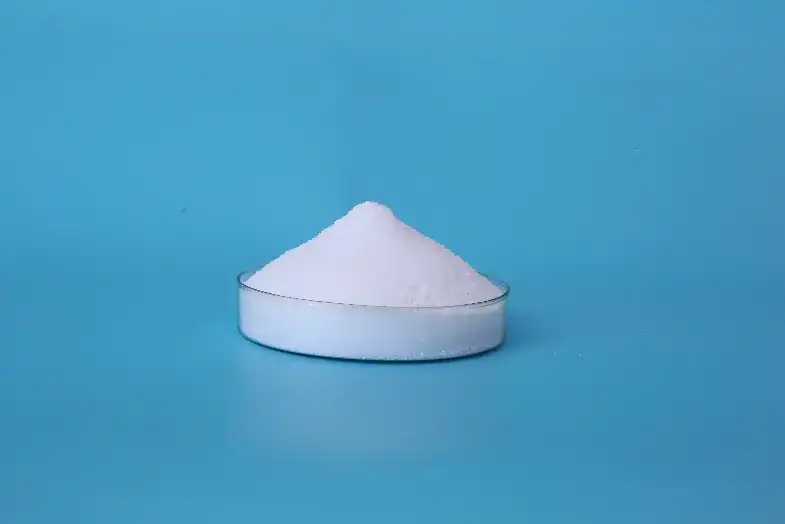
Total Cost Comparison: Crystal vs Solution in Large-Scale Production
Procurement teams often compare the unit price per ton of contained acrylamide and hesitate at the premium solution can carry per dry kilogram. A complete cost model must also account for on-site dissolution energy, dust abatement capex and opex, operator hours spent on solids handling, and the value of lost production from off-spec batches caused by incomplete dissolution.
Our internal analysis for plants consuming 10,000 to 30,000 tons of acrylamide per year showed a 12% reduction in total monomer-related cost per ton of finished polyacrylamide after switching to 40% solution, even after including tank lease and logistics. The largest savings came from eliminating dissolution heating time, cutting off-grade batch rates by roughly 7%, and reducing labor allocation to solids handling. For plants below 5,000 tons annually, solution remains operationally simpler but the logistics cost per unit may not break even against crystal unless the supplier operates a regional terminal that shares delivery routes. For anything above that threshold, the total cost of ownership numbers consistently favor solution form.
If your production plan involves producing multiple polyacrylamide grades on the same reactor line, the faster changeover and lower cross-contamination risk with liquid monomer feed also stack up as meaningful savings that line-item pricing alone won’t capture.
Evaluating Acrylamide Solution Supply for Your Production Goals
Transitioning to an aqueous monomer feed is one of the most reliable steps a large-scale polymer manufacturer can take to improve process consistency and reduce operator exposure. Shandong Nuoer Biological Technology Co. has supported plants switching from crystal to solution across more than 60 countries, supplying high-purity acrylamide aqueous solution produced via microbial technology with consistent lot-to-lot quality. We deliver concentrations from 28% to 50% with full documentation and flexible logistics planning. Share your plant’s monthly acrylamide demand and target concentration with us at en*****@***er.com or call +86-532-66712876, and our technical team will help you evaluate storage requirements, cost model, and integration timeline specific to your production environment.
Common Questions About Acrylamide Aqueous Solution in Production
What is the shelf life of acrylamide aqueous solution?
Under proper storage conditions—cool (5–25 °C), dark, and with a nitrogen blanket—acrylamide solution remains chemically stable for 6–12 months. In our own supply chain, we target use within six months to maintain the original pH and inhibitor profile. Plants that recirculate and test monthly can often extend use to a year without measurable polymerization risk.
Can I use solution form for batch polymerization?
Yes, and in many batch setups solution actually reduces cycle time because you eliminate the dissolution step entirely. The monomer comes pre-dissolved at the desired concentration, so charging the reactor is a simple pumping sequence. Batch plants that previously spent 2–3 hours dissolving crystal often report that time dropping to 20–30 minutes of pump charging with solution.
Does solution concentration affect inhibitor requirements?
It depends on your storage temperature and target shelf life. Higher-concentration solutions, 50% grades, may require slightly more inhibitor to prevent spontaneous polymerization during storage, especially if the plant lacks nitrogen blanketing. We work with customers to match inhibitor content to their actual storage conditions and initiation chemistry, so they are not adjusting initiator dosage to overcome excessive inhibitor.
Is a tank heating system necessary for storage?
For most climates, a heating system is not necessary if you install insulation and a recirculation loop. The main goal is keeping the solution above 15 °C to prevent any concentration stratification. In regions where winter ambient temperatures fall below freezing for extended periods, low-wattage heat tracing on the tank and lines is a sensible precaution. Our team can review your site’s climate data and recommend whether heating is required. If your project involves cold-weather logistics, reach out to en*****@***er.com with your location and monthly volume, and we will help you specify the appropriate storage configuration.
If you’re interested, check out these related articles:
Emulsion Polyacrylamide Concentration Selection Guide
Selecting a Reliable Acrylic Acid Manufacturer for Quality


 English
 Russian
 Arabic
 Spanish