
The monomer you select for polyacrylamide production does not just go into a reactor — it sets the baseline for every output metric downstream: molecular weight distribution, residual monomer levels, dissolution performance in the field, and production uptime. Too many evaluations stop at purity percentage and price per ton. We run half a million tons of PAM production annually, and I have found that monomer form — crystal or aqueous solution — and the impurity profile influence long-term economics more than the purchase price differential. This article walks through the criteria our team uses to benchmark acrylamide monomer for polymer synthesis, from logistics and storage to how the material actually behaves in continuous polymerization.
What Separates Crystal from Aqueous Solution Monomer
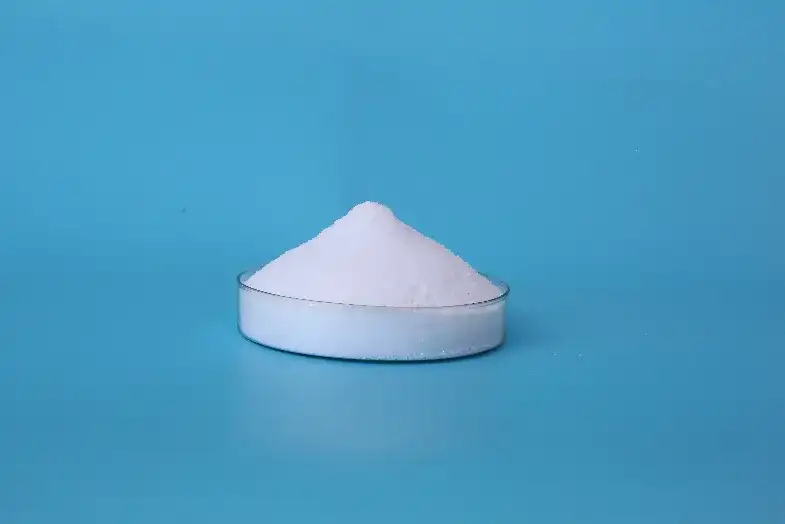
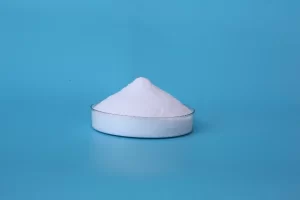
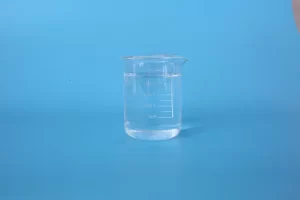
The physical form of the monomer shapes transport, storage, and reactor feed systems from day one. Acrylamide crystal is a white crystalline solid shipped in sacks or bulk bags, while aqueous solution is a pre-dissolved liquid delivered in tankers or IBCs. Each suits a different production profile.
The table below summarizes the operational differences we see in practice:
| Factor | Crystal (AM Crystal) | Aqueous Solution |
|---|---|---|
| Active content | ≥98% pure monomer | 25–50% concentration options |
| Storage life | 12–24 months under cool, dark conditions | 6–12 months, requires temperature control |
| Logistics cost | Lower per active kilogram (no water shipping) | Higher freight cost due to water weight |
| On-site handling | Dissolution equipment and dust control required | Pump-ready, minimal labor |
| Freeze sensitivity | Not applicable | Must be kept above 0°C, insulated transport needed |
| Feed precision | Batch weighing; dissolving step adds time | Metered injection into continuous lines |
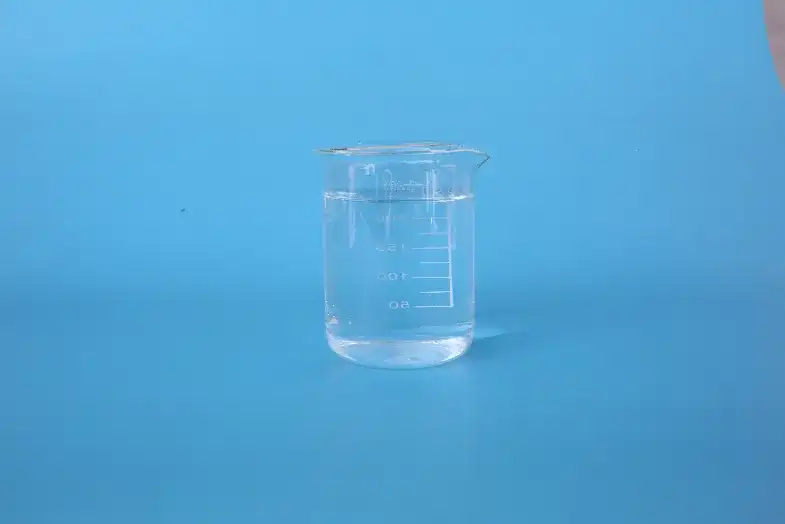
Plants with existing bulk liquid storage and continuous polymerization tend to favor aqueous solution because it eliminates the dissolving step. Facilities in cold regions, however, often choose crystal to avoid freezing risk during transport and warehousing. I have seen a case in northern China where a shift to solution monomer required a full heating and recirculation retrofit that delayed commissioning by two months — a cost that vanished once we switched to crystal supply.
Purity Parameters That Actually Influence Polymer Chain Reproducibility
Bulk purity is the headline number, but the trace impurities are what drive polymerization kinetics. Iron, conductivity, acrylic acid, and acrylonitrile residuals all interfere with free-radical initiation and can create inconsistent chain lengths.
Our microbial-based acrylamide production keeps iron below 1 ×10⁻⁶ and conductivity under 20 μS/cm in crystal grade, while solution grades range from 5–30 μS/cm depending on the concentration specification. Iron is particularly problematic because it chelates with initiators and can cause dead-end polymerization. A feedstock shift from a supplier with iron at 5 ppm down to sub-1 ppm reduced our batch rejection rate by roughly one percentage point — on a line producing 50,000 tons per year, that alone covered the monomer premium.
The inhibitor level is a parameter our procurement team adjusts per customer process. Crystal monomer ships with 3–10 ×10⁻⁶ inhibitor as standard; our aqueous solution can be supplied with 0–100 ppm inhibitor, which lets downstream PAM plants match their initiator dosages without a separate inhibitor removal step. The wrong inhibitor level does not just waste initiator — it shifts the molecular weight target, and that changes the flocculation performance the end customer measures.
Storage, Handling, and How It Integrates into Your Production Line
Operational fit often overrides the spec sheet. Crystal monomer demands a dissolving station, dust extraction, and operator training for safe handling. Once dissolved, the solution is indistinguishable from purchased aqueous monomer — but the dissolving step adds cycle time and requires hot water or steam. For batch operations running a few reactors, this is manageable. For a continuous polymerization line running 24/7, the labor and equipment footprint favors pre-concentrated solution.
Aqueous solution removes the dissolving burden but introduces temperature sensitivity. We ship solution in insulated tankers with temperature monitoring. Customers in regions with sub-zero winters install heated storage tanks and trace-heated piping, and that capital cost must be factored into the form selection. In temperate climates, simple indoor storage at 15–25°C is sufficient for the shelf life to hold. The pH specification of 7.0–9.0 in our solution product also matters because acidic monomer can self-polymerize slowly during extended storage, particularly if inhibitor levels drift low.
If your plant receives a monomer form that does not match your feed system design, the conversion can take 4–6 months of engineering and procurement. I recommend confirming the form fit during the feasibility stage rather than after you have signed a capacity contract. For teams weighing a new line or a monomer source change, we often share our layout references — reach out at en*****@***er.com and we can discuss what a practical retrofit involves given your existing setup.
Selecting a Supplier: What the COA Does Not Tell You
A certificate of analysis tells you the assay result for one batch. It does not tell you the month-to-month variation or what happens when the supplier scales up suddenly. We have encountered suppliers with excellent single-batch data who could not hold inhibitor tolerance bands across production campaigns, and the result was unpredictable polymerization times and off-spec molecular weight. That kind of drift is invisible in a single COA.
A few supplier characteristics we now weigh as heavily as purity data:
- Vertical integration: The supplier that makes its own acrylonitrile or has backward integration into acrylic acid typically has more consistent quality because the intermediate feedstock is not changing without notice.
- Microbial versus chemical route: Copper-catalyzed hydrolysis of acrylonitrile introduces trace metals; our microbial route eliminates that metal load from the start.
- Production scale: With 300,000 tons of annual acrylamide capacity, we run the same process across multiple lines, which means a customer’s supply is not dependent on a single-train output. Redundancy matters when your own production cannot stop.
- Technical responsiveness: When a customer’s PAM line switches to a new comonomer, the monomer supplier should be able to adjust inhibitor or pH within days, not weeks.
I do not recommend choosing a supplier based on a single sample test alone. We suggest running a series of pilot polymerizations using three separate batches from the supplier, spread across two to three months, and measuring molecular weight repeatability and residual monomer in the resulting PAM. If the standard deviation of molecular weight exceeds 8%, the process variation will eventually erode your quality margins.
The Cost You Do Not See on the Invoice
Price per ton is the most visible metric, and it is the weakest indicator of what you actually spend. A lower-priced monomer with elevated iron and conductivity may save $30 per ton at purchase but cost $50 per ton in wasted initiator, lower yield, and rework. The true comparison should account for:
- Active content: Aqueous solution at 40% means you are paying freight on 60% water. Crystal at ≥98% active content packs nearly 2.5 times more monomer per shipping container.
- Dissolution energy: Crystal requires hot water or steam and a dedicated dissolving vessel. For a 10-ton-per-day dissolution operation, the energy cost alone can reach $8–$12 per ton of monomer processed.
- Shelf life carry cost: Solution with a 6-month shelf life forces your purchasing to align with production schedules tightly; a missed shipment can idle a line. Crystal with a 24-month shelf life provides inventory flexibility that avoids rush freight and shutdown risk.
- Polymerization yield: High-purity crystal minimizes inhibitor variability, which in turn reduces the initiator adjustment needed per batch. That consistency leads to fewer reject batches.
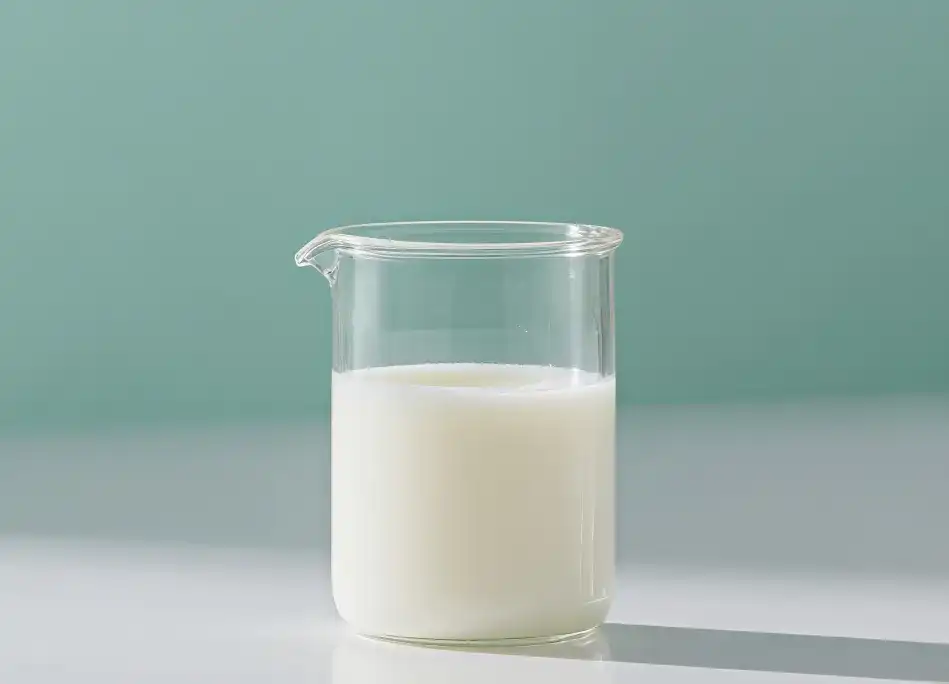
Across a 30,000-ton-per-year PAM plant, the total cost of ownership difference between a marginal monomer supplier and a premium supplier can exceed half a million dollars in avoidable waste and downtime. That figure comes from actual production data, not theoretical modeling. When we help customers build their monomer evaluation matrix, we urge them to include these hidden costs and weigh them against the invoice price.
Common Questions About Monomer Selection for PAM Manufacturing
Crystal monomer stores longer — are there any conditions that shorten its shelf life?
Storing crystal above 30°C or in direct sunlight accelerates inhibitor consumption and can promote spontaneous polymerization. We recommend keeping it in sealed, opaque packaging in a ventilated warehouse below 25°C. Under those conditions, 12–24 months is realistic. The first sign of degradation is a pH shift in the dissolved solution, which we quantify with a simple bench test before feeding the reactor.
What concentration of aqueous solution works best for continuous polymerization?
In programs we have supported, 40% solution is the most common choice because it balances pump viscosity with active content and still remains liquid above 0°C with minimal anti-freeze measures. 50% solution offers higher monomer throughput per pump stroke but requires closer temperature management to avoid crystallization in the lines during downtime. The right concentration is really a function of your feed system’s heating capacity and your ambient temperature range.
Can I get acrylamide monomer with a custom inhibitor level for a specific initiator system?
Yes, we supply aqueous solution with inhibitor content from 0 to 100 ppm and crystal with 3–10 ppm as standard, but both can be adjusted if your polymerization formula requires it. The adjustment must be locked into the production run at our end because adding or removing inhibitor after the fact risks localized excess that can stall polymerization. We usually confirm the target level with a lab-scale trial before commercial delivery.
Does the monomer impurity profile affect compliance with drinking water regulations?
Yes, and this is often underestimated. Impurities such as acrylonitrile and acrylic acid, if carried through into the PAM, can contribute to residual monomer levels in the finished polymer. Regulatory frameworks like NSF/ANSI 60 for drinking water treatment chemicals require the final PAM product to meet low residual limits. Starting with a monomer that has acrylonitrile ≤0.1% and acrylic acid ≤0.3% (as our solution and crystal do) gives the polymer manufacturer a wider process window to meet those end-use standards.
How quickly can a supplier scale delivery if our PAM plant doubles capacity?
It depends on the supplier’s own production infrastructure. We operate 300,000 tons of acrylamide capacity across parallel lines, so a step-change in demand is absorbed across existing assets rather than requiring a new plant build. If your operation is forecasting a capacity expansion, sharing your timeline with the monomer supplier early allows them to reserve capacity and plan shipping. Without that dialogue, you risk triggering a supply bottleneck that can delay your ramp-up. Contact us with your projected volumes and we can confirm availability and delivery schedules.
If you’re interested, check out these related articles:
Acrylamide Aqueous Solution Safety Requirements: A Comprehensive Guide
Acrylic Acid Price for Super Absorbent Polymer: Optimize Procurement
Nuoer Impressively Showcased at the 32nd China International Paper Technology Exhibition 2025
Acrylamide Monomer: Essential for Water Treatment Chemical Production
Acrylamide Solution Factory: Polymer Production Excellence


 English
 Russian
 Arabic
 Spanish