
Emulsion polyacrylamide has become standard for operations needing rapid dissolution and consistent flocculation without the dust and mixing time of dry powder polymers. Yet procurement and engineering teams face a tougher question than “powder or liquid” — which type of emulsion PAM, anionic, cationic, non‑ionic, or amphoteric, matches both the water chemistry of a specific site and the logistical realities of remote or high‑throughput operations. This article addresses operational decision criteria from a production manager’s perspective, evaluating supplier production capacity, global delivery reliability, and formulation customization as key factors alongside polymer specifications. We have seen that the most carefully selected product fails if supply is inconsistent, so here is the full picture needed to make a confident choice.
Emulsion PAM Delivers Faster Dissolution and Easier Handling
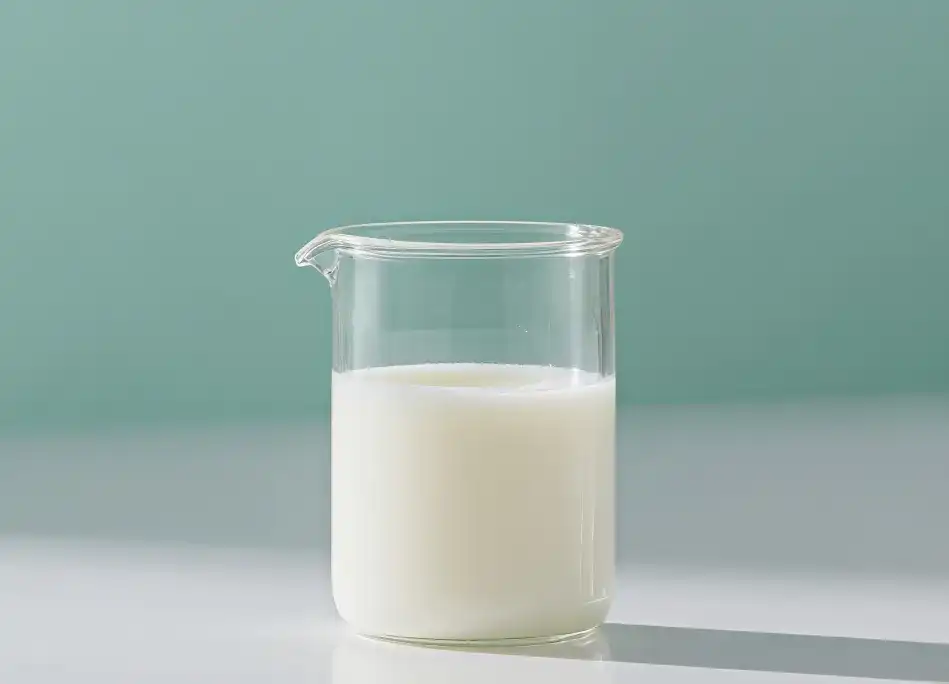
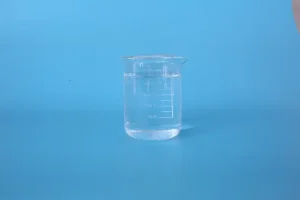
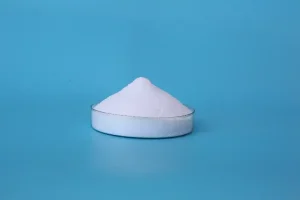
The primary advantage of water‑in‑oil emulsion polyacrylamide is dissolution speed. Where dry powder polymers can take 30 to 60 minutes to fully hydrate, emulsion PAM is ready within 5 to 15 minutes under low‑shear mixing. This cuts startup time and reduces the number of aging tanks required at remote treatment sites. The liquid form also eliminates respirable dust, a persistent handling problem with dry product. Emulsion polymerization produces high molecular weight with narrow distribution, which translates into strong flocculation and efficient settling. At our plant, annual production of 200 000 tonnes of emulsion PAM allows dedicated lines and consistent quality; we see that uniform dissolution directly lowers downtime for operations that cannot afford batch‑to‑batch variance.
| Feature | Emulsion PAM | Dry Powder PAM |
|---|---|---|
| Dissolution time | 5–15 minutes | 30–60 minutes |
| Dust handling | None | Required |
| Mixing equipment | Simple, low‑shear | High‑shear or aging tanks |
| Storage | Stable with temperature control | Dry, cool area |
Choosing the Right Emulsion PAM Type Matches Your Water Chemistry
Choosing between anionic, cationic, non‑ionic, and amphoteric emulsion polyacrylamide comes down to the pH, suspended solids, and organic load of the process water. Anionic emulsion PAM works well in alkaline environments typical of mining tailings and oil recovery. Our anionic grades, with molecular weights exceeding 30 million, offer strong bridging for high‑solids streams. Cationic emulsion PAM, manufactured with controlled charge density, is designed for sludge dewatering in municipal and industrial plants; its positive charge neutralizes the negatively charged organic colloids. Non‑ionic emulsion PAM is less sensitive to pH and salts, making it effective under acidic conditions where anionic polymers lose charge. Amphoteric emulsion PAM carries both positive and negative charges on the same chain, giving it unique tolerance to complex, variable water chemistry — we often recommend it for refinery and petrochemical effluents where composition shifts from shift to shift.
| Operation | Typical Water Condition | Recommended Type |
|---|---|---|
| Mining tailings settling | Alkaline, high solids | Anionic |
| Municipal sludge dewatering | Neutral to slightly acidic, organic | Cationic |
| Oil recovery water flooding | Brine, high hardness | Anionic or non‑ionic |
| Industrial wastewater with pH swings | Variable, complex | Amphoteric |
| Acid mine drainage | Acidic, heavy metals | Non‑ionic |
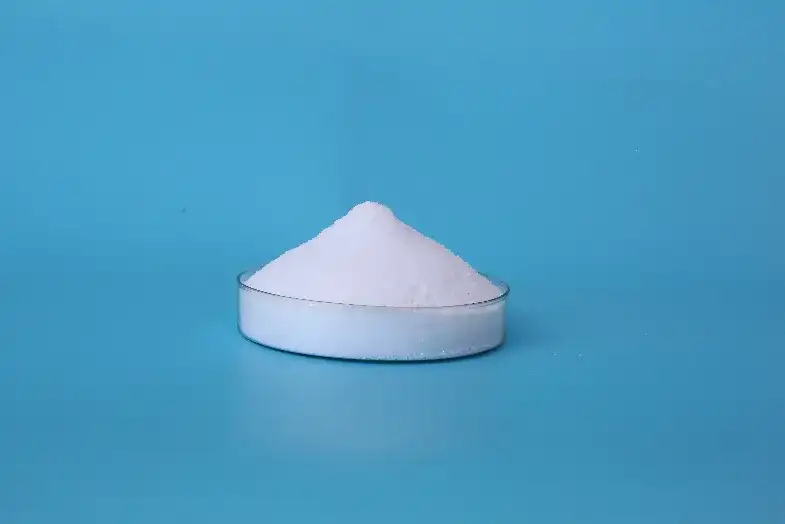
If your operation sits in a grey area where two types might work, sending a sample to the supplier for jar testing is the most reliable next step. We have supported many clients through this and found that upfront bench tests prevent the cost of re‑engineering later.
Supplier Scale and Global Logistics Determine Supply Reliability
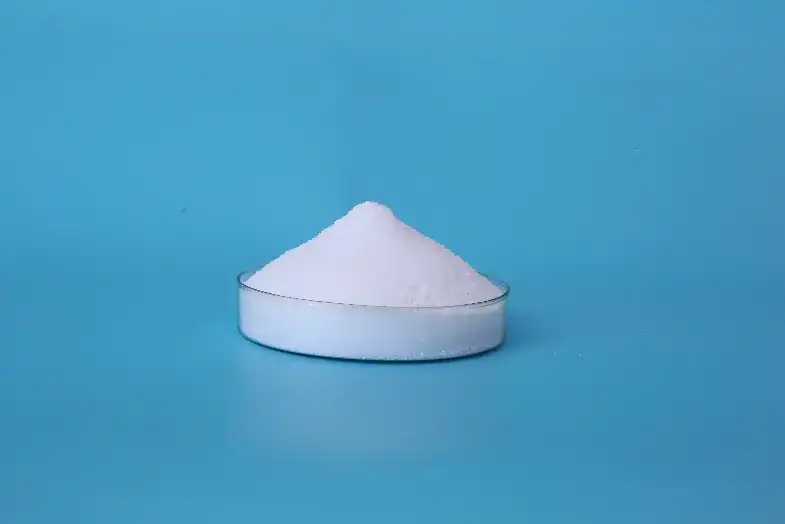
A product datasheet can look perfect, but if the supplier cannot deliver the required volume on time to a remote mine or treatment plant, the operation suffers. When evaluating emulsion PAM suppliers, three capacity indicators matter: annual production volume, production consistency, and the logistics network for delivering liquid emulsion to distant sites without degradation. Shandong Nuoer Biological Technology produces 500 000 tonnes of total polyacrylamide and 200 000 tonnes of emulsion PAM per year, supported by a sales and after‑sales system spanning more than 60 countries. This scale allows dedicated production lines for large accounts, avoiding the batch inconsistencies that can arise from shared, smaller reactors. The emulsion, made with advanced water‑in‑oil technology, remains stable for months under proper storage, reducing the risk of performance change during shipping.
If your program involves a customized amphoteric formulation or a non‑standard charge density profile, it is worth confirming production flexibility before finalizing your bill of materials — reach out at en*****@***er.com.
Proper Mixing, Dosage, and Storage Maximize Emulsion PAM Performance
Proper activation of emulsion polyacrylamide requires low‑shear mixing to invert the oil phase and release the polymer without breaking the molecular chains. In field deployments, we recommend a simple in‑line static mixer or a low‑speed agitator, which delivers consistent activation. Typical effective dosage ranges from 0.5 to 5 mg/L for treatment, but each water source demands its own optimal setting determined by jar testing. Overdosing does not improve results and can increase chemical costs and sludge volume. Storage is another factor: emulsion PAM should be kept between 5 °C and 35 °C. Although some formulations withstand freezing and thawing, repeated cycles may reduce molecular weight and flocculation efficiency. We advise packaging sizes matched to consumption rate so the product is consumed within its shelf life.
Total Cost Assessment Goes Beyond Emulsion PAM Price
Price per tonne of emulsion PAM often appears higher on an active polymer basis than dry powder, but a broader cost analysis reveals a different picture. Faster dissolution eliminates the need for large aging tanks and the associated capital and floor space. Reduced handling time, no dust control measures, and consistent performance mean that lower dosages can achieve target water quality, lowering overall treatment cost. More critically, a supplier with proven reliability and large‑scale production reduces the risk of operational interruption, which carries its own heavy cost. When selecting an emulsion polyacrylamide for your operation, weigh production capacity, logistics, and technical support as honestly as price. For technical data or to initiate a trial, contact Shandong Nuoer Biological Technology at en*****@***er.com or call +86‑532‑66712876.
Questions Engineers and Buyers Ask About Emulsion PAM
How fast does emulsion polyacrylamide dissolve?
Emulsion PAM dissolves within 5 to 15 minutes under standard low‑shear mixing at ambient temperature. The exact time depends on mixing energy, water temperature, and product concentration. This rapid dissolution is one reason operators choose emulsion over dry powder, which typically requires 30 minutes to an hour for complete hydration.
What concentration of active polymer is in the emulsion form?
Typical active polymer content in commercial emulsion polyacrylamide ranges from 30 % to 50 %. The remainder is oil, water, and emulsifier. For large‑dose applications, suppliers can adjust the concentration to meet viscosity and handling requirements; it is worth discussing your pumping and metering setup with the manufacturer.
Can I store emulsion polyacrylamide in freezing conditions?
Emulsion PAM is best stored between 5 °C and 35 °C. While some formulations are freeze‑thaw stable, repeated freezing can break the emulsion and reduce molecular weight, compromising performance. For cold‑weather projects, specific grades with anti‑freeze additives are available; confirm this with your supplier.
How do I find the right dosage without running extensive trials?
Jar testing remains the most reliable method. A supplier can provide an initial dosage range based on a water analysis, often narrowing it to a few milligrams per litre. We have found that sending a 5‑litre sample of process water to the supplier’s lab for quick flocculation screening saves weeks of onsite trial and error.
Is emulsion PAM more expensive than powder PAM in the long run?
While the unit price per active kilogram of emulsion PAM is often higher than powder, total cost of ownership can be lower because of faster deployment, reduced equipment footprint, and lower labor overhead. Many of our clients in remote mining and temporary treatment operations find that operational simplicity pays for the price difference within the first season. If your operation is running cost comparisons, share your current consumption and equipment setup so we can help you model the real numbers.
If you’re interested, check out these related articles:
Amphoteric Polyacrylamide Manufacturers Testing: Quality & Performance
Non-Ionic Versus Cationic Polyacrylamide for Paper Manufacturing
Anionic Polyacrylamide: Advancing Enhanced Oil Recovery Strategies


 English
 Russian
 Arabic
 Spanish