
Cationic polyacrylamide for sludge dewatering delivers consistent filter cake dryness when the polymer’s charge density is matched to the sludge type, because different sludge sources carry different surface charges that respond selectively to cationic monomer ratios. Municipal treatment plants, industrial processors, and mixed-waste facilities all generate sludge with distinct particle surface characteristics, and the difference between a 16% and 22% dry solids cake often comes down to whether the cationic PAM specification was selected for the actual sludge rather than a generic application. After more than fifteen years managing polyacrylamide production and working with dewatering operations across over 60 countries, I have seen plants cut polymer consumption by 10–15% simply by verifying the charge density match through jar testing instead of accepting a standard supplier recommendation.
Conditioning Sludge with Cationic PAM for Dewatering
Sludge particles in wastewater carry a net negative surface charge that keeps them dispersed. Cationic polyacrylamide carries positively charged quaternary ammonium groups along its polymer chain. When introduced to sludge, these cationic sites neutralize the negative surface charges, collapsing the electrical double layer that maintains dispersion. Once surface charges are neutralized, the high molecular weight polymer chain bridges multiple particles together, forming larger, denser flocs. This dual mechanism — charge neutralization followed by polymer bridging — transforms a thin, watery slurry into coarse, free-draining solids that release water readily under mechanical pressure. The polymer chain length, typically 6 to 12 million molecular weight for dewatering grades, determines how many particles a single chain can capture. Longer chains produce larger flocs but require adequate mixing energy to distribute the polymer evenly without shearing the flocs apart before they reach the dewatering equipment.
Matching Cationic PAM Charge Density to Sludge Type
Charge density — the proportion of cationic monomer units along the polymer backbone — is the specification that most directly determines dewatering performance, and it is also the one most often selected without verification. In our production experience, plants that run jar tests with multiple charge densities before committing to a product consistently achieve better cake solids and lower polymer consumption than those that accept a standard recommendation without testing.
Cationic PAM is classified by cationicity: low (10–20%), medium (20–40%), and high (40–60% or above) charge density. Primary sludge from municipal plants, containing mostly settleable solids with moderate organic content, responds well to medium-charge polymers in the 25–35% range. Waste activated sludge carries a higher proportion of extracellular polymeric substances and microbial cells with stronger negative surface charges, often requiring high-charge cationic PAM above 40% to achieve effective flocculation. Digested sludge generates fines and colloidal material that can demand high-charge polymer as well, though jar testing becomes essential because digestion conditions vary widely between plants.
Industrial sludge complicates the picture further. Food processing waste contains proteins and fats that interact with the polymer differently than mineral-based sludge from metal finishing. Mixed municipal-industrial streams present the most challenging case. We have seen plants where a 30% charge density polymer worked well in winter when industrial contributions were lower but failed in summer when food processor discharge increased the organic load. In these situations, a single charge density specification may not cover the full operating range.
| Sludge Type | Recommended Charge Density | Notes |
|---|---|---|
| Primary municipal | Low–Medium (10–30%) | Jar test to confirm |
| Waste activated | High (40–60%) | Higher EPS demands more cationic sites |
| Anaerobically digested | High (40–60%) | Fines-heavy, requires strong flocculation |
| Mixed municipal-industrial | Customized (25–50%) | Seasonal variation common |
If your sludge characteristics vary seasonally or your plant handles mixed industrial and municipal streams, it is worth confirming whether a single charge density covers all conditions or whether a customized product would reduce total polymer spend. Reach out at en*****@***er.com.
Choosing Powder or Emulsion Cationic PAM for Operations
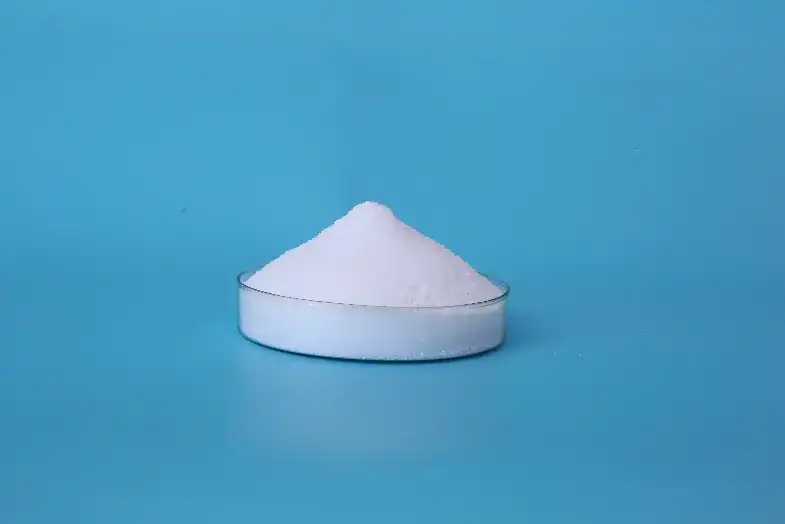
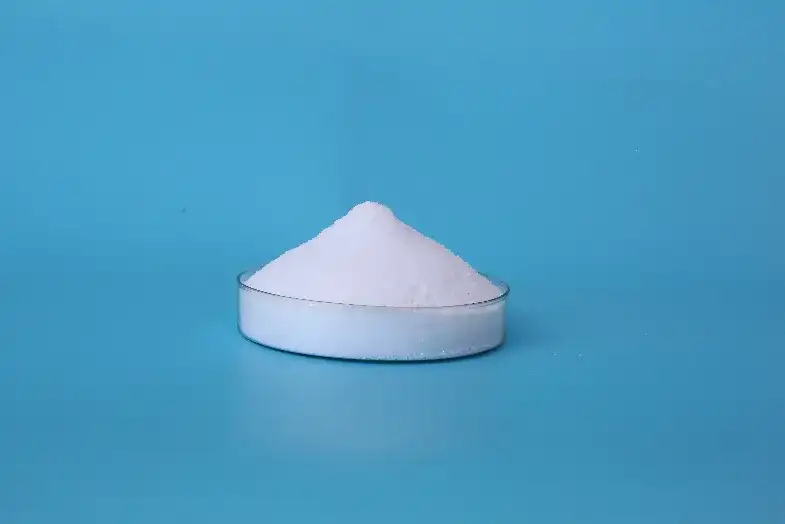
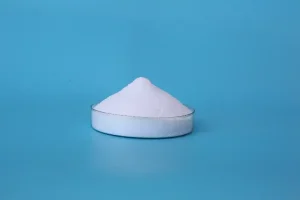
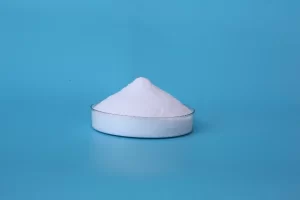
The choice between dry powder and emulsion cationic PAM shapes how the polymer is handled, prepared, and dosed every shift. Powder PAM stores compactly, ships economically, and has a shelf life of up to two years when kept dry and cool. The trade-off is preparation time: powder must be wetted, dispersed, and aged properly in a make-down system. Incomplete dissolution leads to wasted polymer and inconsistent dosing. I have observed plants where undissolved powder particles accumulated in dosing lines and reduced effective polymer concentration by 20% or more without triggering any obvious alarm.
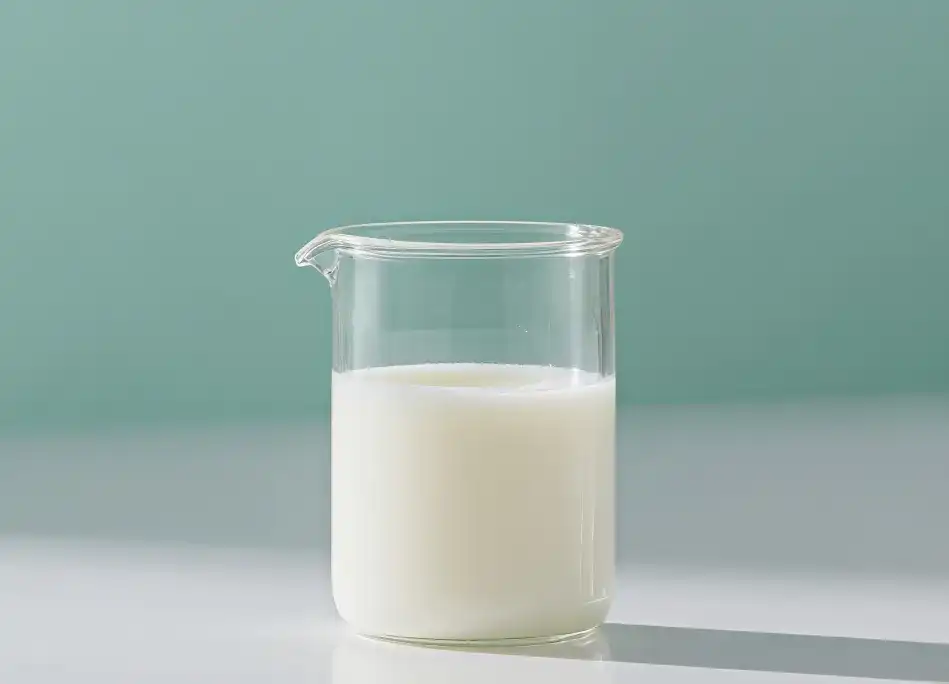
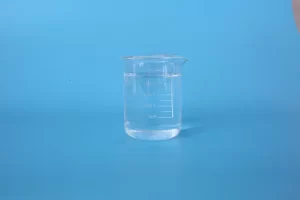
Emulsion PAM, produced through water-in-oil polymerization, contains polymer dispersed as micron-scale droplets in a hydrocarbon carrier. Its defining operational advantage is dissolution speed: an emulsion product typically hydrates and is ready for dosing within 5 to 15 minutes, compared to 30 to 60 minutes for powder. This makes emulsion particularly suitable for plants with limited aging tank capacity or those that need to adjust polymer concentration quickly in response to changing sludge conditions. The higher upfront cost per active kilogram is partially offset by eliminating aging-related polymer loss and reducing the labor and equipment footprint required for powder handling. However, emulsion products require freeze protection in cold climates and have a shorter shelf life — typically 6 to 12 months — because emulsion stability degrades over time.
If your plant has limited make-down equipment or minimal aging tank volume, emulsion PAM’s rapid preparation can reduce the time between polymer batch preparation and consistent dosing. Share your equipment configuration at en*****@***er.com and we can confirm which form fits without requiring additional capital investment.
Setting the Right Dosage and Preparation Method
Cationic PAM dosage is not a fixed number. It shifts with sludge solids concentration, particle surface area, mixing intensity, and the mechanical dewatering equipment downstream. A belt filter press operates with lower shear than a centrifuge and can tolerate larger, looser flocs formed at lower polymer doses. Centrifuges subject flocs to high G-forces that can break apart under-conditioned sludge. Plants running centrifuges typically dose 10–20% more polymer than those using belt presses on the same sludge, simply to build floc strength sufficient to survive the centrifugation cycle.
Preparation quality determines whether the dosed polymer actually reaches the sludge particles. A properly designed make-down system meters dry polymer into a high-energy wetting zone, disperses it into a known concentration — typically 0.25% to 0.5% for powder, 0.1% to 0.5% active for emulsion — and allows adequate aging time for full chain uncoiling. Post-aging, the polymer solution should be transferred gently. Centrifugal pumps and high-shear transfer can cleave polymer chains and reduce effective molecular weight. The dosing point should inject the solution into a zone of good mixing with the sludge stream, and operators should observe floc formation within seconds. If flocs take more than 10–15 seconds to become visible, the polymer is either under-dosed or incompletely dissolved.
In multiple customer operations, we have documented polymer savings of 10–15% simply by optimizing the make-down concentration and aging time to match the specific product grade, rather than running all products through the same preparation recipe.
Evaluating Cationic PAM Suppliers
Selecting a cationic PAM supplier involves more than comparing price per kilogram. The polymer’s performance in your specific dewatering equipment under your specific sludge conditions determines the true cost. A lower-priced product that requires 20% higher dosage costs more in practice than a higher-priced product that doses efficiently.
A supplier that produces its own cationic monomers holds a structural advantage in both consistency and cost. Cationic monomer quality directly influences polymer charge density uniformity, and in-house monomer production means the supplier controls that quality rather than depending on third-party intermediates. This matters most for plants running near the performance limits of their dewatering equipment, where batch-to-batch polymer variation can push cake moisture above disposal acceptance thresholds. Equally important is the supplier’s ability to customize cationicity and molecular weight. A supplier offering only a few fixed grades forces the plant to adapt its operation to the polymer; a supplier with production flexibility can adapt the polymer to the operation.
Production capacity also signals supply reliability. A plant that depends on a supplier running a single reactor train risks interruption if that train goes down for maintenance or if another customer books the available capacity. Suppliers with multiple parallel production lines and annual capacity in the hundreds of thousands of tons can absorb demand fluctuations and maintain delivery schedules. For polymer materials, where consistent supply directly affects a treatment plant’s environmental compliance, this is not a secondary consideration.
If your plant’s sludge characteristics push the limits of standard cationic PAM grades, working with a supplier that controls cationic monomer production and can adjust cationicity to your operating range often resolves performance gaps that off-the-shelf products cannot close. Send your sludge analysis data to en*****@***er.com or call +86-532-66712876, and our technical team will recommend a cationic PAM specification matched to your dewatering equipment and sludge profile.
Common Questions About Cationic PAM Sludge Dewatering
What charge density cationic PAM works best for municipal wastewater sludge?
Municipal sludge is not one material. Primary sludge responds well to medium-charge cationic PAM in the 25–35% cationicity range. Waste activated sludge, with its higher biological solids content and stronger negative surface charge, requires high-charge polymer above 40% in most cases. Plants that process combined primary and waste activated sludge should jar test both medium and high charge densities, running the test at the actual blend ratio the plant handles daily. The polymer that produces the clearest centrate or filtrate with the firmest floc at the lowest dose is the right starting point.
Can I use the same cationic PAM for both belt press and centrifuge dewatering?
The polymer specification can be the same, but the dosage and floc characteristics will differ. Centrifuges apply higher shear and demand stronger flocs, which usually means a higher polymer dose than a belt press processing the same sludge. In programs we have supported, selecting a charge density and molecular weight that work for the more demanding application — typically the centrifuge — and adjusting dosage downward for the belt press avoids maintaining two separate polymer inventories while still achieving target cake solids on both machines.
Why does my dewatered cake still feel wet even with polymer dosing?
Excess cake moisture has three common causes, and each requires a different fix. Under-dosing leaves fine particles unflocculated, and these fines migrate into the cake voids where they hold water by capillarity — increase dosage incrementally while monitoring cake solids. Over-dosing produces large, fluffy flocs that trap water inside rather than releasing it under pressure — reduce dosage and observe whether cake consistency improves. Incomplete polymer dissolution means a portion of the dose never becomes active — check your make-down system aging time and water quality. Hard water with high calcium or magnesium content can compete with the polymer for water and slow hydration. Each produces a wet cake, but the corrective action is different.
How long does prepared cationic PAM solution remain effective?
Prepared cationic PAM solution at 0.25%–0.5% concentration begins losing effectiveness within 24 hours. The polymer chains slowly degrade through hydrolysis and mechanical shear in storage, even without active mixing. After 48 hours, viscosity loss typically exceeds 10%, and dosing must increase to compensate. Our recommendation is to prepare only what your plant consumes in one shift and to size aging tanks for the hourly polymer demand rather than for holding prepared solution overnight. If your operation requires extended holding, emulsion PAM generally shows better solution stability than powder grades, though no prepared solution should be held more than 24 hours without jar testing to confirm activity. If your treatment throughput varies and you are unsure whether your preparation setup is sized appropriately for consistent dosing, share your operating data and we can help confirm the right configuration.
If you’re interested, check out these related articles:
Acrylamide Aqueous Solution: Factory Direct Purity & Supply
Reliable Cationic PAM Selection: Vetting Top Global Manufacturers
Anionic PAM Factory Direct for Water Flooding: Maximize Oil Recovery


 English
 Russian
 Arabic
 Spanish