
Sourcing acrylic acid directly from the factory lowers per-ton cost and strengthens supply chain control for absorbent manufacturers, but the practical benefit depends on how reliably purity, dimer content, and inhibitor levels match the demands of super absorbent polymer production. Having overseen large-scale acrylic acid output at Shandong Nuoer, I know that even small shifts in these quality parameters can reduce gel strength, absorption under load, and overall yield. This article examines what factory-direct sourcing actually changes, which monomer quality factors matter most for consistent SAP performance, and how to evaluate a supplier beyond a headline price.
How Acrylic Acid Purity Shapes SAP Performance
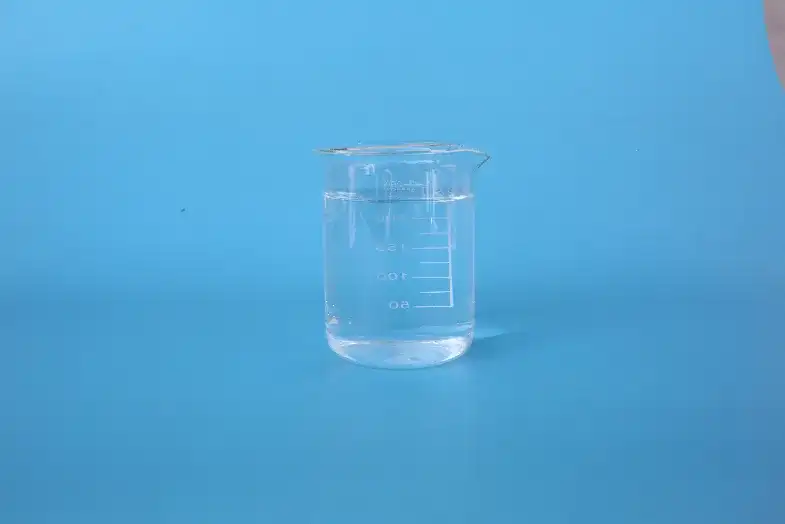
SAP is produced by polymerizing acrylic acid with a cross-linker, followed by neutralization. The acrylic acid molecule itself determines about sixty percent of the final polymer’s weight. Impurities that pass through into the SAP network—dimers, aldehydes, or water—interfere with chain formation. Dimers, which form naturally during storage, can act as unintended cross-link points that make the gel structure too tight, reducing the polymer’s free swelling capacity and slowing absorption speed. In our production, dimer content is tracked continuously; a shift of only 0.1 percentage has forced us to isolate material for investigation because downstream SAP batch tests began to drift outside specification.
Inhibitor is another parameter that carries more weight than many buyers realize. Acrylic acid is stabilized with monomethyl ether of hydroquinone (MEHQ) to prevent premature polymerization during shipping and storage. This inhibitor must be removed or compensated for before SAP synthesis, usually by adjusting the initiator charge. If the inhibitor level fluctuates batch to batch, the reaction initiation becomes inconsistent, producing SAP with wider variation in molecular weight distribution. That directly affects the balance between centrifuge retention capacity and absorption under pressure—two properties that every diaper or pad design relies on.
What Factory-Direct Sourcing Actually Delivers
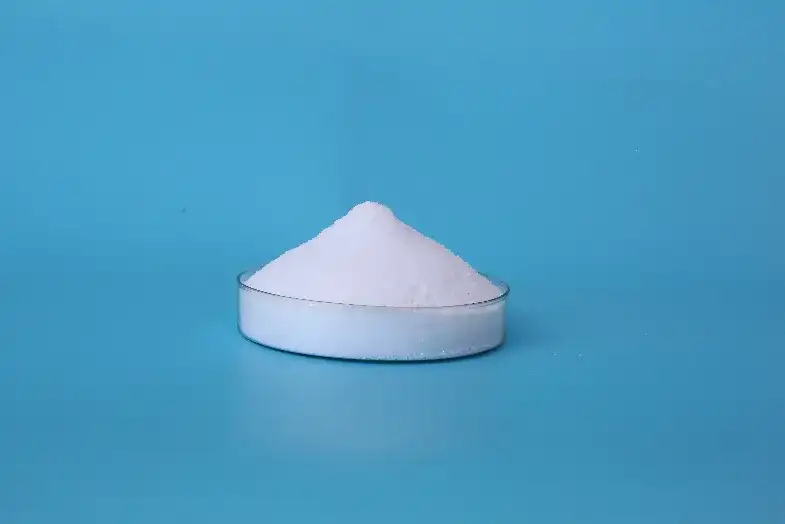
Buying directly from a producer removes distributor markups, but the greater advantage is having a direct line to the technical team that controls the production process. When a customer purchases factory-direct acrylic acid from Shandong Nuoer, they receive batch-level quality data and access to process engineers who can discuss inhibitor management and dimer trends over time. With 100,000 tons of annual acrylic acid capacity, we maintain a production scale that supports long-term supply agreements and gives absorbent manufacturers the confidence to tune their polymerization recipes without worrying that the next shipment will behave differently.
A practical part of that direct relationship involves handling and storage. We advise customers to plan for a temperature-controlled receiving and storage environment—ideally below 25 °C and protected from light—to keep dimer formation low and inhibitor stable. If a plant’s tank farm cannot guarantee those conditions year-round, more frequent deliveries and nitrogen blanketing become necessary. Because our production runs continuously, we can offer staggered shipments that align with a customer’s actual consumption rate rather than forcing them to hold large inventories. This reduces the risk of monomer degradation before it ever reaches the reactor.
The Hidden Cost of Low-Purity Acrylic Acid
In procurement conversations, a quoted price per ton often dominates the decision. The harder-to-see cost shows up inside the SAP reactor. Technical-grade acrylic acid routinely carries higher dimer and water content than glacial grade. Using technical-grade material, a manufacturer might see a 2 to 3 percent drop in absorption under load compared to established process targets. When that happens, the converter must add more acrylic acid per ton of finished SAP to stay within specification, partially or fully consuming the per-ton price advantage.
Beyond monomer efficiency, lower purity increases the risk of batch reprocessing or downgrading. In an absorbent product, even a moderate shift in SAP gel strength alters the core integrity of a diaper or adult incontinence article. Production lines designed around a narrow performance window cannot absorb that variability without waste. For lines producing premium-tier products—ultra-thin diapers or high-retention adult briefs—paying for glacial-grade consistency is cheaper than managing variability on the factory floor.
Evaluating an Acrylic Acid Supplier Beyond Price
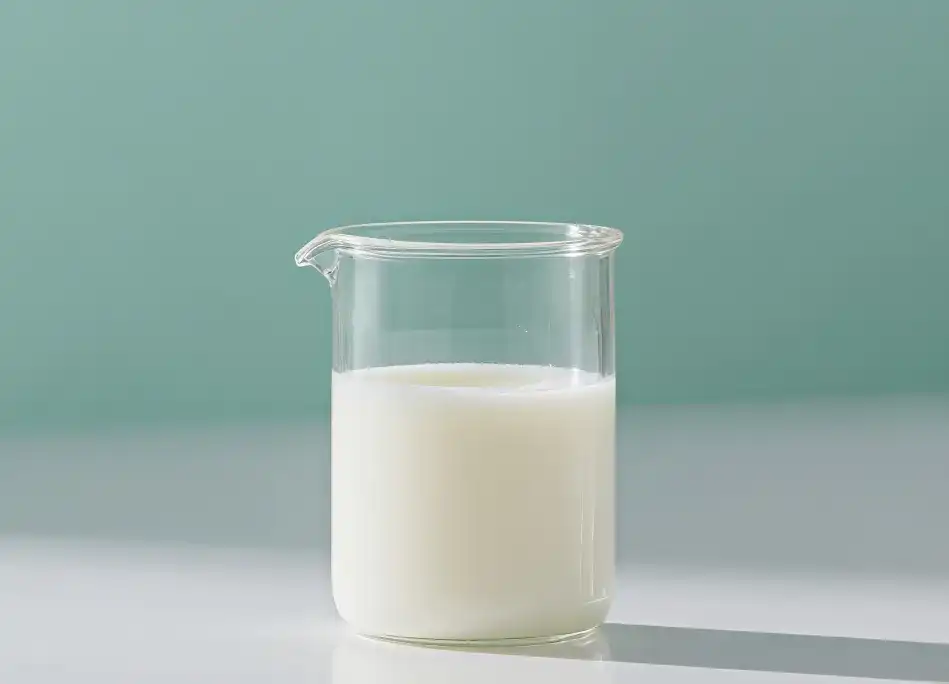
Absorbent manufacturers often ask us what specifications they should verify beyond the headline purity number. Based on our own internal release criteria, the key parameters that affect SAP production are dimer content, MEHQ inhibitor level, and water content. The table below shows our standard specification alongside typical industry expectations.
| Quality Parameter | Industry Expectation | Nuoer Specification | Effect on SAP Production |
|---|---|---|---|
| Purity (GC, %) | ≥99.5 | ≥99.7 | Higher purity reduces side reactions during polymerization |
| Dimer Content (%) | ≤0.2 | ≤0.15 | Lower dimer prevents uncontrolled cross-linking |
| MEHQ Inhibitor (ppm) | 180–220 | 180–220 (adjustable on request) | Stable inhibitor allows consistent initiator adjustment |
| Water Content (%) | ≤0.2 | ≤0.1 | Lower water improves monomer conversion |
Beyond the certificate of analysis, the supplier’s ability to show batch-to-batch trends over the last ten shipments reveals whether the process is under statistical control. A factory that also produces SAP—as Nuoer does—brings operational insight into how those quality parameters translate into absorption performance. When a buyer needs inhibitor-stripped acrylic acid for a particularly sensitive line, a producer with downstream experience can anticipate the consequence and adjust its purification steps accordingly.
Next Steps for Sourcing Acrylic Acid
No two absorbent manufacturing lines are identical. The decision to move to factory-direct supply should be guided by a clear understanding of your specific tolerance for dimer variation and inhibitor fluctuation. At Shandong Nuoer, we routinely help converters run these assessments by providing recent batch data and discussing the process adjustments we recommend for our monomer. For volume requirements from single-truck to monthly bulk, we maintain enough capacity to serve both pilot-scale trials and full production roll-outs without supply interruptions.
If the cost and consistency of acrylic acid are central to your SAP production planning, reach out to us at en*****@***er.com or call +86-532-66712876. Share your current purity targets and monthly consumption, and we will provide a specification alignment report along with a supply plan that accounts for your logistics and storage conditions.
Questions Absorbent Manufacturers Ask about Acrylic Acid Supply
Is glacial acrylic acid always required for SAP production?
For high-performance SAP in ultra-thin diapers or premium incontinence products, glacial acrylic acid is typically the safer choice because its lower dimer and water content support more uniform gel properties. Standard-grade SAP produced for economy-tier products can often use technical-grade acid if the supplier demonstrates consistent dimer control below 0.25%. The decision comes down to the performance window of the finished article; we see many converters select glacial simply to avoid batch-level variation.
How much can factory-direct sourcing realistically save?
Distributor margins often add 5 to 12 percent to the landed cost of acrylic acid. Factory-direct purchasing eliminates that layer, but the more significant savings frequently appear on the production side. More consistent monomer quality reduces downgrades and rework, which can improve overall SAP yield by one to three percent. Over a year of full-scale output, that improvement often outweighs the per-ton price difference of the acid itself.
What documentation should I request before committing to a supplier?
Request a certificate of analysis for the last ten production batches, not just a single representative sample. The CoA should report purity, dimer, MEHQ inhibitor, water, and color. Ask for the standard deviation of each parameter across those batches. A supplier who cannot provide trend data is likely not monitoring their process closely enough to guarantee shipment-to-shipment repeatability.
Does the inhibitor hinder polymerization?
MEHQ is consumed by the initiator system during polymerization, so it does not linger in the final SAP. The practical concern is batch-to-batch consistency: if inhibitor levels drift, the required initiator adjustment also shifts. Our customers typically add a small initiator surplus to handle minor variations. For lines that require especially tight control, we can supply acid with reduced inhibitor content after confirming the customer’s inhibitor handling capabilities.
What if my plant’s storage conditions are not ideal?
Acrylic acid that sits above 25 °C or is exposed to light forms dimers faster and can deplete inhibitor over time. If your receiving and storage environment cannot be fully conditioned, more frequent deliveries and nitrogen blanketing in the holding tank become necessary. We work with customers to build a shipment schedule that matches their real-time consumption, reducing the time acid spends in inventory. Share your storage constraints and we will determine whether factory-direct supply can be designed to keep monomer quality stable from arrival to reactor.
If you’re interested, check out these related articles:
Odor Control Super Absorbent Polymer Versus Standard SAP Performance
Anionic Polyacrylamide: Advancing Enhanced Oil Recovery Strategies
AI Empowerment: Bridging Strategy and Implementation at Nuoer


 English
 Russian
 Arabic
 Spanish