
Water scarcity at remote industrial sites, including mining camps, oilfield operations, and mobile treatment units, forces operators to rethink every process chemical. Limited water availability constrains flocculant preparation, making dry powder activation that demands clean water and mixing time a bottleneck. Emulsion polyacrylamide (PAM) offers a practical solution because it activates rapidly with minimal water, but selecting the right product and supplier requires understanding the interplay of formulation, logistics, and site conditions. This article examines the critical factors that determine whether an emulsion PAM will perform reliably when water is scarce, from product specifications to supply chain planning.
Emulsion PAM’s Water-Saving Mechanism
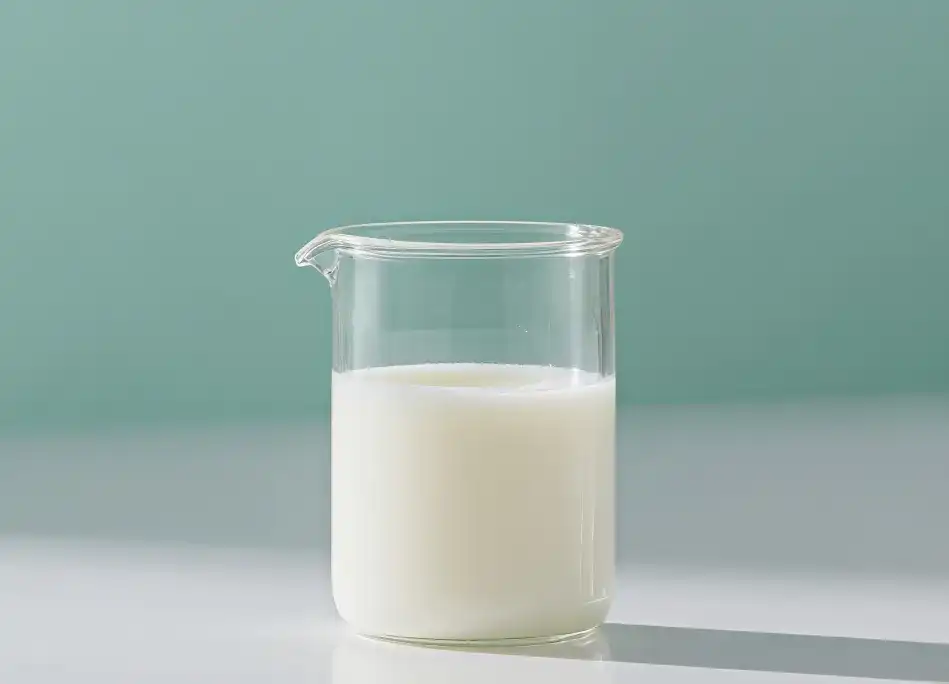
The primary advantage of emulsion polyacrylamide in water-limited operations comes from its production as a water-in-oil (W/O) emulsion. Unlike dry powder PAM, which needs thorough dissolution and aging tanks, emulsion PAM is already in a pre-dissolved high-concentration liquid form. When it meets process water, rapid inversion releases the polymer chains within 5 to 15 minutes, requiring far less make-up water overall. Our production experience confirms that emulsion PAM with uniform molecular weight distribution can cut activation water volume by 20 to 30 percent compared to powder systems with equivalent performance. This reduction is critical when every litre counts at a remote mine or desert-based temporary treatment unit.
Beyond fast dissolution, emulsion PAM delivers high flocculation efficiency at lower dosages. The high molecular weight and long-chain structure bridge fine particles quickly, which means treatment results are achieved with less polymer and less water for dilution. Field teams we work with report that switching from powder to emulsion PAM often reduces total water consumption in the polymer make-down system by a measurable margin, especially when the feed water itself has limited availability.
Critical Performance Specifications for Low-Water Conditions
Water-scarce operations need PAM grades that match the water chemistry without extra chemical adjustments that consume water. The first specification to confirm is charge type. Anionic emulsion PAM works well in alkaline waters typical of mineral processing. Cationic emulsion PAM is suited for acidic or high-organic-content streams, such as oilfield produced water. For sites where pH swings unpredictably, non-ionic emulsion PAM offers consistent flocculation without dependency on charge neutralization.
Molecular weight is another factor. In low-water systems, higher-molecular-weight polymers achieve the same bridging effect with less product, reducing the water needed for dilution. However, extremely high molecular weight can increase viscosity and slow activation if the solution shear is insufficient. Choose a product with the highest practical molecular weight that still dissolves quickly under your site’s mixing conditions.
The polymer concentration in the emulsion matters too. Emulsion PAM commonly ranges from 25% to 50% active polymer by weight. A higher concentration means less liquid to transport and store, which indirectly saves water because less volume handling reduces dust suppression and cleaning water. But very high concentrations can gel if not handled properly. Our technical team recommends starting with a 30 to 35 percent active content for most remote operations, balancing ease of pumping and rapid inversion.
If your water source varies significantly in pH or salinity, selecting the wrong charge type can force overdosing and waste water. Before finalizing your specification, send a water sample analysis to en*****@***er.com. We can confirm which emulsion PAM variant will perform with minimal water consumption under your actual water chemistry.
Emulsion vs. Powder PAM: A Field-Level Comparison
The choice between emulsion and powder PAM is not theoretical in water-scarce locations. The wrong choice creates operational headaches that consume water and time. The table below summarizes the key differences:
| Factor | Emulsion PAM | Powder PAM |
|---|---|---|
| Dissolution time | 5 to 15 minutes | 30 to 60 minutes |
| Water requirement for activation | Low; direct injection possible | High; requires dissolution and aging tanks |
| Dosage control | Precise metering as liquid | Requires pre-dilution; less accurate |
| Transport and storage | Sensitive to freezing; store above 0°C | Tolerant to temperature extremes |
| Dust and handling safety | No dust; closed system | Dust generation; requires ventilation |
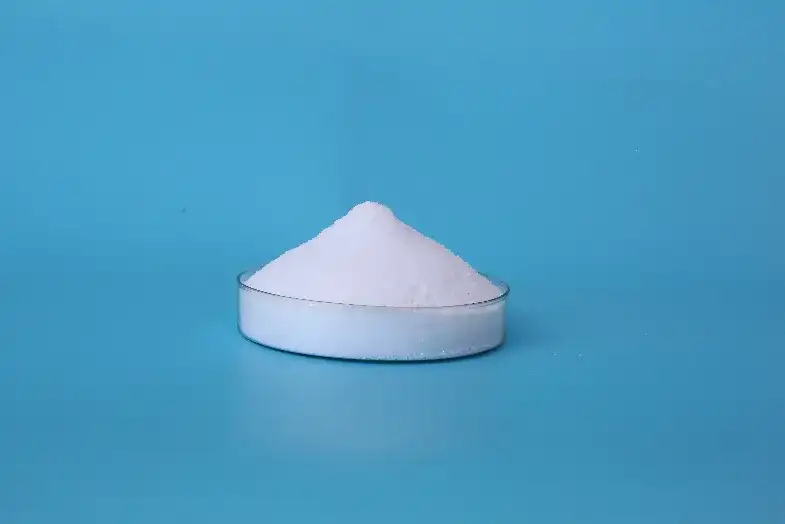
Beyond the table, practical field experience shows that emulsion PAM eliminates the need for a full polymer make-down unit, which alone saves several cubic meters of water per day in a medium-sized plant. However, emulsion PAM requires protection from freezing during transport to high-latitude or high-altitude sites. The logistics partner must ensure temperature-controlled shipping, and on-site storage must keep the product above 5°C. In our global shipments to remote mining operations in Central Asia and Africa, we specify insulated containers and monitor temperature logs. That upfront investment pays back in reliable product performance.
Supplier Selection for Water-Stressed Industrial Sites
Once you decide on emulsion PAM, the manufacturer becomes a critical link in your water management plan. A supplier without sufficient production capacity or technical depth can leave your site without product for weeks, wasting the water savings you planned for.
Look for a manufacturer that produces the full range of ionic types from in-house monomers, not a trader reselling standard grades. Vertical integration ensures batch-to-batch consistency, which is vital when water availability is so tight that any off-spec batch forces re-treatment and wastes water. The producer should openly share product specifications, dissolution time data, and residual monomer content—all of which affect performance in low-water activation.
Production scale matters. A manufacturer with a nameplate capacity of tens of thousands of tons of emulsion PAM annually can handle urgent resupply even during peak demand periods. Our production base in Shandong runs 200,000 metric tons of emulsion PAM capacity annually, built on integrated acrylamide and acrylic acid upstream production. That scale means we can hold buffer stock for clients in water-stressed regions, reducing delivery risk.
Technical support is the final piece. A capable supplier should help with jar testing using your site water, recommend the optimal charge density and molecular weight, and provide stability data for your anticipated storage conditions. Before finalizing a supplier, request test data on dissolution time under water temperature and salinity levels that match your site. This extra step often reveals performance gaps that generic datasheets miss.
Next Steps: Matching an Emulsion PAM to Your Water-Limited Operation
Water scarcity at your operation is not a generic problem with a generic solution. The right emulsion PAM can measurably cut your water use and simplify polymer handling, but only if the product is matched to your specific water chemistry, logistics constraints, and operational uptime requirements.
We work directly with procurement engineers and operations managers to translate site data into a recommended emulsion PAM specification. Share your water availability profile, target throughput, and current polymer consumption, and we will provide a performance-backed recommendation with documented dissolution curves and dosage projections. This is not a sales pitch; it is the same process we use in our own production trials to validate product consistency.
Contact our team at en*****@***er.com or call +86-532-66712876. Include a water sample analysis if available, and we will return a technical consultation within two business days.
Common Questions About Emulsion PAM for Remote Operations
Can emulsion PAM be used in freezing weather?
It depends on the grade and cold-exposure duration. Standard emulsion PAM must not freeze; a single freeze-thaw cycle destabilizes the water-in-oil emulsion. For winter operations, we recommend selecting a freeze-stabilized grade and shipping in insulated containers with temperature loggers. On-site storage should maintain above 5°C. If your winter temperatures stay below -20°C for weeks, heated tankage is required. Request cold-chain documentation when evaluating suppliers.
How do we calculate dosage with limited water?
A common mistake is assuming higher dosage compensates for less dilution water. In reality, emulsion PAM’s rapid inversion means the polymer chains hydrate quickly even in limited water, so optimum dosage is often lower than with powder systems. Start with jar tests at your expected water volume, targeting clear supernatant not rapid settling. Record the minimum dose that achieves acceptable clarity. Field operators we have trained typically find the working dose within 10 to 15 percent of the jar-test result, and water consumption in the make-down system decreases because less solution is needed.
Is emulsion PAM compatible with high-salinity water?
In programs we’ve supported at oilfields, cationic emulsion PAM maintained good flocculation at salinities up to 8,000 mg/L TDS when charge density was above 40%. Anionic grades are more salinity-sensitive; above 3,000 to 5,000 mg/L TDS the polymer coil loses bridging capacity. If your site water is high-salinity and limited, the practical approach is to test both a cationic and a non-ionic emulsion PAM with your actual water. Salinity-tolerant formulations exist but performance must be confirmed with a water sample, not assumed from a datasheet.
What is the shelf life in a remote storage container?
The short answer is 6 to 12 months, but the shelf life depends almost entirely on storage conditions. Sealed, cool (below 30°C), and dark storage preserves the emulsion. In desert containers where internal temperatures can exceed 45°C, shelf life can shorten to 3 to 4 months. Settling is another issue; we advise monthly recirculation for bulk tanks to prevent stratification. With each delivery, we provide a stability certificate and can advise on container setup for your climate. For sites with limited logistics windows, scheduling quarterly deliveries avoids the shelf-life gamble.
Does the product require special handling equipment?
The handling question really revolves around pump type, not special safety gear. Emulsion PAM is a non-hazardous liquid with no dust, so the only equipment concern is viscosity. Standard dosing pumps like gear or progressive cavity pumps handle it well, but centrifugal pumps can shear the polymer and reduce effectiveness. Most sites can use their existing liquid polymer dosing skid with a pump head change. Share your current pump model and we will confirm compatibility with the viscosity curve of the specific grade, helping you avoid re-engineering the dosing system under time pressure.
If you’re interested, check out these related articles:
Acrylamide Aqueous Solution Stability Testing: A Deep Dive
Cationic Polyacrylamide: Municipal Wastewater Treatment Solutions
Amphoteric Polyacrylamide: Optimal Solution for Mixed Effluent Treatment
Emulsion Polyacrylamide: Optimizing Oilfield Drilling Performance
Selecting Amphoteric PAM for Variable pH Systems: An Expert Guide


 English
 Russian
 Arabic
 Spanish