
Acrylamide crystal handling decisions shape polymerization outcomes long before the reactor starts. Production managers choosing between crystalline acrylamide and pre-dissolved aqueous solution weigh storage stability, dissolution complexity, logistics costs, and process integration, and each variable compounds when production scales from pilot batches to multi-ton daily throughput. Over fifteen years of overseeing polymer manufacturing and global supply chains, I have seen facilities gain measurable consistency by selecting one form over the other based on their specific operational profile, not on generic supplier recommendations. This comparison examines the practical handling tradeoffs that determine whether crystal or solution acrylamide delivers better total process economics for your production environment.
What Production Managers Evaluate in Acrylamide Handling
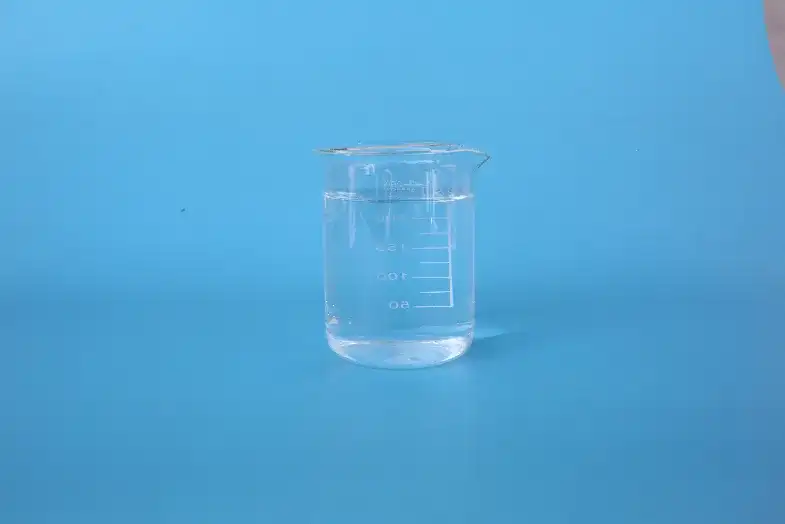
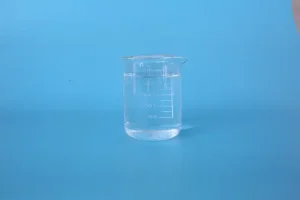
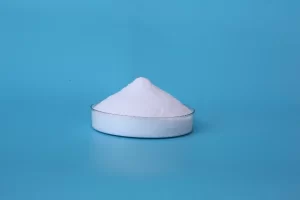
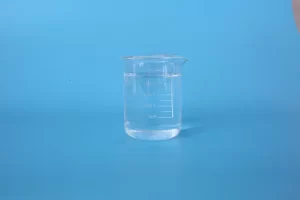
Acrylamide monomer arrives at the production site in two primary physical forms: white crystalline solid with purity at or above 98 percent and aqueous solution at concentrations ranging from 25 to 50 percent. The decision between them extends beyond unit price. Production managers must account for how each form interacts with existing storage infrastructure, dissolution equipment, polymerization reactor feed systems, and safety protocols.
Crystal acrylamide stores as a dry solid, typically in flake form, with moisture content controlled below 0.8 percent. It resists premature polymerization when kept cool and dark, offering a shelf life of one to two years under proper conditions. Aqueous solution eliminates the dissolution step entirely but introduces shorter storage windows, larger volume requirements per kilogram of active monomer, and sensitivity to temperature excursions that can trigger unwanted polymerization. At Shandong Nuoer Biological Technology Co., our production planning evaluates these factors alongside throughput requirements when recommending monomer form to polymer manufacturers.
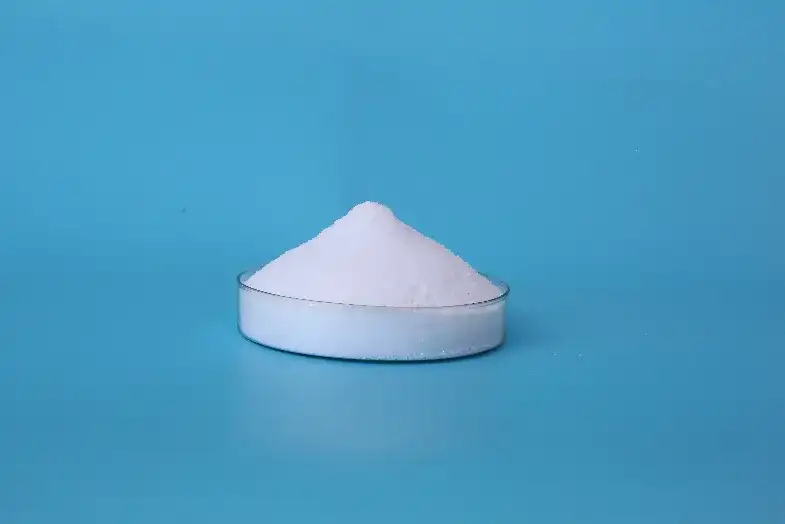
The inhibitor package in each form also differs in practical impact. Crystal acrylamide contains controlled inhibitor levels between 3 and 10 parts per million, sufficient to prevent polymerization during storage and transport while dissolving predictably during reactor charging. Solution grades offer customizable inhibitor content from zero to 100 ppm depending on the customer’s polymerization process, which provides flexibility but requires the receiving facility to verify compatibility with their initiator system before committing to a solution supply program.
How Do Crystal and Solution Compare for Storage Stability
Storage conditions determine whether a monomer form adds value or creates waste. Crystal acrylamide stored in a cool dry warehouse away from direct sunlight maintains specification grade quality for 12 to 24 months. The crystalline structure physically separates monomer molecules, slowing the thermal and photo-initiated degradation that limits shelf life. Facilities in hot or humid regions gain an advantage from crystal because dry solid form tolerates temperature fluctuations better than aqueous solution, provided packaging integrity is maintained.
Aqueous solution presents a different storage profile. Typical shelf life ranges from three to six months under recommended conditions, and exposure to temperatures above 30 degrees Celsius accelerates degradation and can initiate polymerization in the storage tank. Solution also demands more storage volume: a 40 percent solution requires roughly 2.5 times the tank capacity per tonne of active monomer compared to crystal. For producers operating in regions with limited temperature controlled warehousing or those maintaining buffer stock for supply chain resilience, crystal acrylamide reduces storage complexity and obsolescence risk.
The comparative storage parameters are summarized below:
| Parameter | AM Crystal | AM Aqueous Solution |
|---|---|---|
| Typical purity or concentration | ≥ 98.0% solid | 25% to 50% active |
| Shelf life under proper conditions | 1 to 2 years | 3 to 6 months |
| Storage volume per tonne active monomer | ~1.0× | ~2.5× at 40% |
| Temperature sensitivity | Moderate | High |
| Inhibitor range | 3 to 10 ppm | 0 to 100 ppm, customizable |
I have observed facilities that switched from solution to crystal specifically to reduce working capital tied up in expiring monomer inventory, and the improvement in material utilization typically recovered the modest additional dissolution equipment cost within the first year of operation.
How Does Handling Method Affect Polymerization Consistency
The dissolution step is where handling differences between crystal and solution translate directly into polymer quality. Crystal acrylamide must be dissolved into water at controlled concentration before feeding to the polymerization reactor, and this step introduces variables: water quality, dissolution temperature, mixing time, and transfer procedures all influence the final monomer solution quality that reaches the reactor.
Facilities that manage dissolution well gain a process control advantage. Because crystal acrylamide dissolves cleanly in water, acetone, and ethanol, the operator can prepare monomer solution at the exact concentration and volume required for each batch, with full visibility into solution clarity and any undissolved material. This batchwise preparation reduces the risk of feeding degraded monomer to the reactor, a risk that increases with aqueous solution that has been stored near the end of its shelf life.
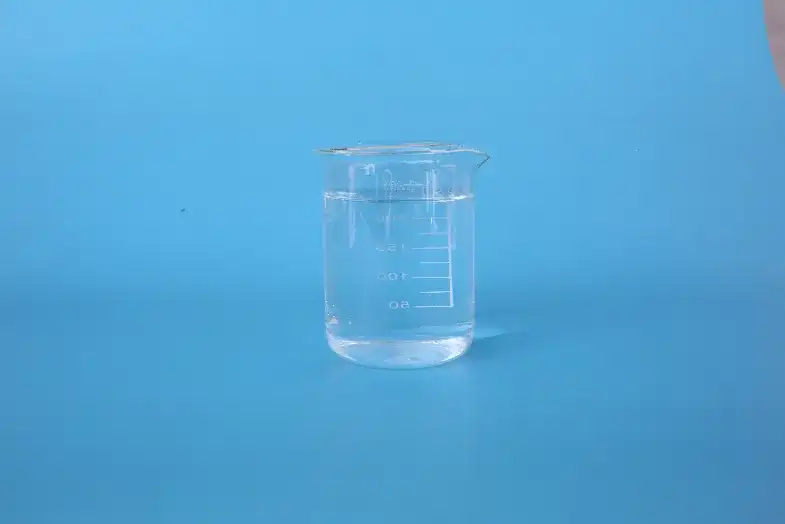
Aqueous solution eliminates the on-site dissolution step, which reduces labor and equipment requirements. The tradeoff is that the receiving facility accepts the monomer solution as delivered, with limited ability to verify concentration uniformity or detect partial polymerization that may have occurred during transport. For continuous polymerization processes operating at steady state, this simplification often justifies the higher logistics cost. For batch processes producing multiple polymer grades with varying monomer concentration requirements, crystal offers the flexibility to prepare fresh solution at the precise specifications each grade demands.
If your production process involves tight molecular weight targets or multiple product changeovers per week, it is worth confirming whether your current monomer form supports the batch to batch consistency your customers require. Reach out at en*****@***er.com to discuss your specific polymerization setup.
What Are the Logistics and Safety Tradeoffs Between Forms
Transportation economics and safety compliance create another dimension to the crystal versus solution comparison. Crystal acrylamide ships as a dry solid in sealed packaging, which simplifies freight classification, reduces shipping weight per tonne of active monomer, and lowers the consequences of a packaging breach compared to a liquid spill. A container of crystal acrylamide delivers approximately 980 kilograms of active monomer per tonne of product, whereas a 40 percent solution delivers only 400 kilograms per tonne of liquid shipped. For international supply chains serving polymer producers across more than 60 countries, this freight efficiency translates into meaningful delivered cost differences.
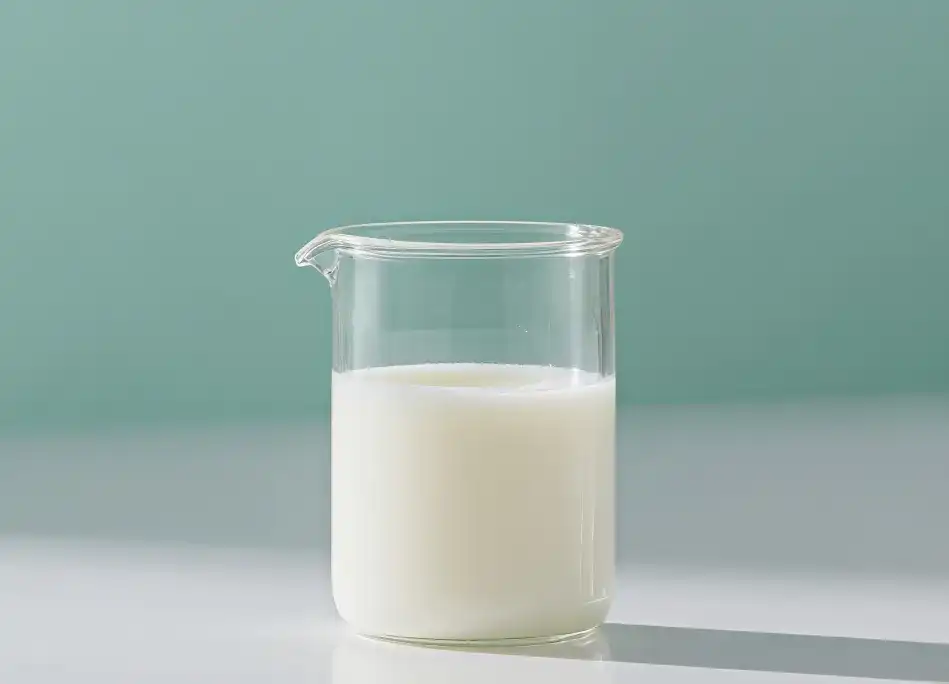
Safety handling requirements differ between the two forms. Both require standard industrial chemical handling procedures including personal protective equipment and proper ventilation. Crystal acrylamide, being a solid, presents lower spill hazard and simpler containment in the event of packaging damage. Aqueous solution, as a liquid, requires secondary containment, spill response plans, and careful temperature management during transport. Production sites with established liquid chemical handling infrastructure may absorb these requirements without significant additional investment. Sites that primarily handle dry raw materials often find crystal integration simpler and lower cost.
Total delivered cost calculations should include freight per active kilogram, storage infrastructure amortization, dissolution equipment and labor for crystal, temperature controlled receiving and storage for solution, and expected material loss from shelf life expiration. In our work with polymer producers across different regions, we typically find that crystal acrylamide delivers lower total cost for facilities producing more than 5,000 tonnes of polyacrylamide annually, while solution can be cost competitive for smaller facilities or those with existing liquid monomer handling systems already in place.
Which Form Matches Your Production Scale and Operation
The decision framework that emerges from these comparisons is not universal but operational. Production scale, process type, geographic location, and supply chain strategy each push the recommendation toward one form or the other.
Large scale continuous polyacrylamide production benefits from crystal acrylamide storage stability and freight efficiency, provided the facility invests in dissolution capacity. The ability to hold six to twelve months of monomer inventory without degradation protects production schedules against supply disruptions. Batch producers making multiple polymer grades gain flexibility from crystal because each batch starts with fresh monomer solution at the precise concentration required. Smaller facilities or those producing a single polymer grade at steady state may prefer aqueous solution for its operational simplicity. Eliminating the dissolution step reduces capital equipment, operator training requirements, and quality control burden at the receiving stage.
Regional factors shift the balance as well. Hot climate locations without temperature controlled warehousing see higher solution degradation rates, which strengthens the case for crystal. Facilities located close to acrylamide solution production plants may enjoy favorable solution logistics that offset some of the freight efficiency advantage of crystal. Supply chain resilience priorities, which have grown more prominent across the chemical industry, generally favor crystal because longer shelf life provides a larger buffer against logistics disruptions.
The handling decision between acrylamide crystal and solution is ultimately a production engineering question, not a procurement question. The form that aligns with your storage infrastructure, dissolution capability, production scale, and supply chain strategy delivers better total process economics regardless of which carries the lower unit price on a supplier quotation. We supply both crystal acrylamide with purity at 98 percent minimum and aqueous solution at concentrations from 25 to 50 percent, and our technical team supports form selection based on your specific production conditions rather than a one size recommendation. Send your production requirements to en*****@***er.com or call +86-532-66712876 to begin a technical evaluation of which monomer form fits your operation.
Common Questions About Acrylamide Form Selection
Which form delivers better polymerization results?
Crystal acrylamide, dissolved fresh on site, gives the operator full control over monomer solution quality entering the reactor. There is no question about what happened to the monomer during transport or storage. Solution acrylamide, when fresh and properly handled, polymerizes identically to crystal dissolved solution. The difference is that crystal puts quality verification in the hands of the production team, while solution requires trust in the supply chain handling practices.
Does crystal acrylamide require specialized dissolution equipment?
Standard chemical mixing vessels with temperature control and good agitation suffice for most production scales. The dissolution process is straightforward: add crystal to water at controlled temperature while mixing, and continue until the solution is clear. Facilities producing more than 20 tonnes of polyacrylamide per day typically automate this step, which adds capital cost but reduces labor and improves batch to batch consistency.
How do I verify incoming acrylamide quality regardless of form?
For crystal, visual inspection of flake color and uniformity provides a first check, followed by laboratory analysis of purity, moisture, and inhibitor content against the certificate of analysis. For solution, concentration verification by refractometry or chemical titration should be performed on every received lot, and a small scale polymerization test can reveal whether partial polymerization occurred during transit. In programs we have supported, establishing these receiving inspection protocols before the first shipment arrives prevents the most common quality disputes.
When does the cost crossover favor crystal over solution?
Based on freight, storage, and material utilization analysis across multiple production sites, the total cost crossover typically occurs between 3,000 and 5,000 tonnes of annual polyacrylamide production. Below this range, solution’s elimination of dissolution capital and labor often offsets its higher freight and shorter shelf life. Above this range, crystal’s freight efficiency and storage stability produce measurable annual savings. Share your production volume and monomer consumption pattern with us at en*****@***er.com or call +86-532-66712876, and we will prepare a form specific cost comparison for your operation.
If you’re interested, check out these related articles:
Optimizing Acrylamide Solution Concentration for Industrial Performance
Acrylamide Aqueous Solution: Factory Direct Purity & Supply
Nuoer Impressively Showcased at the 32nd China International Paper Technology Exhibition 2025
Amphoteric Polyacrylamide Manufacturers Testing: Quality & Performance
SAP in Premium Baby Diaper Construction: An Expert Guide


 English
 Russian
 Arabic
 Spanish