
Paper mills evaluate retention aids first by unit price, but that number rarely predicts total wet-end cost. Non-ionic PAM cost effectiveness depends on how reliably a polymer maintains retention and drainage across furnish changes, pH swings, and closed whitewater loops. We have seen mills reduce polymer consumption after switching to a higher molecular weight non-ionic grade, not because it was cheaper per kilogram but because it performed at a lower dosage. This article explains the cost factors that matter before a trial: furnish chemistry, dosage response, system stability, and polymer handling.
Non-Ionic PAM Cost Effectiveness Depends on Retention and Drainage
The cost per kilogram of dry polymer is only one input. A more useful measure is the cost per ton of finished paper at the retention target, because retention aid performance changes how much fiber, filler, and fines stay in the sheet. When first-pass retention rises, the mill loses less filler to the whitewater. When drainage improves, the sheet reaches the dryer with less water, so steam demand falls. These two effects often exceed the polymer purchase price in total cost impact, which is why a retention aid trial that tracks only chemical consumption can produce the wrong conclusion.
Non-ionic PAM is a high molecular weight homopolymer of acrylamide with low ionization. Its flocculation performance is less affected by pH and salt concentration than charged polyacrylamides, which matters in paper mill wet ends where alum, broke, and closed water loops shift ionic conditions. In acid-furnish trials we have supported, non-ionic PAM held first-pass retention within a narrower band when pH moved below 5.5, while an anionic HPAM control needed frequent dosage correction. That stability translates directly into lower operational cost because fewer grade changes require less polymer rebalancing.
Furnish Chemistry Changes the Value Calculation for Non-Ionic PAM
Furnish chemistry determines whether a retention polymer is working with the system or fighting it. Filler type, coated broke, alum dosage, and whitewater closure all change the charge environment. A polymer that depends on charge matching may need frequent adjustment when any of those variables moves. Non-ionic PAM relies primarily on bridging and network formation rather than ionic charge demand, so its response remains steadier across a wider pH and salt range.
| Polymer grade | Charge type | Primary retention mechanism | pH and salt response | Typical cost risk |
|---|---|---|---|---|
| Non-ionic PAM | Low ionization | Bridging and fines network formation | Stable across wide pH and salt range | Overdosing raises cost without retention gain |
| Cationic PAM | Positive charge | Charge neutralization plus bridging | Strong in highly anionic furnish | pH shift changes charge demand and dosage |
| Anionic PAM | Negative charge | Bridging with cationic sites | Reduced under acidic conditions | May require alum or pH adjustment |
This comparison does not mean one grade is always cheaper. If cationic demand is high and stable, a cationic PAM often reduces dosage through charge neutralization. If pH, conductivity, and broke composition swing, non-ionic PAM often holds retention with less correction and fewer wet-end upsets. The cost test is not the list price but the dosage needed to hold first-pass retention under actual grade changes.
Dosage Curves Show Where Non-Ionic PAM Controls Cost Per Ton
Dosage response is not linear. Too little polymer leaves fines and filler in the whitewater. The optimum range builds bridges between fines and fibers without excess. Past that range, additional non-ionic PAM can re-stabilize small particles or increase whitewater viscosity, so cost rises while retention stops improving. Mills that run several dosage steps during a trial can locate the point where cost per ton of finished paper levels off.
What happens when non-ionic PAM dosage is too high?
Overdosing usually shows up as slower drainage or stable retention with higher chemical spend. The excess polymer can form a gel-like layer around fines or occupy too many bridging sites, which prevents the open floc structure needed for drainage. The practical check is to reduce dosage in small steps and observe first-pass retention and sheet formation. If retention holds at the lower dose, the previous setting was simply consuming polymer.
Why does molecular weight matter more than unit price?
A higher molecular weight non-ionic PAM carries longer polymer chains, so fewer grams can create the same number of bridges between fines and fibers. Comparing two non-ionic products at identical price per kilogram can still produce different costs per ton of paper if one requires 15 percent less mass to meet the same retention target. The relevant comparison is kilograms of active polymer per ton of finished sheet, not invoice price per ton of powder.
Closed Whitewater Systems Shift Non-Ionic PAM Value Toward Stability
Closed whitewater loops concentrate dissolved salts, organic acids, and fines. Conductivity rises, pH becomes more variable, and the furnish carries more recycled broke. Charged retention aids often need adjustment as conductivity climbs because the salt environment changes charge demand. Non-ionic PAM flocculation is less affected by pH and salt concentration, so its performance envelope remains wider under these swings. The value is not only retention. It is also fewer operator interventions and fewer grade transition losses.
If your mill operates a closed whitewater system with conductivity above 5,000 µS/cm or frequent pH shifts, confirm polymer salt tolerance and dissolution performance before finalizing your BOM. Send your whitewater chemistry, furnish composition, and current retention aid dosage to en*****@***er.com or call +86-532-66712876, and we can check the appropriate molecular weight range.
Mill-Specific Data Confirms Non-Ionic PAM Cost Effectiveness
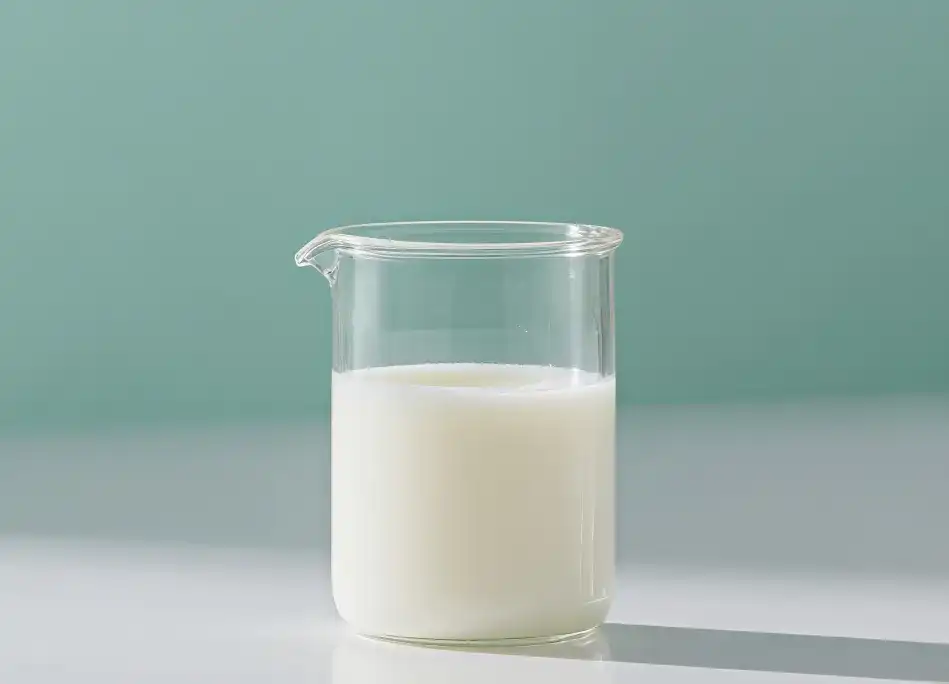
Paper mills that compare polymer cost on price per kilogram often miss the larger wet-end economics. The faster way to confirm non-ionic PAM cost effectiveness is a controlled trial using your furnish, whitewater, and retention targets. Shandong Nuoer Biological Technology Co., Ltd. supplies non-ionic polyacrylamide in powder and emulsion forms from integrated production capacity. Send your furnish composition, target first-pass retention, and monthly consumption to en*****@***er.com or call +86-532-66712876, and we will propose a dosage range and trial protocol.
Paper Mills Ask Specific Questions About Non-Ionic PAM Cost
How do I compare non-ionic PAM prices fairly?
Compare cost per ton of finished paper, not price per kilogram. Divide polymer cost per kilogram by the dosage needed to hit your retention target, then add the effects of drainage and grade-change stability. A lower-priced product that requires a higher mass dose can cost more in total wet-end spend. Ask for a trial that measures first-pass retention, whitewater solids, and drainage across your normal grade range before locking in a supply decision.
Does non-ionic PAM work under acidic papermaking conditions?
A common assumption is that non-ionic PAM performs poorly in acid systems. The reverse is closer to field observation. Non-ionic PAM has low ionization and is less affected by pH and salt concentration than anionic HPAM, so it can hold retention better when alum and acidic broke push pH downward. The deciding factor is whether the polymer maintains bridging at your specific pH and conductivity, which is measurable in a short wet-end trial.
What is a typical non-ionic PAM retention aid dosage?
Dosage depends on furnish composition, ash target, basis weight, and whitewater closure. A fine paper grade with high filler and tight retention targets will use a different setting than a open packaging grade. Start with a controlled dosage curve rather than a fixed addition rate. Measure first-pass retention at each step and identify the point where additional polymer no longer improves retention enough to justify its cost. That point becomes the mill-specific operating range.
What causes non-ionic PAM to underperform in a paper mill trial?
In mills we have supported, underperformance usually traces back to dissolution, aging, or feed point location rather than the polymer itself. If the polymer solution is not fully hydrated before the screen, it cannot develop the bridging length it was designed to have. If the feed point is too close to high-shear equipment, formed flocs can break before the sheet forms. Check preparation water temperature, mixing time, and feed placement before changing polymer grade. If your trial shows an early retention drop, send the preparation water temperature, feed point, and screen distance to en*****@***er.com, and we can check whether the issue is mechanical or chemical.
If you’re interested, check out these related articles:
Cationic Polyacrylamide Factory Direct Supply: Unrivaled Performance
Anionic Polyacrylamide Cost Analysis for Mining Profitability
Acrylic Acid in Diaper Core Materials: A Technical Deep Dive


 English
 Russian
 Arabic
 Spanish