
In polymer laboratories, the monomer grade selected for acrylamide crystal experiments often determines whether a synthesis route reproduces at pilot scale. Research and development teams face a practical issue: laboratory-grade material does not always match the impurity, inhibitor, and moisture profile of commercial feedstock. This article examines acrylamide crystal selection for polymer R&D from a production perspective, focusing on the specifications that affect polymerization control, the storage practices that protect experimental validity, and the lot discipline required when a product moves from bench work to industrial supply.
Acrylamide Crystal Gives Research a Reproducible Monomer Baseline
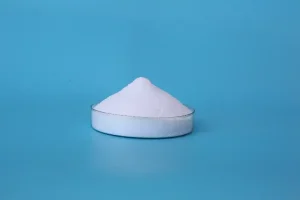
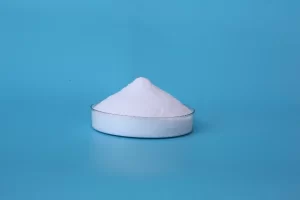
Research groups use acrylamide crystal as a dry monomer feed for solution polymerization, inverse emulsion polymerization, and copolymer synthesis. The solid form gives a formulation chemist direct control over monomer mass without the water content uncertainty carried by aqueous solution grades. That control matters when a study is designed to measure reaction kinetics, monomer conversion, or the effect of crosslinker ratio on molecular weight. In our production planning work, the same logic applies: acrylamide crystal gives precise batch sheets because the material is weighed as a solid with a declared purity, moisture content, and inhibitor level.
Laboratory protocols, however, often understate one variable. An acrylamide crystal with moisture above specification absorbs differently in humid air, shifts the effective monomer concentration during weighing, and produces data that cannot be compared cleanly between runs. For any R&D program that intends to transfer results to a manufacturing line, crystal quality belongs on the batch record from the first experiment rather than being discovered at scale.
Crystal Specifications Determine Polymerization Control
When I review a new acrylamide crystal lot for a synthesis program, I look at purity first, then conductivity, iron, and inhibitor content. These parameters are not abstract quality indicators; they sit directly in the kinetic path of free radical polymerization. Metal ions, especially iron, can interfere with initiation or accelerate side reactions. Conductivity gives a quick read on ionic contamination. Moisture changes the actual monomer concentration in the reaction vessel even when the weighing record is precise. pH and inhibitor content set the practical induction period before polymerization proceeds, so an acrylamide crystal lot that drifts within the specification can still shift the heat release profile in a sensitive lab reactor.
| Parameter | Specification | Research and development impact |
| Purity | 98.0% or higher | Limits chain transfer and side reactions |
| Moisture | 0.8% or less | Preserves true monomer concentration |
| pH (10 g/L) | 6.5 to 7.5 | Avoids unintended hydrolysis behavior |
| Inhibitor content | 3 to 10 ppm | Sets the induction period and initiation control |
| Conductivity | 20 μS/cm or less | Indicates ionic contamination level |
These figures come from the technical specification pattern we use at Shandong Nuoer for AM Crystal. The material is produced through microbial technology, which keeps residual impurities low and gives the monomer a predictable polymerization response across storage intervals. R&D teams should treat acrylamide crystal values as a fingerprint. A single certificate of analysis is useful, but a series of certificates across several lots is more informative because it shows whether the supplier can hold the same purity and inhibitor window repeatedly.
Crystal and Aqueous Solution Serve Different Experimental Goals
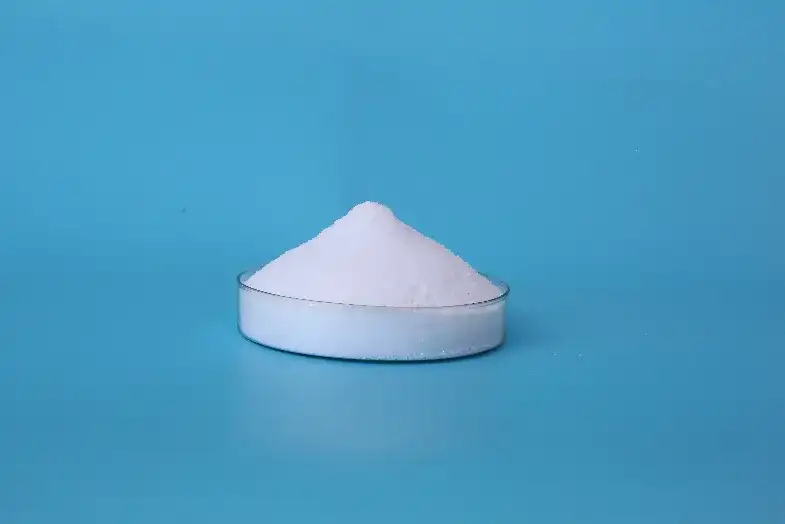
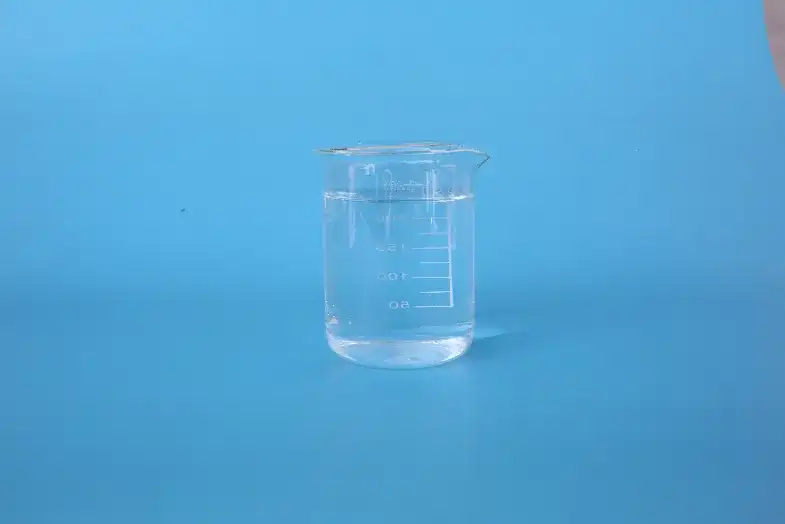
Choosing between acrylamide crystal and aqueous solution is less about which form is better and more about which variable the experiment must control. Acrylamide crystal gives the research group a dry, stable starting point and avoids shipping water across long distances. It is the form I prefer for mechanistic studies, shelf stability testing, and programs that will qualify a reference monomer for future production. Aqueous solution, at 25 to 50 percent concentration, removes the dissolution step and fits continuous or high-throughput setups where preparation time is a larger risk than water content.
The tradeoff is not neutral. Aqueous acrylamide solution carries water into the formulation, so a bench record that reports total mass without correcting for solution strength can overstate monomer feed by several percentage points. That error is easy to control in a disciplined laboratory, but it is also easy to miss when a junior analyst follows a recipe written for acrylamide crystal. If the same R&D group plans to move between the two forms, the material transfer sheet should state the actual active monomer basis, not just the delivered mass.
Storage History Shapes Pilot Scale Reproducibility
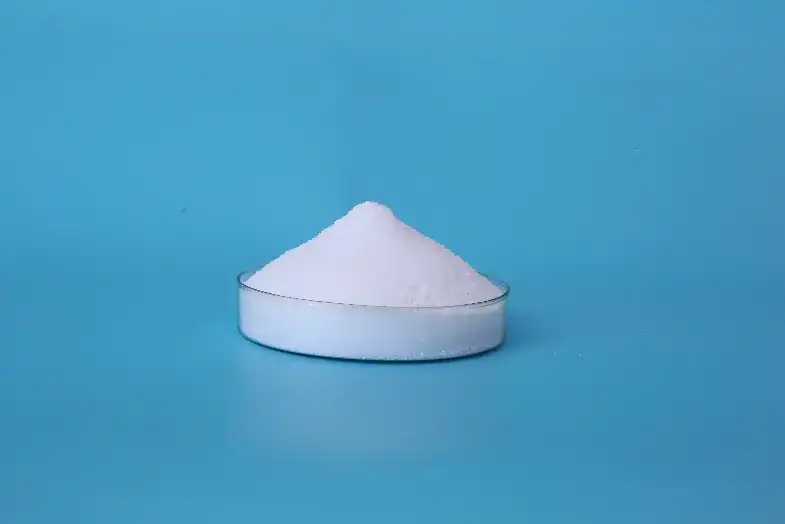
In our production planning work, we treat every transfer from laboratory refrigerator to pilot reactor as a storage audit. Acrylamide crystal stored cool and dark remains stable for up to one to two years under proper conditions, but repeated rewarming followed by cooling can create condensation on the crystal surface. That surface moisture is not always visible, and it changes the local monomer concentration before dissolution. When a pilot run shows lower molecular weight than the bench result, storage history is one of the first variables we review.
An acrylamide crystal lot near the upper end of the inhibitor range may need a slightly longer induction period after extended storage, while a lot near the lower end can be more sensitive to unintended polymerization if exposed to heat or light. This is why we recommend storing research quantities in sealed, cool, dark conditions and recording the date of first opening. A lot that has been opened several times over three months is not the same as an unopened lot from the same production batch.
If your program involves moving from a few hundred grams to multi-kilogram pilot batches, confirm the crystal lot’s inhibitor and moisture certificate before the next batch record is written. Share your target lot size and purity window at en*****@***er.com, and we can review the available certificate with you.
Moving From Research Batches to Production Supply Requires Lot Discipline
Scale-up changes the conversation from chemical performance to supply consistency. A research team may live with a single excellent lot, but a pilot plant or production line needs repeated acrylamide crystal lots inside the same purity, inhibitor, moisture, and conductivity windows. This is where supplier documentation becomes as important as the specification sheet. We ask for lot-level certificates that show the measured result for each parameter, not only the nominal limit.
Shandong Nuoer operates 300,000 tons of annual acrylamide capacity and supplies AM Crystal to downstream polyacrylamide and copolymer manufacturers. That production base matters in two ways for R&D buyers. First, research quantities and later commercial volumes can come from the same qualified source rather than being re-approved from a different supplier at pilot scale. Second, the microbial production route gives a consistently low impurity profile, which reduces the chance that a successful bench recipe fails because the pilot plant received a chemically different monomer.
From lab qualification to production supply, the practical question is whether the crystal lot data is sufficient for the next stage of work. We work from your experimental summary and target specifications, then confirm the available lot, packaging, and documentation fit your program. Send your part number requirements, monthly volume, and purity window to en*****@***er.com or call +86-532-66712876, and we will review the certification path with you.
Acrylamide Crystal Evaluations Raise Recurring Questions
What purity grade should a research lab specify for acrylamide crystal?
98.0% or higher is generally the right baseline for acrylamide crystal in polymer synthesis work. The specification leaves enough room for lot-to-lot variation while keeping the heavy metal and organic impurity levels low enough for controlled free radical polymerization. Labs that plan to publish kinetic data or transfer a formulation to production should record the supplier’s actual purity on every run sheet, not only the minimum value. If the work is aimed at specialty or medical-adjacent polymers, request the lot-specific conductivity and iron result at the same time.
Does inhibitor content affect polymerization kinetic studies?
A common assumption is that inhibitor content is only a safety parameter, but it shifts the induction period in a kinetic experiment. An acrylamide crystal lot near 10 ppm monomer inhibitor can delay measurable polymerization compared with a lot near 3 ppm, even when both lots meet the same specification. This difference matters in side-by-side studies, where a short observation window may mistake a delayed start for reduced reactivity. For kinetic work, use acrylamide crystal from the same lot across the full experimental series and note the inhibitor concentration in the procedure.
How should acrylamide crystal be stored to keep experimental results valid?
It depends on the storage window and ambient humidity. For acrylamide crystal in a closed, unopened package used within a few weeks, cool and dark storage is enough, and the material should remain stable for one to two years under proper conditions. For an opened package, dry air protection and careful resealing become more important because the flake surface can pick up moisture or condensation. A practical approach is to split large research lots into sealed small aliquots after first opening, then store them away from heat and UV light. Record the opening date and use older aliquots first.
When does an aqueous solution make more sense than crystal monomer?
In production planning discussions, we usually favor solution when the process is continuous, when dissolution capacity is limited, or when the same concentration is used repeatedly across many batches. Solution removes the weighing and dissolution step and fits metered pumping into reactors. The cost of that convenience is water and a shorter storage discipline. If your experimental matrix already assumes a fixed 40 or 50 percent monomer basis, solution can be more accurate than repeatedly dissolving acrylamide crystal at the bench. For a final material qualification, however, we still recommend confirming the active monomer basis against the certificate. Send your setup and monthly quantity to en*****@***er.com, and we will confirm the right monomer form and lot window.
If you’re interested, check out these related articles:
Anionic PAM Factory Direct for Water Flooding: Maximize Oil Recovery
Amphoteric vs Cationic Polyacrylamide Performance Unveiled
Selecting Acrylic Acid Purity: A Technical Guide for Polymer Production
Amphoteric Polyacrylamide: Unlocking Industrial Versatility Across Sectors



 English
 Russian
 Arabic
 Spanish