
Emulsion polyacrylamide activation is the stage where most dosage programs either work cleanly or fail in the field. Over fifteen years in polymer manufacturing and global supply, I have seen the same problem repeat: operators treat an emulsion product like a dry powder, skip the inversion step, and then blame the chemistry when flocculation looks weak. The chemistry is rarely the problem. This article explains the activation sequence that produces a fully hydrated polymer solution, the mixing and water conditions that most often break that sequence, and the checks worth completing before you commit a plant to emulsion polyacrylamide.
What Makes Emulsion Polyacrylamide Activation Different from Dry PAM?
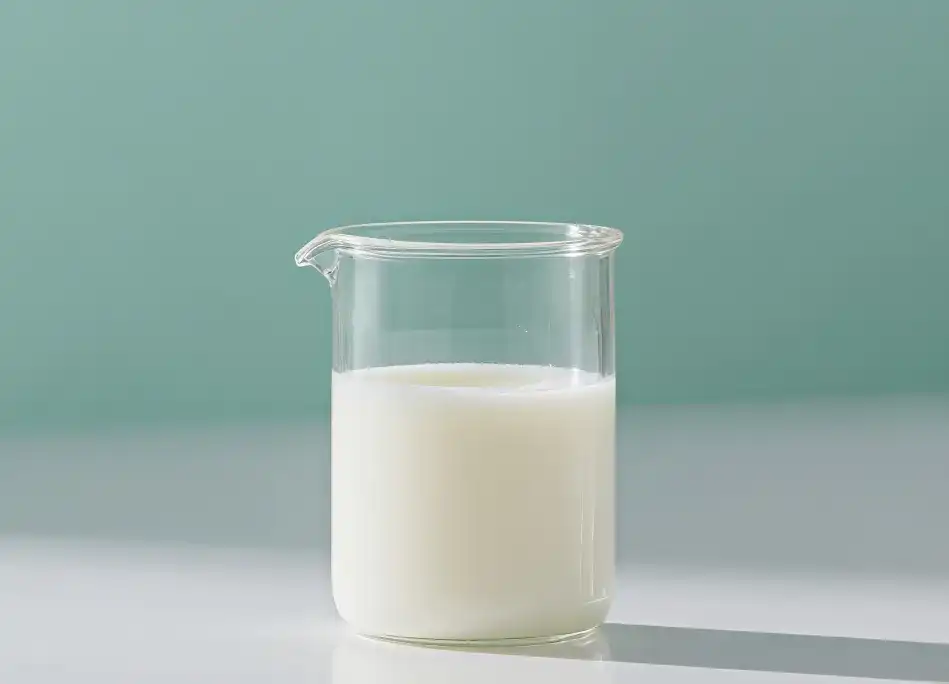
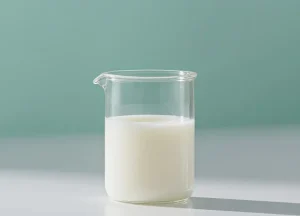
Emulsion polyacrylamide is a water-in-oil emulsion, not a simple liquid polymer. The polymer chains sit inside dispersed oil-phase droplets, and they cannot perform flocculation until those droplets invert and release the polymer into water. This is the activation step. Dry powder polyacrylamide follows a different route: each particle must wet, disperse, and hydrate over a longer period. Emulsion products invert quickly under shear, which is why a good product is ready to use within 5 to 15 minutes, but only if the shear and dilution sequence are correct. The table below separates the two forms at the points that affect plant operation.
| Operating Factor | Dry PAM | Emulsion PAM |
|---|---|---|
| Product form | Powder or granules | Water-in-oil emulsion |
| Main risk | Poor wetting, fisheyes | Partial inversion, sticky globules |
| Typical hydration window | 30 to 60 minutes or more | 5 to 15 minutes under adequate shear |
| Dispersion requirement | Controlled wetting and long aging | Dilution before or during high shear mixing |
The operational advantage is speed, but speed only appears when the operator understands the inversion mechanism.
How Should You Run the Activation Process from Receiving to Dosing?
A dependable activation routine has four control points. Each one can be checked visually or with simple plant measurements, and each one removes a common failure source before it reaches the clarifier.
Receiving and Storage Checks
Confirm the product has not frozen or settled into a stiff layer. Store emulsion polyacrylamide between roughly 5 and 35 degrees Celsius, away from direct sunlight. If the drum has been sitting for weeks, roll it or mix it gently before transfer. Never store emulsion polymer in a tank that can reach freezing temperatures, because ice crystals can break the emulsion and leave polymer gel that no amount of mixing will recover.
Makeup Water Preparation
Use clean water with low suspended solids. Municipal water works well. Avoid process water that contains high chlorine residual or extreme pH unless you have verified the product’s tolerance, because oxidants can degrade polymer chains before they ever reach the flocculation stage. A continuous makeup water line with a flow meter is the simplest way to hold the target concentration.
Dilution, Mixing, and Aging
Add the emulsion into the water under high shear, not the other way into a dry tank. A common working concentration is 0.1 to 0.5 percent polymer solution, depending on the dosing system. Feed the neat emulsion into a mixing chamber or an educator, then let the diluted solution age for 15 to 30 minutes so the polymer chains fully uncoil. Direct pumping without an aging tank leaves performance on the table. In our production planning work, we treat the aging vessel as part of the activation system, not as optional storage.
Dosing Control
Meter the aged solution into the main stream at a point with good flow mixing. Calibrate the dosing pump against actual flow, and record the pressure drop across the transfer line. If flocculation weakens over a shift, check shear and aging time before increasing the dose. Most dosage corrections fail when the activation step has drifted.
Which Mixing and Water Conditions Most Often Cause Activation Failure?
The most common failure mode we see is not chemical degradation; it is partial inversion. When emulsion is added to a tank without enough initial shear, the oil phase stays intact as sticky globules that pass through the system unactivated. The polymer is present, but it never reaches the water phase, so the operator sees weak flocculation and responds with more chemical. That raises cost and can create downstream fouling.
The second frequent issue is makeup water that attacks the polymer. Chlorinated municipal water can oxidize polyacrylamide chains if the residual is high and contact time is long. Water temperatures below about 5 degrees Celsius slow inversion, while water above roughly 40 degrees Celsius can destabilize the emulsion during dilution. High salt or extreme hardness can also reduce the final solution viscosity without improving performance.
A third failure is shear that is too low at dilution and too high later in the process. Long exposure to a centrifugal pump after aging can cut polymer chains, lowering molecular weight and reducing bridging strength. The solution is not to run everything gently; it is to apply strong shear at the point of inversion and gentle transfer after aging. When I audit a struggling site, I look at the mixing point first, because that is where most activation problems become visible.
When Does It Make Sense to Move Emulsion Polyacrylamide Activation In-House?
Emulsion polyacrylamide makes sense for plants that want fast hydration without the dust and long wetting time of dry powder. Moving activation in-house works when the site has clean makeup water, a high shear mixing device, and enough aging volume to hold a steady feed. For remote sites and mobile treatment units, this is often easier than maintaining a separate polymer solution supply chain. The decision usually comes down to two numbers: daily polymer demand and available water pressure.
If your program involves variable makeup flow or difficult raw water, it is worth confirming the required shear and aging volume before finalizing the dosing skid. Send your water quality data and target dose to en*****@***er.com for a technical check.
What Should You Confirm Before You Order Emulsion Polyacrylamide?
Poor activation is rarely solved by changing supplier alone; it is usually a configuration problem. If you have already experienced fisheyes, sticky globules, or a dose that keeps climbing without better flocculation, the next step is a technical review of your makeup system. Our team works with treatment plants to match emulsion polymer grade, concentration, and mixing design to the operating reality at the site. Send your current dosage, water pH, and target flow to en*****@***er.com, or call +86-532-66712876 and ask for an activation setup review before you place the next order.
What Do Operators Commonly Ask About Emulsion Polyacrylamide Activation?
How Long Does Emulsion Polyacrylamide Take to Activate?
In clean water with adequate shear, full activation takes 5 to 15 minutes after dispersion. The aging step can be as short as 15 to 30 minutes for standard treatment applications, but high molecular weight grades may benefit from a slightly longer hydration period. If the solution still looks milky after 30 minutes, check the mixing energy and water temperature rather than adding more product. Full activation is visible when the solution turns uniformly viscous and no oil streaks remain.
Can You Pump Emulsion Polymer Directly Without Dilution?
The belief that you can feed emulsion polymer directly into the raw water stream and still get full performance is the most costly misunderstanding we see. Neat emulsion remains an oil continuous phase until it meets high shear and enough water. Without that inversion, the polymer stays trapped inside oil droplets and contributes little to flocculation. A dedicated dilution step with high shear and an aging tank is the minimum workable setup for continuous treatment.
Does Water Temperature Change the Activation Time?
It depends on your range. Below about 5 degrees Celsius, inversion slows and viscosity develops more gradually. Above roughly 40 degrees Celsius, the emulsion can destabilize during dilution and create gel particles. Between those limits, temperature has less effect on activation than mixing intensity. If your plant operates in a cold climate, insulate the makeup line and aging tank, and confirm the storage temperature separately from the dilution temperature.
What Is the Most Overlooked Check Before Switching to Emulsion PAM?
Across the treatment plants we have supplied, the most overlooked check is the available shear at the point of dilution. A transfer pump that moves water is not automatically a high shear mixing device. Without that shear, even a high quality emulsion product will underperform. The second overlooked check is aging volume: if the dosing pump pulls solution before it has hydrated, the system runs on partially activated polymer. If you are switching from dry PAM, send your current makeup setup and dosage records to en*****@***er.com and we can review where activation is likely to hold or break before you order.
If you’re interested, check out these related articles:
Non-Ionic Versus Cationic Polyacrylamide for Paper Manufacturing
Acrylamide Aqueous Solution Stability Testing: A Deep Dive
Amphoteric Polyacrylamide: Refining Efficiency and Water Treatment
Amphoteric Polyacrylamide: Optimizing Petrochemical Processes
Water Flooding with Anionic Polyacrylamide: EOR Strategies


 English
 Russian
 Arabic
 Spanish