
Most acrylamide solution buyers compare concentration and purity first, but reactor mode sets the more demanding specification questions. Batch polymerization tolerates drift that continuous polymerization does not, and a feedstock that runs clean in one mode can produce inconsistent molecular weight or residual monomer in the other. Our experience across large scale polyacrylamide production and acrylamide capacity planning points to one operating rule: match inhibitor content, oxygen tolerance, and feed consistency to the reactor before locking volume or price. This article works through those choices for polymer plants operating batch and continuous lines.
Batch Reactor Control Requirements for Acrylamide Solution
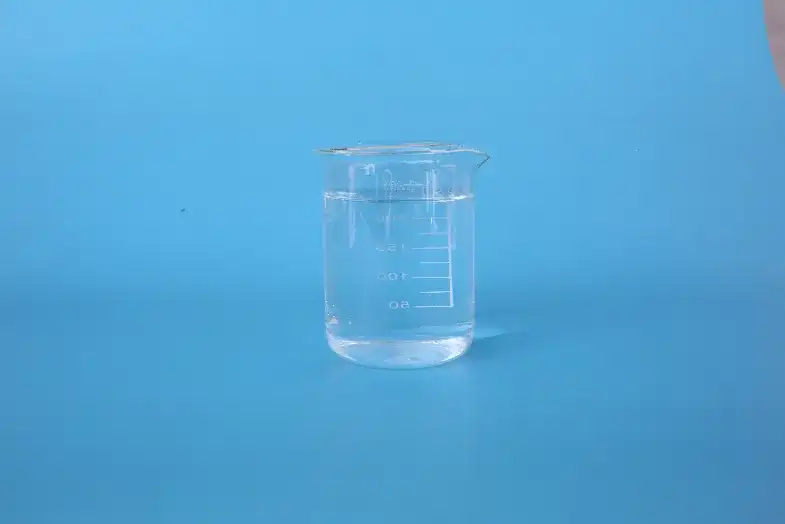
Batch polymerization gives an operator room to make corrections that a continuous line does not. A kettle can be held at temperature while pH and viscosity are checked, and a short induction period is easier to manage when the charge is isolated. That is why many plants run higher acrylamide solution concentrations, commonly 48-52%, in batch kettles. Reducing water input cuts kettle fill time and downstream drying load. The trade-off is heat removal. A 50% solution releases more polymerization heat per unit volume than a 30% charge, so jacket cooling and agitation must keep surface temperature from rising faster than the vessel can reject it.
We have seen batch campaigns where the same 50% acrylamide solution performed cleanly in winter but showed a shorter induction period in summer storage. The difference was inhibitor concentration at the low end of the specification range. Raising inhibitor dosage within the 0-100 ppm window kept the feed stable during storage without slowing final conversion beyond the normal adjustment range. For batch operation, this kind of input adjustment is manageable. The operator can add an inhibitor or delay initiator addition for a few minutes. A continuous line cannot recover from a gel particle forming in the feed line the same way.
Continuous Reactor Throughput and Acrylamide Solution Stability
Continuous polymerization rewards consistency before it rewards concentration. A feed pump, tubular reactor, or CSTR train has little tolerance for viscosity changes, gel particles, or inhibitor swings, because any disturbance moves downstream before it can be corrected at the source. For this reason, continuous lines generally operate at the lower or middle concentration grades, commonly 28-30% or 38-42% acrylamide solution. Lower concentration keeps viscosity within pump range and absorbs minor temperature-induced changes in the feed line. The cost is extra water entering the polymerization stage, which later has to be removed by drying or concentration. The operational gain is steadier pressure and fewer emergency shutdowns.
Our 300,000-ton annual acrylamide capacity planning work follows the same logic. A continuous line is only as stable as its narrowest specification, not its strongest one. If conductivity drifts, heat transfer through the reactor wall changes. If acrylonitrile content rises, residual monomer in the outgoing polymer becomes harder to control. A batch run can tolerate one off-spec intermediate because an operator can rework the charge or extend inhibition. A continuous run turns that same intermediate into off-spec polymer for the duration of its residence time.
Acrylamide Solution Concentration and Inhibitor Selection by Process Mode
Choosing an acrylamide solution grade should follow the reactor mode before freight and unit price enter the discussion. We use three questions in production reviews: what concentration can the feed system meter without pulsation, what inhibitor level keeps the solution stable during storage and transfer, and what impurity ceiling protects the downstream polymer specification. The table shows how a typical specification range applies to batch and continuous operation, based on our aqueous acrylamide product parameters.
| Parameter | Batch Reactor Operating Range | Continuous Reactor Operating Range |
|---|---|---|
| Acrylamide content | 38-52% | 28-42% |
| pH | 7.0-9.0 | 7.0-9.0 |
| Conductivity | 5-30 μS/cm depending on grade | 5-30 μS/cm with less tolerance for drift |
| Inhibitor content | Mid to upper range | Mid range with tighter feed control |
| Acrylic acid | ≤0.3% | ≤0.3% |
| Acrylonitrile | ≤0.1% | ≤0.1% |
These are not absolute limits. They are the operating window a plant can manage without special equipment. A continuous line with high precision dosing may run 50% solution without difficulty, but it then needs heated tracing and more frequent filter checks. A batch kettle running 28% solution works, but the water load increases batch time and energy consumption.
Dissolved oxygen is the next variable. Oxygen acts as an inhibitor in free radical polymerization. In batch reactors, oxygen can be purged during the induction period and the operator can see the temperature response. In continuous systems, oxygen concentration in the feed must be low and stable before the stream reaches the reactor. We recommend confirming dissolved oxygen limits with the initiator system before a line is converted from batch to continuous.
If your program involves converting batch capacity to continuous output or running both modes from one acrylamide solution supply, it is worth confirming inhibitor concentration, conductivity, and dissolved oxygen before finalizing the specification. Send your reactor throughput and target concentration to en*****@***er.com and we will run the compatibility check.
Residual Monomer and Molecular Weight Consistency in Batch vs Continuous PAM
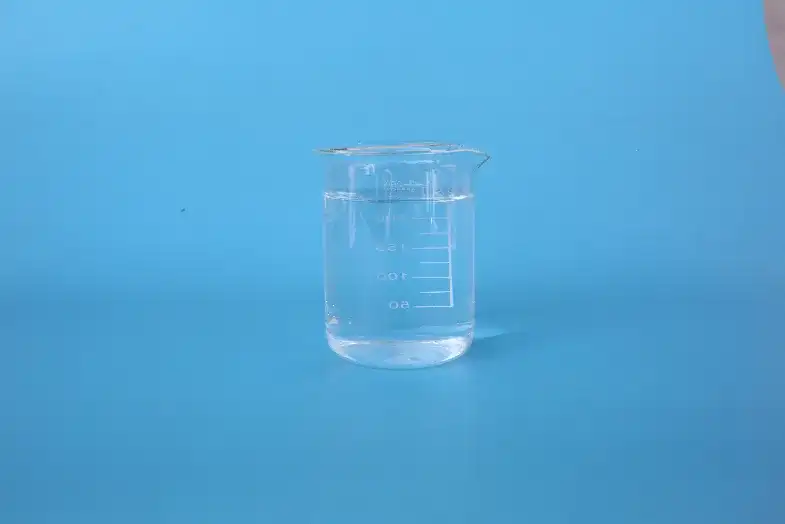
Residual monomer and molecular weight respond differently to reactor mode, even with the same acrylamide solution specification. Continuous polymerization produces a narrower residence time distribution, which usually gives tighter molecular weight control from lot to lot. Batch polymerization produces a broader distribution within each lot but offers fast formulation changes. A plant switching products every few days may prefer batch because it can adjust comonomer ratio and initiator charge without shutting down a continuous train.
The solution specification still determines the floor. If acrylonitrile or acrylic acid content sits near the upper limit, those impurities enter the polymerization step and can terminate growing chains or alter charge density. Our AM aqueous solution carries acrylonitrile at or below 0.1% and acrylic acid at or below 0.3%. In a batch reactor, an operator can sometimes compensate for a higher impurity load with initiator timing. In a continuous train, that compensation happens only if feedback control is fast enough to correct before the stream leaves the reaction zone, which is not always the case.
We treat low residual monomer claims at face value only when the feedstock impurity profile, reactor temperature profile, and initiator half-life data fit together. One without the others does not predict the final polymer result.
Confirming Acrylamide Solution Feedstock for Your Reactor Configuration
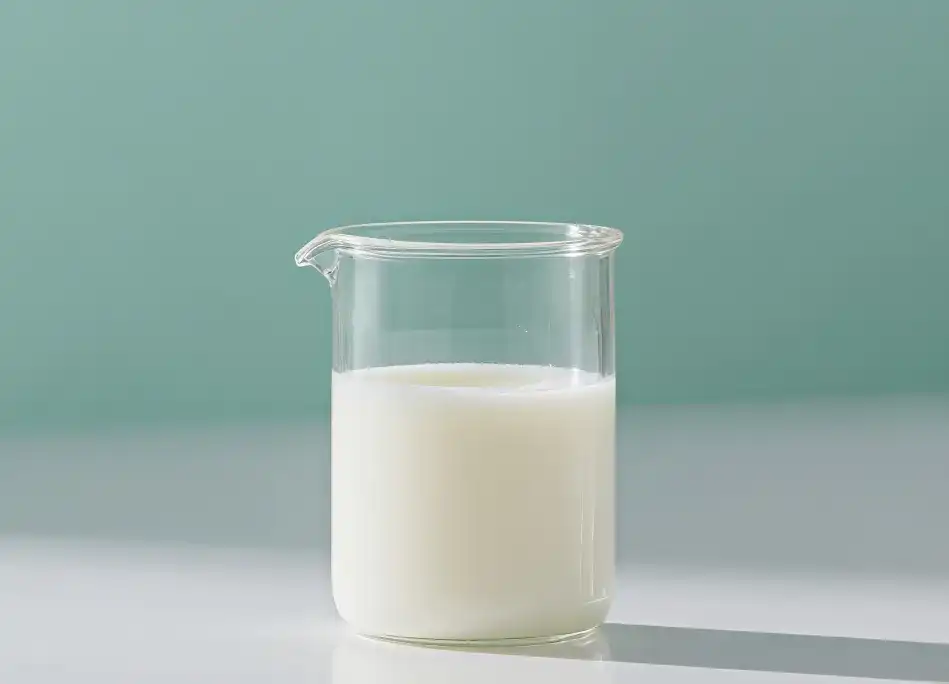
Many acrylamide solution supply problems are not pure chemistry failures. They are specification mismatches between a stable reactor and a feedstock that was matched to a different operating model. When batch and continuous lines share the same storage tank or the same purchase order, the mismatch shows up as variable induction time, gel formation, or out-of-spec molecular weight after conversion.
Shandong Nuoer supplies acrylamide aqueous solution in 25-50% concentration ranges with inhibitor and impurity profiles adjusted to the production mode. If you are expanding a polymer line or running both batch and continuous reactors from one feedstock, send your reactor type, throughput, target concentration, and current inhibitor tolerance to en*****@***er.com or call +86-532-66712876. We will confirm whether the solution specification fits your process before you commit to volume.
Common Questions About Acrylamide Solution Process Selection
Does a 50% acrylamide solution perform equally well in batch and continuous reactors?
Not automatically. A 50% solution can work well in a batch kettle because the operator has time to manage heat release and viscosity peaks. In a continuous reactor, the same concentration raises pump load and makes a small gel particle or temperature shift move through the train before anyone can correct it. The specification has to match the reactor residence time and heat removal capacity first. If the continuous line is designed for high concentration feed, 50% can be run, but the dosing, tracing, and filtration systems need to be more exact.
What is the first specification to check when converting a batch line to continuous?
Many plants start with concentration, but inhibitor content usually matters first. A continuous line has no convenient hold point for an extended induction period, so the inhibitor level that was harmless in batch storage can delay reaction in the feed line or the first reactor zone. After inhibitor level, check conductivity and dissolved oxygen because they affect heat transfer and initiation. Concentration then becomes a pumping and throughput question once the chemistry is stable.
How does dissolved oxygen affect batch and continuous acrylamide polymerization differently?
It depends on residence time. In a batch reactor, dissolved oxygen acts as a temporary inhibitor and is consumed during the induction period. The operator can follow the temperature curve and add initiator when the purge is complete. In a continuous reactor, oxygen is not given the same window. It must be removed before metering or controlled to a consistent low level upstream. Variable oxygen produces variable initiation, and the reaction zone cannot correct it later.
Will a low residual monomer acrylamide solution guarantee low residual monomer in the final PAM?
In production programs I have reviewed, low residual monomer in the feedstock is necessary but not enough. The final polymer result depends on reactor temperature control, initiator efficiency, residence time, and post-polymerization treatment. A clean acrylamide solution removes one source of variability, but a poorly controlled batch or continuous line can still leave unreacted monomer in the polymer. We recommend controlling the monomer specification after the reactor heat and initiator profile are confirmed, not before. Share your reactor mode, target molecular weight, and current residual monomer level, and we will confirm which acrylamide solution specification fits the process.
If you’re interested, check out these related articles:
Industrial Acrylamide Aqueous Solution: Applications & Purity
Selecting Amphoteric PAM for Variable pH Systems: An Expert Guide
Accelerating Emulsion Polyacrylamide Dissolution for Peak Efficiency
Nuoer Awarded the Honor of “2024 Dongying City Enterprise with Outstanding Tax Contribution”


 English
 Russian
 Arabic
 Spanish