
Amphoteric PAM for mixed wastewater streams is selected on charge flexibility more than dosage. A combined flow that shifts between acidic metal rinse water and alkaline cleaning effluent breaks conventional anionic or cationic polyacrylamide at the point where colloid charge reverses. In the mixed stream reviews I run at Shandong Nuoer Biological Technology Co., Ltd., the first failure is rarely solubility or molecular weight. It is a fixed charge that stops bridging once the water chemistry moves. The checks below are the same sequence we use to match grade, form, and test protocol before a purchase commitment.
What Actually Changes When Mixed Streams Enter the Same Treatment Line?
A mixed stream is not just a difficult wastewater. It is two or more waters with different charge demand flowing through the same clarifier or filter press. Acid pickling rinse water carries dissolved metal ions and suspended metal hydroxides. Alkaline degreasing water carries emulsified oil, surfactants, and negatively charged solids. When the two combine, pH, conductivity, and particle surface charge move together, often within a single shift.
The failure is mechanical. An anionic PAM chain carries negative sites, so it bridges positively charged particles well. When pH rises and the particles become negatively charged, that bridge turns into electrostatic repulsion. Operators respond by increasing dose. Floc size may hold briefly, then the sludge turns loose and the filtrate loads with fines. A cationic PAM does the reverse. In one metal finishing line we have supplied, the combined feed moves from pH 4.2 to pH 9.8 within eight hours. Standard single-charge PAM holds one side and fails the other, which is why a fixed-charge product becomes a recurring operating cost rather than a solution.
How Amphoteric Polyacrylamide Manages Charge Reversal and pH Swing
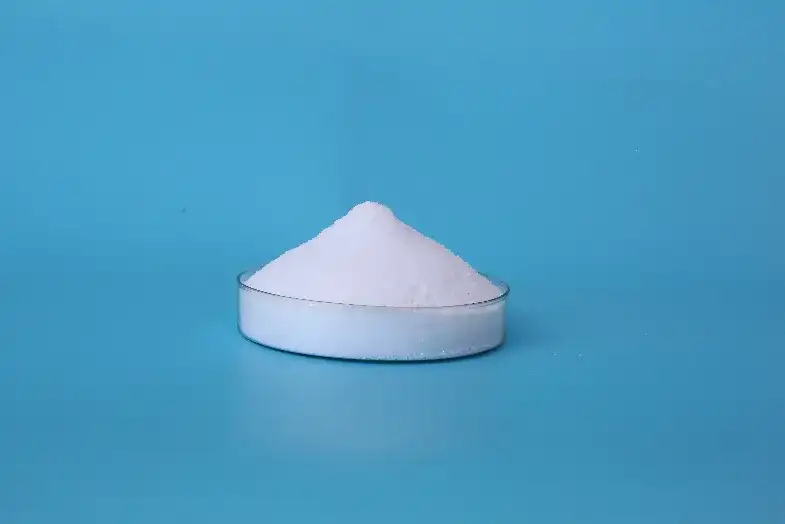
Amphoteric polyacrylamide is a ternary copolymer synthesized from cationic monomers, acrylamide, and a hydrolyzing agent. The polymer chain carries both positive and negative functional groups. In a mixed stream, that dual charge lets the chain bridge anionic and cationic colloids at the same time. When the net particle charge reverses, the amphoteric chain does not become fully repulsive; the opposite charge group takes over the bridging function.
That does not make it a universal product. The ratio of cationic to anionic groups, the molecular weight, and the hydrolysis degree still control performance. Our production team customizes that balance for complex water conditions because two mixed streams with the same pH range can behave differently if one contains high conductivity or reactive sulfides. The operational difference is most visible in sludge dewatering. We see a more shear-resistant floc and a clearer centrate when the charge balance matches the stream profile, but only when the product is selected from jar-test data rather than from a generic grade chart.
Which Amphoteric PAM Specifications Matter Before You Run a Jar Test?
Charge density and the cation-to-anion ratio
Ask the supplier for the cationic-to-anionic percentage. Where oil is present as a stable emulsion, more cationic character helps break the interface. A solids-heavy stream with high clay fines usually responds better to more anionic bridging. The right ratio is not a range in a catalog. It is a starting point to test against your three-day composite sample.
Molecular weight and floc shear resistance
High molecular weight gives longer chains, which improves bridging distance but makes floc more sensitive to shear. In a mixed stream with pumps, transfer lines, and a centrifuge, a very high molecular weight product can produce a large floc that breaks before dewatering. We usually test two molecular weight bands rather than assuming the highest is best.
Residual monomer and export documentation
Because mixed streams can discharge to municipal sewer or reuse systems, residual acrylamide and regulatory registration matter. Confirm monomer content, REACH or equivalent registration, and the supplier’s lot-level certificate of analysis before the purchase order.
| Parameter | What to request | Why it matters for mixed streams |
|---|---|---|
| Charge ratio | Cationic-to-anionic molar percentage | Determines which side of the pH swing the polymer protects |
| Molecular weight | Two defined grades for jar test | Balances bridging distance against shear stability in transfer lines |
| Dissolution rate | Minutes to full hydration at 5 g/L | Sets make-down tank size and prevents unmixed polymer carryover |
| Residual monomer | Lot COA and regulatory registration | Protects discharge limits and export classification |
| Dewatering equipment | Centrifuge, belt press, or plate and frame | Different floc structures fit different shear profiles |
If your mixed stream includes stable oil emulsion, sulfide, or a wide conductivity swing, it is worth confirming the charge ratio and form before finalizing your BOM. Send those details and your target sludge dryness to en*****@***er.com.
How Do Powder and Emulsion Amphoteric PAM Compare for Mixed Streams?
Mixed streams rarely arrive at a stable flow and concentration. Powder and emulsion forms both work, but they fit different sites.
| Property | Powder amphoteric PAM | Emulsion amphoteric PAM |
|---|---|---|
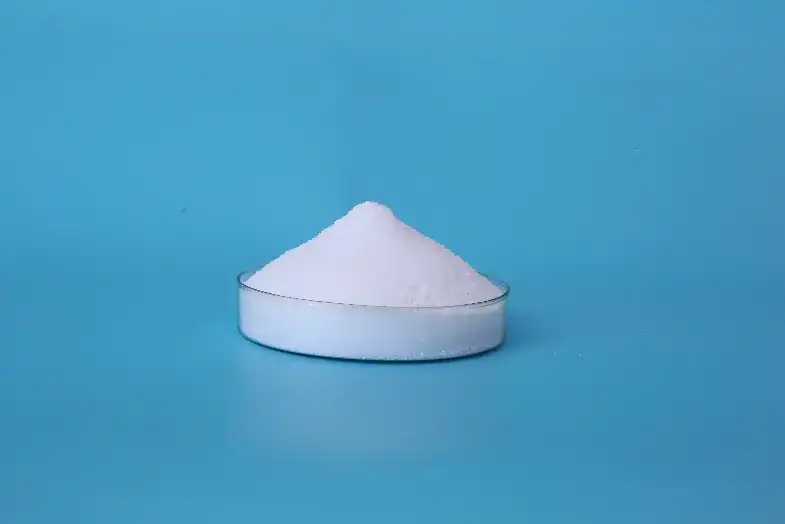
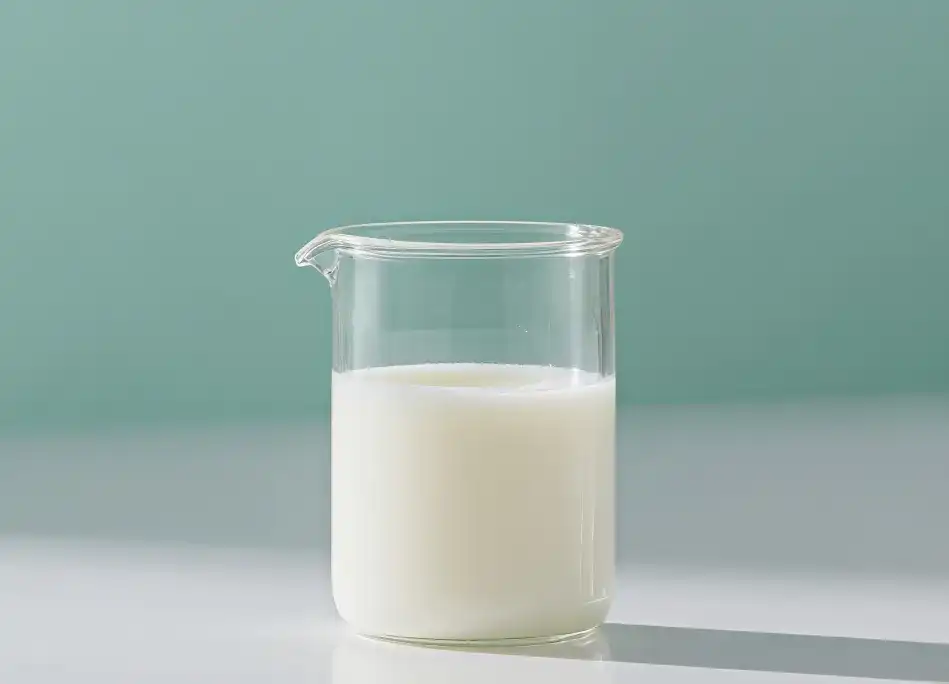
| Dissolution | Slower; make-down system required | Fast, ready to use within 5 to 15 minutes |
| Storage | Dry, long shelf life | Avoid freezing; keep sealed |
| Dosing control | Good for steady large volume | Better for variable flow and rapid changeover |
| Handling | More dust potential | Pumpable liquid, less manual contact |
| Footprint | Larger make-down equipment | Smaller footprint, simpler injection |
For a mixed stream that changes pH and solids load during a shift, the emulsion form often saves operation time because the product reaches full hydration before it hits the flash mixer. Powder remains the right choice for high-volume plants with a dedicated make-down system and stable main feed. We have supplied both forms from our own production lines, and we recommend choosing based on site logistics first, then optimizing the charge balance within that form.
When Should You Confirm Specification and Supply Before Finalizing the BOM?
A mixed stream decision should not be made from a product data sheet alone. If your plant’s incoming pH swings more than three units, or if the flow alternates between oil-bearing and solids-heavy batches, a small specification mismatch will cancel the polymer’s charge benefit and raise consumption.
The next step is to confirm grade, form, and trial protocol before the BOM is locked. Send us the current stream profile: pH range, conductivity, TSS, oil and grease, sludge handling method, and your target dryness after dewatering. We will match an amphoteric PAM grade from our production and confirm sample availability and lead time. Email en*****@***er.com or call +86-532-66712876. If you include your current dosage and polymer cost per ton of dry solids, we can also return a comparison before you commit to a plant trial.
What Do Process Engineers Ask About Amphoteric PAM for Mixed Streams?
Is amphoteric PAM always better than blending cationic and anionic PAM?
No. Amphoteric PAM works best when the same flow shifts charge frequently. If the mixed stream combines at a stable ratio and pH, a single-charge product selected for that net charge often performs at lower cost. Blending cationic and anionic PAM can match the charge demand, but it adds two dosing points and makes sludge response harder to control when the mix changes. We compare both options in a jar test when the pH swing is predictable, and we move to amphoteric PAM when the stream alternates between acidic and alkaline batches within a shift.
At what pH range does amphoteric PAM stop working?
The functional group ratio matters more than the pH figure alone. A product tuned for acidic metal-bearing water loses performance above pH 9, while a product tuned for alkaline cleaning waste weakens below pH 4. Most industrial amphoteric PAM grades span roughly pH 4 to pH 10, but the useful range shifts with conductivity, sulfides, and oil content. For that reason, the selection question is not whether the pH is acceptable. It is which side of the swing the product must protect, and what the mixed composite looks like over three days.
Does higher molecular weight always improve mixed stream flocculation?
Not always. A very high molecular weight grade produces a larger floc, but that floc is more shear sensitive. In a plant with transfer pumps, a long line to the belt press, or a centrifuge, the large floc can break into fines that refuse to re-form. We often test a mid-molecular-weight product against a high-molecular-weight product on the same mixed stream sample. The better result is the cleaner centrate or filtrate, not the largest visual floc.
Can amphoteric PAM be used in oil-bearing mixed wastewater?
In the mixed industrial flows we have handled, amphoteric PAM can meter oil and solids together if the emulsion is not chemically stabilized. The cationic groups in the chain break the oil-water interface, while the anionic groups bridge the solids. The limitation appears with heat-treated emulsions or high soap loading. In those cases, a separate demulsifier ahead of the polymer is the control that keeps the amphoteric PAM from doing two incompatible jobs at once.
What information should we prepare before requesting a sample?
Before requesting a sample, narrow the request to the condition that changes fastest. We need pH range, conductivity, TSS, oil and grease, flow variability, and the dewatering equipment type. That is more useful than a general wastewater description because it lets us set the cationic-to-anionic ratio and molecular weight before shipping. Send those seven data points plus your current polymer dose and cost per ton of dry solids to en*****@***er.com, and we will return a grade recommendation with a jar-test protocol.
If you’re interested, check out these related articles:
Anionic PAM Factory Direct for Water Flooding: Maximize Oil Recovery
Acrylamide Aqueous Solution: Mastering Gel Production
Amphoteric PAM: Consistent Flocculation in Variable Conditions
Amphoteric Polyacrylamide Manufacturers Testing: Quality & Performance
Acrylamide Monomer: Tailoring Polymers Through Diverse Methods







 English
 Russian
 Arabic
 Spanish