
Most cationic polyacrylamide performance comparisons stop at a laboratory sheet that lists charge density and molecular weight. That misses the variable that decides whether a grade works: how it behaves on the actual sludge in your plant. Charge density, physical form, and dosage response should be measured together, because a powder that drops turbidity quickly can still blind a belt press if the floc is weak. This article compares powder, emulsion, and amphoteric cationic polyacrylamide from a manufacturing and plant operations perspective, and it gives a practical shortlisting method that avoids guesswork.
Why Does Charge Density Dominate Cationic Polyacrylamide Performance?
Charge density in cationic polyacrylamide is set by the proportion of cationic monomer in the polymer chain. It governs two practical outcomes: how quickly negatively charged sludge particles destabilize and how narrow the effective dosing band remains. High charge products clear turbidity faster, but the floc is easier to overtreat. Move past the optimum and the partially dewatered solids can reverse charge and redisperse, or the cake can turn sticky. Molecular weight adds bridge length, yet it cannot replace charge density. A high molecular weight, low charge product may settle a thin slurry slowly. A lower molecular weight, high charge product can collide particles faster but forms smaller flocs.
In the plants I have worked with, the wrong charge density shows up before the wrong molecular weight. A fibre rich pulp sludge and a digested municipal sludge may both test well on total suspended solids removal, then perform differently under shear. I have changed the charge density first and left molecular weight constant during comparative trials. That keeps one variable fixed and exposes whether turbidity or cake release is the true constraint.
How Does Powder Compare With Emulsion Cationic Polyacrylamide?
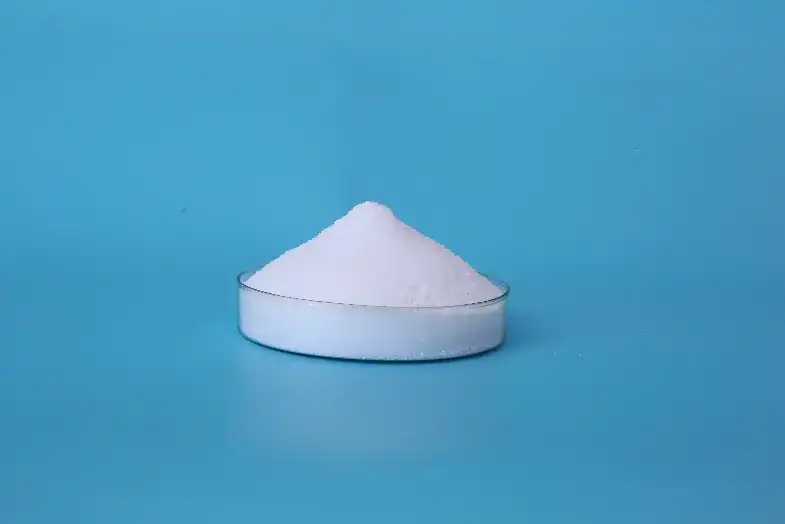
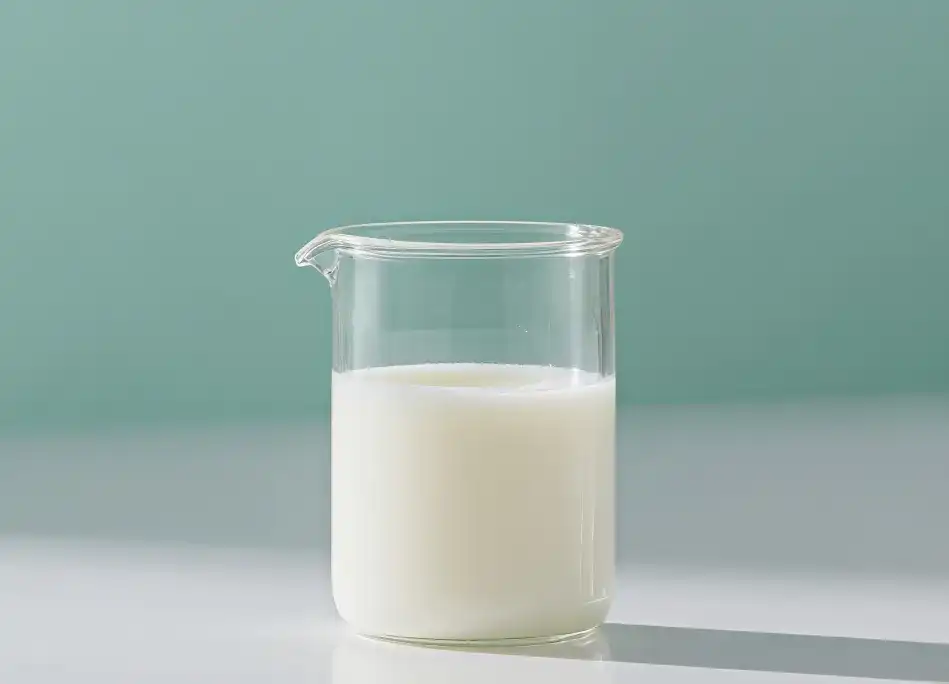
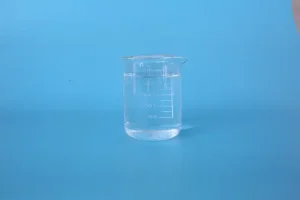
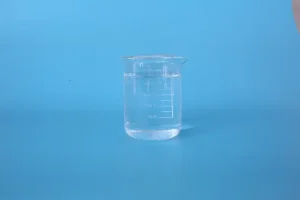
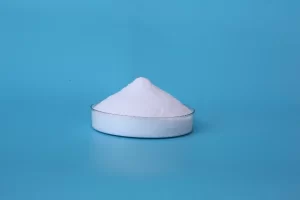
Powder and emulsion are the two forms that matter most in a cationic polyacrylamide performance comparison. Powder carries more active polymer per kilogram and keeps well in dry storage, which suits a fixed preparation room with trained operators. Emulsion is a water-in-oil liquid that inverts quickly when diluted. Our emulsion type polyacrylamide is ready within 5 to 15 minutes under mixing, according to the product specification. That short preparation window reduces downtime after a plant shutdown and removes much of the skill needed to prevent fisheyes in powder batching.
| Factor | Cationic powder | Cationic emulsion | Amphoteric grade |
|---|---|---|---|
| Preparation time | 30 to 60 minutes after aging | 5 to 15 minutes | Similar to the selected form |
| Active polymer per kilogram | Higher | Lower | Depends on grade |
| Storage | Dry, cool area | Protect from frost and heat | Protect from frost and heat |
| Best fit | Fixed plant with trained operators | Mobile or small crew operations | Complex streams with pH swings |
| Common failure mode | Undissolved polymer from short aging | Freezing or settling before use | Overdosage on simple streams |
Form choice changes the failure mode more than the base chemistry. I have seen powder systems underperform because operators shortened aging during a storm surge. The floc looked acceptable at the dosing point, but undissolved polymer reached the belt press and blinded it within a few hours. Emulsion avoids that specific problem but demands controlled storage in cold regions. A continuous plant with permanent dosing equipment usually finds powder the lower total cost path. A temporary or remote installation usually finds emulsion the more practical choice because preparation is faster and simpler.
Which Cationic Polyacrylamide Grade Performs Best in Sludge Dewatering?
There is no universal best grade until the equipment and sludge are fixed. On a belt press, a high charge grade usually releases free water quickly and forms a stiff cake, but too much charge makes the floc glossy and difficult to condition. On a centrifuge, the cake must survive high shear, so molecular weight often matters more than maximum charge density. The dependable method is to hold polymer form constant, compare two or three charge levels on the same sludge sample, and then run a dosage sweep on the strongest candidate.
In a municipal mixed sludge at 4.8% solids, I tested a medium charge powder against a high charge powder. The high charge product cleared filtrate faster, but its dosing band stayed narrow. When the dose moved 15% above optimum, cake solids dropped enough to increase hauling volume. The medium charge product ran more consistently across the shift because its response curve was flatter. That result does not mean medium charge is always correct. It shows that floc strength and dosing tolerance should be measured alongside settling speed, because plant operators rarely hit a single dose for eight hours.
If your sludge carries oil, metal hydroxide, or pH shifts between shifts, confirm charge density and floc strength with a bench test before you freeze the purchase specification. Send your sludge type, solids content, and current polymer dosage to en*****@***er.com, and I can suggest a comparison format that fits your dewatering equipment.
When Does Amphoteric Polyacrylamide Outperform a Standard Cationic Grade?
Amphoteric polyacrylamide carries positive and negative charges on the same chain. In a simple municipal sludge that dual charge adds little. The case for amphoteric appears when the stream is complex: refinery effluent with oil and dissolved solids, textile wastewater with shifting dye chemistry, or industrial sludge that moves from acidic to alkaline within a shift. Under those conditions a standard cationic grade can lose floc structure or demand constant dose correction. The dual charge lets the polymer maintain contact with particles even when conductivity and pH move.
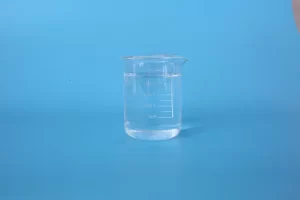
Our amphoteric product is synthesized from cationic monomers, acrylamide, and a hydrolyzing agent, with a fast dissolution rate. That matters in batch preparation because the operator spends less time waiting for the solution to mature. The product specification is built for complex water conditions, so I only recommend it when the trial data shows a standard grade failing. If pH stays within one unit and the stream is mainly municipal, a standard cationic grade usually wins on cost. If pH moves more than three units across a day, or oil content runs above roughly 2,000 mg/L, amphoteric deserves a controlled trial on one train.
What Should Buyers Check Before Finalizing a Cationic Polyacrylamide Supplier?
Performance data sheets can hide the variation that matters most, which is batch to batch charge density drift. A product that wins a trial but shifts by a few percentage points in the next shipment creates a dosing problem the plant then handles with constant operator adjustment. Buyers should ask for a certificate of analysis with residual monomer limits, viscosity or molecular weight range, and dissolution time for the exact grade supplied, not one generic product class value.
Shandong Nuoer produces its own cationic monomers, which lets us hold charge density within a tighter range and shortens the chain from monomer to finished polymer. Our cationic polyacrylamide specification records dosage savings of 10% to 15% under the same conditions, and our polyacrylamide capacity sits at 500,000 tons per year with sales and service coverage across more than 60 countries. Those facts only matter if they appear as repeatable performance on your sludge.
If you are shortlisting cationic polyacrylamide for sludge dewatering or dissolved air flotation, send the sludge type, solids concentration, and target cake dryness to en*****@***er.com or call +86-532-66712876. I will confirm the recommended charge density, physical form, and a test protocol before you commit to a purchase.
What Else Should a Plant Team Ask About Cationic Polyacrylamide?
Should I pick the highest charge density I can buy?
No, higher charge is not automatically better. A high charge grade clears turbidity quickly because it neutralizes negatively charged sludge particles faster. The tradeoff is a narrower dosing window. Step past the optimum and the floc can become sticky or redisperse, which raises polymer consumption and press moisture. Match charge density to the sludge colloid load and pH, then use molecular weight to set floc size and shear resistance. Starting with the highest charge skips that logic.
Does emulsion always perform faster than powder?
In dissolution, yes. In final flocculation, not necessarily. Emulsion inverts and reaches ready to use condition within minutes, while powder requires aging and can leave undissolved particles if handling is rushed. Once both polymers are fully dissolved, flocculation speed and cake quality depend on charge density, molecular weight, and dosage, not the original physical form. A plant comparing emulsion and powder should separate preparation speed from separation performance. Run the same charge level in both forms, then measure filtrate quality and cake release under identical mixing energy.
How much should dosage change between seasons?
It depends mainly on sludge age, temperature, and polymer solution age. In cold weather, sludge viscosity rises and biological activity slows, so the same polymer often needs a longer mixing period rather than a simple dose increase. In warm weather, septicity can load the water with more soluble organics, which consumes cationic charge and may require a higher active dose. Monitor filtrate quality and floc texture after every 10% dose change, and hold the next step for at least one residence time. A seasonal curve built from jar tests is more reliable than a fixed summer or winter rule.
Can one grade cover both primary and waste activated sludge?
In plants I have worked with, one grade rarely covers primary sludge and waste activated sludge equally. Primary sludge is denser and less colloidal, so it responds to a moderate charge and less polymer. Waste activated sludge carries a high proportion of biological floc and bound water, which usually demands more charge or a higher molecular weight product. If both streams blend before thickening or dewatering, test the blend rather than the separate fractions. Otherwise you may size the polymer to the easier stream and overfeed the harder one. Send your sludge fractions and current dose to en*****@***er.com, and I will confirm whether a single grade can hold the required cake dryness.
If you’re interested, check out these related articles:
Acrylic Acid Suppliers: Quality Testing & Procurement Strategies
Non Ionic PAM: Advancing Paper Retention System Performance
Acrylic Acid Storage Stability: Enhancing Industrial Shelf Life
Selecting a Reliable Acrylic Acid Manufacturer for Quality


 English
 Russian
 Arabic
 Spanish