
Emulsion PAM manufacturers quote similar delivery dates, but the load date that matters is set by production capacity, export readiness, and storage conditions, not by the date printed on a proforma invoice. Buyers who confirm ionic type, dosage conditions, and destination logistics before ordering reduce real lead times more reliably than buyers who chase the lowest freight quote. This article examines the scheduling, documentation, and stability factors that separate suppliers with fast dispatch from suppliers that only claim it. It is written for procurement engineers and operations managers who need emulsion polyacrylamide to arrive before a treatment campaign or field project starts.
Why Does Emulsion PAM Delivery Speed Depend on Production Scale?
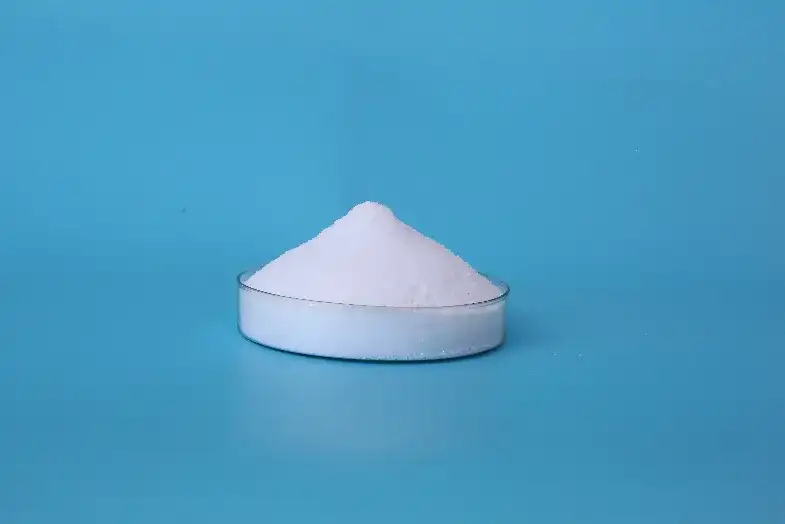
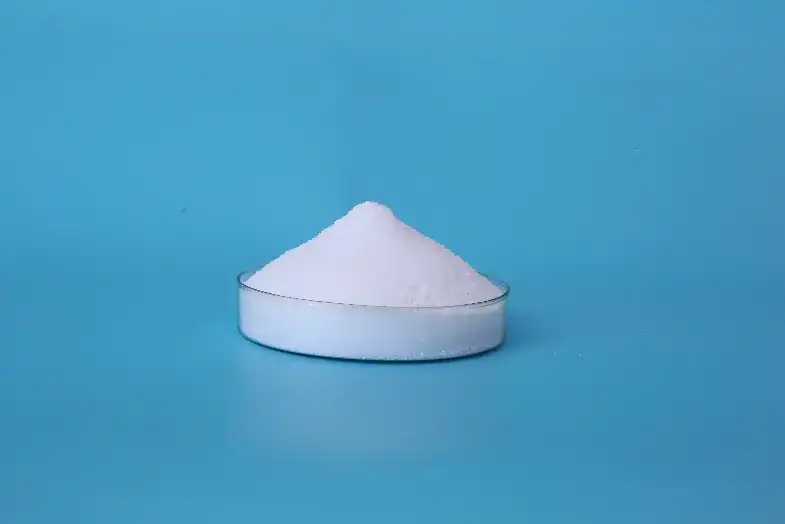
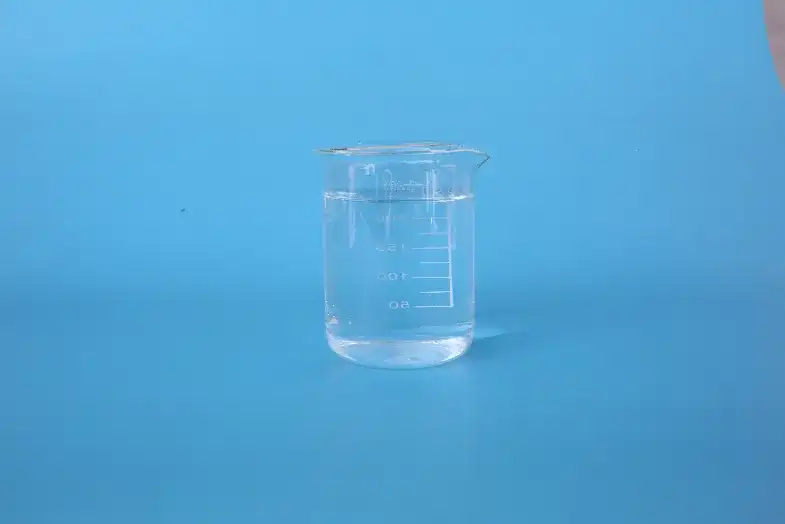
Emulsion PAM is a high-concentration water-in-oil liquid flocculant. Its value in fast-moving projects comes from rapid dissolution: the product can be ready to use within 5 to 15 minutes after make-down, according to the Shandong Nuoer emulsion product datasheet. That advantage disappears if the material is still waiting for a production slot.
A manufacturer with a small emulsion line can still print a short dispatch date, but any sudden order, large tender, or seasonal demand spike pushes the batch out. The schedule is not controlled by the sales desk; it is controlled by reactor availability, emulsifier inventory, and monomer supply. At Shandong Nuoer, the annual emulsion-type polyacrylamide capacity of 200,000 tons means an order does not have to wait behind a single limited production window. The site also produces acrylamide and acrylic acid upstream, which shortens the raw material chain. Scale matters because it converts possible work into a schedulable batch.

What Causes Emulsion PAM Shipping Delays?
Most delays I have observed do not begin with production. They begin with two overlooked areas: export documentation and storage requirements.
Why does export documentation slow lead times?
An emulsion polyacrylamide shipment can sit at the port when the safety data sheet, certificate of analysis, or customs classification does not match the actual product. For water-in-oil emulsion, the continuous oil phase must be declared correctly. A generic description that lists only polyacrylamide can trigger inspection because the oil component changes the classification. I have watched orders miss a departure window because the supplier corrected the SDS after the container was already gate-in. The chemistry was fine; the paperwork was not.
Why do cold chain and stability requirements affect dispatch?
Emulsion PAM is sensitive to freezing and high heat. Phase separation or inversion problems appear later at the customer’s dosing skid if the product is loaded without temperature history. That forces the manufacturer to choose shorter routes, monitored containers, or seasonal scheduling. A supplier that discusses these conditions before quoting can commit to a delivery date that holds. A supplier that ignores them will still quote a date.
How Does Factory Capacity Shorten Lead Times?
Capacity alone is not enough if the raw material chain remains upstream. Emulsion PAM requires acrylamide monomer and a reliable emulsifier package. A manufacturer that buys monomer on the spot market can lose weeks when prices or maintenance disrupt supply. We keep the chain inside the plant. The same production site holds 300,000 tons of annual acrylamide capacity and 100,000 tons of annual acrylic acid capacity, according to company capacity data, so an emulsion batch does not depend on a third-party monomer shipment.
The second factor is scheduling discipline. We treat a fast delivery request as an allocation problem, not a promise. The planning review checks three things in sequence: the ionic type and molecular weight range, the required packaging and storage temperature, and the destination port’s document package. Only after those checks pass is a container slot reserved.
If your program involves cold-weather storage or a remote dosing unit with limited water supply, it is worth confirming the emulsion’s pour point and make-down design before finalizing the purchase order. Send your water quality data and target dosage to en*****@***er.com, and we can confirm the correct product grade and activation procedure.
Which Sourcing Checks Confirm Fast and Reliable Supply?
Buyers can verify fast delivery before sampling. Four checks separate capacity-backed scheduling from sales language.
| Check | What it reveals | Evidence to request |
|---|---|---|
| Emulsion production allocation | whether larger volumes can be scheduled quickly | monthly output and open order book |
| In-house monomer supply | upstream raw material exposure | acrylamide capacity and inventory policy |
| Emulsion storage conditions | stability before dispatch | batch storage log and temperature control record |
| Export documentation quality | customs risk at destination | sample SDS, COA, and certificate of origin |
A supplier with integrated production will share these records without treating the request as unusual. A trader sourcing from multiple small plants will hesitate because the documents are not in one system. We treat export readiness as part of lead time, not a step after dispatch. The certificate of analysis is prepared during batch QC, not after the customer asks.
How Do You Lock In a Fast Delivery Schedule for Emulsion PAM?
The most reliable way to avoid delay is to make the supplier commit against a complete process profile, not a product name. Send the ionic type, target dosage, monthly volume, destination port, and required arrival date. If you have water quality data or a site process description, include that too. With those details, a manufacturer with integrated capacity can confirm stock allocation and container timing before the order is placed. Without them, the fastest quote may still turn out to be conditional.
For emulsion PAM programs that require priority allocation, send your process data and delivery window to en*****@***er.com or call +86-532-66712876. We will confirm whether the batch can meet your arrival date and what documentation package is needed for your port.
What Questions Do Buyers Ask Emulsion PAM Manufacturers?
How soon can emulsion polyacrylamide be dispatched after an order is confirmed?
Dispatch depends on product grade and order size, not only on production speed. Standard emulsion grades with a confirmed formulation can often be loaded within the schedule window after documentation passes. Custom ionic type or packaging requirements add formulation and stability checks before dispatch. Ask the supplier to state the dispatch condition against a specific product code and volume instead of accepting a general lead time.
Is a faster dispatch time a sign of lower product quality?
A shorter dispatch time is often assumed to mean lower quality. That assumption confuses speed with weak QC. A manufacturer with an integrated monomer supply and steady production planning can move faster without cutting testing. Quality risk comes from trading companies that compress time by mixing batches from unknown origins or skipping oil phase verification. Ask for the COA and the batch QC record along with the dispatch date. That pair tells you more than speed alone.
Does selecting fast delivery increase the unit price?
It depends on the logistics mode and the destination. Priority scheduling for standard products may add little cost when production capacity is available and the port is close to the plant. Remote destinations, temperature-controlled containers, or short-notice allocation can raise freight cost more than the product price. In our experience, the larger avoidable cost is the delayed campaign downstream, not the freight premium.
What minimum order volume is needed for priority scheduling?
In our production scheduling process, priority allocation usually requires a full container or a predictable monthly offtake. Small trial orders are generally fitted into existing production slots rather than given dedicated campaigns. If your field project has a narrow arrival window, send the port, required date, and estimated monthly volume to en*****@***er.com. We will confirm whether your order qualifies for allocation against the current production schedule and what lead time applies.
If you’re interested, check out these related articles:
Amphoteric Polyacrylamide: pH Adaptation for Optimal Performance
Good News丨Nuoer Wins Two Provincial Honors
High Purity Acrylamide Monomer vs Technical Grade Distinction
Nuoer Biotech Helps Ensure the Successful Convening of the 2025 Annual Meeting of the National Functional Polymer Industry Committee and the Industry Development High-Level Technology Forum


 English
 Russian
 Arabic
 Spanish