
Acrylamide solution price comparisons usually stop at the invoice number, and that is where they go wrong. A cheap quote can carry more water, tighter storage limits, or an impurity profile that slows polymerization and weakens final product consistency. I have spent more than fifteen years in polyacrylamide and acrylic chemical production, and I have seen plants pay more in process and logistics than they saved on purchase price. The useful calculation is total cost per kilogram of usable monomer, not price per ton of mixed solution.
What Does Acrylamide Solution Really Cost Manufacturers?
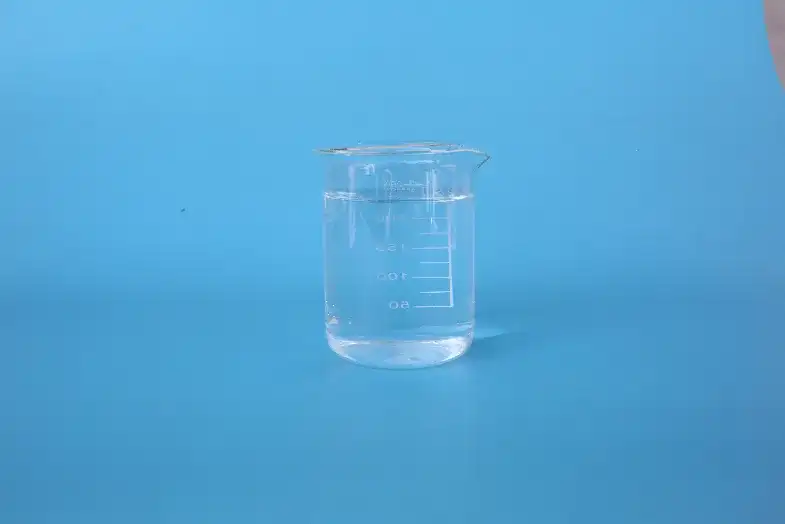
A useful cost comparison starts with three categories: the price per dry kilogram of acrylamide, the logistics cost of moving water, and the process cost of handling a material that does not create dust or dissolution waste. A 40% solution contains 400 kg of acrylamide per metric ton. To compare it with crystal monomer, divide the delivered price by the active concentration. A 50% solution contains 500 kg per ton, so the dry basis cost calculation changes substantially even when the invoice prices look close.
Manufacturers that compare only the unit price ignore what the water freight and feed system do to operating cost. Solution removes several preparation steps, but it also adds transport weight. In capacity planning, I calculate the monomer delivered, not the solution weight, before any supplier quote enters the comparison. That correction alone often reorders two or three suppliers.
How Do Concentration and Impurity Profiles Shape Usable Monomer Economics?
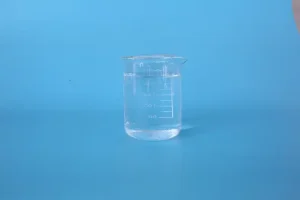
Acrylamide solution is supplied at typical concentrations from 25% to 50%. The aqueous solution product data lists acrylamide content at 28% to 30%, 38% to 42%, or 48% to 52%, with custom concentrations available. That choice changes freight, storage volume, and feed system sizing. A lower concentration carries more water per unit of monomer, while a higher concentration reduces water weight but places more demand on transfer pumping and tank management.
| Parameter | AM Aqueous Solution | AM Crystal |
|---|---|---|
| Active content or purity | 25% to 50% AM content | Purity ≥98.0% |
| Acrylonitrile | ≤0.1% | Not specified |
| Acrylic acid | ≤0.3% | Not specified |
| pH | 7.0 to 9.0 | 6.5 to 7.5 |
| Conductivity | 5 to 30 µS/cm grade dependent | ≤20 µS/cm |
What Acrylonitrile and Acrylic Acid Limits Mean
Acrylonitrile and acrylic acid are the two impurity markers that matter most in a polymerization feed. The aqueous solution specification caps acrylonitrile at 0.1% and acrylic acid at 0.3%. These limits are tighter than many buyers check. Excess acrylonitrile can alter copolymer composition and reaction kinetics, while residual acrylic acid can shift charge density and branching in downstream polyacrylamide. For a manufacturer, variation within these limits matters as much as the ceiling, because a stable feed produces a stable molecular weight distribution.
Why pH and Conductivity Affect Polymerization Control
pH in the solution runs from 7.0 to 9.0, and conductivity runs from 5 to 30 µS/cm depending on grade. Conductivity is not a cosmetic result. It reflects ionic contamination that can interact with initiator systems and final polymer solubility. A solution with consistent conductivity from lot to lot lets a plant hold recipe settings without retuning. That consistency comes from controlled production. The aqueous acrylamide is produced by microbial technology, which keeps residual impurities low before the solution reaches the tank.
Why Does Continuous Polymerization Favor Acrylamide Solution?
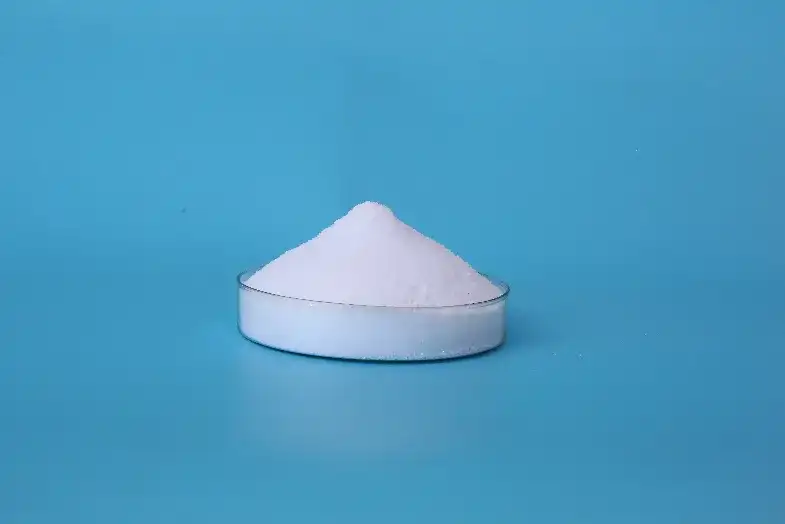
Continuous polymerization rewards a monomer feed that is repeatable and easy to meter. Acrylamide solution arrives as a liquid, so it can be stored in closed tanks, transferred through metering lines, and introduced into the reactor without the dissolution step that solid monomer requires. In our production planning, we evaluate the feed by how many non-value-adding operations it adds. Crystal acrylamide must be dissolved, held, filtered, and checked before it enters a continuous train. Solution removes those steps and lowers the chance of dust exposure and weighing error.
How Solution Changes Batch and Continuous Dosing
In a batch plant, solution reduces preparation time but calls for careful inventory rotation because heat and ultraviolet light degrade stored acrylamide. In a continuous plant, the advantage is stronger. A controlled feed from a day tank keeps reactor conditions stable for longer runs. The choice between 38% to 42% and 48% to 52% is not simply freight. A plant with long transfer lines may prefer a lower concentration for easier pumping, while a high-throughput line may absorb the pumping cost of a 50% feed to cut water freight. We usually start by defining the monomer mass the process needs per hour, then select a concentration that keeps tankage and feed rate steady.
If your continuous line is choosing between 38% to 42% and 48% to 52% material, it is worth confirming conductivity and inhibitor compatibility with your initiator system before finalizing the purchase order. Send your target concentration and throughput to en*****@***er.com and we can check the right grade against the process, not just the price.
How Should Manufacturers Qualify an Acrylamide Solution Supplier?
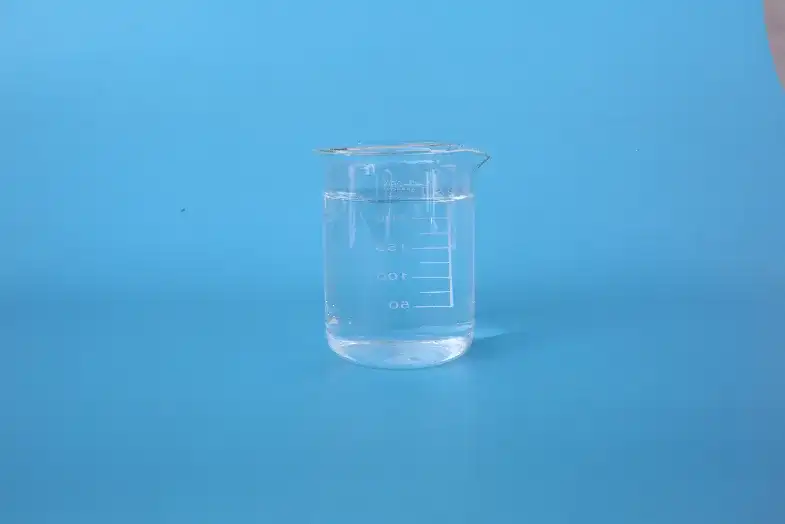
A supplier qualification file should look beyond the quote. It should capture production capacity, lot-to-lot impurity control, packaging, and after-sales response. For aqueous acrylamide, the most useful evidence is a certificate of analysis for each shipment and a clear statement of concentration tolerance. We hold 300,000 tons of acrylamide capacity, which gives us the scale to maintain consistent production parameters across large orders. Capacity matters here because smaller batch variability can become a hidden process cost when a plant receives multiple inconsistent lots in a quarter.
What the Certificate of Analysis Should Cover
Request acrylamide content, pH, conductivity, acrylonitrile, acrylic acid, inhibitor content, color, and date of production. If a supplier cannot report all of these, treat the missing field as a variable the plant will control on its own. Documentation consistency across lots is one of the strongest signals of supply reliability.
The other qualification signal is process ownership. We produce the aqueous solution with advanced microbial technology rather than blending purchased material. That control usually shows up as stable conductivity and low color. Buyers should ask who controls the upstream monomer process, because a formulator that buys monomer on the open market has less ability to correct an impurity excursion.
What Should Your Acrylamide Solution Sourcing Check Include?
Most acrylamide solution sourcing decisions get made too late, after a quote comparison has narrowed the field to two prices and no process data. That is the wrong ordering. The right check starts with the plant’s concentration, volume, and process type, then tests the supplier’s specification against those parameters. At Shandong Nuoer Biological Technology Co., we work with manufacturers across polymer production, water treatment, and oil recovery, and the avoidable cost is usually not the monomer price. It is a feed that varies from lot to lot or logistics that disrupt the reactor schedule.
If you are planning a new conversion or replacing a current supply, send your target concentration, annual volume, and a short note on batch or continuous operation to en*****@***er.com. You can also call +86-532-66712876 to confirm technical documentation before sampling. That step moves the comparison from price per ton to total cost per usable monomer.
What Do Manufacturers Ask Before Choosing an Acrylamide Solution Grade?
Is acrylamide solution cheaper than crystal monomer?
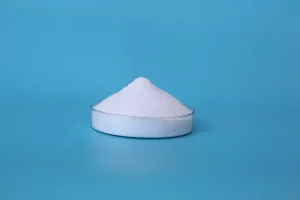
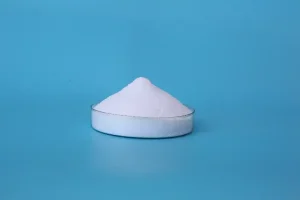
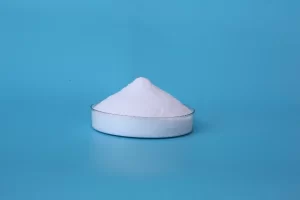
Not as a delivered price. A solution contains water, so the invoice price per ton is lower in many cases, but the dry monomer cost must be divided by concentration. The real comparison is total processing cost. Crystal monomer removes water weight from freight, but it adds dissolution, filtration, and dust control steps in the plant. Solution removes those steps but carries water in transport. Plants that compare only purchase price miss the largest cost differences. The right metric is delivered cost per kilogram of active monomer plus the labor and energy required to make the feed reactor-ready.
Which concentration makes sense for a batch process?
It depends on tankage, line length, and inventory turnover. A batch plant that runs many small campaigns may prefer a lower-concentration solution for easier storage and transfer. A high-throughput batch plant that gets frequent shipments may run 48% to 52% material to reduce water freight and tank volume per kilogram of monomer. The duty cycle matters more than a fixed rule. If the plant holds inventory for weeks, product stability, inhibitor level, and tank conditions become the controlling factors. We usually match concentration to the monomer mass the plant consumes within one rotation, not to a generic standard.
How do conductivity and inhibitor content affect polymerization?
Many plants treat conductivity and inhibitor as minor notes on the certificate of analysis. They are not. Conductivity reflects ionic impurities that can interact with initiators and shift molecular weight development. Inhibitor content must be high enough to prevent premature polymerization in storage but low enough not to delay the reactor start. A solution with consistent values across lots lets a plant hold recipe settings. A solution that drifts from 5 to 30 µS/cm between shipments forces retuning and can produce off-spec polymer. Buyers should ask for the actual lot values, not only the maximum limit.
What should a plant ask for on the certificate of analysis?
In plants I have worked with, the most useful request is for the full COA before the first shipment, not after the order is placed. The COA should show acrylamide content, pH, conductivity, acrylonitrile, acrylic acid, inhibitor content, color, and production date. Missing fields usually mean the supplier has not controlled them. Comparing COA values across three lots also shows lot-to-lot variability, which matters more than the average. A supplier that reports consistent values across those three lots is easier to integrate into a stable process than one with a lower price and wider drift.
Does a higher concentration always reduce total cost?
The better question is whether the freight savings from less water overcome the pumping and storage requirements of a thicker feed. A 48% to 52% solution cuts water freight per kilogram of monomer, but it may require larger transfer pumps, shorter storage windows, or more careful temperature control. If those costs exceed the freight saving, a 38% to 42% grade is the stronger choice. The calculation must include tank cleaning, line flushing losses, and the cost of material that cannot be returned to the reactor. If your plant is comparing those grades, share your monthly volume and receiving setup with us and we will confirm the delivered cost structure.
If you’re interested, check out these related articles:
Acrylic Acid Storage Stability: Enhancing Industrial Shelf Life
Acrylamide Solution Concentration: Optimizing Plant Performance
Leading SAP Supplier for Feminine Hygiene Product Excellence
Amphoteric Polyacrylamide: Optimal Solution for Mixed Effluent Treatment
Acrylamide Crystal Cost Efficiency Unlocking Value


 English
 Russian
 Arabic
 Spanish