
Cationic PAM governs retention and drainage in papermaking by bridging fibers, fines, and fillers into flocs that stay on the wire. The part most mill teams still overlook is that charge density and molecular weight must be matched to the furnish, not to a fixed dosage target. From production and application work, we see the same pattern in trials: a grade performs well in one paper recipe and loses first pass retention when ash content or conductivity shifts. This article explains how to select and evaluate cationic polyacrylamide for practical retention and drainage control, from charge demand to supplier consistency.
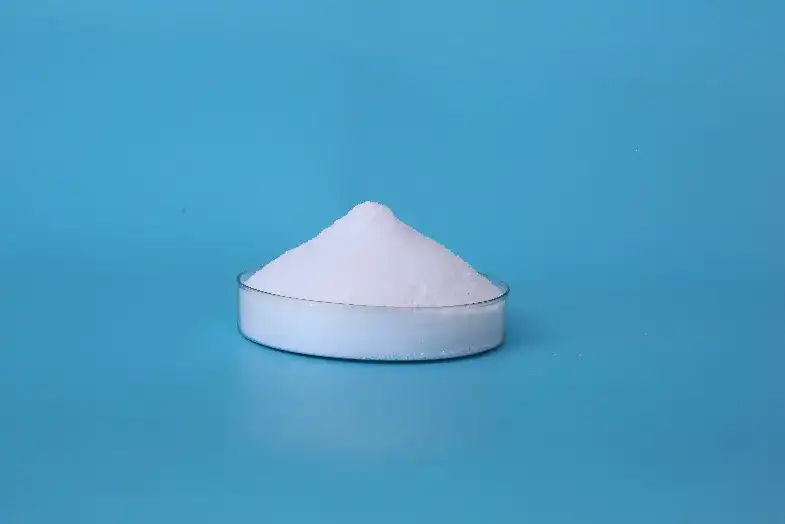
Cationic PAM Builds Retention and Drainage in the Wet End
Cationic polyacrylamide works through charge neutralization and polymer bridging. Fine particles and filler carry negative surface charge, and the cationic groups attach to these surfaces while the acrylamide chain spans multiple particles. The resulting floc structure stays heavier and drains faster because the water exits a more open sheet network. In our production data, the same retention and drainage result can be achieved with 10 to 15 percent lower dosage when the charge density and molecular weight are selected correctly. That does not mean every grade delivers the same response on every furnish.
| Wet end condition | What it changes | Cationic PAM response |
|---|---|---|
| High anionic trash | Consumes positive charge | Select higher charge density rather than just more dosage |
| Rising conductivity | Compresses the electrical double layer | Recheck charge demand and dosage response |
| Higher filler loading | Increases fines retention pressure | Pair charge density with molecular weight for filler attachment |
| High headbox shear | Breaks oversized flocs | Shift toward lower molecular weight or a shear stable grade |
| Variable recycled fiber | Changes furnish charge daily | Run charge demand checks before each grade change |
Do not read the table as a universal recipe. Each cationic PAM grade has a working range, and the paper machine team still has to confirm floc size and water release on the actual furnish.
Charge Density and Molecular Weight Define Cationic PAM Performance
Why Charge Density Matters More Than Dosage Alone
Charge density determines how much cationic demand the polymer can satisfy before it begins to bridge. Anionic trash in whitewater reacts first, so increasing dosage without raising charge density often just feeds competing charges. In that case, whitewater turbidity improves only briefly, and first pass retention stays flat. We control cationic monomer production in house, which lets us hold cationic PAM charge density within a narrow range from batch to batch. For a mill running alkaline fine paper, the useful start point is usually a medium or high charge cationic PAM grade paired with a dosage curve, not a one point addition rate.
How Molecular Weight Changes Shear Response
Molecular weight controls the size and strength of the floc after charge attachment. A very high molecular weight creates large flocs, but headbox turbulence and forming table shear can tear them apart before the sheet is set. I have walked through enough mill trials to expect retention response to reverse above a practical dosage threshold rather than flattening smoothly. When floc size becomes too large for the forming zone, first pass retention can stay flat while formation quality begins to suffer. We therefore evaluate molecular weight together with machine speed and headbox design before locking a cationic PAM specification.
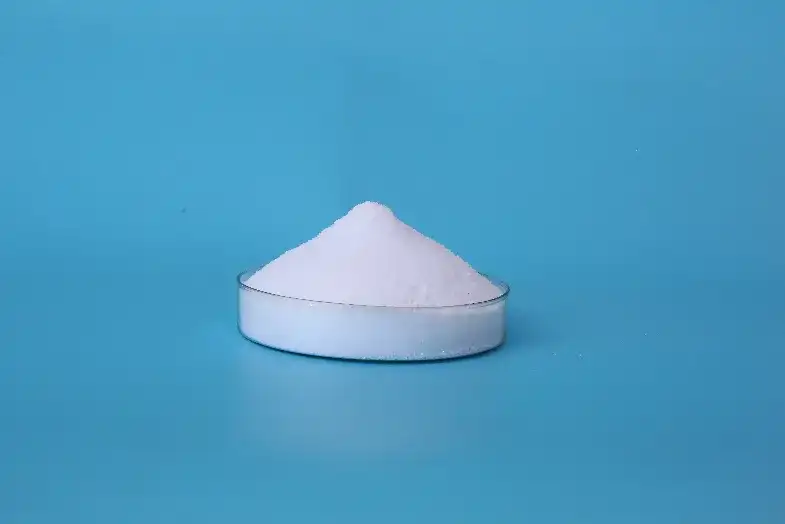
Furnish Conditions Change Cationic PAM Dosage and Performance Limits
Anionic Trash and Conductivity Set the Charge Budget
Recycled fiber, coated broke, pulper carryover, and alkaline filler treatment all release anionic substances. These materials consume cationic charge before the polymer can work on fiber and filler surfaces. Rising conductivity compresses the electrical double layer around particles, which changes how much retention aid is needed. A dosage that works at one conductivity level can fail after a fresh water source change or a bleach plant upset. We treat charge demand as the first measurement in a retention program, then set the cationic PAM grade and addition point around that result.
High Ash and Recycled Fiber Shift Retention Priorities
High filler loading increases the number of small particles that must be retained, and recycled furnish varies more than virgin pulp in both charge and fines content. Under these conditions, the priority is usually filler retention and stable whitewater turbidity rather than maximum floc size. The right charge density often matters more than a marginal increase in molecular weight because fines respond better to charge attachment than to long chain bridging in a contaminated wet end. For high ash systems, a medium molecular weight cationic PAM with consistent charge density usually gives a wider operating window than an extreme molecular weight alone.
If your furnish contains high ash content or recycled fiber that shifts from day to day, it is worth confirming the charge density and molecular weight pairing before finalizing the wet end program. Send furnish composition, current first pass retention, ash content, and machine speed to en*****@***er.com, and we will map charge demand and propose trial grades within your operating window.
Supply Consistency Determines Whether Trial Results Repeat
No wet end program survives supplier variation. A successful trial with one cationic PAM grade only matters if the next container performs the same way, because paper machine retention changes quickly and the production schedule rarely waits for a replacement. We produce cationic monomers in house, which reduces the variation that would otherwise enter through monomer sourcing and gives us direct control over charge density and molecular weight for repeatable shipments. Our production base includes 500,000 tons of polyacrylamide capacity per year and serves more than 60 countries, so the practical question for a paper mill is not whether a single sample performs well. The question is whether the grade remains the same across orders and dissolves without fisheyes or insoluble gel. Emulsion type cationic PAM can dissolve within 5 to 15 minutes, which matters when the wet end team needs a fast grade change or mobile dosing adjustment.
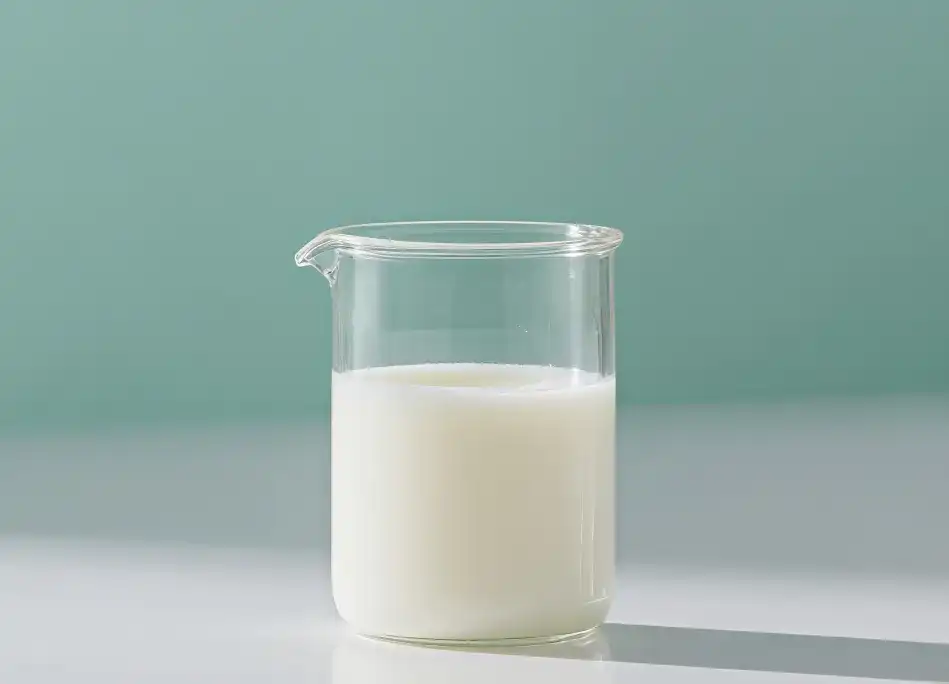
Confirm the Right Cationic PAM for Your Paper Machine
Paper machine problems usually show up first in whitewater consistency and first pass retention, not in a laboratory report. When drainage still limits speed after a dosage increase, the gap is usually charge density or molecular weight selection rather than simply a weak product. Send us your paper grade, furnish breakdown, ash content, machine speed, and current retention targets. We will propose a starting cationic PAM grade and dosage window, then work with your technical team to confirm the result on a trial. Contact Shandong Nuoer Biological Technology Co., Ltd. at en*****@***er.com or +86-532-66712876 with your wet end data, and we will respond with charge density and molecular weight options matched to your furnish.
Common Questions About Cationic PAM in Paper Mills
What is a realistic first pass retention target for a fine paper machine?
Most fine paper machines should first stabilize the relationship between first pass retention, ash retention, and formation rather than chase a single number. A mill running 70 percent first pass retention with poor formation is not in better shape than one running 62 percent with stable whitewater. The correct target depends on charge demand, machine speed, and filler loading, so it is better to set a retention band than a single fixed point.
Does lower dosage always mean lower cost?
Lower addition rate is not the same as lower total cost. A low dosage product that leaves fines and filler in the whitewater can increase dryer steam demand, deposit control chemicals, and sheet breaks. We have reviewed wet end programs where the retention aid cost was low but the total chemical cost per ton moved higher. The comparison should be made on retained material and machine runnability, not on retention aid cost alone.
How quickly can a good cationic PAM grade show drainage improvement?
It depends on the mixing point and solution preparation. When the product dissolves completely and the charge demand has been mapped, a clear drainage change should appear within the first few hours of a trial. If the mill feeds poorly dissolved polymer, the response is slower and harder to separate from normal variation. Emulsion grades dissolve within 5 to 15 minutes, which shortens the trial cycle and makes the drainage response easier to observe.
What should we ask a cationic PAM supplier before changing grades?
In supplier evaluations we ask for the same three items every time: batch charge density data, molecular weight range, and residual monomer or insolubles information for the current production run. A supplier that cannot produce these at the time of inquiry is unlikely to keep them stable across shipments. Share your paper grade, furnish composition, and retention targets with us at en*****@***er.com or +86-532-66712876, and we will confirm the available documentation for the grade we recommend.
If you’re interested, check out these related articles:
Emulsion Polyacrylamide: Optimizing Oilfield Drilling Performance
Acrylamide Monomer Purity: Key to Polyacrylamide Synthesis
Acrylamide Monomer Suppliers for Polymer Production Excellence


 English
 Russian
 Arabic
 Spanish