
Selecting cationic PAM for industrial versus municipal wastewater requires more than choosing a standard flocculant grade. The two streams differ in charge demand, solids composition, loading variability, and dewatering objectives. An industrial stream may carry emulsified oil, metal precipitates, acids, or dye residuals, which shift charge density requirements quickly. Municipal sludge is usually biological, with mixed primary and secondary solids and daily flow swings. The choices that matter are charge density, molecular weight, mixing behavior, and dewatering performance, and these are best confirmed through a staged trial rather than a supplier’s standard grade.
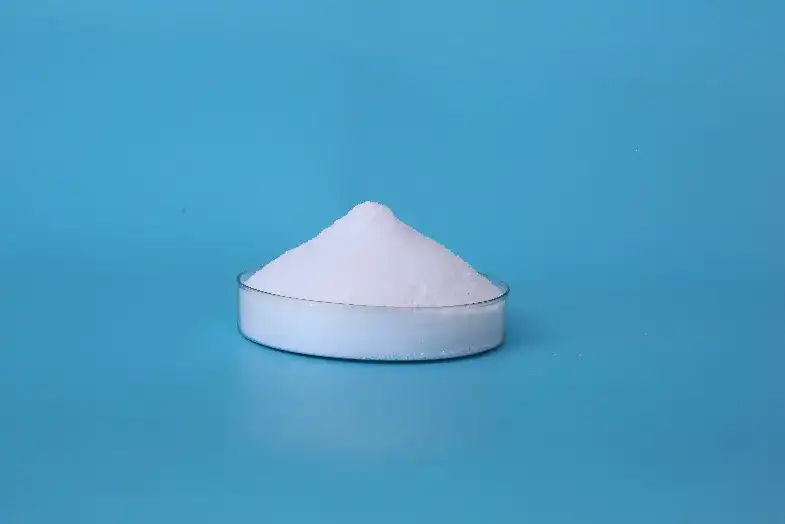
Why Are Industrial and Municipal Wastewater Different for Cationic PAM?
Industrial wastewater composition follows the production process rather than a biological treatment target. A metal finisher, a textile dyehouse, and a food processor present different soluble loads, pH values, and suspended solids. Cationic polyacrylamide works by neutralizing negative particle charges and bridging solids into flocs. If the charge density is too low, fine solids remain suspended. If it is too high, dosing appears as sticky flocs, higher polymer consumption, and poor filter cloth release.
Municipal wastewater contains biological flocs from primary and secondary clarification, with charge demand changing alongside sludge age, temperature, and filamentous bacteria. The difference matters because industrial buyers often optimize separation speed, while municipal operators prioritize cake solids and hauling cost. I have seen procurement teams copy a municipal grade into an industrial tender because both are called wastewater treatment. This usually ends with a higher dosage than necessary and slower settling, not a faster qualification.
What Cationic PAM Grade Should Industrial Wastewater Use?
Matching charge density to the waste stream
For industrial streams, measure the dissolved and suspended solids charge instead of assuming that higher cationic charge is always better. A refinery with stable emulsified oil and pH below 6 often performs better with a medium to high charge cationic PAM. A food processing stream with high organic load may only need a low to medium charge. The wrong charge density often appears as clear water with loose flocs, or as rapid floc formation followed by re-dispersion under mixing.
Selecting molecular weight for fragile or dense flocs
Molecular weight controls how strongly the polymer bridges suspended particles. Coarse or heavy solids, such as metal hydroxide sludge, usually tolerate lower molecular weight and benefit from a stronger floc structure. Fine pigments or clays often require higher molecular weight to collect very small particles. Jar testing across two or three molecular weights is the most direct way to confirm this. We produce cationic PAM with adjustable molecular weight and charge density, so the grade follows the stream rather than forcing a standard product.
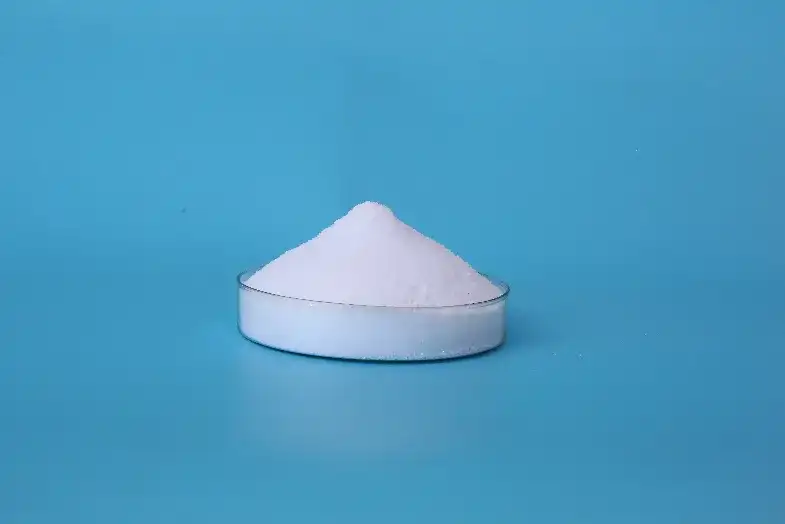
What Cationic PAM Grade Should Municipal Wastewater Use?
Dewatering mixed primary and secondary solids
Municipal sludge is a moving target. Primary sludge is generally easier to dewater, while secondary sludge holds more water and carries more negative surface charge. The blend ratio changes with plant loading and the biological process. A grade that works on a primary-only blend may underdose or overdose when the secondary sludge share increases. During each trial, record the blend ratio, polymer dose per dry ton of solids, cake solids, and filtrate clarity.
Cold weather and solution aging
Low temperature changes polymer viscosity and solution aging. Municipal plants in cold regions often see floc strength drop as water temperature falls below 10°C. In those conditions, a slightly higher charge density may be needed, but the decision should come from beaker tests at actual cold water temperature. Field confirmation at operating temperature is more useful than relying on a standard data sheet.
If your plant accepts industrial dischargers alongside domestic sewage, it is worth confirming the mixed charge demand before finalizing the specification. Send your average influent pH, TSS, sludge blend, and current polymer dose to en*****@***er.com. We will compare the data against available grades and narrow the trial range before you commit to a full scale test.
How Should You Test Cationic PAM Before a Full Scale Purchase?
Bench test sequence for charge demand and floc size
A bench test should begin with a fixed polymer concentration, usually 0.1% to 0.2%, mixed at low shear. Dose the polymer in small increments and observe floc formation, settling speed, and supernatant clarity. If the floc forms quickly but breaks under additional mixing, the molecular weight is likely too high or the dosing point has too much shear. If the floc remains small and the supernatant stays turbid, the charge density is likely insufficient.
| Wastewater Type | Dominant Charge Demand Sources | Cationic PAM Grade Priority | Trial Focus |
|---|---|---|---|
| Industrial | Emulsified oil, metal precipitates, dyes, acidic solids | Charge density before molecular weight | Floc strength under process shear |
| Municipal | Biological solids, variable organic load | Dewatering performance before charge density | Cake solids and filtrate clarity |
| Mixed acceptance | Alternating domestic and industrial discharges | Broad adaptability plus staged testing | Response to influent swings |
Requesting the right product data
Request the product’s cationic charge density, molecular weight range, dissolution time, residual monomer content, and whether the cationic monomer is sourced in-house or externally. In-house monomer production matters because it reduces supply variability and keeps grade consistency tighter. We produce our cationic PAM from self-produced cationic monomers, which reduces dosage by 10% to 15% under comparable operating conditions and keeps quality stable.
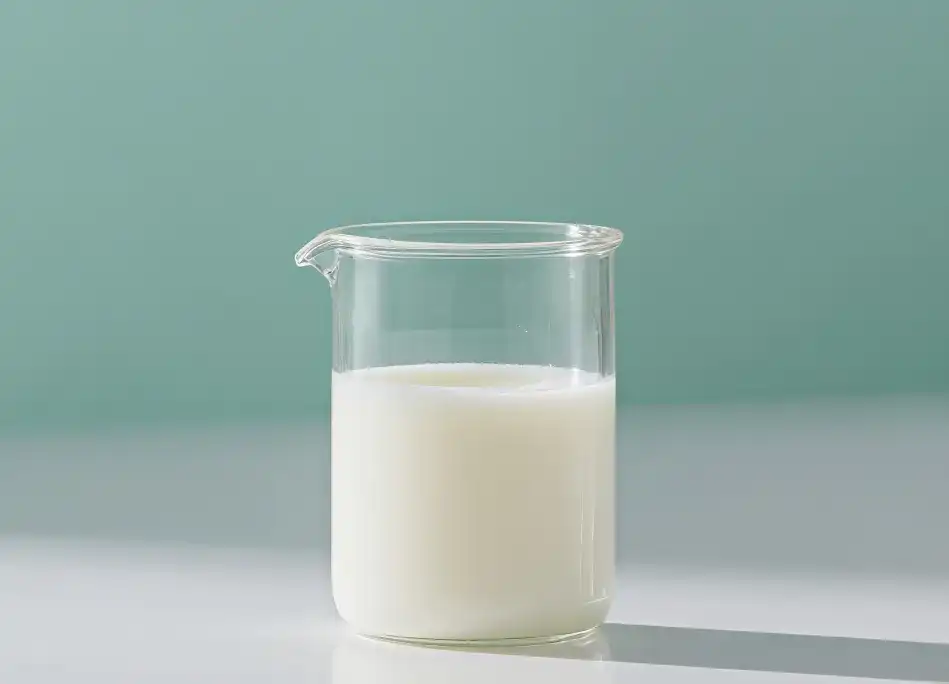
How Do Trial Results Become a Purchasing Specification?
Both industrial and municipal applications shift with upstream production, weather, or permit limits. A single confirmed grade is more useful than a general cationic PAM data sheet. Before you issue a purchase order, confirm the sludge charge demand, target cake solids, and mixing energy at your dosing point. Send those three data points with your current daily polymer consumption to en*****@***er.com or call +86-532-66712876. At Shandong Nuoer, we compare your conditions against our cationic PAM grades and return a starting specification for bench or pilot confirmation.
What Questions Should Buyers Ask About Cationic PAM in Wastewater Treatment?
How do I know whether an industrial stream needs high or medium charge cationic PAM?
Measure the zeta potential or run an anionic charge demand titration before selecting a charge. A stream with stable negative charges from emulsified oil or fine clay usually responds to high charge, while a stream with moderate biological or protein solids may only need medium charge. Skipping this step risks dosing more polymer than required or producing weak flocs. The quickest method is a jar test with two charge densities at the same molecular weight, comparing floc size, settling speed, and supernatant clarity.
Is cationic PAM always required for municipal sludge dewatering?
Not always. Municipal sludge dewatering often depends on cationic polyacrylamide, but the exact product form and charge density are not universal. Plants with stable primary sludge may perform well with a medium charge product, while plants with a high waste activated sludge share usually need higher charge and careful mixing. If the sludge is already well conditioned and cake solids are within target, a new product trial may not be worth the disruption. The better question is what charge demand and solids blend are present at your dewatering equipment.
Can one cationic PAM grade handle both industrial and municipal wastewater?
It depends on how different the two streams are. If the industrial portion is small and the municipal biological sludge dominates, a single medium charge product can work. If the industrial stream contributes oil, metals, or variable pH, one grade will usually be overdosed or underdosed in one of the two streams. In that case, spec two grades with clearly defined application points and storage separation. A bench comparison will show whether the same grade can stay within an acceptable dosage range before you add a second product.
What should I request from a cationic PAM supplier before a trial?
In my experience, suppliers that only send a generic data sheet create more trial delays than suppliers that send batch-specific values. Request the actual cationic charge density, molecular weight range, dissolution time, residual monomer content, and a batch quality certificate. Ask for a small sample from the current production batch, then run your bench test at plant temperature. Share your sludge type, total solids, target cake solids, and current polymer dose, and we can confirm which documentation and grade samples apply to your stream. Reach our team at en*****@***er.com or +86-532-66712876.
If you’re interested, check out these related articles:
Acrylamide Aqueous Solution Safety Requirements: A Comprehensive Guide
Leading Acrylamide Crystal Supplier for Polyacrylamide Manufacturing
Optimizing Acrylamide Aqueous Solution Strength for Industrial Efficiency




 English
 Russian
 Arabic
 Spanish