
Selecting a high charge density cationic polyacrylamide factory should start with process stability, not price per ton. High charge density improves sludge dewatering speed and floc strength in many municipal and industrial applications, but its value collapses if the charge varies from batch to batch. We have seen procurement teams qualify cationic PAM on a single sample and then face settling and dosage drift months later. The practical approach is to verify how the factory controls cationic monomer integration, charge density testing, and dissolution performance before you commit to supply.
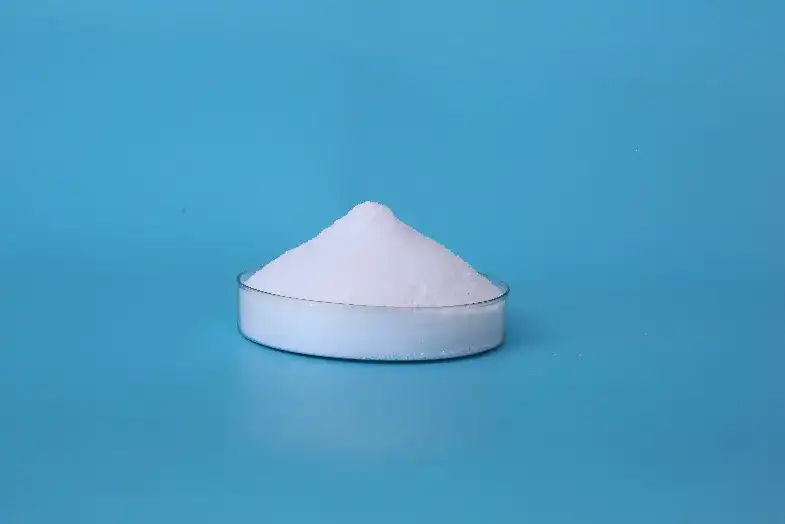
High Charge Density Cationic Polyacrylamide Changes Dewatering Economics
Charge density is the amount of positive charge carried by the polymer chain. In sludge dewatering, that charge neutralizes the negative surface charge on organic solids and polymer chains bridge fine particles into larger, more stable flocs. A high charge density cationic polyacrylamide can pull more water out of the sludge and produce a drier cake at a lower dosage than a medium charge grade, but only when the charge is available where the solids need it. The benefit shows up as faster belt press or centrate clarity, lower polymer consumption, and fewer wet sludge haulage costs.
That economic effect is easier to measure than many supplier discussions suggest. We track dosage against dry solids rather than volume metric tons of sludge treated. In municipal and food processing sludges with high organic content, a high charge density product often cuts consumption by 10% to 15% at equivalent cake solids. The savings come from more efficient charge neutralization, not from a higher price automatically paying for itself. If the sludge is highly mineral or carries a strong negative charge, the same product may need a different dosing point or mixing energy.
I have seen one common failure mode repeat across plants. A buyer approves a high charge density cationic polyacrylamide because a single jar test produced a dense floc. The first full month runs well, then the treatment system slowly loses clarity. The cause is usually not the product’s average charge. It is charge distribution within the polymer chain and variation between production lots. A factory that does not control these two factors can ship material that passes a one-time test but shifts under continuous operation. That is why I treat charge density as a process parameter, not a specification number that a certificate of analysis confirms alone.
Factory Process Control Determines High Charge Density Consistency
Charge density starts with the cationic monomer and how evenly it is incorporated into the acrylamide copolymer. A factory that buys cationic monomer from outside suppliers inherits another quality variable: monomer activity, inhibitor level, and storage age all affect the final charge distribution. When a manufacturer polymerizes its own cationic monomer, it can adjust the monomer feed ratio and hold a tighter molecular weight and charge profile. Shandong Nuoer Biological Technology produces its cationic monomers internally, which shortens the quality loop between monomer synthesis and final polymer drying.
The polymerization method matters as much as the raw monomer. We monitor reaction temperature, initiator feed, and monomer conversion in real time. These variables decide whether the positive charge is evenly spaced along the polymer chain or clustered in segments. An uneven chain can produce strong initial flocculation and poor shear stability, so the floc breaks apart in a centrifuge or belt press. High shear equipment needs a polymer chain that holds the floc together under mechanical stress. That is a factory level control question, not something a buyer can fix by adjusting dosage at the plant.
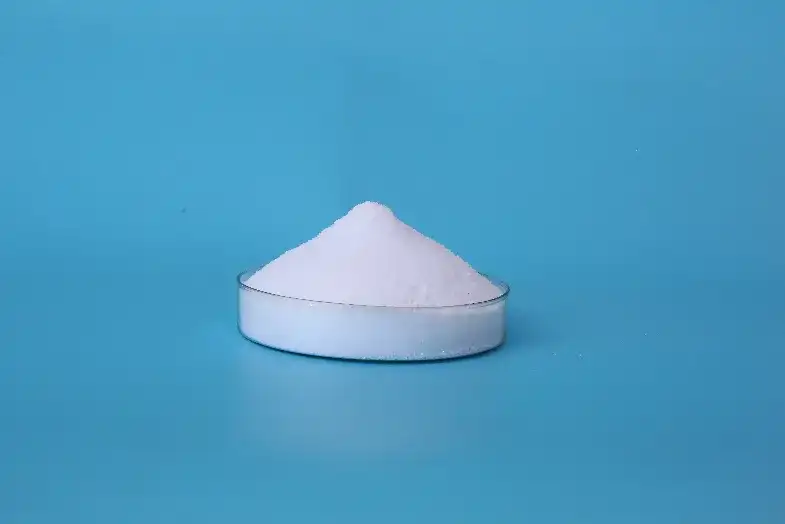
Post-polymerization screening and drying also influence how the product dissolves and performs. High charge density cationic polyacrylamide has a strong water uptake tendency. If drying is uneven, the surface hydrates too fast and forms gel lumps called fish eyes. Fish eyes waste polymer and can clog dosing lines. We run dissolution checks on every production lot with site representative water and record the time to full hydration. A supplier that cannot report dissolution behavior for your water chemistry is asking you to carry a risk that belongs in the factory.
If your operation runs a high shear centrifuge or uses variable sludge quality, confirm ionic distribution and dissolution time under your actual mixing conditions before finalizing the specification. Send your sludge type and target cake solids to en*****@***er.com and we will confirm which charge density fits.
High Charge Density Uniformity Should Be the First Supplier Qualification Filter
Before discussing price, ask the factory for recent batch data. The most useful document is not a brochure or a single certificate of analysis. It is a series of lots showing charge density, molecular weight, dissolution time, and residual monomer over the last six months. Compare the spread, not just the average. A narrow spread across 10 or more lots indicates that the production system is stable and that your plant will not need to re-tune dosing every shipment.
| Verification point | What it shows | What to request |
| Charge density trend | Batch-to-batch uniformity | Six months of lot data with the test method |
| Dissolution profile | Risk of fish eyes and dosing drift | Full hydration time in water matching site conditions |
| Residual monomer | Safety and handling risk | Results below the regulatory limit for your market |
| Dosage response | Operating cost under real shear | Dewatering trial at target solids and mixing energy |
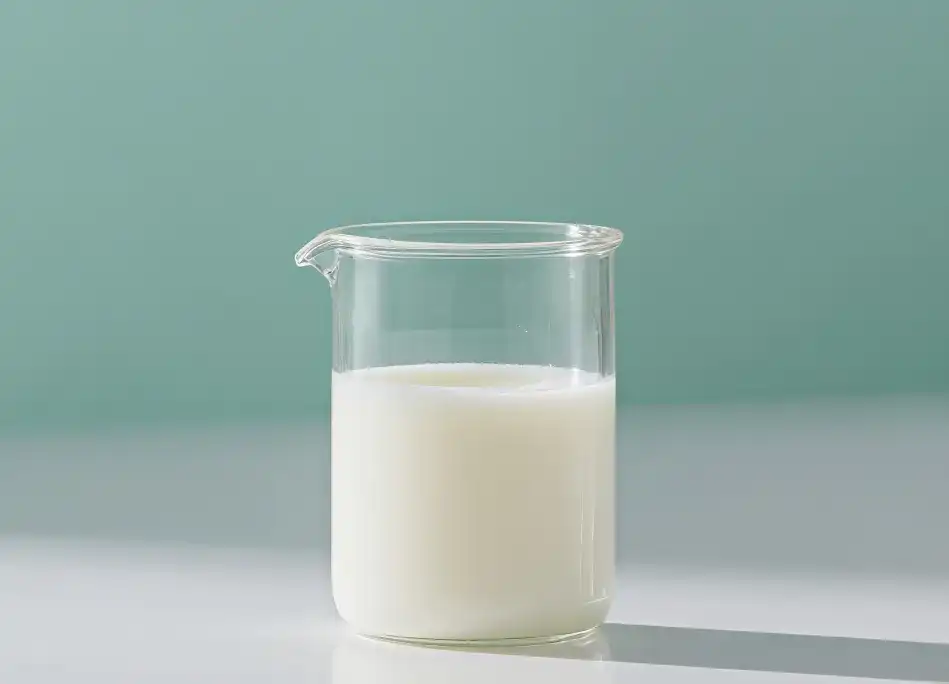
Charge density should be confirmed with a recognized method, such as colloid titration or streaming current detection depending on the laboratory. A factory that only states a nominal charge percentage without the test method is not giving you enough to compare suppliers. Ask whether the charge density is measured on the final dry product or calculated from the monomer feed. The final product value is the one that affects your sludge. Calculated values can overstate the available charge when conversion or chain transfer does not follow the theoretical feed ratio.
One nuanced point is rarely discussed. Two products can carry the same average charge density and behave differently in the same dewatering system. The difference is molecular architecture, specifically the sequence of cationic units along the chain. Random incorporation, blocky incorporation, and gradient distribution all produce different floc structures. I have seen a high charge density product replaced by a medium charge product with better chain distribution, and the plant achieved dryer cake at the same dosage. That does not mean lower charge is better. It means the right verification is a dewatering trial under your shear conditions, not a comparison of two specification sheets.
Factory Direct Supply Arrangements Need Process Data Before Price Negotiation
Procurement teams often move too early to price comparison because freight and polymer cost are visible on the quotation. The less visible cost appears later when dosage drifts, cake solids drop, or sludge haulage increases. A factory direct supply arrangement should tie the commercial terms to measured process data from the qualification stage. That reduces the risk of winning a low price on paper and paying for it in plant performance.
Shandong Nuoer Biological Technology can structure supply around your dewatering target rather than a generic specification. We start with sludge solids, volatile solids, selected dewatering equipment, polymer preparation method, and current dosage. We then issue a charge density recommendation and a trial lot before contract volume is fixed. With a 500,000 ton annual polyacrylamide capacity and internal cationic monomer production, we can hold the agreed charge density and molecular weight across long supply cycles.
To move forward, send your sludge type, current dosage, target cake solids, and monthly volume to en*****@***er.com or call +86-532-66712876. We will respond with a charge density recommendation and trial arrangement. If your plant has variable solids or seasonal sludge changes, include the range, not just the average.
Procurement Teams Should Ask These Questions About High Charge Density Cationic PAM Factories
Is higher charge density always better for sludge dewatering?
No. Higher charge density is an advantage when the sludge carries a strong negative charge and the dewatering equipment applies high shear, but it is not a universal advantage. In low solids or highly stabilized organic sludge, excessive charge can reverse surface charge and make flocculation less stable. The right charge density is the one that gives the target cake solids at the lowest effective dosage in your specific sludge. Buyers should confirm this with a trial rather than choose the highest number on a specification sheet.
How should buyers compare charge density claims from different factories?
A common mistake is to compare the nominal charge percentage printed on two certificates as if both used the same test. They may not. One supplier may report charge density measured on the final polymer by colloid titration, while another reports a calculated value from the monomer feed. Ask for the test method, the lot range, and whether the result is on a dry weight basis. Then request at least six months of batch data and look at variation, not just the average.
Does factory direct supply reduce the risk of batch variation?
Direct supply reduces risk when the manufacturer polymerizes its own cationic monomer and tests each lot before release. It reduces risk far less when the factory is only a repacker or buys monomer from multiple outside sources, because the variation then sits outside its direct control. Before choosing a direct supplier, confirm that it also controls drying, screening, and dissolution testing rather than only final packaging. A direct relationship is useful only when the factory owns the quality variables that affect your process.
What information should a buyer send when asking for a dewatering recommendation?
In the dewatering trials I have run, the most useful first message includes sludge type, solids content, dewatering equipment, current dosage, target cake solids, and monthly volume. That information gives the factory enough detail to recommend a charge density and identify whether a technical grade or customized product fits. Without it, the supplier can only quote a price, which is not enough for a performance commitment. Include seasonal solids variation if your plant has it, then ask for a trial lot against your current polymer. Send those parameters to en*****@***er.com and we will confirm the right charge density and trial volume.
If you’re interested, check out these related articles:
Anionic Polyacrylamide: Advancing Enhanced Oil Recovery Strategies
Acrylamide Monomer: Tailoring Polymers Through Diverse Methods
Anionic Polyacrylamide vs HPAM: Performance and Application
Optimizing Emulsion Polyacrylamide for Remote Site Water Solutions




 English
 Russian
 Arabic
 Spanish