
For procurement teams responsible for polymer synthesis, one of the most persistent and costly risks is unexpected batch failure. When a polymer line produces off-spec product, the root cause frequently traces back to monomer quality, not process deviation. Acrylamide monomer purity is not a marketing number. It directly governs reaction consistency, final molecular weight, and residual monomer levels in the downstream product. A reliable, high-purity acrylamide monomer supplier, backed by a transparent and scalable production process, is the single most important supply-chain decision a polymer manufacturer makes.
Why Acrylamide Monomer Purity Determines Production Reliability
Every percentage point below full purity in an acrylamide monomer shipment introduces a specific category of contaminant. Even at 98% purity, the remaining 2% can contain iron ions, unconverted acrylonitrile, and organic acids. Iron, for instance, is a known free-radical scavenger that interferes with polymerization initiation. A difference of a few parts per million in iron content can shift initiator demand, cause inconsistent molecular weight distribution, and increase residual monomer in the finished polyacrylamide.
I have seen this play out across production environments where two chemically identical formulations, supplied by different monomer sources, produced molecular weights that varied by over 20%. The only variable was the monomer source. Procurement teams evaluating acrylamide monomer suppliers with high purity specifications need to look beyond the top-level purity number and examine the impurity profile that matters most for their specific polymerization method and catalyst system.
Production Technologies That Differentiate High-Purity Acrylamide Suppliers
The method a manufacturer uses to produce acrylamide directly determines what impurities the product will contain. Copper-catalyzed hydration of acrylonitrile has been the traditional industrial route for decades, but it introduces trace metals that can be difficult to fully remove. More advanced microbial technology, using nitrile hydratase enzymes from specifically cultivated microorganisms, produces acrylamide with inherently lower impurity levels and no metal catalyst residues.
This enzymatic route is not universally available. It requires significant capital investment in bio-fermentation infrastructure and strict process control across large-scale operations. Manufacturers who operate their own microbial production lines, rather than outsourcing intermediate steps, can control impurity levels from raw material to final crystallization. When we assess a potential supplier’s production capabilities, we look for evidence that the entire acrylamide value chain is integrated, not just the final purification step. This level of control is the difference between a manufacturer that can consistently maintain purity above 98.0% at batch scale and one that achieves it only sporadically.
Evaluating Acrylamide Crystal Quality Beyond the Certificate of Analysis
A Certificate of Analysis provides a snapshot, but experienced buyers know that consistent quality across shipments is what matters. For acrylamide crystal intended for high-molecular-weight polyacrylamide production, the parameters that procurement should track over multiple deliveries include:
| Parameter | Target Range | Impact on Polymerization |
|---|---|---|
| Purity (GC) | ≥ 98.0% | Base conversion efficiency |
| Moisture content | ≤ 0.8% | Storage stability, accurate weighing |
| Iron content | ≤ 1 ×10⁻⁶ | Initiator consumption, molecular weight control |
| Inhibitor level | 3–10 ×10⁻⁶ | Reaction induction period consistency |
| Conductivity (10g/L solution) | ≤ 20 μS/cm | Ionic contamination, polymer chain termination |
One point I emphasize with our procurement teams is that a supplier who discloses the full impurity profile willingly, and maintains it within narrow bands, is demonstrating production maturity. A supplier who only reports purity percentage and hides behind a generic statement is worth avoiding. The difference between a polymer line running at 95% batch acceptance and one running at 99% batch acceptance often comes down to the willingness of the monomer manufacturer to commit to and document these auxiliary specifications.
Acrylamide Crystal Versus Aqueous Solution: Matching the Form to Your Operation
The decision between sourcing acrylamide as a crystalline solid or as an aqueous solution is not purely a cost comparison. Each form imposes different requirements on storage infrastructure, handling procedures, and polymerization process design.
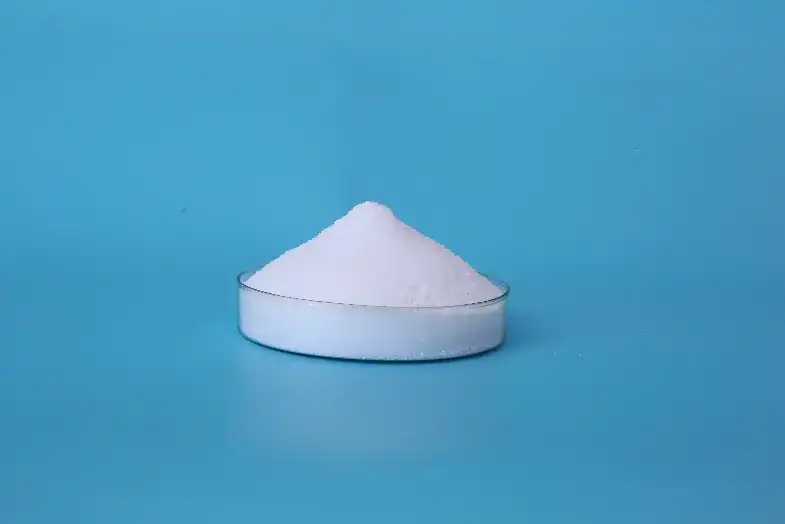
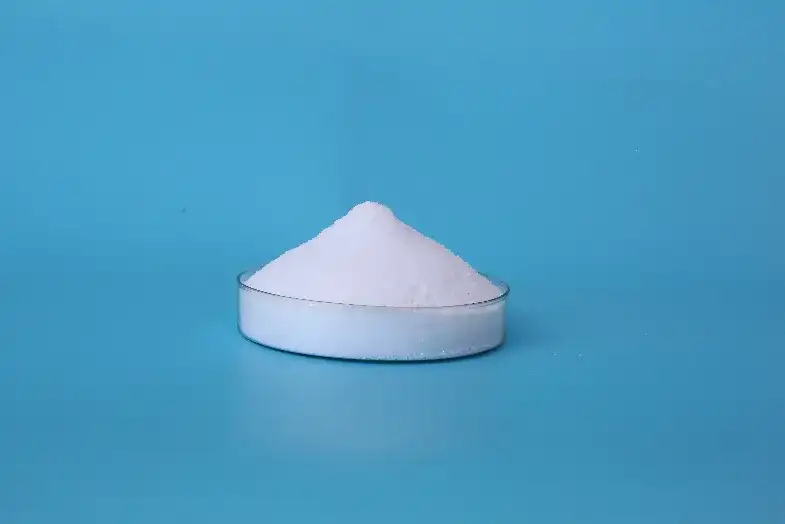
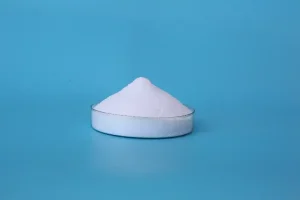
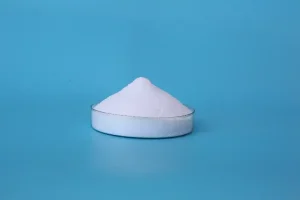
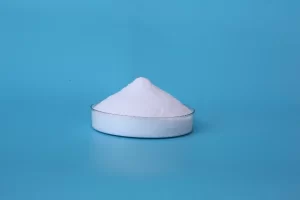
Crystalline acrylamide, typically supplied as white flakes with purity above 98%, offers advantages in storage stability and freight economics. Stored cool and protected from light, it can remain within specification for up to one to two years. This makes it the standard form for operations that receive deliveries by container and store material in bulk for extended production runs. The trade-off is that crystallized monomer requires on-site dissolution capacity and careful temperature control during the dissolution step to avoid premature polymerization.
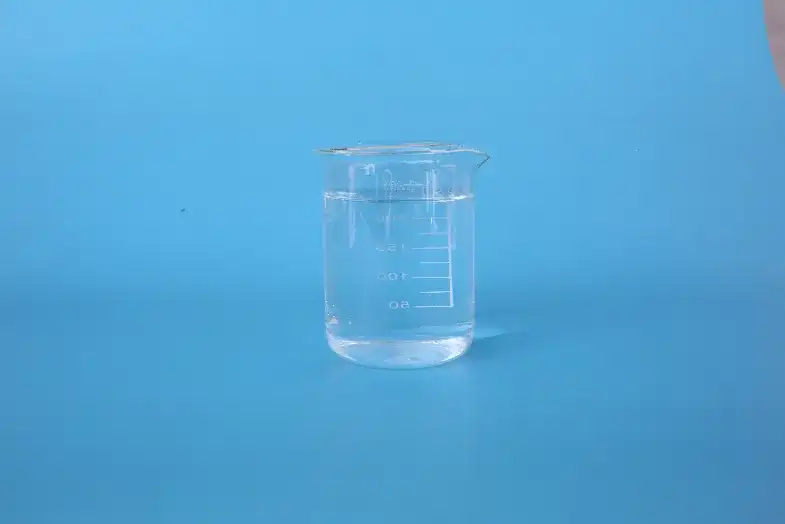
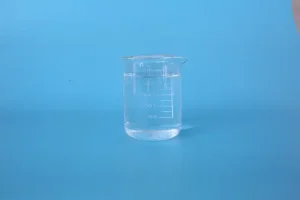
Aqueous acrylamide solution, supplied at concentrations between 25% and 50%, eliminates the dissolution step entirely and integrates directly into continuous polymerization processes. For a large-scale plant with steady throughput, this direct feed reduces labor and process variability. The supplier takes on the quality burden of maintaining the exact concentration and keeping inhibitor levels balanced for safe transport and storage. In my experience with operations managing 300,000-ton annual acrylamide throughput, the aqueous route removes a significant process variable, provided the logistics chain can deliver dedicated tank capacity and the receiving facility can manage temperature-controlled storage.
If your production scale warrants it, discuss with potential suppliers whether they can support a split supply model: crystal for long-term storage and planned inventory, aqueous solution for direct day-to-day feed into continuous polymerization lines. Not every manufacturer offers both forms at high purity, but those with integrated production facilities often can.
How a Reliable Acrylamide Monomer Manufacturer Supports Downstream Compliance
Residual monomer levels in finished polyacrylamide are regulated in drinking water and food-contact applications. A polyacrylamide producer cannot reduce residual monomer below a required threshold if the incoming acrylamide monomer already carries high levels of impurities or if the polymerization kinetics are inconsistent batch to batch. This makes monomer purity a compliance issue, not just a performance one.
We have worked with customers whose end-product specifications demanded residual acrylamide monomer below 500 ppm, and in some cases below 200 ppm. Achieving that reliably required not only a tight polymerization process but a monomer source whose inhibitor content and iron levels were held within a few percent of target across every delivery. When a manufacturer produces its own cationic monomers and also synthesizes polyacrylamide on-site, the feedback loop between monomer quality and polymer performance is short and driven by production data, not just sales claims. Buyers evaluating high-purity acrylamide monomer manufacturers should ask: does this supplier operate its own downstream polymer production? If it does, internal quality requirements are likely stricter than what a contract manufacturer would impose.
Questions Polymer Manufacturers Ask Before Selecting an Acrylamide Monomer Supplier
How does acrylamide monomer purity affect polyacrylamide molecular weight?
Low monomer purity introduces chain transfer agents and termination accelerators that cap molecular weight growth. In practice, a monomer that carries even 0.1% of an active hydrogen-containing contaminant can reduce achievable molecular weight by several million Daltons, and the effect is not linear. This is why we specify iron and organic acid limits at the part-per-million level: the impact is disproportionate to the contaminant quantity.
Is microbial production truly superior for high-purity acrylamide?
For applications where residual metal ions are unacceptable, microbial production is the preferred technology. It avoids the copper or other metal catalysts used in chemical hydration, which reduces metal contamination to near-detection limits without requiring additional post-synthesis purification steps. That said, microbial production demands rigorous bioprocess control; simply using enzymes does not guarantee batch-to-batch consistency unless the manufacturer has deep fermentation expertise.
Should I choose crystal or solution form for a new polymerization line?
It depends on your throughput volume and storage infrastructure. For a plant producing over 50,000 tons of polyacrylamide annually, aqueous solution reduces handling steps and process variability. For smaller lines, stockpiling crystal and dissolving on demand may be more practical and lowers storage complexity. If your operation is in a region with high ambient temperatures, factor in that crystal requires climate-controlled storage, while solution tanks need internal cooling and inhibitor monitoring to prevent spontaneous polymerization during extended storage.
How do I verify a manufacturer’s claimed purity level?
Request historical batch data covering at least the last 12 months of production for the specific grade you intend to purchase. A manufacturer unwilling to share this is either inconsistent or misleading. Third-party lab verification of a pre-shipment sample should be a standard condition in your procurement contract. If your end application requires specific certifications for residual monomer levels, ask the supplier to provide corresponding compliance documentation and confirm they can support your regulatory filings. Share your requirements and we will confirm compliance documentation availability.
If you’re interested, check out these related articles:
SAP Particle Size: A Guide to Optimal Selection for Performance
Non-Ionic Polyacrylamide for Acid Mine Drainage Treatment


 English
 Russian
 Arabic
 Spanish