
Selecting an anionic polyacrylamide factory for mining operations is not a commodity purchase; it is a strategic decision that directly impacts tailings dewatering efficiency, environmental compliance, and operational costs. From more than fifteen years managing polymer production and global supply chains, I have seen how the right factory partnership delivers consistent quality, while a poorly chosen supplier introduces variability that disrupts entire processing circuits. The critical factor most procurement teams overlook is raw material integration—factories that control their own acrylamide and acrylic acid production deliver batch-to-batch consistency that third-party blenders cannot match. This article covers the key evaluation criteria: production scale, technical specifications for mining ore types, quality certifications, and supply chain reliability.
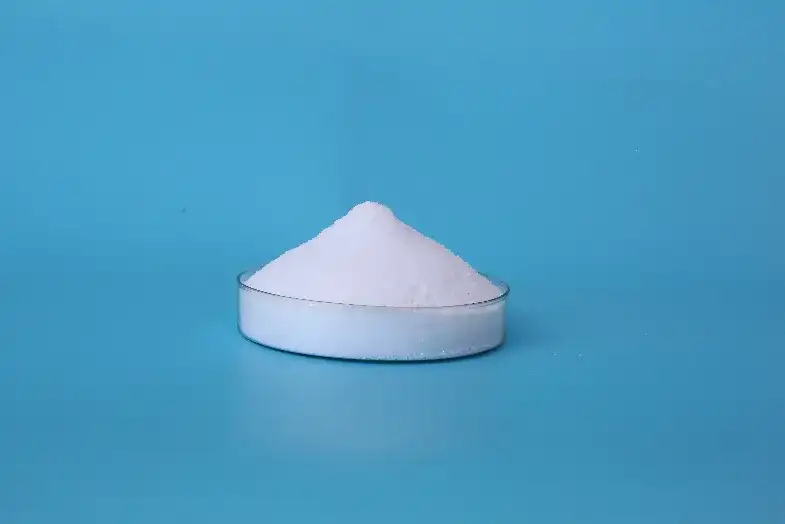
Assessing Factory Production Capabilities for Anionic Polyacrylamide
A factory’s total production capacity is the first indicator of its ability to meet the demands of large-scale mining operations. Anionic polyacrylamide manufacturers with annual output exceeding 100,000 metric tons are not merely large—they possess the polymerization infrastructure, skilled workforce, and raw material procurement leverage that smaller operations lack. For a mining site processing thousands of tons of ore daily, supply interruptions cannot be tolerated; the flocculant dosing system depends on a steady polymer supply.
Scaling further, factories that integrate backward into acrylamide and acrylic acid production gain a distinct advantage. Shandong Nuoer, for example, operates 300,000-ton acrylamide and 100,000-ton acrylic acid capacities, which decouples the factory from spot market monomer price fluctuations and delivers a more uniform molecular backbone. When I evaluate a factory’s production capability, I look beyond the PAM reactor lines to the upstream monomer units—because the quality of acrylamide monomer directly determines the final polymer’s flocculation performance.
Verifying Quality Certifications and Standards
International mining companies require documentation that demonstrates a supplier’s adherence to recognized quality and safety standards. ISO 9001 certification for quality management systems is the baseline. Beyond that, certifications such as REACH compliance for European markets and export-specific product testing reports confirm that the polymer meets strict residual monomer limits and heavy metal thresholds.
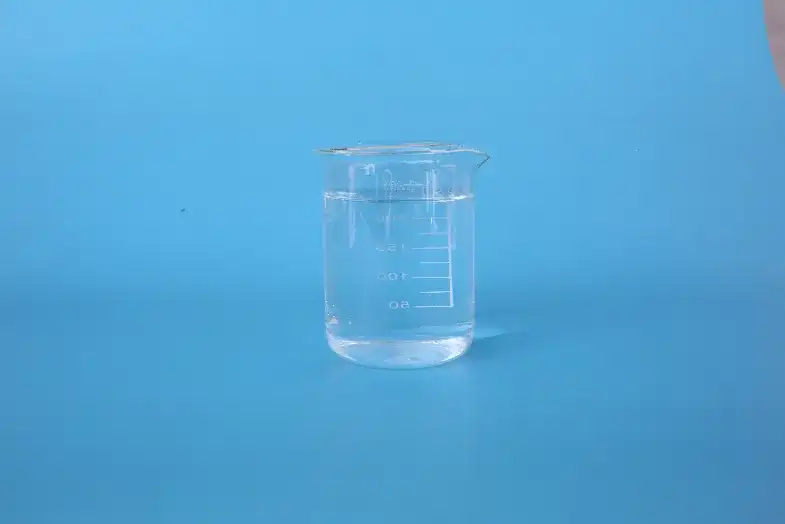
Our production facility maintains certified quality control protocols that include batch testing for molecular weight distribution, dissolution rate, and residual acrylamide content. For mining applications, a low residual monomer content is not merely an environmental checkbox; it translates into safer handling for on-site workers and reduced regulatory risk for the operator. When sourcing anionic polyacrylamide from a factory, request the Certificate of Analysis for the specific grade proposed for your ore type. A factory that cannot promptly provide detailed, batch-specific testing documentation introduces an unnecessary procurement risk.
Matching Anionic Polyacrylamide Specifications to Mining Processes
The same generic anionic polyacrylamide grade does not work equally well across copper sulfide tailings, iron ore concentrate, and coal slurry. Performance depends on three primary polymer parameters: molecular weight, hydrolysis degree, and charge density. For most mineral processing circuits, an ultra-high molecular weight anionic PAM (exceeding 30 million) provides the bridging flocculation strength needed to capture fine mineral particles. A higher degree of anionicity (typically 25-35% hydrolysis) enhances polymer solubility and charge density for tailings with high clay content, while a lower hydrolysis degree suits coarser, low-charge slurries.
The table below summarizes typical specification matches for common mining scenarios.
| Mining Application | Recommended Molecular Weight | Hydrolysis Degree | Charge Density |
|---|---|---|---|
| Copper tailings | > 30 million | 25–35% | Medium-high |
| Iron ore concentrate | > 28 million | 15–25% | Medium |
| Coal washery fines | > 25 million | 10–20% | Low-medium |
| Gold cyanide tailings | > 30 million | 30–35% | High |
Beyond these primary specifications, dissolution speed matters operationally. A polymer that dissolves completely in under 60 minutes minimizes solution aging degradation and ensures consistent dosing. Our anionic polyacrylamide products deliver a fast dissolution rate that reduces operation time and lowers total chemical consumption per ton of solids treated. If your mining operation involves a complex slurry chemistry or variable ore types, it is worth confirming the exact polymer grade and hydrolysis degree with our technical team—reach out at en*****@***er.com.
Evaluating Supply Chain Reliability and Global Logistics
A factory’s location and export infrastructure directly affect landed cost and inventory planning for international mining operations. Factories situated near major container ports with established shipping lanes to your region can cut transit times by two to four weeks compared to inland manufacturers relying on multi-stage trucking. More importantly, the factory’s ability to handle export documentation—including Certificates of Origin, packing lists, and regulatory declarations—determines whether a shipment clears customs without delay.
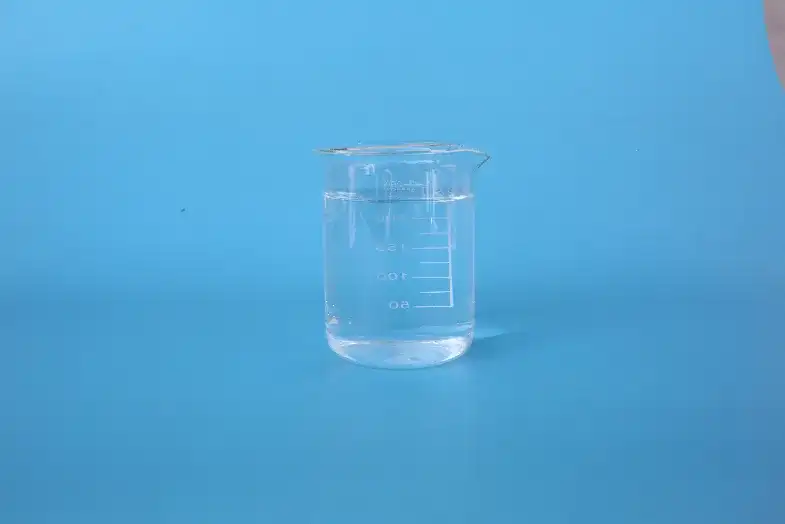
During my tenure managing the global sales network at Shandong Nuoer, I have overseen shipments to more than 60 countries. This experience has reinforced that a factory’s after-sales service system is as important as its production line. When a mining operation encounters unexpected slurry composition changes, the supplier must be able to provide technical guidance on dosage adjustments quickly. A factory that maintains regional stockpiles or offers flexible container loading options can substantially reduce your working capital tied up in polymer inventory.
Balancing Cost with Long-Term Supply Value
Procurement decisions based solely on anionic polyacrylamide price per metric ton often backfire. A lower-priced polymer with inconsistent molecular weight distribution may require 10-15% higher dosage to achieve the same settling rate, offsetting any initial savings. Worse, if the polymer fails to meet required clarification targets, the resulting water recycling issues and potential environmental fines can dwarf the purchase cost.
The true cost includes supply security, technical support, and polymer efficiency. Our anionic polyacrylamide, with its complete range of ionic types and high molecular weight, consistently achieves target flocculation at lower dosage rates. When comparing factories, request not just a price quotation but a documented performance record under operating conditions similar to your own. A factory that is unwilling to share such data may not have the end-to-end production control to guarantee it.
Securing a Reliable Anionic Polyacrylamide Supply Partner
Identifying a factory with the right production scale, certifications, technical capabilities, and logistics network can seem like a daunting task. Yet the cost of partnering with an unreliable supplier—downtime, inconsistent tailings treatment, and emergency reordering—dwarfs the effort of a thorough initial evaluation. The right factory becomes an extension of your operation, buffering you against supply chain disruptions and helping you optimize polymer consumption as your ore conditions evolve.
At Shandong Nuoer Biological Technology, our integrated production from acrylic acid and acrylamide through to finished anionic polyacrylamide, supported by ISO-certified processes and a logistics network reaching over 60 countries, delivers the consistent quality and reliable supply that mining operations require. We invite you to share your tailings or slurry specifications and current processing challenges with our technical team. Reach us at en*****@***er.com or call +86-532-66712876 to begin a supply evaluation and request a sample for on-site testing.
Frequently Asked Questions About Sourcing Anionic PAM from Factories
What is the main difference between anionic polyacrylamide for mining and for other industries like papermaking?
The primary distinction lies in the molecular weight and charge density range required. Mining applications typically demand ultra-high molecular weight polymers (above 25 million) with strong bridging flocculation to capture heavy, inorganic mineral particles. Papermaking grades often use lower molecular weights and different charge characteristics for retention and drainage rather than sedimentation. A factory specializing in mining-grade anionic PAM will have dedicated production lines and testing protocols for high-solids, high-abrasion slurries that differ significantly from paper mill process conditions.
How long does it take to receive a shipment from a Chinese anionic polyacrylamide factory?
Transit times vary by destination and shipping mode. Standard ocean freight to major ports in Southeast Asia takes approximately 7-15 days, while shipments to South America or Africa may require 30-45 days. A factory with established export documentation procedures can clear customs in 2-3 days after arrival, whereas less experienced suppliers may face weeks of delays. Factories that offer partial container loads or consolidated shipments provide additional flexibility for clients who need smaller volumes quickly.
A common mistake among procurement teams is to skip the sampling phase and rely solely on supplier data sheets and price. How important is on-site testing?
On-site testing under your plant’s specific slurry chemistry is the only way to verify a polymer’s flocculation effectiveness. Request a sample of the specific grade recommended for your ore type and test it under actual pH, temperature, and slurry solids concentration. Most reputable factories, including our own, provide free or low-cost samples. A factory that hesitates to supply samples or directs you only to generic data sheets is likely not confident in its product’s real-world performance.
What quality certifications should I look for when evaluating an anionic PAM factory?
International buyers should confirm the factory holds ISO 9001 for quality management and relevant environmental management certifications. For the European market, REACH registration is mandatory. For North America, NSF or ANSI certifications may apply. Beyond these, verify that the factory provides batch-specific Certificates of Analysis that include molecular weight, hydrolysis degree, residual monomer content, and dissolution time. A factory with in-house testing laboratories and a documented quality control hierarchy can be audited remotely, reducing your assessment costs.
Based on our work with mining operations across multiple countries, we have found that comparing factories effectively requires a structured approach. What is the recommended method?
Start by defining your exact technical requirements: ore type, slurry pH, target underflow solids concentration, and dosage cost ceiling. Then request each factory’s recommended grade, technical data sheet, CoA for your application, and references from mining operations similar to yours. Compare not only the price per kilogram but the estimated total cost of ownership, including freight, duty, and projected dosage rate. In programs we have supported, a slightly higher-priced polymer that achieved 15% lower dosage consistently outperformed cheaper alternatives on total cost. Share your processing data with our team for a comparative analysis—contact en*****@***er.com to begin that evaluation.
If you’re interested, check out these related articles:
The “Nuoer Biology Scholarship” Donation Ceremony at China University of Petroleum was held in Qingdao.
Non-Ionic Versus Cationic Polyacrylamide for Paper Manufacturing
Non-Ionic Polyacrylamide Factory: Textile Industry Solutions


 English
 Russian
 Arabic
 Spanish