
Specifying process chemicals for food production lines means accepting zero tolerance for contamination. Whether the application is juice clarification, sugar decolorization, or edible oil refining, the polymer that touches the stream must meet purity standards that go well beyond those for municipal water treatment. At Shandong Nuoer, we produce non-ionic polyacrylamide (PAM) with molecular weights exceeding 20 million and residual acrylamide monomer levels that fall within food safety guidelines because we understand that consistent quality is the foundation of a supplier relationship in the food industry. This article explains what separates food-grade non-ionic PAM from general-purpose grades, how to evaluate product compliance, and the production controls that make purity repeatable from batch to batch.
Understanding Food-Grade Non-Ionic PAM Requirements
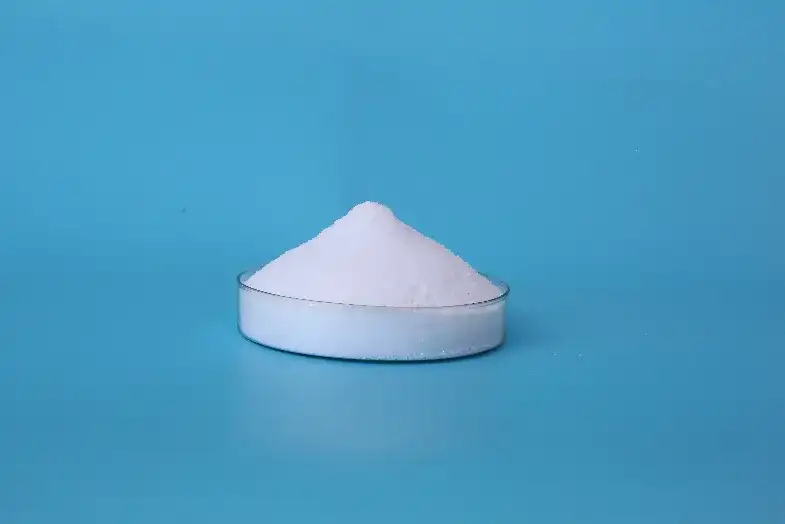
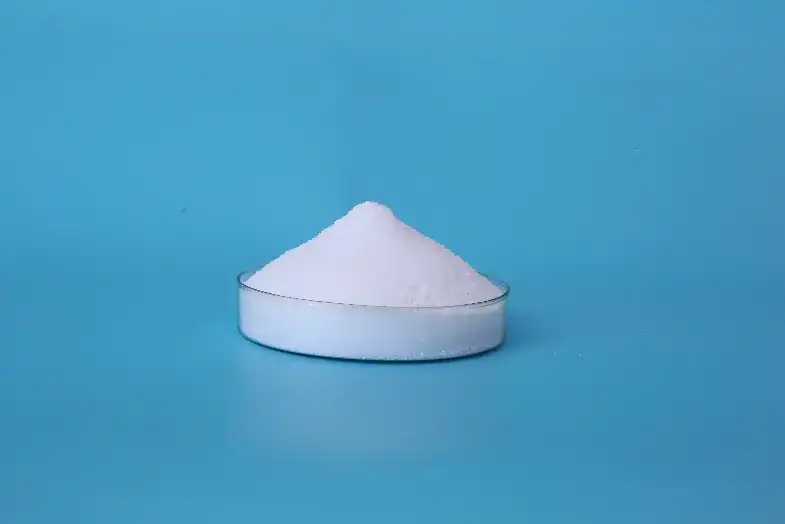
Non-ionic polyacrylamide is a homopolymer of acrylamide with low ionization, high molecular weight, and excellent solubility. Its flocculation performance is less affected by pH and salt concentration than anionic or cationic types, which is why it is widely adopted in food processing where streams can be acidic, alkaline, or high in dissolved minerals. Food-grade designation, however, adds layers of specification that general industrial PAM does not carry.
What defines food-grade polyacrylamide
A food-grade non-ionic PAM must meet regional regulatory frameworks. In the United States, relevant sections of FDA 21 CFR set limits on residual acrylamide monomer and other impurities for polymers used in food contact applications. NSF/ANSI 60 certification is often required for chemicals used in processing water that contacts food. These standards are quantitative, not aspirational: the residual acrylamide monomer concentration in the finished product must be measurable and below the prescribed threshold. Our production records show that our non-ionic PAM routinely tests below 500 ppm residual monomer, a figure that has been validated by third-party laboratories for our export shipments.
The point that needs emphasis is that typical industrial-grade PAM may not even report monomer values because the application does not require it. A procurement manager should request a certificate of analysis (COA) that lists residual acrylamide, molecular weight, dissolution time, and moisture content, and should compare those values against the specific regulation governing their region. I’ve reviewed COAs from multiple producers and the gap between a dedicated food-grade offering and a generic product is often visible in the first three lines of the document.
How Non-Ionic PAM Performs in Key Food Processing Operations
Non-ionic PAM functions primarily as a flocculant, bridging suspended solids into larger agglomerates that settle or filter out more rapidly than they would unaided. The non-ionic character means that its bridging mechanism does not rely on charge neutralization, so it works effectively across a wide pH range without the performance dip that charged polymers experience when the stream pH shifts.
Juice and beverage clarification
Fruit juices carry pectin, protein, and pulp residues that create haze and reduce shelf stability. Adding non-ionic PAM at a dosage between 2 and 10 ppm by weight of the stream (adjusted by jar testing) accelerates the settling of these colloidal particles. The flocculation process does not strip desirable compounds from the juice because the polymer interacts primarily with the insoluble fraction. A production manager at a citrus plant we supply in Southeast Asia reported that switching from bentonite to our non-ionic PAM reduced silt density index by over 30% without requiring additional holding tank capacity, which cut their clarifying cycle time by roughly 90 minutes per batch.
Sugar decolorization and edible oil refining
In raw cane sugar processing, non-ionic PAM added after liming and carbonation traps color bodies and insoluble impurities, producing a clarified juice that yields a lighter final sugar. The polymer’s resistance to salt interference is valuable here because the process stream carries high calcium and phosphate levels. For edible oils, non-ionic PAM assists in removing phospholipids during the degumming step; the high molecular weight creates large, dense flocs that separate cleanly in the centrifuge. In both applications, the purity of the polymer becomes a direct quality factor: a PAM with elevated residual monomer would introduce an unnecessary contaminant that the downstream refining steps may not entirely remove.
Conditions that complicate performance
Despite its robustness, non-ionic PAM can lose efficiency if the process stream contains very high concentrations of certain surfactants or if the polymer is not fully dissolved before dosing. We recommend inline dissolution systems that provide a minimum of 45 minutes aging time at a concentration of 0.1% to 0.3% by weight, with gentle agitation to avoid shear degradation. If your plant operates in a cold climate and water temperature drops below 10°C, dissolution time should be extended by 20-30%. These practical adjustments come from field trials where under-dissolved polymer caused clogged dosing lines and erratic floc formation.
If your process stream has specific surfactant loads or wide temperature swings, it’s worth confirming dissolution parameters with a trial before committing to a bulk supply. Reach out at en*****@***er.com to request a sample for jar testing.
Quality Control Parameters for Food-Grade Polyacrylamide
Consistent performance requires more than a clean certificate; it requires a manufacturing system designed to minimize variation. At Shandong Nuoer, our 500,000-ton annual PAM production capacity is supported by in-house acrylamide monomer production, which closes the quality loop at the raw material stage. This vertical integration means we control the monomer purity that feeds the polymerization reactor, rather than relying on third-party monomer suppliers.
Purity, molecular weight, and batch consistency
For food-grade non-ionic PAM, we monitor several parameters continuously:
| Parameter | Typical Value | Significance for Food Processing |
|---|---|---|
| Residual acrylamide | < 500 ppm | Direct compliance with FDA and NSF limits |
| Molecular weight | 18-25 million Daltons | Determines floc size and settling rate |
| Dissolution time (1 g/L) | < 60 minutes | Prevents un-dissolved polymer entering process |
| Moisture content | < 10% | Affects shelf stability and dosing accuracy |
These numbers are not aspirational. They are pulled from release certificates for product shipped to food industry customers over the past twelve months. The molecular weight range is intentionally narrow because wide variation creates unpredictability in flocculation results, and in food production unpredictability translates into rework or waste.
In-house monomer as a purity advantage
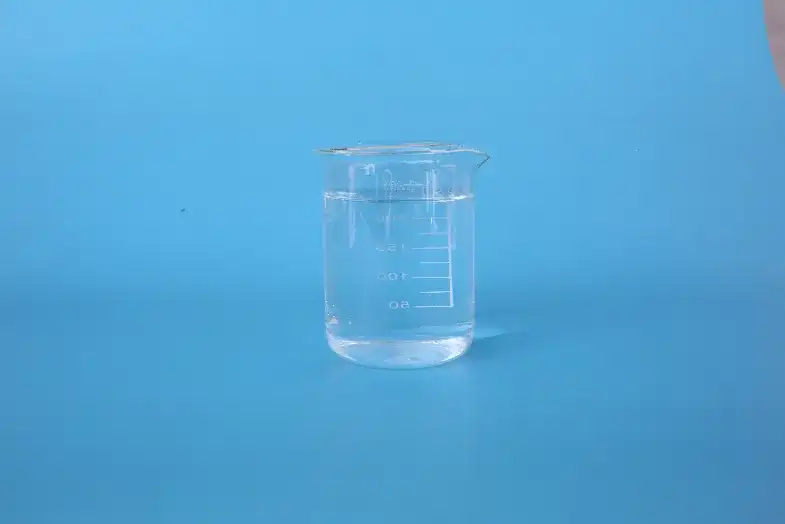
A detail that is often omitted from supplier comparisons is the quality of the acrylamide monomer used to produce the PAM. Our microbial technology acrylamide process yields a monomer with conductivity below 20 μS/cm and iron content below 1 ppm. When this monomer is polymerized into non-ionic PAM, the resulting chain has fewer ionic impurities that could interfere with flocculation or, more critically, leave residues in the processed food stream. A supplier who purchases acrylamide on the spot market may not be able to guarantee the same impurity profile lot after lot.
I have seen food plants reject entire container loads because a COA revealed an impurity spike that would require re-validation of the process. In a market where production schedules are tight, that kind of supply disruption costs far more than the per-kilo price difference between grades.
Selecting a Reliable Non-Ionic PAM Supplier for Food Applications
The comparison between suppliers should be driven by documentation, not by marketing claims. Three criteria separate a supplier capable of supporting food industry requirements from the larger pool of industrial PAM producers.
First, the supplier should be able to provide full traceability from monomer production through finished polymer and shipment. At Nuoer, each batch is assigned a unique lot number that links back to the acrylamide batch, polymerization reactor run, drying parameters, and packaging records. This level of traceability supports internal quality investigations and also satisfies the audit requirements of food company procurement teams.
Second, the supplier should have sufficient production capacity and inventory management to absorb demand surges without rushing production. Our 500,000-ton annual PAM capacity, backed by 560,000 tons of superabsorbent resin and 100,000 tons of acrylic acid, means that a single food-grade PAM order does not compete with other product lines for reactor time. The result is predictable lead times, typically 4 to 6 weeks for container shipments to most global ports.
Third, the supplier should have an established presence in export markets with the logistics and documentation experience to handle international food chemical regulations. We export to over 60 countries and maintain a sales network that can provide technical support in local time zones. When a customer needs a dose optimization study or a custom molecular weight specification, the request reaches our applications lab directly, not through layers of distributors.
Ensuring Compliance with Food Safety Standards
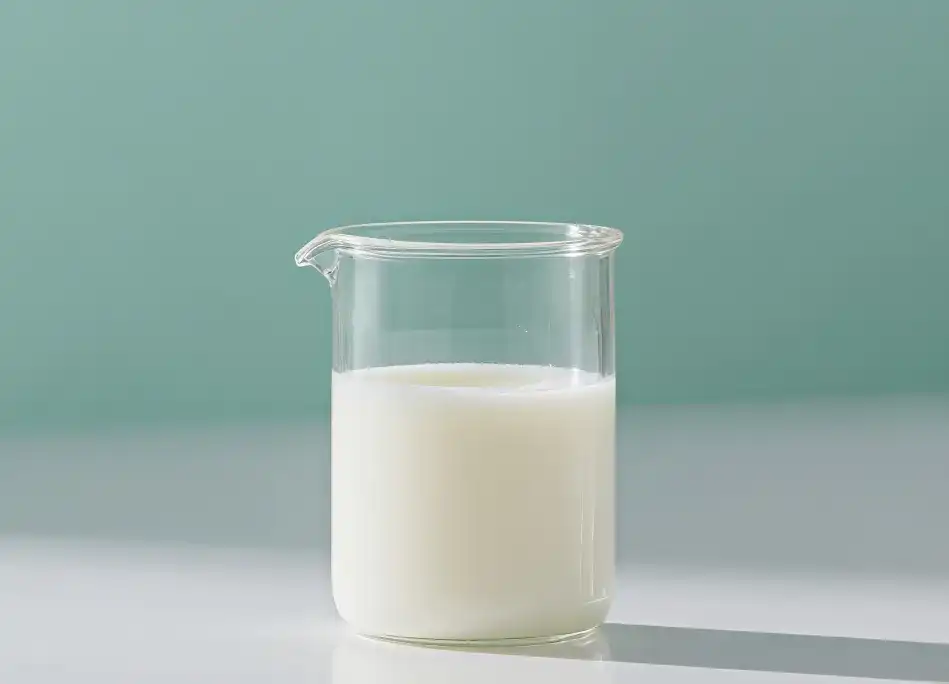
Compliance is not a one-time certification event. It is an ongoing system that connects raw material controls, production, testing, and documentation. The most relevant standards for non-ionic PAM in food processing are FDA 21 CFR §173.5 and §176.170 for polymers, and NSF/ANSI/CAN 60 for drinking water treatment chemicals that may contact food during processing.
A compliant supplier should be able to provide:
– A current third-party test report for residual acrylamide, heavy metals, and total plate count.
– Certificates of analysis for each shipment that match the lot number to the test data.
– A documented quality management system, typically ISO 9001, with scope that covers PAM production for food contact uses.
Beyond documentation, the manufacturing environment matters. At our facility, food-grade PAM is produced in dedicated equipment that is cleaned and validated between product changeovers to prevent cross-contamination from other PAM grades. This segregation is not required by every standard, but it addresses a real risk: a residual cationic polymer in a non-ionic batch could alter flocculation behavior and introduce charge bias into a process that was designed for non-ionic chemistry.
What happens when standards differ between regions
A food processor operating in multiple countries may face different regulatory limits for the same polymer. The practical approach is to specify the product to the strictest standard applicable to your markets, and to work with a supplier who can produce to that specification consistently. We maintain production protocols for multiple regulatory standards and can adjust residual monomer targets at the polymerization stage, which gives us the flexibility to serve a customer in the EU under one specification and a customer in Southeast Asia under another without changing equipment.
Common Questions About Food-Grade Non-Ionic Polyacrylamide
Is non-ionic PAM safe for direct food contact
The safety of non-ionic PAM for food contact depends on the residual acrylamide monomer level and the specific regulatory approval for the application. Acrylamide monomer is a known neurotoxin and potential carcinogen, which is why food-grade PAM limits monomer content to levels that are considered safe by FDA and other bodies when used as an additive or processing aid. The polymer itself is not absorbed by the body and passes through unchanged. What matters is that the PAM you purchase has been produced and tested to the applicable standard, with a COA to support the claim.
What is the residual acrylamide limit in food-grade PAM
FDA 21 CFR sets a limit of 0.05% (500 ppm) residual acrylamide monomer for polyacrylamide used as an indirect food additive. Other jurisdictions may set lower limits. Our non-ionic PAM intended for food processing applications is regularly tested to confirm it remains below 500 ppm, and we can produce grades with lower residual monomer if a customer’s specification requires it. Before placing an order, verify which standard applies to your market and request the COA that corresponds to that standard.
Can non-ionic PAM be used in acidic food processing
Yes, and this is one of the primary reasons it is specified over anionic or cationic alternatives in the food industry. Non-ionic PAM maintains flocculation performance in pH environments as low as 2.0, where anionic PAM would lose its charge and cationic PAM might react unpredictably with organic acids. In fruit juice processing, where pH often ranges from 2.5 to 4.5, non-ionic PAM delivers consistent bridging without the pH adjustment step that charged polymers require.
How do I verify the purity of a non-ionic PAM batch before use
Start by matching the lot number on the packaging to the COA. Then cross-check the key parameters—residual acrylamide, molecular weight, and moisture—against your accepted specification. For routine incoming quality checks, a dissolution test at a standard concentration with observation of the resulting solution clarity can catch gross deviations. If your quality system requires independent verification, you can send a retain sample to a third-party lab for monomer analysis. Share your requirements and we’ll confirm that the COA format aligns with your incoming inspection protocol.
If you’re interested, check out these related articles:
Amphoteric PAM: Cost-Performance Balance for Industrial Flocculation
Emulsion PAM for Cold Weather: Selection and Performance
26th China International Petroleum & Petrochemical Equipment Exhibition Kicks Off: Nuoer Group Makes High-Profile Debut at CIPPE 2026
Emulsion Polyacrylamide Factory: Remote Site Supply Solutions


 English
 Russian
 Arabic
 Spanish