
Cationic PAM for oilfield produced water treatment is a proven flocculant for removing suspended solids and residual oil, but field performance varies more with manufacturing consistency than many operators realize. Having managed polymer production for over 15 years at Shandong Nuoer Biological Technology, I’ve seen that the quality of cationic monomers and the integration of raw material production directly control the reliability of clarification outcomes. This article explains how to select the right cationic polyacrylamide grade for produced water, why upstream manufacturing quality matters, and what to demand from a supplier to maintain consistent water quality compliance.
How Cationic Polyacrylamide Clarifies Oilfield Produced Water
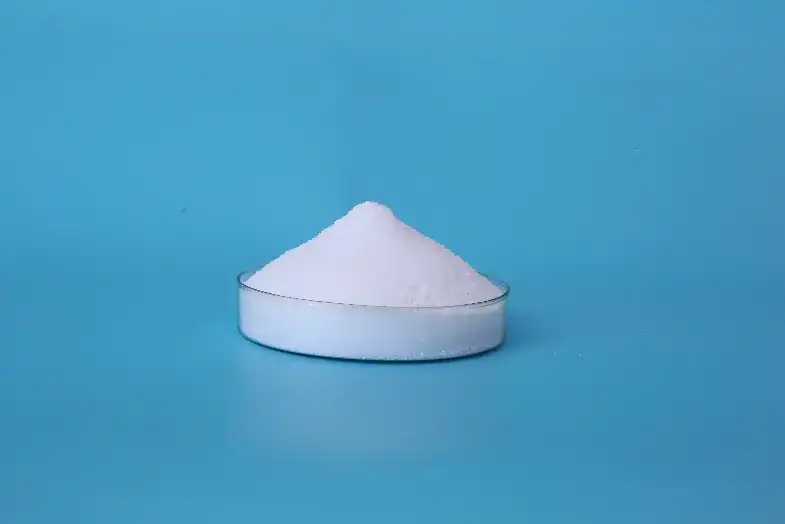
Produced water brings a mixture of suspended solids, residual oil (both free and emulsified), and dissolved organic compounds to the surface. Cationic polyacrylamide works primarily through charge neutralization and bridging flocculation. The positively charged cationic groups on the polymer chain adsorb onto the negatively charged surfaces of oil droplets and clay particles, neutralizing their surface charge and destabilizing the suspension. This allows the polymer’s long molecular chains to bridge multiple particles into larger flocs that settle or can be separated by flotation.
Which contaminants does cationic PAM remove from produced water?
Cationic PAM targets oil-in-water emulsions, suspended fine solids, and colloidal organic matter. Its effectiveness is particularly high with droplets smaller than 10 µm that are difficult to separate by gravity alone. The polymer also co-flocculates iron sulfide and scale particles, which often carry negative surface charges in the typical produced water pH range of 6 to 8.
How does charge density affect emulsion destabilization?
Higher cationic charge density, typically 20% to 60% mole, increases the polymer’s capacity to neutralize the negative zeta potential of oil droplets. An excessively high charge density can reverse the surface charge and restabilize the emulsion, so the optimum charge density depends on the specific oil and solids composition. In our evaluations, a medium-charge (30–40%) cationic PAM frequently provides the widest operational window for variable produced water streams.
Critical Specifications for Cationic PAM in Produced Water Treatment
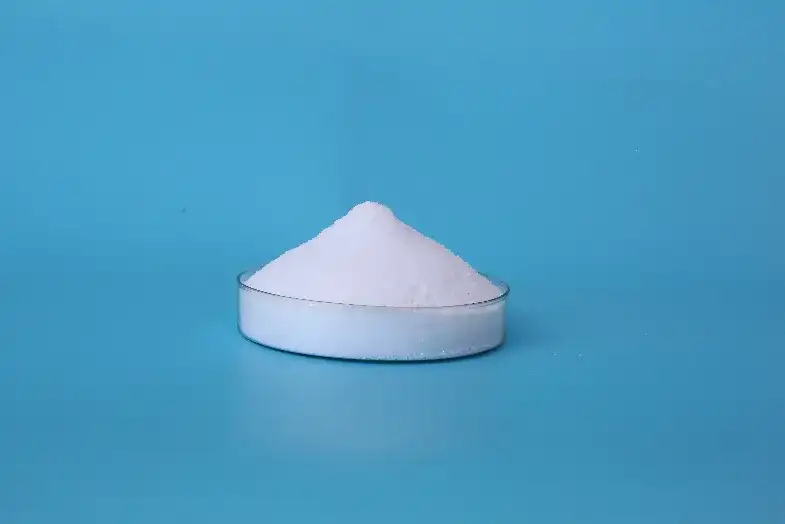
Selecting the right cationic polyacrylamide requires understanding three key parameters: molecular weight, charge density, and particle size for dry products. The table below summarizes typical specification ranges and their relevance.
| Parameter | Typical Range | Impact on Produced Water Treatment |
|---|---|---|
| Molecular weight | 8–15 million Daltons | Higher MW builds larger, stronger flocs for improved settling; too high can cause overdosing and slime formation. |
| Cationic charge density | 20–60 mole % | Determines oil droplet neutralization efficiency; matched to the zeta potential of the water. |
| Particle size (dry) | 20–80 mesh | Affects dissolution speed; finer particles dissolve faster but risk dust and lumping. |
What molecular weight range is optimal for produced water treatment?
For primary produced water clarification ahead of induced gas flotation (IGF) or hydrocyclones, a molecular weight between 10 and 14 million provides an effective balance of rapid floc formation and manageable solution viscosity. For deep bed filtration polishing, a slightly lower molecular weight of 6 to 10 million can avoid filter blinding caused by overly large flocs.
How does charge density influence floc strength?
Higher charge density generally yields denser, more shear-resistant flocs. This is advantageous in systems with high turbulence, such as centrifuges or IGF units. When water salinity exceeds 50,000 mg/L total dissolved solids, charge shielding can reduce the apparent charge, requiring a higher nominal charge density to achieve the same neutralization. Jar testing with representative field water remains the only reliable way to confirm the optimal grade.
Manufacturing Consistency as a Performance Multiplier
Even with a perfectly specified polymer, field results drift when the product itself is inconsistent. Many operators have encountered situations where a new batch of the same grade performs differently. This variability usually roots back to the quality of the cationic monomer used in production.
At Shandong Nuoer, we produce our own cationic monomers in-house from acrylamide and acrylic acid manufactured on the same site. This vertical integration eliminates the batch-to-batch monomer variability that often affects externally sourced polymer production. With an integrated capacity of 500,000 tons of polyacrylamide annually, our continuous process maintains uniform molecular weight distribution and charge density from batch to batch. The practical outcome is that once a jar test establishes the right grade and dosage, subsequent deliveries perform predictably, a non-negotiable requirement for operators who treat tens of thousands of barrels per day.
If your program has experienced unexplained performance drift, share your monitoring data and water chemistry history at en*****@***er.com for a technical review of potential root causes.
Matching Cationic PAM Grade to Your Produced Water Chemistry
Produced water is not a single fluid. Onshore vs. offshore, tight oil vs. conventional, early life vs. mature fields, each brings distinct water chemistries. The same cationic polyacrylamide grade that works on a low-salinity, high-oil-content stream may underperform when salinity increases or when bicarbonate scaling alters particle surface charges.
We recommend a systematic matching process:
1. Characterize produced water: pH, TDS, oil and grease, TSS, zeta potential, and particle size distribution.
2. Select a preliminary grade based on charge demand and molecular weight requirements.
3. Run jar tests with multiple doses and measure turbidity, oil removal, and floc settling rate.
4. Validate at pilot scale with representative water over several days to capture natural fluctuations.
5. Lock the grade and establish a control chart for routine performance monitoring.
Because we manufacture our own monomers, we can adjust the charge density and molecular weight within a defined range to match your water, rather than forcing your operation to adapt to an off-the-shelf grade. This tailoring has saved operations 10–15% in polymer dosage under the same treatment conditions. If your water chemistry varies significantly across well pads, it is worth confirming which grade range provides the broadest operational window before finalizing your purchase.
Optimizing Dosage and On-Site Handling
The effective dosage for cationic PAM in produced water treatment typically ranges from 1 to 10 mg/L, but the optimum is highly water-dependent. Underdosing leaves residual turbidity; overdosing restabilizes the suspension and increases chemical cost.
How do you determine the optimum polymer dosage rate?
Run a jar test series starting from 0.5 mg/L and increment by 1 mg/L until supernatant clarity plateaus or reverses. Measure turbidity, oil content, and floc size. The point of minimum turbidity with a shear-resistant floc is the target. For dynamic systems like IGF, reduce the jar test optimum by 10–15% as a starting point and trim during commissioning.
What are the common make-down and aging considerations?
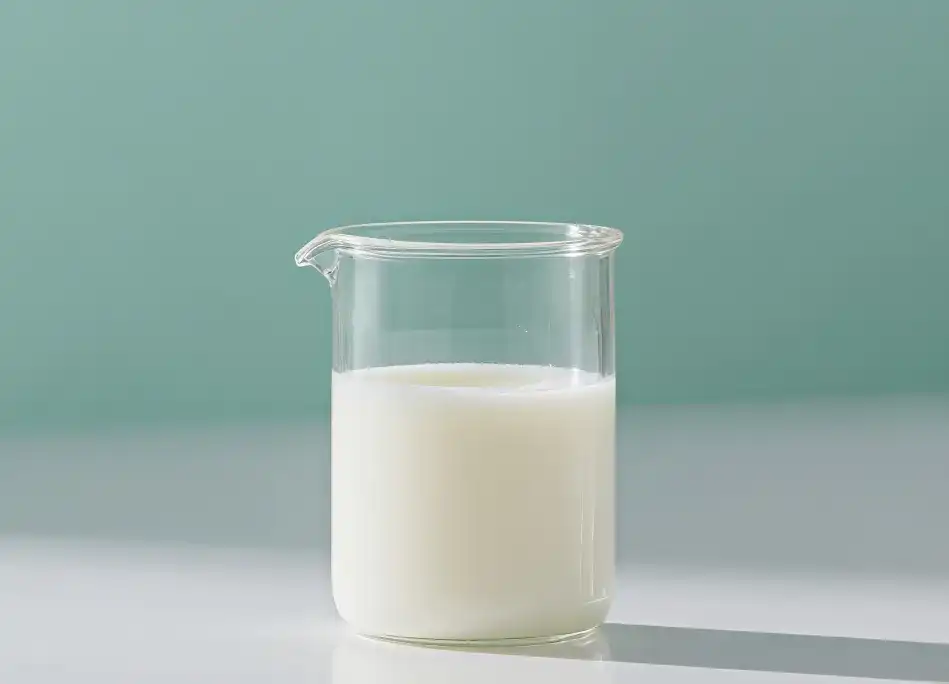
Dry cationic PAM must be properly dispersed in water using an eductor or high-shear mixer to avoid fish-eye formation. Aging the solution for 30–60 minutes after mixing allows full chain uncoiling and maximizes flocculation efficiency. Concentrations above 0.5% can become too viscous for reliable dosing. Emulsion PAM products, such as our water-in-oil emulsion grades, dissolve in 5–15 minutes with minimal equipment and are easier to handle in locations with limited water and power.
Your Long-Term Cationic PAM Supply for Produced Water Treatment
Oilfield logistics are unforgiving. A delayed polymer shipment can halt water injection, incurring fines or production deferrals. Beyond product quality, the supplier’s manufacturing scale and logistics network determine whether your operation can rely on just-in-time inventory.
Shandong Nuoer operates a 500,000-ton annual PAM production capacity with a global sales network covering over 60 countries. This scale ensures that product is available from stock for most standard grades, and our logistics team coordinates sea and land freight to remote well sites. For large produced water treatment projects, we offer supply agreements with guaranteed monthly volumes and buffer stock maintained at regional warehouses.
If your field development plan involves increasing water production over several years, the long-term supply continuity of your polymer program matters as much as today’s unit price. Share your forecast volumes and delivery points with us at en*****@***er.com or call +86-532-66712876, and we will propose a supply schedule that aligns production planning with your operational timeline.
Common Questions on Using Cationic PAM for Produced Water
Is cationic PAM safe for produced water that will be reinjected into the formation?
Yes, when properly selected. The polymer must have low residual acrylamide monomer content to meet environmental and formation protection requirements. Our cationic PAM grades are manufactured with residual monomer levels typically below 0.05%, consistent with industry best practices. For reinjection into sensitive formations, compatibility testing with core samples is recommended to rule out any permeability reduction.
How does produced water salinity impact cationic PAM performance?
High salinity, especially above 50,000 mg/L TDS, compresses the electrical double layer around particles and reduces the effective charge of the polymer. This means a higher nominal charge density grade is usually required to achieve the same flocculation. In fields where produced water salinity fluctuates significantly, a cationic PAM with a charge density of 50–60% often provides the most consistent results across the salinity range. Jar testing with both low and high salinity samples is essential.
Can we switch from anionic to cationic PAM in an existing treatment system?
In most cases, yes, but the system must be flushed thoroughly to avoid cross-contamination, since anionic and cationic polymers can react with each other and form a precipitate. The switch often improves oil removal because the cationic charge directly targets negatively charged oil droplets. The dosing point and mixing energy may need adjustment, as cationic PAM typically requires less intense mixing to form flocs.
What is the shelf life and storage requirement for dry cationic PAM?
Dry cationic polyacrylamide in sealed, moisture-proof packaging has a typical shelf life of 12 to 24 months when stored in a cool, dry environment away from direct sunlight. High humidity causes the granules to absorb moisture and become sticky, potentially reducing dissolution efficiency. We ship in 25 kg multi-layer kraft paper bags with inner plastic lining to prevent moisture ingress. Emulsion grades should be protected from freezing and stored above 5°C.
How do I evaluate a new cationic PAM supplier’s quality consistency?
Request a certificate of analysis for the specific batch, plus a recent trend chart showing molecular weight and charge density variation over the last 10–20 production lots. Consistency of these parameters within a narrow band (±5%) is a stronger indicator of reliable field performance than a single high-quality sample. Also, ask about the monomer source: self-produced cationic monomer reduces the risk of external raw material variability. If your program has demanding water quality targets, consider a trial shipment with intensive monitoring before committing to a long-term supply agreement. Share your water characteristics and daily treatment rates with us, and we will provide a recommended grade and dosage starting point.
If you’re interested, check out these related articles:
Emulsion PAM for Cold Weather: Selection and Performance
Amphoteric Polyacrylamide Manufacturers Testing: Quality & Performance
Amphoteric Polyacrylamide: Industrial Applications & Performance Guide
Reliable Cationic PAM Selection: Vetting Top Global Manufacturers


 English
 Russian
 Arabic
 Spanish