
Selecting an acrylamide solution supplier is a decision with direct consequences for polymerization efficiency, downstream product consistency, and overall manufacturing economics. Acrylamide solution, typically supplied at concentrations ranging from 25% to 50%, functions as the primary monomer for polyacrylamide and copolymer synthesis across water treatment, enhanced oil recovery, papermaking, and mineral processing. Evaluating suppliers requires assessing production scale, quality control infrastructure, logistics reliability, and technical support depth, not simply comparing unit prices. Drawing on fifteen years in large-scale polymer manufacturing and global market development, we have identified the supplier characteristics that separate dependable industrial partners from those that introduce operational and supply chain risk.
Key Criteria for Selecting an Acrylamide Solution Supplier
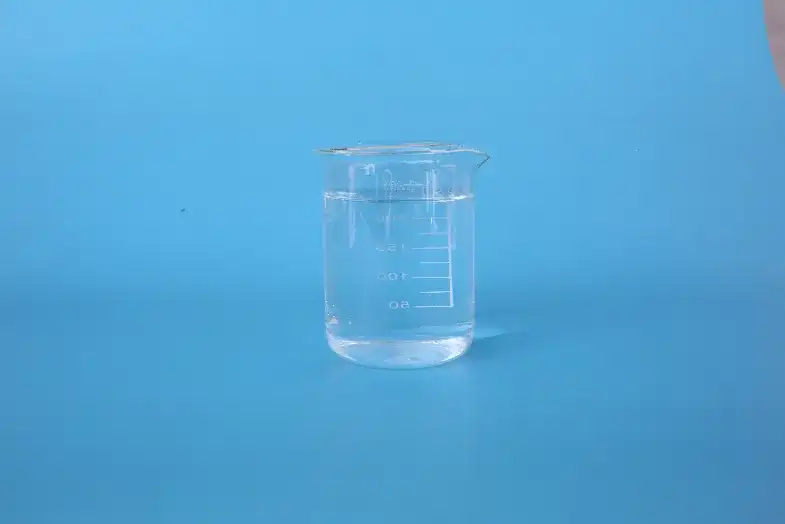
Industrial procurement teams evaluating acrylamide solution suppliers must weigh a combination of technical specifications and business capabilities that together determine long-term supply reliability. The monomer’s inherent characteristics, including concentration accuracy, inhibitor type and level, pH, conductivity, and residual impurity profile, directly affect polymerization kinetics and final polymer molecular weight. A supplier that cannot demonstrate batch-to-batch consistency across these parameters creates costly downstream variability.
Beyond the certificate of analysis, three supplier-level dimensions demand equal attention. First, production scale and the ability to meet large-volume orders without interruption. Second, quality management systems, including raw material traceability, in-process controls, and final release testing. Third, the supplier’s logistical infrastructure, specifically its capacity to maintain product stability during storage and intercontinental shipment. In our experience managing polymer production programs across multiple regions, suppliers that excel in all three dimensions consistently deliver the lowest total operational risk.
Production Capacity and Supply Security
A supplier’s nominal production capacity is the starting point. What matters more is demonstrated ability to sustain consistent output under varying market conditions, raw material availability, and seasonal logistics constraints. Acrylamide solution is a high-volume industrial intermediate; a supplier with annual capacity measured in tens of thousands of metric tons offers fundamentally different supply continuity than one operating at pilot scale.
Shandong Nuoer, for example, maintains an integrated production chain that includes 300,000 metric tons of acrylamide capacity and 100,000 metric tons of acrylic acid capacity, supported by self-produced cationic monomers. This vertical integration, from upstream raw materials through finished acrylamide solution and derivative polymers, insulates customers from the single-point supply disruptions that plague smaller, non-integrated producers. When a plant’s polymerization line runs continuously, a two-week raw material delay from a supplier without upstream control translates directly into lost production and missed delivery commitments.
Quality Consistency and Technical Specifications
Acrylamide solution quality cannot be verified from a one-time sample. It must be assessed across multiple production batches, over multiple quarters, under the same polymerization conditions that the receiving plant actually runs. The parameters that matter most depend on the specific polymer being produced, but certain indicators are universally instructive.
The table below summarizes typical specification ranges for high-purity industrial acrylamide solution, reflecting parameters that manufacturers should monitor closely when qualifying a supplier.
| Parameter | Typical Range | Relevance to Polymerization |
|---|---|---|
| Acrylamide content | 28–52% (customizable) | Determines monomer charge and process economics |
| pH (10 g/L) | 7.0–9.0 | Affects initiator efficiency and chain growth |
| Conductivity | 5–30 µS/cm (grade dependent) | Indicates ionic impurity levels that can interfere with free-radical kinetics |
| Inhibitor content | 0–100 ppm (adjustable) | Prevents premature polymerization during storage; must be compatible with plant initiation chemistry |
| Iron content | ≤1 ppm | Excess iron accelerates unwanted side reactions |
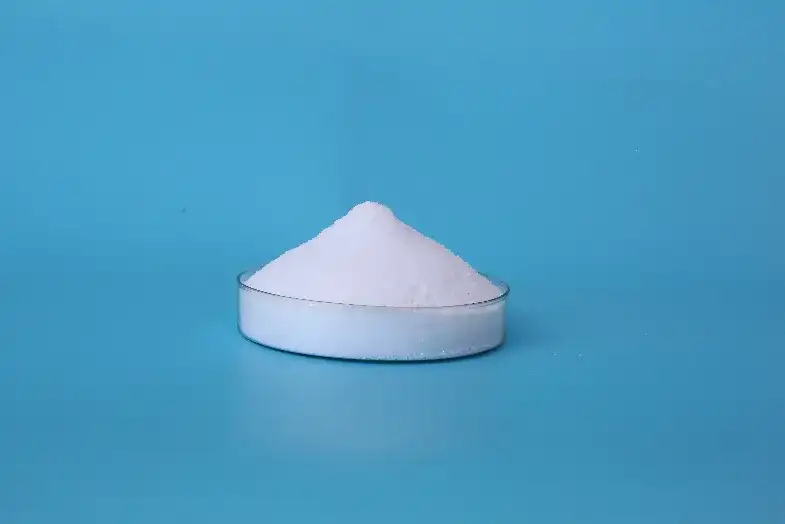
One particularly instructive case involves inhibitor customization. Several large polyacrylamide producers have found that standard off-the-shelf inhibitor levels cause inconsistent initiation times in their reactors. The ability of a supplier to adjust inhibitor concentration to match a customer’s specific initiation system, a capability that requires production-scale flexibility and technical depth, can be more valuable than any headline purity number. Nuoer’s advanced microbial production technology achieves inherently low impurity profiles, which reduces the inhibitor burden needed and provides a cleaner baseline for customized adjustments.
Logistics, Storage, and Global Delivery Capabilities
Acrylamide solution presents distinct logistics challenges compared to dry acrylamide crystal. The liquid form eliminates dissolution time at the customer’s plant, a significant operational advantage for continuous polymerization processes, but it introduces temperature sensitivity, shelf-life constraints, and higher shipping weight. A supplier’s logistics planning must address all three.
Storage conditions matter. Acrylamide solution must be kept away from heat sources and ultraviolet light, and extended exposure to elevated temperatures during transit can degrade inhibitor effectiveness and trigger premature polymerization. Suppliers shipping to tropical climates or regions with extended port dwell times must validate packaging and inhibitor protocols for those conditions. For international procurement teams, the supplier’s experience with dangerous goods documentation, regional chemical import regulations, and reliable freight partnerships directly determines whether shipments arrive on specification and on schedule.
From our global supply operations, we have observed that suppliers with dedicated logistics teams familiar with chemical export to over 60 countries, as Nuoer maintains, resolve customs clearance and transit stability issues far more reliably than suppliers relying on third-party forwarding without chemical expertise.
If your polymer manufacturing site is located in a region with challenging port infrastructure or seasonal shipping disruptions, confirming the supplier’s demonstrated delivery record under those specific conditions should be a formal step in the evaluation, not an afterthought. Contact en*****@***er.com to request documented delivery performance data for your region.
Comparing Acrylamide Solution Suppliers: Total Cost of Ownership
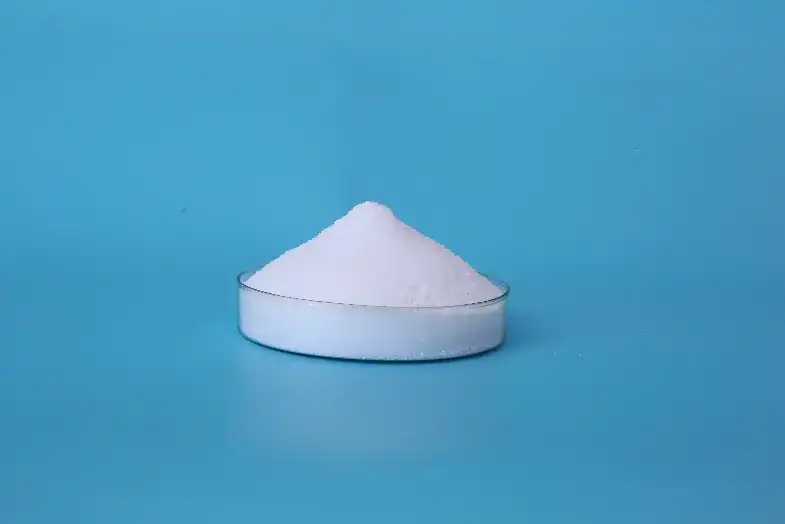
Unit price per metric ton of acrylamide solution reveals almost nothing about the actual cost of using that monomer in a commercial polymerization plant. A supplier offering a lower headline price but higher impurity levels, inconsistent concentration, or unpredictable delivery timing generates hidden costs that multiply rapidly.
Impurity-driven yield loss, for instance, is rarely captured in procurement spreadsheets. If a batch of acrylamide solution produces polyacrylamide with a molecular weight 10% below target due to unexpected ionic contamination, the downstream value loss often exceeds the monomer cost saving by an order of magnitude. Similarly, a shipment delayed by two weeks because the supplier lacked proper export documentation can idle a polymerization line whose daily output is worth far more than the freight differential on the monomer itself.
Calculating total cost of ownership demands including: the cost of quality failures across a representative number of batches, the cost of production downtime traced to supply interruptions, the cost of carrying extra safety stock to buffer against unreliable delivery, and the engineering time spent troubleshooting polymerization irregularities caused by monomer variability. Across multiple supplier qualification programs we have run, suppliers with integrated manufacturing, high capacity utilization rates, and direct logistics control consistently deliver lower total lifecycle costs, even when their unit price is not the lowest.
Partnering with a Reliable Acrylamide Solution Supplier
A procurement decision focused narrowly on acrylamide solution unit price overlooks the supplier qualities that determine sustainable manufacturing performance: production scale that guarantees supply continuity, quality systems that deliver batch-to-batch reproducibility, technical depth to customize inhibitor and concentration profiles, and logistics infrastructure capable of protecting product integrity across global supply chains.
Shandong Nuoer operates an integrated production base with 300,000 metric tons of acrylamide capacity, supported by self-produced monomers and advanced microbial technology that yields ultra-low impurity acrylamide solution. Our global logistics network reaches more than 60 countries, and our technical team works directly with polymer manufacturers to align monomer specifications with their specific polymerization processes.
To discuss your acrylamide solution requirements, including volume needs, target concentration, and delivery schedule, send your specifications to en*****@***er.com or call +86-532-66712876. We will confirm product availability and logistics planning within one business day.
Common Questions About Acrylamide Solution Sourcing
What acrylamide solution concentration should I select for my polymerization process?
The appropriate concentration depends primarily on your reactor design and polymerization method. Continuous polymerization lines often favor 40–50% solutions because the reduced water load simplifies downstream drying. Batch processes may prefer 28–30% solutions for easier viscosity control during initial stages. However, logistics cost also plays a role: higher concentration reduces shipping weight per unit of active monomer but may require heated storage and handling infrastructure at the receiving site. We typically recommend matching the concentration to your existing process engineering rather than changing infrastructure to accommodate a specific solution grade.
Is acrylamide solution produced via microbial methods meaningfully different from conventional chemical synthesis?
Yes. Microbial production of acrylamide, using nitrile hydratase biocatalysts, achieves inherently higher selectivity and lower impurity profiles compared to traditional copper-catalyzed hydration. The result is acrylamide solution with reduced residual acrylonitrile, lower metal ion contamination, and fewer organic side products. These differences translate into more predictable polymerization kinetics and higher molecular weight polyacrylamide. In our production experience, switching to microbial-grade acrylamide solution reduced batch-to-batch molecular weight variation by approximately 12–15% across a six-month production campaign, though the magnitude of improvement depends on the specific polymer grade being manufactured.
How long can acrylamide solution be stored before it degrades?
Properly inhibited acrylamide solution stored below 25°C in sealed, light-protected containers typically remains stable for 6 to 12 months. However, stability is strongly influenced by inhibitor type and concentration, storage temperature history, and exposure to UV light. Suppliers should provide stability data generated under conditions representative of your receiving warehouse environment, not only ideal laboratory conditions. We recommend incorporating a real-time aging sample program into supplier qualification: retain a small aliquot from each received batch and periodically test concentration and inhibitor residual to validate the supplier’s shelf-life claims under your actual storage regime. Share your storage conditions with our technical team to confirm the optimal inhibitor profile for your operation.
If you’re interested, check out these related articles:
Non-Ionic Polyacrylamide: Stable Flocculation Across Wide pH Ranges
Acrylamide Solution: Essential Storage & Handling Protocols
Leading Acrylamide Crystal Supplier for Polyacrylamide Manufacturing
Anionic PAM Factory Direct for Water Flooding: Maximize Oil Recovery
Reliable Emulsion Polyacrylamide Manufacturer for Industrial Solutions




 English
 Russian
 Arabic
 Spanish