
Non-ionic polyacrylamide is not a universal construction admixture, but where water retention, viscosity control, and low ionic interference matter, the grade selected decides whether a batch performs the same at 5 a.m. as it does at 3 p.m. My position is simple: pin down molecular weight and dissolution behavior before comparing quotes. Cementitious grouts, bentonite slurries, and anti-washout mixes fail more often from those two mismatches than from formulation errors. Over fifteen years in polyacrylamide production and global market support, I have watched specification reviews focus too late on exactly these properties.
What Does Non-Ionic PAM Do in Construction Mixes?
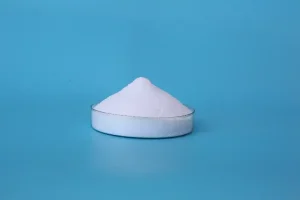
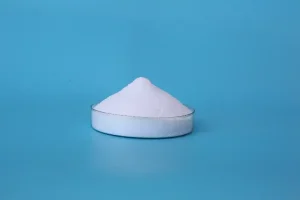
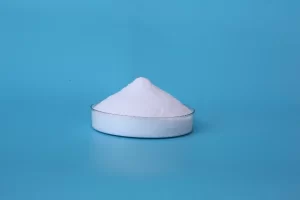
Non-ionic polyacrylamide is a high-molecular-weight homopolymer of acrylamide with a low ionisation degree. Its molecular structure delivers several functions at once: it raises the water phase viscosity, holds water inside cementitious matrices, and reduces particle separation under shear. In construction, those properties translate into three practical roles. First, the polymer improves water retention in mortar and grout, which matters when substrates are dry or air temperature drives rapid moisture loss. Second, it stabilizes mineral slurries, keeping bentonite or fine soil suspended instead of dropping out. Third, it acts as an anti-washout additive in underwater concrete and cementitious injection, limiting cement loss when placed under water.
The reason non-ionic PAM suits construction more than some ionic counterparts is its low charge sensitivity. Product data for high-purity non-ionic grades show flocculation and thickening remain stable over a wide pH range and are less affected by salts than anionic grades. In practical terms, a cement slurry that changes alkalinity as hydration proceeds, or a groundwater-based mix with variable dissolved salts, is less likely to lose viscosity when the polymer does not carry strong anionic or cationic charge. That does not make non-ionic PAM the best choice for every job, but it explains why it appears repeatedly in cementitious and slurry specifications.
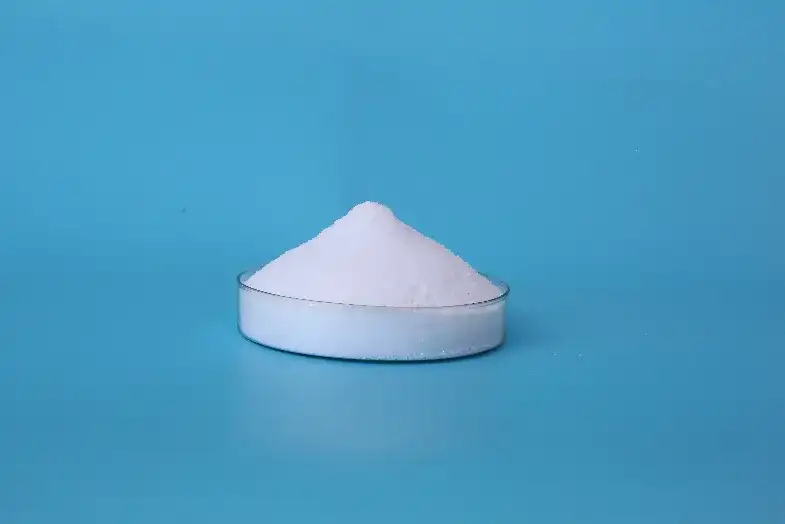
Molecular weight drives the difference between a thin, fast-dissolving grade and a slow-building viscosifier. In construction, we usually talk about high-molecular-weight non-ionic PAM because its longer chains create more bridging and water structuring per unit dose. However, higher molecular weight also brings slower and more difficult dissolution. Formulators who chase maximum viscosity without checking mixer shear often create fisheyes, which are partly hydrated gel particles that no field stirrer can fully break. The first specification task is therefore to match molecular weight to the mixing equipment and required working time.
How Should You Specify Non-Ionic PAM for Mortar and Concrete?
Specification starts with the site water and the mixer, not with the data sheet. I usually ask three questions before recommending a grade: what temperature range will the mix see, what is the dissolved salt load of the batch water, and how long can the mixing cycle realistically run. Those three variables determine dissolution behavior at least as much as the manufacturer’s nominal dissolution time.
| Specification factor | What to confirm | Failure mode if ignored |
|---|---|---|
| Molecular weight | Target solution viscosity at the planned dose | Under-dosed mix or delayed thickening |
| Dissolution time | Fully hydrated time in actual site water at lowest site temperature | Fisheyes and uneven performance |
| Residual monomer | Batch certificate value for construction worker exposure | Elevated exposure risk and non-compliant site use |
| Particle size | Match to batching equipment and water shear | Lump formation or blocked dosing lines |
| pH and salt tolerance | Viscosity retention in cement filtrate or site water | Viscosity loss during hydration |
Molecular weight is the first knob. A mid-range grade may produce enough water retention for masonry mortar, while a high-molecular-weight grade suits low-dose grout where a few hundred grams per ton of water must hold viscosity. Using the high-molecular-weight grade everywhere creates risk because in low-shear mixers the polymer hydrates unevenly. I treat dissolution time as a separate acceptance criterion. A supplier should be able to state how many minutes a specific grade takes to reach a clean solution in water at 10 degrees Celsius and at 30 degrees Celsius, because winter batching and summer batching do not behave the same.
Water retention in cementitious mixes is tied to polymer chain hydration. When the mix loses water too fast, cement hydration stops short, and surface strength suffers. Non-ionic PAM slows water loss from the matrix by raising liquid phase viscosity and film-forming behavior. The effect shows up most clearly in thin-bed mortars, renders, and self-leveling compounds applied in hot or windy conditions. A specification should therefore state a minimum open time or water retention benchmark, not simply a dose, because substrate porosity and wind move the required dose.
One point I have learned from manufacturing and export support is that residual monomer certification matters in construction as much as in papermaking or mining. Site workers handle these products in open mixers, sometimes without full dust protection. A high-purity non-ionic PAM with low residual acrylamide content reduces the exposure question during batching. Buyers should request the certificate of analysis and match it to the batch actually shipped, not the sample batch.
Where Does Non-Ionic PAM Fit in Slurry and Ground Engineering?
In bored pile and diaphragm wall work, bentonite slurry keeps the excavation face stable and carries cuttings to the surface. Non-ionic PAM enters this system as a viscosity modifier and fluid loss reducer. Because its performance is less affected by pH and salts than anionic hydrolyzed polyacrylamide, it remains predictable as the slurry takes in cement from a diaphragm wall or concrete from an adjacent pour. The result is more stable filter cake and lower risk of sudden viscosity collapse when groundwater with high dissolved solids invades the slurry.
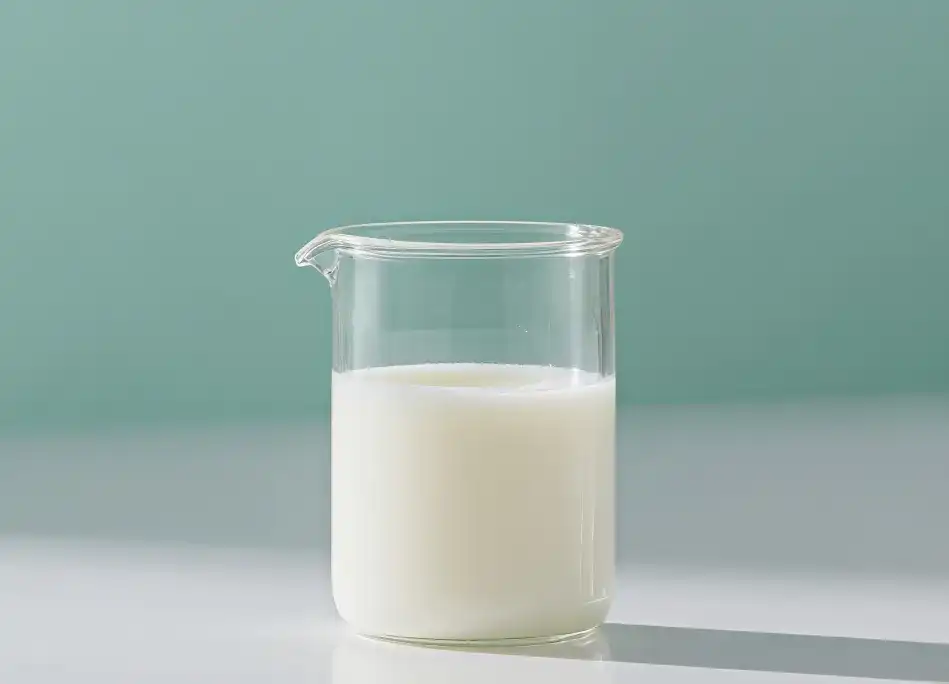
Anti-washout and underwater concrete applications use the same mechanism. When non-ionic PAM is added to a cementitious mix, it raises the cohesion of the water phase and reduces cement washout during placement through water. The benefit is measured in lower turbidity around the pour and fewer weak surface zones. The limitation is that cohesion can also reduce flow, so the grade and dose must be balanced against the specified slump or flow diameter. In my experience, the greatest field error is to raise the non-ionic PAM dose to solve washout and then discover the mix no longer pumps cleanly.
Soil stabilization and dust suppression are less technical but consume significant volume. High-molecular-weight non-ionic PAM binds fine particles at low concentration, forming a crust or improving aggregate stability. The same low ionic interference means the treatment holds better in saline soils than an anionic polymer would. For these applications, buyers usually need a grade that is easy to wet and apply through a spray system, which moves the specification back toward dissolution speed and particle size.
If your program involves saline groundwater, cold-weather batching, or a low-shear mixer, it is worth confirming dissolution time and residual monomer before finalizing your BOM. Send your water analysis and target dose to en*****@***er.com and we will check the grade against those conditions.
What Sourcing Checks Protect Construction Buyers?
A construction project lives on batch-to-batch consistency. I advise buyers to check supply capability before confirming a grade because a polymer that passes one trial can shift when the next container comes from a different production window. Since Shandong Nuoer Biological Technology Co., Ltd. has an annual polyacrylamide production capacity of 500,000 tons, we can hold formulation parameters steady across large orders, but the buyer should still require a certificate of analysis for each shipment and a clear lot traceability system.
Monomer quality is part of the product. Non-ionic PAM is a homopolymer of acrylamide, so high monomer purity directly shapes residual content and polymerization consistency. When evaluating a supplier, request the acrylamide monomer specification alongside the finished polymer data. A producer that controls monomer supply, as we do, is better positioned to explain deviations and maintain low residual levels. Construction buyers often skip this asking point because they are not polymer chemists, but it is the most useful question to ask when comparing factories.
Commercial terms also belong in the specification. Ask for the dissolution test method, the sample retention procedure, and the packaging configuration before the first bulk order. A supplier that cannot send a two-kilogram trial sample or refuses to state the moisture content is signaling something. I also recommend ordering against a defined acceptance range for molecular weight and residual monomer rather than accepting a generic high molecular weight label. That label covers too many grades to protect a project.
When Should You Confirm a Grade Before Ordering Non-Ionic PAM?
Most construction buyers only discover the specification gap after the first site trial or, worse, after the first weekend pour. The pain point is familiar: a quoted price looked right, the data sheet looked standard, and the batch still produced fisheyes or lost viscosity in field water. By that point, the true cost is not the polymer but the lost batching time, rejected mix, and delayed program.
The fix is not a longer trial cycle. It is to confirm the three variables that control field performance before the BOM is locked: molecular weight, dissolution time in actual site water, and residual monomer certification. If your program involves highly saline groundwater, cold-weather batching, or a low-shear mixer, pin these down first. Share your project water analysis, current mix design, and target dose with us at en*****@***er.com or +86-532-66712876, and we will confirm the right non-ionic grade and supply traceability before you commit.
What Else Should Buyers Ask About Non-Ionic PAM in Construction?
Is non-ionic PAM better than anionic PAM for construction?
Non-ionic PAM is often the safer choice for cementitious and slurry work because its performance stays stable across pH and salt changes, but it is not always the strongest flocculant. Use it when water retention, slurry stability, and low ionic interference matter more than maximum solid-liquid separation. Anionic grades can work in alkaline cement systems, yet field water with high calcium or salinity can compress the polymer coil and reduce viscosity. For most construction formulation questions, I recommend starting with non-ionic PAM and switching only if a specific ionic interaction requires a change.
Does higher molecular weight always produce better mortar workability?
A common assumption is that higher molecular weight always produces better mortar workability. That is not what field results show. High-molecular-weight non-ionic PAM builds viscosity at low dose but dissolves more slowly and can form fisheyes in low-shear mixers. If the polymer does not fully hydrate before the mortar leaves the mixer, the finished surface may show gel particles or uneven water retention. The better approach is to choose the lowest molecular weight that meets the water retention target under actual mixing time and temperature.
What is the right non-ionic PAM dosage for grout or slurry?
It depends on whether the mix is a cementitious grout, a bentonite slurry, or a spray-applied dust treatment. In grouts, typical starting points are low, often measured in grams per ton of water, and the target is water retention and cohesion rather than final mix thickness. In bentonite slurries, the dose is generally set by viscosity or filtration control tests. For dust suppression or soil stabilization, the dose depends on soil fines and salinity. Because every site water and raw material combination differs, I recommend a jar test and then a small field trial before setting the purchase specification.
What should a buyer check before committing to a non-ionic PAM supplier?
In most construction orders our team handles, the first specification discussions move from dosage to the three properties that decide field success: molecular weight, dissolution time in the buyer’s actual water, and residual monomer level. A buyer should also request lot-specific certificates, storage guidance, and a defined acceptance range. The last point matters because two suppliers can both claim high molecular weight and deliver different behavior. If your program uses highly saline water or a low-shear mixer, share your water analysis and mix design with en*****@***er.com and we will confirm the right grade before you commit.
If you’re interested, check out these related articles:
Acrylamide Crystal Purity for Large-Scale Polymer Synthesis
Emulsion Polyacrylamide Concentration Selection Guide


 English
 Russian
 Arabic
 Spanish