
Powder vs emulsion cationic polyacrylamide: the choice is rarely about chemistry alone. Both forms deliver the same cationic flocculation action, but the physical form determines how fast you move from delivery to dosing, how much floor space you commit to polymer handling, and what happens when your process stream shifts overnight. After fifteen years in polymer manufacturing and global supply, I have seen plants gain substantial throughput by switching forms and others forced into expensive retrofits because the form did not match the existing polymer system. This article examines the operational, cost, and supply factors that make powder or emulsion the right fit for your dewatering or clarification application.
Powder vs Emulsion Cationic Polyacrylamide: Key Physical and Chemical Differences
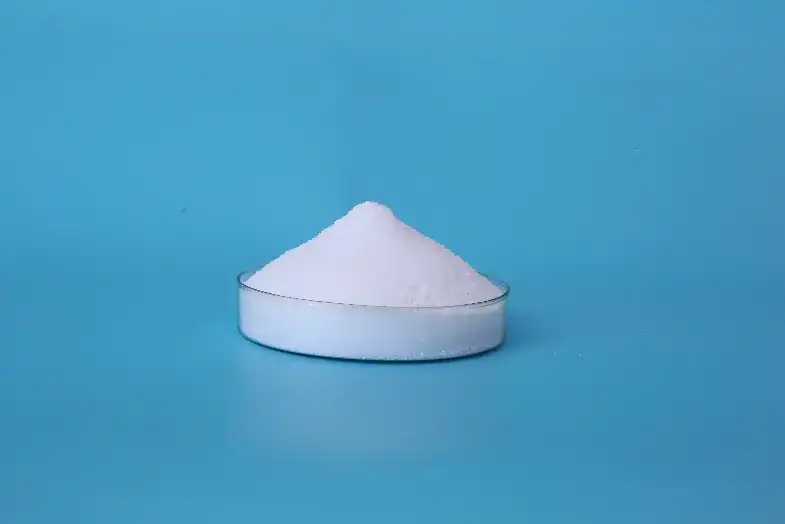
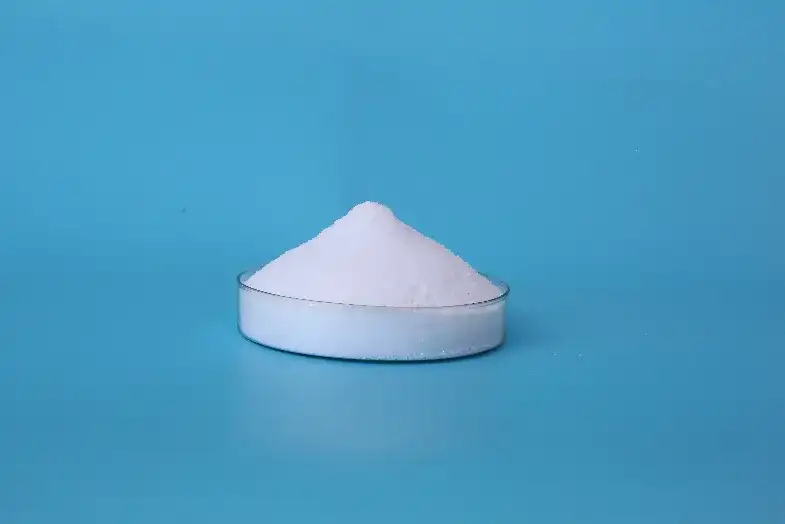
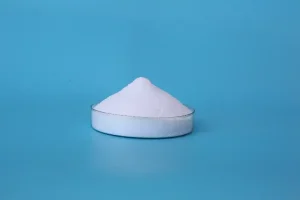
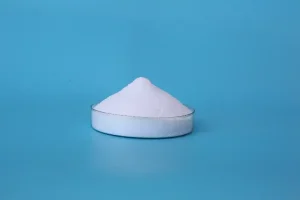
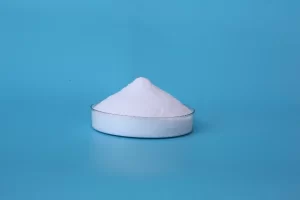
Cationic polyacrylamide powder is a dry, granular product typically packaged in 25‑kg bags or big bags. It contains over 90% active polymer by weight, making it the most concentrated form for storage and shipping. Powder must be dissolved into water using an automatic polymer preparation unit before dosing. The dissolution process requires adequate mixing and aging, usually taking 30 to 60 minutes to reach full activity.
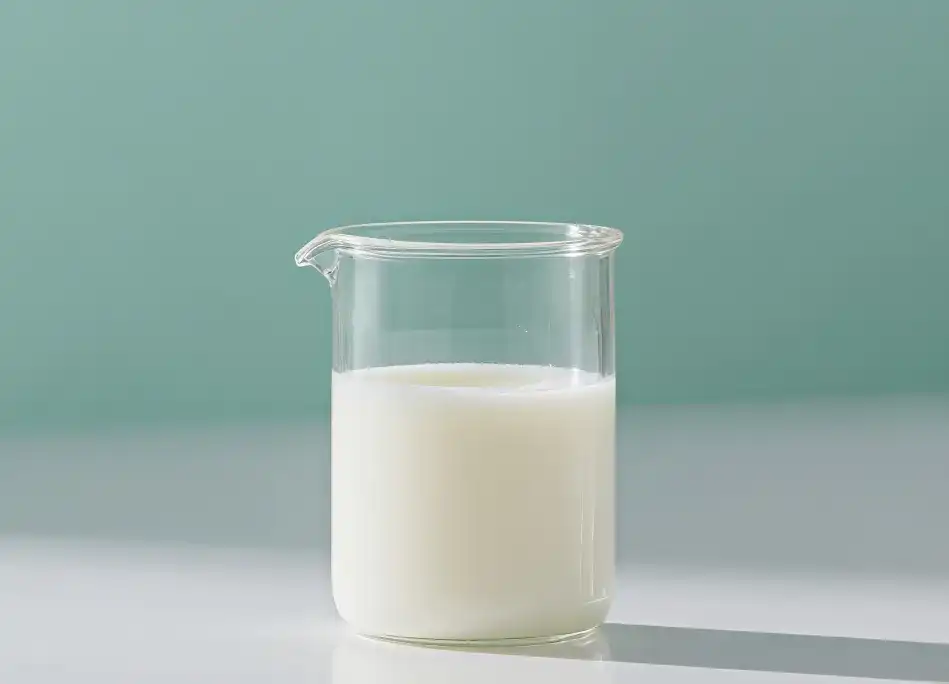
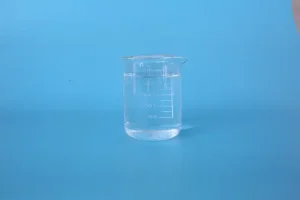
Emulsion cationic polyacrylamide, in contrast, is a water‑in‑oil dispersion containing 30–50% active polymer, suspended as micron‑sized droplets in a carrier oil with surfactants. The emulsion is ready to invert and dissolve when it contacts water, reaching full activity in as little as 5 to 15 minutes with proper mixing. It is supplied in liquid form, typically in 200‑liter drums, IBCs, or bulk tankers, and eliminates the dust exposure associated with dry powder.
| Characteristic | Powder CPAM | Emulsion CPAM |
|---|---|---|
| Active content | >90% | 30–50% |
| Dissolution time | 30–60 min | 5–15 min |
| Dust generation | Yes, requires ventilation | None |
| Storage temperature | Ambient, dry | Above 0 °C, avoid freeze‑thaw |
| Shelf life | 2 years (dry) | 6–12 months (recommended) |
| Packaging | Bags, big bags | Drums, IBCs, bulk |
The higher active content of powder means a lower delivered cost per kilogram of active polymer. That advantage, however, comes with the operational burden of dust control, preparation time, and space for dry storage.
How Powder and Emulsion CPAM Perform in Real Plant Polymer Handling
A polymer solution´s effectiveness depends not just on the polymer itself but on how it is prepared and how quickly it is consumed. I have seen plants where powder makeup systems occupy an entire room, with screw feeders, eductors, and aging tanks that require daily cleaning and periodic maintenance. During high demand periods, if the aging tank runs out of matured polymer, operators are forced to feed under‑activated solution, which increases dosage and reduces dewatering cake solids.
Emulsion CPAM bypasses much of this complexity. The liquid form can be metered directly into a static mixer or dilution stream, eliminating the dust and reducing the footprint of the preparation area. For plants that operate 24/7 with steady polymer demand, this speed translates into more consistent floc formation and better centrate or filtrate quality. However, emulsion´s water‑in‑oil nature makes it susceptible to freeze‑thaw damage. If storage temperatures drop below 0 °C, the emulsion can break, leading to gel formation and metering pump clogging. This is a real risk for unheated warehouses in northern regions, and it is why many plants that adopt emulsion also invest in temperature‑controlled storage or smaller, frequent deliveries.
Dust from powder CPAM is not just a nuisance; it can create slippery floors when airborne particles settle and attract moisture. I have observed sites where operators routinely wore respirators and dedicated cleaning shifts just to manage polymer dust accumulation. For plants without an enclosed powder handling system, emulsion offers a cleaner, safer working environment right away.
Matching the Form to Your Dewatering Equipment
The choice of form often intersects with the dewatering equipment in place. Belt filter presses and screw presses that rely on consistent, well‑aged polymer for strong flocs tend to perform best with emulsion CPAM because the rapid inversion and short aging time reduce the risk of partially activated polymer reaching the flocculation chamber. Centrifuges, which are more tolerant of variable floc strength, can operate well with either form, but powder users must ensure the aging system keeps pace with centrifuge feed rates.
Batch operations with intermittent polymer demand are a stronger candidate for powder. A batch tank can be prepared at the start of a shift, and the slower dissolution is manageable when the plant runs one or two dewatering cycles per day. For continuous operations, especially those with high flow, emulsion´s speed of dissolution and ease of automation often justify the higher per‑kilogram price of the active content.
If your plant operates in a cold climate without heated storage, it is worth confirming the freeze‑thaw stability of the emulsion formulation. Many plants in colder regions choose powder to avoid winter handling problems. A supplier that manufactures both forms can help you assess the tradeoffs based on your specific site conditions.
Total Cost of Ownership: Beyond Price Per Kilogram
A purchasing decision based solely on the price per metric ton of product misses several operational costs. First, powder CPAM requires polymer makeup equipment: a feed hopper, eductor, aging tank, and transfer pumps. The capital and maintenance costs of this system can be significant. Emulsion CPAM needs a metering pump and inline mixer, a fraction of that capital.
Second, emulsion´s lower active content means you ship and store a product that is 50–70% water and oil. For plants in remote mining operations where every kilogram must be trucked in, powder´s concentrated form can cut transport costs noticeably. Conversely, for urban treatment plants with easy liquid chemical access, emulsion´s handling advantages may outweigh freight costs.
Third, solution aging and degradation. Powder solutions typically need to be used within 24 to 48 hours after hydration to avoid significant polymer chain breakage. If demand fluctuates and a tank of aged solution is discarded, the effective cost rises. Emulsion can be made up in smaller batches inline, reducing waste.
A plant that doses 5 kg of active polymer per dry ton of sludge might see a 10–15% dosage reduction when switching to emulsion simply because the polymer is fully activated and evenly dispersed. Over a year of continuous operation, that reduction alone can offset the higher per‑kilogram price.
Supplier Capabilities That Shape the Decision
Not all powder and emulsion grades are equal, and the ability to customize charge density, molecular weight, and crosslinking level can change the economics significantly. Shandong Nuoer Biological Technology produces both powder and emulsion cationic polyacrylamide at scale: 500,000 tons of PAM annually, with 200,000 tons of emulsion capacity. In‑house cationic monomer production ensures stable supply and allows fast formulation adjustments. For a plant struggling with varying incoming sludge characteristics, having a supplier that can tweak the product specification rather than forcing the plant to retrofit equipment is a real operational advantage.
When we work with a plant that is unsure about switching forms, we often run a side‑by‑side trial using their actual process water. The results consistently show that the right form changes when you look at the total cost per dry ton processed, not just the price per drum or bag. The decision becomes clearer when the supplier can supply both forms without bias.
If your plant´s incoming water quality or sludge type shifts seasonally, discuss with your supplier whether a dual‑form strategy or a custom grade can keep your operation stable. We have seen customers split their annual contract between powder for winter months and emulsion for summer to avoid cold‑weather handling issues.
Questions Plant Operators Ask About Cationic Polyacrylamide Form Selection
What is the real difference in flocculation performance between powder and emulsion CPAM?
Under ideal preparation conditions, the flocculation performance is equivalent because the polymer chain is the same. The real performance gap appears when preparation conditions are not ideal. Powder that has not fully matured produces large, weak flocs that shear apart. Emulsion dissolved inline reaches its full strength nearly instantly, so it performs more consistently in high‑rate plants.
Can I switch from powder to emulsion without changing my polymer system?
Yes, but you need to replace the dry feed system with a liquid metering skid. This is not a minor change; it requires capital, a shutdown window, and operator retraining. Conversely, switching from emulsion to powder demands installing dust control and aging tanks. We recommend a trial period with a rented emulsion unit before committing.
Is emulsion CPAM more expensive than powder?
Per kilogram of product, yes. On a total cost per dry ton processed, the answer depends. Emulsion often reduces dosage by 10–15%, eliminates powder handling labor, and cuts polymer wastage from aged solutions. For a plant processing 50 dry tons per day, the savings can repay the higher product price within months.
How should I store emulsion CPAM in a cold climate?
Store indoors above 0 °C. If that is not possible, consider heated storage tanks or smaller, more frequent deliveries to minimize the volume exposed to cold. For sites that cannot guarantee temperature control, powder is the safer choice. If your winter temperatures consistently drop below freezing, share your site conditions with us and we will help evaluate whether a stabilized emulsion can work or if powder makes more sense.
If your process demands a specific charge density or a custom formulation that can reduce dosage further, send your part number and daily throughput to en*****@***er.com or call +86-532-66712876 and we will confirm stock and propose a grade that fits your dewatering equipment and site conditions.
If you’re interested, check out these related articles:
Anionic PAM: Horizontal vs Vertical Well Performance
Acrylic Acid Polymerization Process: An Advanced Industrial Guide


 English
 Russian
 Arabic
 Spanish