
Anionic polyacrylamide stability in reservoir conditions is the linchpin of long-term polymer flooding economics, yet it is not solely a function of lab-measured degradation rates. Over fifteen years of managing polyacrylamide production at scale, I have observed that the polymer’s ability to retain viscosity under high-temperature, high-salinity stress hinges on manufacturing consistency as much as it does on molecular design. When evaluating anionic PAM for a mature or harsh reservoir, the decision between products often comes down to the quality control behind the lot, not just the specification on paper. This article examines the key degradation mechanisms, the role of molecular weight and hydrolysis degree, and the often-overlooked importance of supplier manufacturing capability in delivering long-term stability.
What Factors Degrade Anionic Polyacrylamide in the Reservoir?
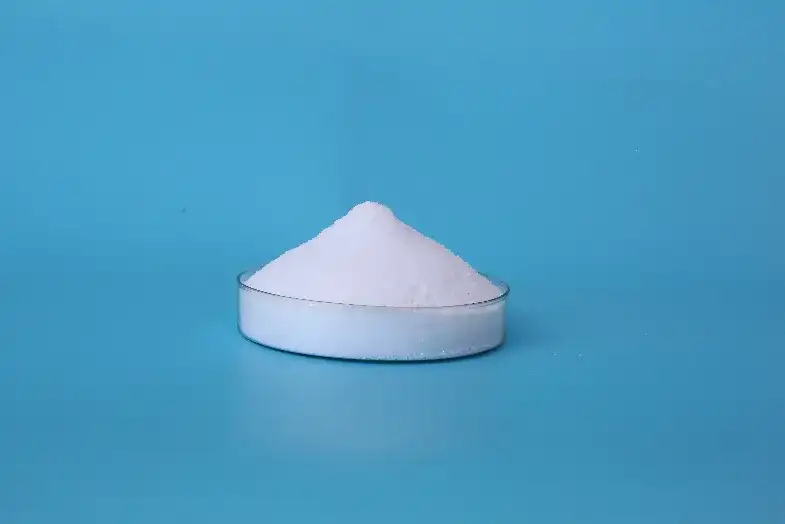
Anionic polyacrylamide faces three primary degradation pathways once injected into a reservoir: thermal, chemical, and mechanical. At temperatures above 60°C, the acrylamide backbone undergoes progressive thermal hydrolysis, converting amide groups into carboxylate. This increases the polymer’s anionic charge density, which initially aids viscosity but eventually leads to precipitation in the presence of divalent cations like calcium and magnesium, especially in high-salinity brines exceeding 50,000 ppm total dissolved solids. Chemical degradation also proceeds through free-radical oxidation, often catalyzed by dissolved oxygen or trace metal ions in the injection water. The resulting chain scission reduces molecular weight rapidly, collapsing solution viscosity. Mechanical degradation occurs during injection through perforations and near-wellbore shear, tearing the high-molecular-weight chains and permanently lowering the polymer’s effective size. In harsh reservoirs, these mechanisms rarely act in isolation. Elevated temperature accelerates both hydrolysis and oxidation while shear pre-conditions the chain structure, making the polymer more vulnerable to subsequent chemical attack. A comprehensive stability assessment must therefore account for the cumulative effect of these interacting stress factors rather than treating them as independent variables.
How Molecular Weight and Hydrolysis Degree Influence Stability
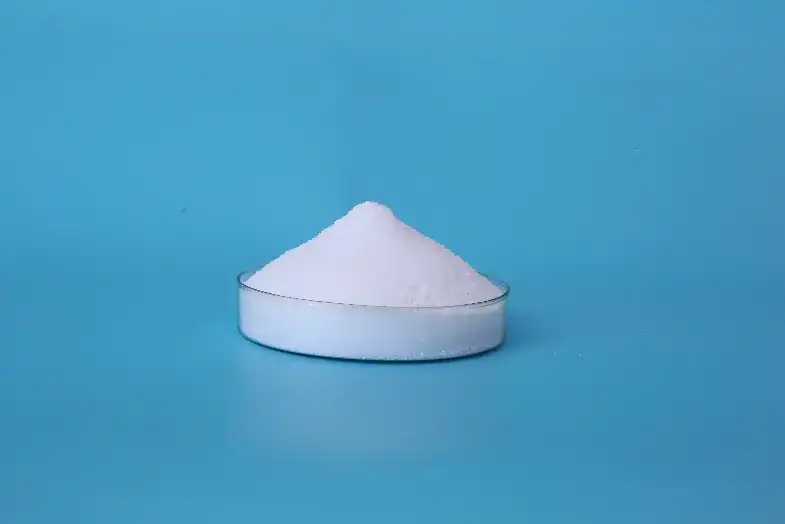
The selection of molecular weight and initial degree of hydrolysis creates the baseline stability profile long before the polymer reaches the injection wellhead. High molecular weight anionic PAM, such as grades exceeding 30 million Daltons, provides strong initial viscosity and sweep efficiency, but longer chains present more scission sites under mechanical shear. Conversely, moderately lower molecular weights sacrifice some early viscosity for greater shear stability and deeper reservoir propagation. The initial hydrolysis degree, which typically ranges from 5% to 35% for partially hydrolyzed polyacrylamide (HPAM), determines how the polymer will respond to thermal aging. A lower starting hydrolysis allows headroom for the unavoidable in-situ hydrolysis that occurs at reservoir temperature, delaying the point where carboxylate content exceeds the threshold for calcium-induced precipitation. However, a hydrolysis degree that is too low may not generate sufficient viscosity in low- to moderate-salinity brines. Balancing these two parameters against the specific reservoir temperature and brine composition is the central challenge of anionic PAM selection.
Matching Molecular Weight to Brine Salinity
High-salinity reservoirs above 100,000 ppm TDS typically work better with anionic PAM in the 18 to 25 million Dalton range, where the chain length is long enough to give adequate viscosity but short enough to reduce the number of shear-sensitive bonds. For lower-salinity brines, ultra-high molecular weight above 30 million becomes viable because the reduced charge screening maintains chain extension without requiring extreme length, and the lower ionic strength environment reduces the risk of precipitation during long-term aging.
The Role of Hydrolysis Degree in Viscosity Retention
In reservoirs where temperature exceeds 75°C and brine hardness is high, starting with a hydrolysis degree of 15–20% often proves more reliable than the 30% grades that perform well in softer, cooler conditions. The reason is straightforward: as thermal hydrolysis pushes the final carboxylate content toward 40–50% over several years, the polymer remains in solution rather than precipitating with multivalent cations. Our production experience confirms that controlling the initial hydrolysis degree within tight tolerances across batches is as important as the numerical specification itself, because even a two-percentage-point drift can shift the precipitation timeline by months in a hot reservoir.
Why Manufacturing Quality Matters for Long-Term Polymer Performance
Laboratory studies on anionic polyacrylamide stability typically employ high-purity polymer samples synthesized under controlled conditions, a scenario that rarely mirrors the field-grade product delivered in bulk to an injection site. In large-scale production, residual acrylamide monomer, catalyst fragments, and chain-transfer impurities act as initiation points for oxidative degradation. Even at concentrations of a few hundred parts per million, these residuals can generate free radicals under reservoir conditions, initiating chain scission that progressively erodes viscosity years ahead of predictions based on pure-polymer aging tests. Manufacturing processes that prioritize low residual monomer content and narrow molecular weight distribution therefore produce polyacrylamides with measurably slower aging rates in the field. Our facility monitors residual acrylamide levels throughout production runs, maintaining them consistently below industry export thresholds, which contributes directly to longer usable injection lifetimes.
How Batch Consistency Protects Injection Program Economics
A polymer flooding project spanning multiple years and hundreds of injection wells consumes thousands of tons of anionic PAM, delivered in dozens of production batches. If the viscosity response of Batch A differs from Batch B due to variations in molecular weight distribution or hydrolysis control, the injection schedule must be adjusted continuously, adding operational complexity and cost. Producing anionic polyacrylamide at a single, integrated manufacturing site with 500,000 tons of annual PAM capacity allows us to replicate process conditions precisely from one lot to the next, giving reservoir engineers confidence that the polymer arriving on site month after month will perform within the expected stability envelope.
Impurities That Shorten Polymer Aging
Trace iron, copper, and aluminum ions carried from reactor metallurgy or feedstock can catalyze oxidative degradation far more rapidly than dissolved oxygen alone. Specifying an anionic PAM supplier that uses corrosion-resistant reactor materials, high-purity acrylamide monomer, and demineralized process water reduces these catalytic contaminants to levels that do not measurably influence reservoir-scale aging. In our experience, this aspect of quality control receives less attention than it deserves during supplier qualification, yet it is one of the strongest predictors of whether a product will achieve its design life under harsh conditions.
If your project targets a reservoir with temperatures above 75°C and brine salinity exceeding 80,000 ppm TDS, confirming the polymer’s multi-month aging behavior with production-representative samples is a necessary step before finalizing procurement. Contact our technical team at en*****@***er.com or +86-532-66712876 to request lot-specific stability data and discuss a product grade matched to your reservoir’s temperature and brine chemistry.
Evaluating Anionic PAM for Your Specific Reservoir Conditions
A structured evaluation that moves beyond generic specification sheets increases the likelihood of selecting an anionic PAM that meets long-term performance targets. The following framework captures the criteria that matter most for harsh reservoirs:
| Evaluation Criterion | What to Assess | Why It Matters for Stability |
|---|---|---|
| Molecular weight distribution | Polydispersity index, fraction below 5 MDa | Low-tail short chains contribute little viscosity but consume polymer mass |
| Hydrolysis degree tolerance | Batch-to-batch variance in carboxylate content | Predictable aging trajectory requires tight control |
| Residual acrylamide | Typical <500 ppm; lower values preferred | Acts as a radical source accelerating oxidative breakdown |
| Thermal aging under reservoir brine | Viscosity retention at 30, 60, 120 days | Lab aging curves must predict field behavior |
| Shear stability | Viscosity after capillary or perforation-simulating shear | Must survive injection without losing major fractions of MW |
Running core flood tests with the candidate polymer and actual reservoir brine at target temperature provides the highest confidence, because it integrates chemical, thermal, and mechanical stresses simultaneously. Observing the effluent polymer concentration and viscosity over several pore volumes reveals whether the product degrades at an acceptable rate or loses effectiveness prematurely due to unanticipated interactions with rock mineralogy or resident brine components.
Questions to Ask Your Polymer Supplier Before Field Deployment
Procurement teams and reservoir engineers who ask pointed questions during the supplier evaluation phase reduce the risk of discovering stability problems after injection has begun. Production-scale documentation weighs far more heavily than bench-scale data when predicting field behavior in harsh reservoirs. Request production lot aging tests conducted on the actual product grade being proposed, not a specially prepared laboratory analog. Ask for residual monomer and impurity analyses from recent production runs, along with molecular weight distribution curves measured by SEC-MALS. Confirm the supplier’s ability to maintain specification compliance over the full duration of the project, supported by documented process capability data. Finally, verify the logistics and storage conditions that will preserve polymer quality from manufacturing plant to injection site, because high-molecular-weight anionic PAM is sensitive to moisture and prolonged high-temperature storage.
Securing Reliable Anionic PAM for Long-Term Reservoir Performance
The difference between an anionic polyacrylamide that maintains its design viscosity for years and one that degrades prematurely often traces back to manufacturing rigor rather than monomer chemistry. Reservoir temperature, salinity, and shear set the fundamental challenge, but it is the supplier’s control over hydrolysis degree, molecular weight distribution, and residual impurities that determines whether the product withstands those conditions as predicted. Shandong Nuoer Biological Technology Co. produces anionic polyacrylamide with molecular weights exceeding 30 million Daltons, customizable hydrolysis degrees, and certified low residual monomer content, manufactured at an integrated facility with an annual PAM capacity of 500,000 tons and supplied to over 60 countries. For your next enhanced oil recovery project, send the reservoir temperature, brine composition, and target injection viscosity to en*****@***er.com or call +86-532-66712876. Our application engineers will recommend a specific product grade and provide production lot stability documentation to support your pilot and commercial deployment decisions.
Common Questions About Anionic Polyacrylamide Stability
Does anionic PAM completely lose viscosity if left in the reservoir long enough?
No, not completely. Under typical reservoir conditions, the viscosity declines along a predictable curve driven mainly by thermal hydrolysis and chain scission, then stabilizes at a plateau value. The plateau level depends on the final hydrolysis degree and the remaining molecular weight fraction. In properly selected anionic polyacrylamide products, the plateau viscosity often remains above the minimum required for mobility control throughout the economic life of the flood. The goal of stability testing is not to eliminate viscosity loss but to quantify it accurately so that the injection design accounts for the expected decline.
What shelf life can I expect for stored anionic polyacrylamide before use?
Dry anionic PAM powder stored in sealed, moisture-barrier packaging at temperatures below 35°C retains its specified molecular weight and dissolution characteristics for at least 12 to 24 months. The primary risk factors during storage are moisture absorption, which initiates partial hydration and crosslinking, and prolonged exposure to temperatures above 40°C, which accelerates thermal degradation even in the dry state. When specifying anionic PAM for remote field operations, choose a supplier that packages the product in multi-layer moisture-resistant bags or bulk containers suitable for local climate conditions.
Can I blend different molecular weight grades to optimize both injectivity and stability?
Blending is technically possible and sometimes practiced, but it requires careful rheological evaluation. A blend containing a high-molecular-weight fraction for viscosity build and a lower-molecular-weight fraction for shear stability can produce acceptable overall performance if the two components remain compatible in the injection brine. The main risk is that the high-MW component degrades under shear, and the resulting viscosity drop may exceed predictions based on the average molecular weight of the blend. If a blend is being considered, measure the actual viscosity under representative shear and aging conditions; do not rely on weighted-average calculations.
How should I test anionic PAM stability before starting a full-scale injection program?
A staged approach works best. Begin with static aging tests in sealed ampoules containing the candidate polymer dissolved in synthetic or actual reservoir brine, aged at reservoir temperature and monitored for viscosity at intervals up to 90 days. Follow with dynamic core flood experiments under reservoir pressure and temperature, measuring effluent viscosity and polymer concentration over multiple pore volumes. Finally, if the project scale justifies it, run a single-well or small-pattern pilot injection using the specific production batch intended for the commercial program, and monitor produced fluid polymer content and well injectivity over several months.
Is a higher degree of hydrolysis always more stable in harsh reservoirs?
No. A higher initial hydrolysis degree makes the polymer more sensitive to divalent cations from the start and reduces the buffer before precipitation occurs. In high-temperature reservoirs with hard brine, starting with a lower hydrolysis degree, typically 15–20%, often produces a more predictable aging curve because the polymer has room to hydrolyze further in situ without immediately crossing the precipitation threshold. For low-salinity, soft-brine reservoirs, a higher initial hydrolysis degree can be beneficial because precipitation risk is minimal and the higher charge density improves viscosity at lower polymer concentrations. Share your brine analysis and temperature with our technical team at en*****@***er.com to receive a hydrolysis degree recommendation tailored to your reservoir.
If you’re interested, check out these related articles:
Acrylic Acid for Coatings and Adhesives: Performance Solutions
Innovation Drives Sustainability: NuoER Group Showcases Advanced Water Treatment Solutions at IEexpo China 2026
Anionic PAM Factory Direct for Water Flooding: Maximize Oil Recovery
Reliable Emulsion Polyacrylamide Manufacturer for Industrial Solutions


 English
 Russian
 Arabic
 Spanish