
In fifteen years of managing polyacrylamide production and supporting industrial water treatment programs across more than sixty countries, one pattern has become unmistakable: standard anionic or cationic polymers fail predictably when wastewater chemistry refuses to stay constant. Amphoteric polyacrylamide changes that calculation because its copolymer backbone carries both positive and negative charges, letting it maintain flocculation efficiency through pH swings, mixed ionic loads, and surfactant contamination that would collapse a single-ionic polymer program within hours. This article examines how that dual-charge mechanism works in practice, where it outperforms conventional alternatives, and what production engineers and procurement teams should verify before committing to a supplier for complex water treatment applications.
Why Standard Polymers Struggle with Variable Water Chemistry
Most industrial wastewater treatment programs are built around a single polymer type selected after a site audit that captures one moment in time. The problem is that complex wastewater rarely cooperates with a snapshot. Refinery effluent shifts from oily to saline as crude slates change. Metal processing rinse water swings acidic when pickling baths dump, then drifts alkaline during neutralization. Textile dye streams carry anionic surfactants in the morning and cationic fixatives by afternoon. In each case, a polymer optimized for one charge environment loses bridging efficiency when the ionic background shifts, producing carryover, higher dosing costs, or both.
We have seen this repeatedly in production-scale troubleshooting: a plant running an anionic polyacrylamide at 3 mg/L with clear supernatant suddenly reports turbidity spikes, and the root cause is not polymer degradation but a pH drop from 7.2 to 5.8 that protonated the carboxylate groups and collapsed the polymer coil. The operator increases dosage. It does not help. That is the signature of a charge mismatch, not a dosing problem.
How Amphoteric Polyacrylamide Maintains Flocculation Across pH Swings
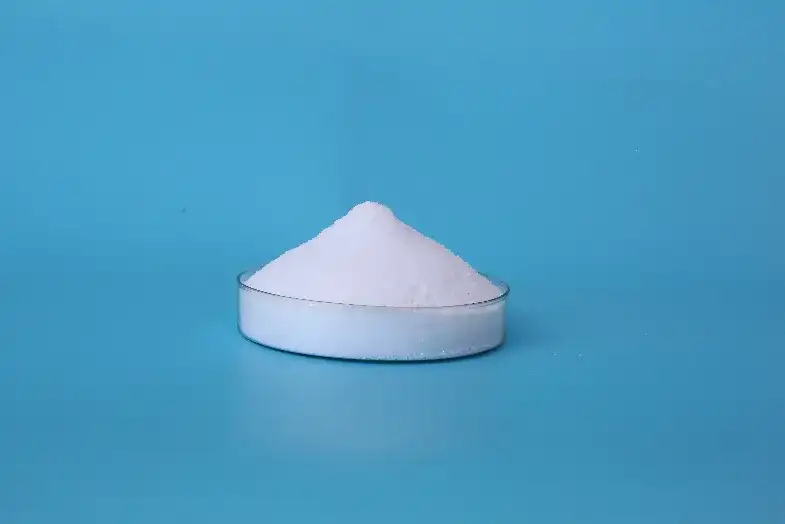
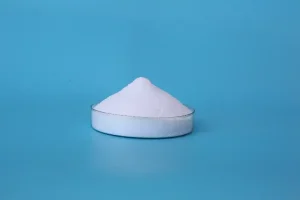
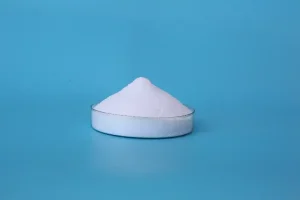
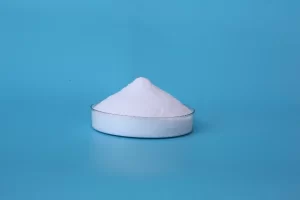
Amphoteric polyacrylamide is a ternary copolymer built from acrylamide, a cationic monomer, and a hydrolyzing agent that introduces anionic sites along the same polymer chain. What distinguishes it from a blend of separate anionic and cationic polymers is structural: both charge types reside on the same backbone, so the polymer coil responds to environmental changes as a single unit rather than as competing species.
In acidic conditions where anionic carboxylate groups protonate and lose charge, the cationic quaternary ammonium sites remain fully ionized and continue bridging. When conditions shift alkaline and metal hydroxides predominate, the anionic sites activate while the cationic groups maintain dispersion stability. The result is a working pH range that commonly spans 3 to 11, depending on the copolymer ratio, far wider than the 6 to 8 window where most single-ionic high molecular weight polymers deliver their rated performance.
The practical implication matters more than the chemistry. A refinery wastewater system processing alternating crude grades does not need to switch polymers between batches. A centralized treatment plant receiving mixed industrial effluent can run one product instead of maintaining separate anionic and cationic inventory. The polymer adapts; the operation does not have to.
Matching Copolymer Composition to Your Wastewater Profile
Not all amphoteric polyacrylamides are interchangeable, and the most common selection error we encounter is treating them as a commodity. The ratio of cationic to anionic monomer, the molecular weight distribution, and the degree of hydrolysis all shift performance in ways that matter at plant scale.
| Wastewater Characteristic | Recommended Copolymer Profile | Rationale |
|---|---|---|
| High oil and grease, moderate TDS | Higher cationic ratio, medium MW | Cationic sites destabilize emulsified oil droplets; medium MW prevents overdosing in viscous streams |
| Heavy metal content, acidic pH | Balanced charge ratio, high MW | Anionic sites capture metal hydroxides; cationic sites prevent re-stabilization; high MW builds large flocs |
| Mixed textile effluent with surfactants | Slightly cationic-biased, broad MW distribution | Broad distribution handles both dissolved and suspended phases; cationic bias counters anionic surfactants |
| Variable pH industrial mixed stream | Near-balanced ratio, ultra-high MW | Maximum flexibility across pH shifts; ultra-high MW compensates for reduced charge density at extremes |
The table above is a starting framework, not a specification. In production we have learned that the copolymer ratio that works on paper often needs adjustment after jar testing with the actual wastewater. A petrochemical client running a dissolved air flotation unit initially specified a 70:30 cationic-to-anionic ratio based on oil content alone. When we tested against their actual effluent, which contained significant iron content from pipe corrosion, the 60:40 ratio produced 22% lower turbidity at the same dosage because the additional anionic sites captured the iron hydroxide colloids more effectively.
If your wastewater contains mixed metal contaminants alongside organic loads, it is worth running jar tests across at least three copolymer ratios before locking in a product specification. Send your water analysis to en*****@***er.com and we can recommend which amphoteric PAM variants to include in your evaluation matrix.
Amphoteric PAM Versus Single-Ionic Polymers: Where the Difference Shows
Cost comparisons between amphoteric polyacrylamide and standard anionic or cationic grades often mislead because they compare price per kilogram rather than cost per cubic meter treated. The relevant metric is total program cost, which includes polymer consumption, sludge handling, pH adjustment chemicals, and operator labor for polymer changeovers.
We have documented cases where an amphoteric PAM replaced a two-polymer alternating program at a centralized treatment facility. The amphoteric product carried roughly a 15% price premium per kilogram over the cationic grade and 25% over the anionic. However, eliminating the second polymer inventory, reducing caustic dosing for pH correction by 40%, and cutting operator changeover time produced net savings of 18% on the total water treatment budget within the first quarter. The polymer cost went up. The program cost went down.
The performance gap widens most dramatically in streams where the contaminant load changes composition, not just concentration. A single-ionic polymer facing a charge reversal event, which happens when an incoming batch carries opposite-charged surfactants or when upstream cleaning cycles introduce dispersants, loses flocculation entirely until operators diagnose the problem and switch products. An amphoteric polymer absorbs the same event and continues working, typically with a modest dosage adjustment. For facilities where wastewater composition changes hourly or daily, that continuity alone justifies the material premium.
Operational Factors That Affect Real-World Amphoteric PAM Performance
Laboratory jar tests establish the theoretical dosage and mixing parameters. Plant performance depends on factors that no bench test fully replicates, and three operational variables account for most performance complaints we investigate.
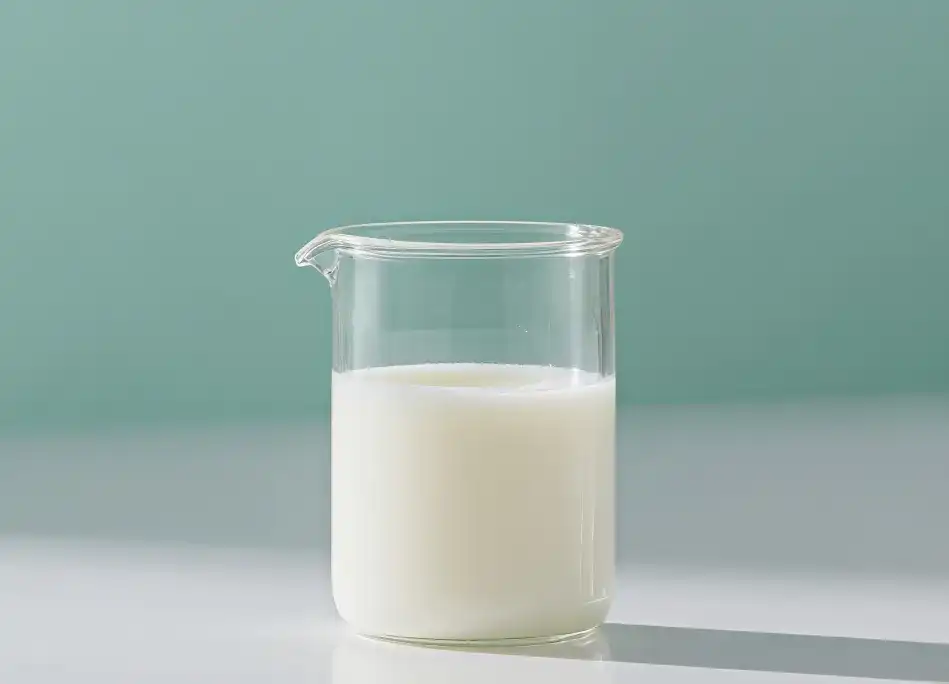
First is make-down water quality. Amphoteric polyacrylamide, whether supplied as dry powder or water-in-oil emulsion, requires clean water for initial dissolution. Dissolved iron above 0.5 mg/L or hardness exceeding 200 mg/L as CaCO₃ can partially crosslink or precipitate the polymer during aging, reducing effective molecular weight before the solution ever reaches the dosing point. Plants drawing make-down water from their own treated effluent sometimes introduce residual coagulants that interfere with polymer activation. We require water quality data alongside wastewater characterization before finalizing a product recommendation.
Second is aging time and shear control. Emulsion amphoteric PAM activates within 5 to 15 minutes under proper mixing, but dry powder grades need 45 to 60 minutes of gentle agitation for full chain extension. Rushing this step or using centrifugal pumps that shear the polymer backbone cuts molecular weight and floc size. A common pattern: a plant reports declining performance over weeks, increases dosage, and the problem worsens. The root cause is usually a partially plugged aging tank eductor or a pump impeller that has been gradually degrading the polymer. The solution is mechanical, not chemical.
Third is post-dosage mixing intensity. Amphoteric polymers form initial flocs quickly, but those flocs are fragile during the first 30 to 60 seconds after formation. High-shear zones immediately downstream of the dosing point, such as in-line static mixers running at excessive velocity or sharp pipe bends, tear flocs apart. The polymer continues working, but the fragmented flocs settle more slowly and carry higher residual turbidity. A simple redistribution of the dosing point or a reduction in mixer energy often recovers 15% to 20% of lost performance without any change to polymer type or dosage.
Sourcing Amphoteric Polyacrylamide: What to Verify Before Committing
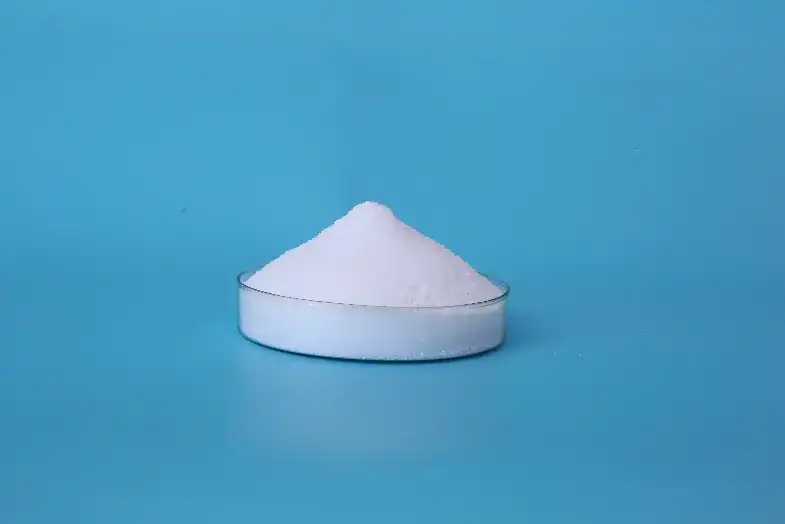
Selecting a supplier for amphoteric polyacrylamide requires verifying more than price and stated specification. The copolymerization process that produces consistent dual-charge polymers is more sensitive to monomer quality and reaction control than single-ionic PAM production, and differences between suppliers show up in batch-to-batch variability that standard specification sheets do not capture.
Cationic monomer source matters first. Some manufacturers purchase cationic monomers from third parties, which introduces supply-chain variability and cost markups. Shandong Nuoer produces its own cationic monomers in-house, which provides direct control over monomer purity and eliminates a common source of batch inconsistency. For amphoteric PAM specifically, monomer purity directly affects the actual versus theoretical charge distribution on the final copolymer, a parameter that jar testing reveals but a typical certificate of analysis may not.
Molecular weight distribution is the second verification point. Two products can report the same average molecular weight on a data sheet while performing differently in practice because one has a narrow distribution and the other includes a significant low-molecular-weight fraction. The low fraction contributes little to bridging flocculation but still consumes dosing capacity. Request gel permeation chromatography data or, at minimum, intrinsic viscosity measurements and ask how the supplier controls the distribution width during polymerization.
The third factor is technical support continuity. Complex water chemistry applications rarely succeed on the first product recommendation. The supplier should be able to provide adjustment guidance based on jar test results and plant data, not simply reship the same grade. With production capacity of 500,000 tons annually across the polyacrylamide range and technical teams supporting programs in more than 60 countries, our approach is to treat the first shipment as the starting point of an optimization cycle, not the end of a sales transaction.
Common Questions About Amphoteric Polyacrylamide in Complex Water
Does amphoteric PAM work in water with very high salinity?
It depends on the salinity source and concentration. In produced water with NaCl above 50,000 mg/L, the polymer coil compresses due to charge shielding, reducing the effective hydrodynamic radius regardless of the copolymer ionic character. Amphoteric PAM still outperforms single-ionic grades in these conditions because the dual charges preserve some bridging capacity even as the coil contracts, but performance drops measurably above 100,000 mg/L TDS. For brine applications, we typically recommend a higher molecular weight grade with increased cationic monomer content to compensate for the shielding effect.
Can I mix amphoteric PAM with inorganic coagulants?
The misconception is that dual-charge polymers do not need coagulant support. In practice, amphoteric PAM works well with polyaluminum chloride or ferric chloride as a primary coagulant, especially in streams with high colloidal loading where charge neutralization is the rate-limiting step. The polymer handles the bridging and floc growth after the coagulant destabilizes the colloids. The combination often reduces total chemical cost because the coagulant demand drops when the polymer provides charge contribution. The one caution: avoid simultaneous dosing at the same injection point, which can cause premature floc formation and line fouling.
How stable is amphoteric polyacrylamide in storage?
Dry powder amphoteric PAM stored in sealed packaging at temperatures below 40°C maintains specification for 12 to 24 months, comparable to standard anionic and cationic PAM grades. Emulsion grades have a typical shelf life of 6 months under cool, dark storage. The dual-charge structure does not introduce additional degradation pathways. What does shorten shelf life predictably is moisture ingress into opened powder bags, which causes partial hydration and clumping that makes uniform dissolution difficult. We recommend consuming opened packaging within 30 days or transferring to airtight storage.
Is amphoteric PAM more difficult to dissolve than single-ionic grades?
Not in our production experience. The dissolution rate for dry amphoteric PAM is comparable to anionic PAM of similar molecular weight, typically 45 to 60 minutes for full activation at 0.5% concentration with adequate mixing. Emulsion amphoteric grades activate faster, usually within 5 to 15 minutes, similar to other W/O emulsion PAM products. The factor that matters more than ionic type is particle size distribution in dry grades: finer particles hydrate faster but are more prone to fisheye formation if added too quickly. Follow the same make-down procedures you would use for any high molecular weight polyacrylamide.
What documentation is available for regulatory compliance?
The documentation package should match your end use and jurisdiction. For industrial wastewater treatment applications, we provide REACH registration documentation for EU markets, a safety data sheet compliant with GHS Revision 8, and a certificate of analysis per production batch. Residual acrylamide monomer content for our amphoteric grades is controlled below 0.05%, well under standard regulatory thresholds. If your application requires additional testing, such as specific migration limits or food-contact-related certifications, share your requirements at en*****@***er.com or call +86-532-66712876 and we will confirm what documentation we can provide for your specific regulatory framework.
If you’re interested, check out these related articles:
Anionic Polyacrylamide: Advancing Enhanced Oil Recovery Strategies
Amphoteric Polyacrylamide: Powder vs Emulsion Performance
Acrylic Acid Cost Analysis for Superabsorbent Polymer Production
Acrylamide Solution Factory: Polymer Production Excellence
Amphoteric PAM: Cost-Performance Balance for Industrial Flocculation


 English
 Russian
 Arabic
 Spanish