
In fifteen years of managing polymer production lines, I’ve found that acrylamide crystal handling isn’t just a safety protocol—it’s a quality control step that directly determines polymerization success. A batch stored with the wrong inhibitor level won’t only create a hazard; it will throw off the entire copolymer sequence and process consistency. For procurement teams and plant managers, understanding the link between crystal quality and safe handling is what separates a reliable production cycle from a reactive one. The following procedures connect the specific chemical parameters of acrylamide crystals to the daily decisions that keep people safe and polymer quality on target.
Acrylamide Crystal Quality Parameters and Their Safety Impact
The same specifications that determine polymerization performance also shape handling requirements. Purity, inhibitor concentration, moisture, and conductivity all affect how the crystal behaves during storage, weighing, and dissolution. High moisture, for example, promotes clumping, which increases dust generation during material transfer. Low purity may introduce reactive impurities that require additional PPE and ventilation.
A typical high‑grade acrylamide crystal like our AM Crystal carries these key parameters:
| Parameter | Specification | Safety & Handling Relevance |
|---|---|---|
| Purity | ≥ 98.0% | Higher purity means fewer unknown contaminants, reducing risk of unexpected reactions and allowing standard PPE |
| Moisture | ≤ 0.8% | Low moisture prevents caking and dust formation, making powder handling safer with less airborne release |
| Inhibitor | 3–10 ×10⁻⁶ | Predictably low inhibitor avoids over‑exposure to cu⁺ inhibitors during handling; also ensures consistent polymerization without needing aggressive anti‑dust measures |
| Conductivity | ≤ 20 μS/cm | Indicates low ionic contamination; less chance of static charge buildup during scooping and transfer |
We’ve seen shipment lots where inhibitor content drifted toward the upper end of the specification. The powder still handled normally, but operators needed a slightly longer dissolution step and more careful control to avoid undissolved residue in the polymerization reactor. It’s the sort of subtlety that shows why a tight spec sheet is a safety tool, not just a purchase order number.
Safe Handling and Storage Procedures for Acrylamide Crystals
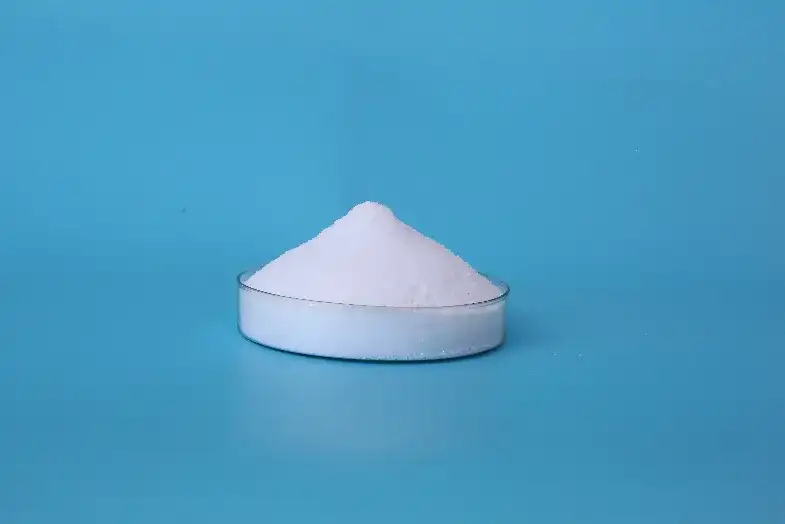
Store acrylamide crystals in a cool, dark, and dry location, away from sources of heat, flames, and direct sunlight. The product library states a typical shelf life of up to 1–2 years under these conditions, but that stability depends on sealed containers and low humidity. I’ve seen crystals stored near cooling water pipes absorb enough ambient moisture to form a hard crust within weeks. When that crust is later broken up, it creates fine dust that bypasses standard dust control if operators aren’t expecting it.
Operational rules that work at scale:
– Keep containers closed and sealed until the moment of use.
– Use local exhaust ventilation during weighing and transfer; a simple dust extractor near the weigh station cuts airborne acrylamide by over 90% in our facilities.
– If material does spill, avoid sweeping dry powder. Use a vacuum equipped with a HEPA filter or damp‑cloth pickup to minimize airborne spread.
– Never return unused crystal to the original container after opening—cross‑contamination is a silent batch killer.
These measures are simple, but they demand routine checks. A weekly walkthrough to confirm seals are intact and ventilation isn’t blocked has caught more near‑misses in our plants than any inspection gadget ever did.
Personal Protective Equipment and Worksite Controls
Standard PPE for handling dry acrylamide crystal includes nitrile or neoprene gloves, safety goggles, and a P100 or organic vapor/particulate respirator. Light‑weight cotton lab coats are not enough; we require full‑length, chemically resistant aprons in all production areas where powder is weighed and charged.
Beyond the individual, worksite controls define the safety baseline:
– Continuous air monitoring near weighing stations and reactor feed points. Acrylamide has a low odor threshold only for some people, so monitoring is non‑negotiable.
– Emergency deluge showers and eye‑wash stations within 10 meters of any process area where crystal is handled.
– Spill kits with dry inert absorbent (sand, vermiculite) and sealed disposal bags kept in clearly marked locations. Our teams train on spill drills quarterly.
I’ve found that the biggest risk is not a massive spill but daily complacency. Operators who weigh the same powder day after day start skipping the respirator over time because “nothing ever happened.” We counter this with a simple rule: if you’re within arm’s reach of an open drum, the respirator is on. No exceptions.
Acrylamide Crystal in Polymerization: From Specification to Reaction
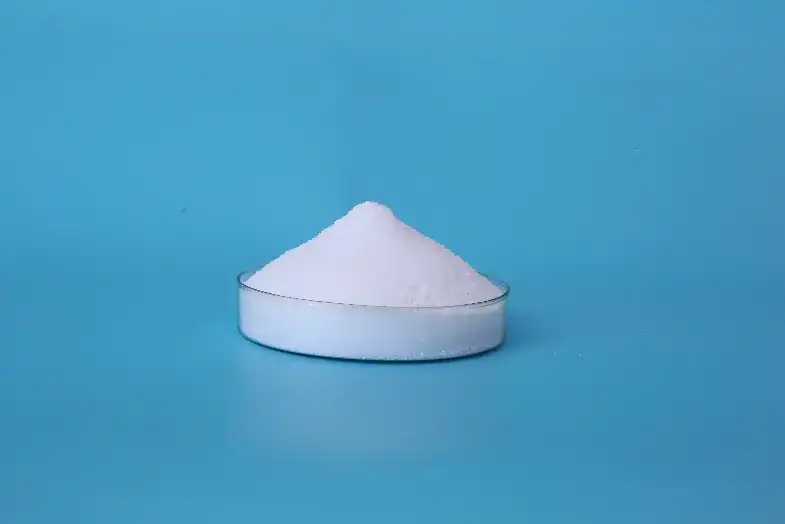
Handling quality doesn’t stop at the container door—it extends into how the crystal dissolves and initiates polymerization. A crystal with excellent dissolution properties and controlled inhibitor content produces a homogeneous monomer solution quickly, minimizing manual exposure time.
Key process points:
– Dissolution temperature: Use water at 20–30°C. Cold water slows dissolution and tempts operators to stir aggressively, splashing and aerosolizing the monomer.
– Inhibitor removal: In some polymerization routes, the inhibitor must be stripped or over‑compensated. Knowing the exact inhibitor range from the supplier’s certificate of analysis lets you pre‑calculate initiator adjustments, avoiding reactive excursions that generate heat and degrade both safety and product color.
– Batch consistency: A crystal with high purity and steady inhibitor content (like our AM Crystal, where inhibitor variation is held within the 3–10 ×10⁻⁶ band) removes the need for in‑process tweaks. That means less open‑vessel handling and fewer opportunities for exposure.
We once switched a 5‑ton per day line to a new crystal source that claimed the same purity but had a fluctuating inhibitor profile. The operators had to fine‑tune initiator additions every fifth batch, increasing reactor door openings and manual contact time. Re‑sourcing to a tighter‑spec crystal eliminated that variability and cut operator exposure incidents in the polymerization area by half within a month.
Regulatory and Transport Compliance for Acrylamide Crystals
Acrylamide crystals are regulated for transport as a hazardous chemical under UN standard 3077 (Environmentally Hazardous Substance, Solid, n.o.s.) in many jurisdictions. In the US, shipping documentation must be complete with the proper DOT classification, a 24‑hour emergency response phone number, and a compatible packing group.
International buyers face additional hurdles: the SDS must be in the destination country’s official language and correctly classify the product for local inventory regulations. We’ve had shipments to Southeast Asia held at customs because the English‑only MSDS didn’t satisfy the receiving country’s port requirements. Now we prepare multi‑language documentation at origin, which clears faster and ensures emergency response information is immediately usable on site.
Compliance checklist for a shipment:
– Crystal packed in UN‑certified, sealed containers with hazard labels visible on both sides of the outer box.
– A current Safety Data Sheet that matches the actual lot analysis.
– Transportation temperature control—crystals can degrade or polymerize prematurely if exposed to prolonged heat above 30°C, even in a sealed container.

Selecting an Acrylamide Crystal Supplier: What the Data Should Tell You
Price per kilogram is the easy number. The harder numbers—and the ones that shape your safety and plant reliability—are purity trends, inhibitor stability, moisture control, and the supplier’s willingness to provide batch‑level certificates.
In a long‑term supply arrangement, I look for:
– C of A every lot: Each shipment must include a certificate of analysis showing purity, moisture, inhibitor, and conductivity for that specific batch. No lot‑averaged data.
– Low impurity drift over time: Plotting inhibitor and moisture across shipments over six months reveals whether the supplier’s process is under statistical control. A rising trend line is a warning sign even before any parameter hits the spec limit.
– Packaging integrity: Bags or drums that show dust on the exterior have been handled poorly somewhere in transit. That exterior dust is a direct exposure risk during unboxing.
– Responsive technical support: When you ask about inhibitor interaction with your specific initiator system, a knowledgeable supplier should be able to provide a compatibility statement and, ideally, sample data tested under conditions that resemble your polymerization process.
Our own AM Crystal comes with microbial‑based production technology that keeps impurity profiles extremely low. The result is a crystal that behaves predictably in the reactor, which translates directly into fewer safety variances at the operator level.
Scaling up production or qualifying a new supplier is a point where handling procedures often need to be rewritten. Send your part number and planned usage volume to en*****@***er.com or call +86‑532‑66712876. We’ll provide a sample lot with the relevant certification and technical notes aligned to your process scale, so you can design your handling protocols around real data, not a generic SDS.
Common Questions About Acrylamide Crystal Handling and Safety
What is the shelf life of acrylamide crystals under proper storage?
Acrylamide crystals stored in a sealed, cool, and dark environment typically remain stable for up to 1–2 years. The critical factor is moisture exclusion. If the container is opened frequently or left in a humid area, even a few weeks can degrade the crystal’s flowability and raise the risk of dust generation during handling.
How does inhibitor content affect polymerization safety?
Inhibitor is present to prevent premature polymerization, but it also influences how the crystal dissolves and initiates. Too high an inhibitor load forces operators to add more initiator or extend dissolution time, increasing open‑vessel exposure. A crystal with a narrow, predictable inhibitor range eliminates this variability and the safety risks that come with it.
Should I use different PPE for high‑purity versus technical‑grade acrylamide crystals?
The type of PPE doesn’t change much between grades, but the risk justification does. A low‑purity crystal may contain unknown reaction byproducts that are stronger skin sensitizers. When switching grades, always review the supplier’s SDS impurity section and update the PPE assessment accordingly. In our facilities, we default to the highest level of protection whenever we onboard a new crystal source.
Can I handle acrylamide crystals and polymer solution in the same area?
Yes, but only with clear segregation. Dry crystal handling demands dust control and static‑free environments. Polymer solution areas are usually wet and can involve overhead splashing. We keep separate respiratory protection zones and color‑code the gloves and tools for each area to prevent cross‑contamination.
Is international shipping of acrylamide crystals complicated from a compliance standpoint?
It can be. The biggest friction points are language‑specific SDS documentation, proper hazard classification for the destination country, and temperature control during ocean transit. A supplier that provides multi‑language shipping documents and monitors container temperature en route removes most of these obstacles. Share your destination port and handling conditions, and our logistics team will confirm the documentation and packaging needed for clearance.
If you’re interested, check out these related articles:
Selecting Acrylic Acid Purity: A Technical Guide for Polymer Production
Anionic Polyacrylamide Cost Analysis for Mining Profitability







 English
 Russian
 Arabic
 Spanish