
Continuous polymerization plants producing polyacrylamide manage a choice that shapes operating costs, product consistency, and workplace safety every shift: whether to feed acrylamide in crystal form or as a ready‑to‑meter aqueous solution. Where large-scale, nonstop production is the norm, acrylamide aqueous solutions increasingly replace dry monomer because they strip out dissolution steps, deliver tight lot‑to‑lot uniformity, and cut manual intervention. Drawing on over fifteen years of polymer manufacturing and global market experience, this article examines the two monomer forms across purity, process integration, handling economics, and long‑term reliability so production managers can anchor sourcing decisions in operational reality rather than supplier claims.
How Acrylamide Form Affects Continuous Polymerization
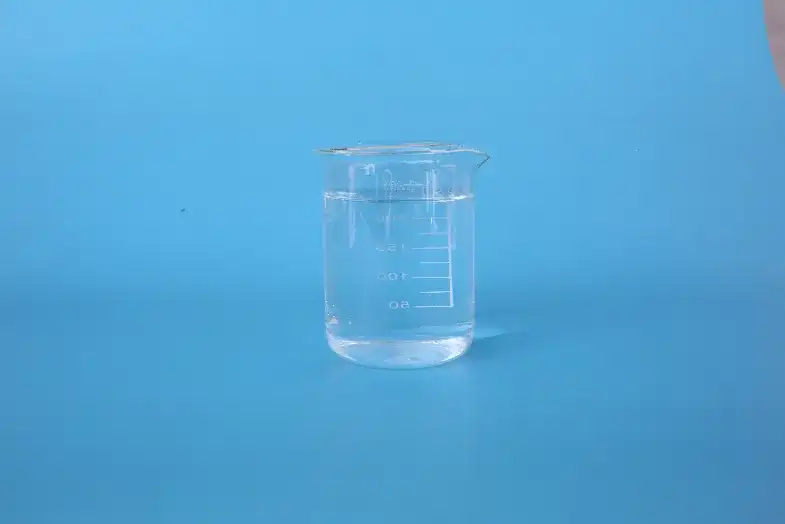
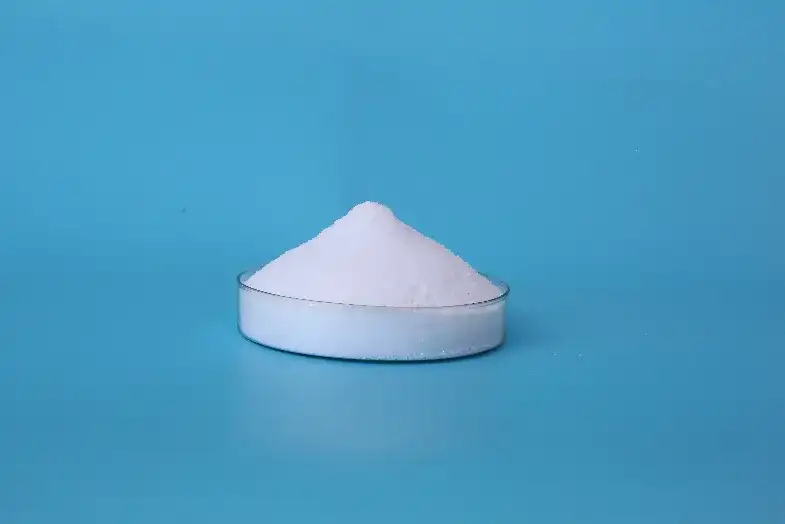
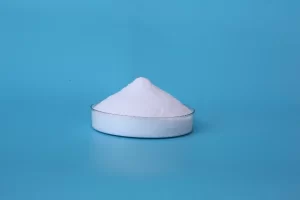
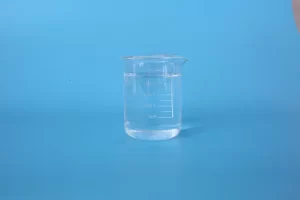
Acrylamide monomer reaches the reactor either as a free‑flowing white crystal or as a pre‑dissolved aqueous solution with concentrations that typically range from 28 % to 52 %. For batch processing, operators can tolerate the time and energy required to dissolve crystals, adjust pH, and verify concentration before charging the kettle. A continuous polymerization line, however, consumes monomer at a steady, predictable rate that rarely aligns with dissolve‑and‑wait workflows. In our own production planning, we found that a line running polyacrylamide synthesis with a crystal feed needed an extra dissolution‑buffer station and still suffered occasional concentration drift – a drift that directly altered copolymer composition and molecular weight reproducibility. Switching a continuous reactor from crystal to a pre‑formulated solution eliminates that variable: the concentration is verified at the manufacturing plant, the solution arrives ready to meter, and the reactor sees exactly the same acrylamide input hour after hour.
Purity and Impurity Control Decided at the Monomer Source
Crystal acrylamide can be manufactured to high purity – often ≥ 98 % – but its impurity profile depends heavily on the original production route and on post‑crystallization handling. Aqueous solutions produced through advanced microbial acrylonitrile bioconversion – the technology our company has integrated into its 300,000‑ton‑per‑year acrylamide capacity – deliver not only high acrylamide content but also exceptionally low levels of acrylonitrile, acrylic acid, and conductivity‑causing salts. Typical solution specifications for continuous production lines include acrylonitrile ≤ 0.1 %, acrylic acid ≤ 0.3 %, pH 7.0–9.0, and conductivity between 5 μS/cm and 30 μS/cm depending on grade. These low impurity ceilings are difficult to match with re‑dissolved crystal because dissolution water, tank residues, and suspended fines introduce additional ionic species that can catalyze unwanted side reactions or change polymerization kinetics. When a polyacrylamide plant aims for narrow molecular weight distribution in every ton, starting with a monomer of consistent, documented ionic purity is a more controllable path than chasing variations that originate at the dissolving tank.
Handling, Storage, and the Realities of Continuous Plant Logistics
Aqueous acrylamide solutions simplify day‑to‑day handling in a busy production environment. Metering pumps draw directly from storage tanks, bypassing the dust exposure, sieving, and weighing steps associated with dry crystal. Because the monomer stays in solution, there is no re‑crystallization inside feed lines, no blockages from ambient moisture pickup, and a lower risk of localized high‑concentration hot spots that can trigger premature polymerization. The trade‑off is that solutions occupy more storage volume per active kilogram of monomer and must be kept under inhibitor protection with temperatures below approximately 25 °C. In our experience, a well‑designed storage area with recirculation and temperature monitoring handles these concerns without adding operator burden. We have also seen that transport costs, which initially appear higher for solution because of water carriage, are partly offset by the elimination of on‑site dissolution labor, dissolution heating, and the quality‑control labour tied to checking every crystal batch.
Economic Comparison for High‑Throughput Operations
A procurement decision that looks only at monomer price per dry kilogram misses the larger cost structure of a continuous polymer plant. The table below consolidates key cost and process factors for crystal versus aqueous solution acrylamide under typical continuous operating conditions.
| Factor | Acrylamide Crystal | Aqueous Solution (40–50 %) |
|---|---|---|
| Unit price (per active kg) | Lower on invoice | Slightly higher on invoice |
| On‑site dissolution | Required, with steam/energy | Eliminated |
| Labour and QC per batch | Higher (sampling, weighing) | Lower (metered dosing) |
| Feed consistency | Batch‑to‑batch variation possible | Uniform, source‑certified |
| Process downtime risk | Elevated if dissolution fails | Reduced; direct feed |
| Transport weight | Lower (dry product) | Higher (water included) |
| Total cost of ownership | Labour and energy push it up | Often lower when fully loaded |
Plants running multiple shifts with limited maintenance windows find that the dissolved, pre‑verified solution format reduces operator touchpoints and allows a leaner production team. Our customers who switched from crystal to solution on continuous lines typically report a smoother startup after maintenance, fewer off‑spec polymer lots, and an ability to run the reactor commissioning procedure faster.
Matching Solution Grade to Production Scale and Geography
Selecting an acrylamide solution for continuous production is not simply a matter of picking the highest concentration available. Operations close to the monomer supplier can comfortably receive 38–42 % concentrations and store them for weeks before use, whereas plants in hot climates or those with longer shipping times may prefer 48–52 % solutions to minimize freight water and to reduce the absolute storage volume per kilogram of active monomer. The inhibitor package must be matched to the expected storage interval and ambient temperature profile; solutions stored past six months need a controlled inhibitor replenishment schedule to avoid spontaneous polymerization risk. A producer with a global supply network – the model we operate, with production, sales, and after‑sales service in more than 60 countries – can often consolidate solution orders for multiple plant locations and negotiate logistics efficiency that makes the solution cost advantage clearer. Before finalizing a concentration selection, buyers should model the full chain from tank‑truck delivery through reactor injection, including pump sizing, piping diameter, and dilution water supply, because a concentration that looks economical on paper can become operationally expensive if it forces a complete line re‑design.
What Continuous Production Buyers Ask About Acrylamide Solutions
Is an aqueous solution less pure than high‑grade crystal acrylamide?
Not when the solution is produced by modern microbial technology. Many crystal grades carry traces of recrystallization solvents or degradation products formed during drying. A well‑made solution can exhibit lower conductivity and fewer organic impurities, making it a cleaner feedstock for sensitive copolymer formulations.
How long does a 40 % acrylamide solution remain stable?
Stability depends on inhibitor concentration and storage temperature. Under cool (<25 °C), dark, and properly inhibited conditions, typical shelf life is six to twelve months. For long‑term storage, the inhibitor level must be monitored and, if necessary, replenished. We advise quarterly sampling to confirm pH and inhibitor activity remain within specification.
Does shifting to solution form require significant plant retrofitting?
Most facilities can integrate a solution feed with modest modifications: a tank with recirculation, a metering pump, and a flow‑meter loop. Plants already handling liquid raw materials often find the changeover straightforward. Where major piping changes seem unavoidable, it is worth commissioning a process review to confirm whether a lower concentration solution could use existing liquid‑handling infrastructure, avoiding expensive tank replacements.
What if my production fluctuates seasonally – does solution still make sense?
Fluctuating throughput does not automatically rule out solution, but it changes the storage‑capacity calculation. A plant that idles for months may see inhibitor depletion unless the tank is nitrogen‑blanketed or actively managed. In such cases, a hybrid approach – using solution during peak months and crystal as a backup – can balance cash flow and uptime. If your production pattern is seasonal, it is worth confirming the available solution concentration options and the minimum stable order volume before committing to a single feed format.
Deciding to run continuous polyacrylamide production on acrylamide solution is less a question of chemistry and more one of operational design. Where uptime, batch‑to‑batch precision, and reduced manual handling matter, the pre‑dissolved format eliminates headaches that crystal feeds introduce, and the total cost story often flips once labour, quality, and downtime are honestly accounted. We help polyacrylamide manufacturers and water‑treatment chemical producers across more than 60 countries evaluate whether solution‑based monomer fits their capacity expansion plans. If you are scaling up a continuous line, share your target throughput, storage conditions, and current monomer handling setup with us at en*****@***er.com or call +86‑532‑66712876, and our production team will outline a concentration and logistics model matched to your operation.
If you’re interested, check out these related articles:
50% vs 40% Acrylamide Solution Industrial Selection Guide
Acrylic Acid Price for Super Absorbent Polymer: Optimize Procurement
Acrylic Acid Cost Analysis for Superabsorbent Polymer Production
Acrylamide Monomer Storage Stability: A Comparative Guide




 English
 Russian
 Arabic
 Spanish