
Acrylamide monomer purity levels determine whether a polymerization batch holds its molecular weight target or drifts into off-spec product that fails downstream audits. Buyers comparing 98 percent crystal, higher purity grades, and 50 percent aqueous solution often fixate on the assay figure while underweighting conductivity, iron, and inhibitor balance. In our production planning, we treat purity as a process variable, not a grade label. The practical question is not which grade is best in general, but which impurity profile fits the polymerization method and the registration requirements of the target market.
Acrylamide Monomer Purity Levels and What They Actually Describe
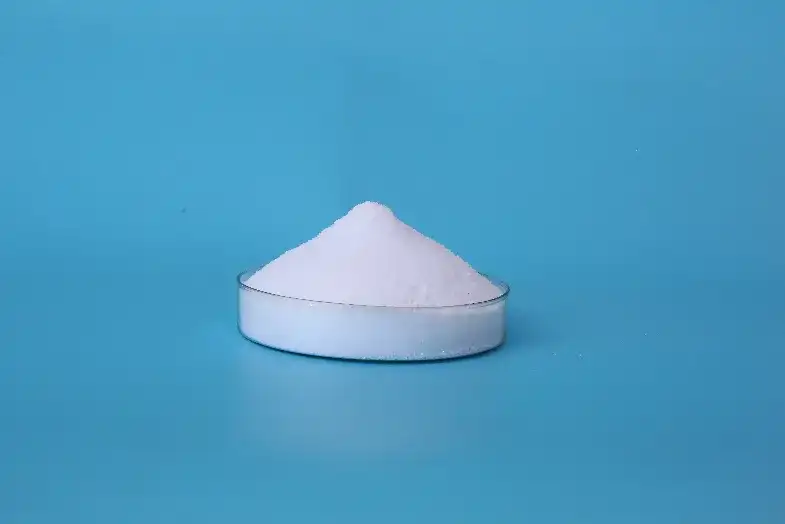
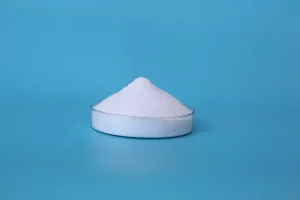
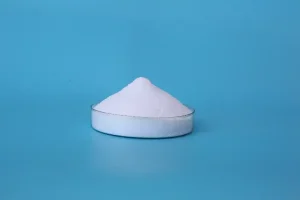
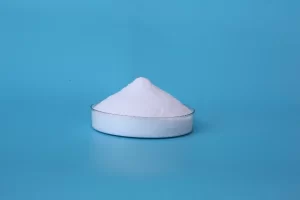
Acrylamide monomer purity levels are not a single assay value. On a certificate of analysis, total acrylamide content is the headline result, but the values that control polymerization stability include free acrylonitrile, free acrylic acid, moisture, conductivity, iron, color, and inhibitor loading. Two shipments can carry the same assay and still behave differently under redox initiation if one carries more ionic contamination or more retained water. For AM Crystal, our specification lists purity at 98.0 percent or higher, moisture at 0.8 percent or lower, pH from 6.5 to 7.5 at 10 g/L, inhibitor from 3 to 10 ppm, color at 10 or lower, conductivity at 20 μS/cm or lower, and iron at 1 ppm or lower. Those secondary values explain batch-to-batch polymerization reproducibility better than the assay alone.
Technical Grade and High Purity Acrylamide Monomer Compared
Technical grade and high purity are buying categories more than fixed chemistry standards. The difference shows up in how many secondary parameters a supplier tightens and documents. A technical grade acrylamide monomer may meet a minimum assay while permitting broader variation in conductivity, acrylonitrile, or color. A high purity grade holds these values closer to a defined upper limit, which matters when a downstream polyacrylamide must meet low residual monomer or low gel requirements. In our production system, the relevant comparison is not just the label but the full parameter window.
| Parameter | AM Crystal | AM Aqueous Solution |
|---|---|---|
| Acrylamide content | 98.0 percent or higher | 28 to 30 percent, 38 to 42 percent, or 48 to 52 percent |
| Conductivity | 20 μS/cm or lower | 5 to 30 μS/cm by grade |
| pH | 6.5 to 7.5 at 10 g/L | 7.0 to 9.0 |
| Inhibitor | 3 to 10 ppm | 0 to 100 ppm |
| Iron and moisture | Iron 1 ppm or lower; moisture 0.8 percent or lower | Iron not specified; aqueous form |
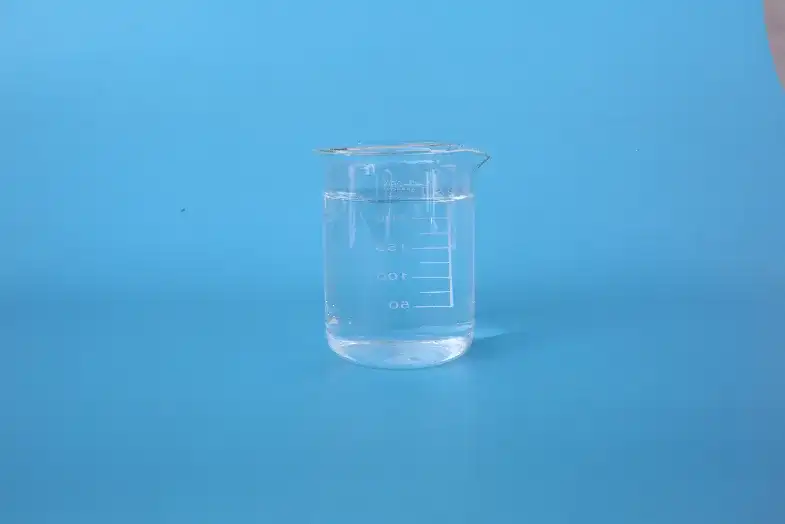
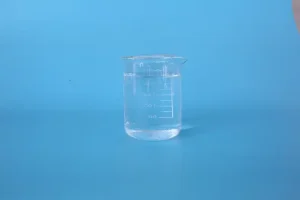
Solution grades shift the tradeoff toward logistics and dosing convenience, but they also widen the inhibitor range. Crystal material gives more direct control over iron and moisture, which is why many high molecular weight polyacrylamide lines use crystal monomer. AM Aqueous Solution is the practical choice when polymerization occurs in continuous aqueous processing.
If your process runs persulfate or redox initiation with a narrow molecular weight window, confirm conductivity and iron against your reactor feed limit before fixing the specification. Send your current COA and process limits to en*****@***er.com for a comparison against our production parameters.
Impurity Specifications That Shape Polymerization Performance
Assay is the easiest parameter to compare and the least useful for predicting performance. The impurities that actually shift polymerization are often present in parts per million.
Conductivity and Ionic Contaminants
Conductivity measures dissolved ionic species that interfere with initiator efficiency and polymer solubility. High conductivity can consume initiator radicals, broaden molecular weight distribution, and make the final polyacrylamide less effective as a flocculant. We prioritize conductivity and iron above a marginal assay difference when approving a monomer source for higher molecular weight emulsion or powder lines.
Acrylonitrile and Free Acrylic Acid
Acrylonitrile and free acrylic acid are process residues. They can act as chain transfer agents, reducing final molecular weight, or create color and odor issues in the finished polymer. For our AM Crystal, iron is held at 1 ppm or lower, and the aqueous solution specification lists acrylonitrile at 0.1 percent or lower and acrylic acid at 0.3 percent or lower. These limits matter more for regulated applications than a one percent swing in assay.
Inhibitor and Moisture Drift
Inhibitor loading must be high enough to stabilize the monomer during transport and storage but low enough not to slow polymerization start. Crystal material at 3 to 10 ppm inhibitor and moisture at 0.8 percent or lower keeps induction periods predictable. Aqueous grades range from 0 to 100 ppm inhibitor, so buyers should match the level to their storage time and reactor feed system.
Matching Acrylamide Monomer Grade to Your Process and Market
Acrylamide monomer grade should follow the polymerization route and the final customer specification, not the purchasing department’s preference for a lower price. Gel polymerization and high molecular weight powder lines generally favor crystal monomer because of tighter moisture and iron control. Emulsion and continuous aqueous processes often run on acrylamide solution because it eliminates dissolution time and simplifies feeding. The decision also carries a regulatory dimension: if the finished polymer is sold into drinking water, food contact, or hygiene applications, residual acrylonitrile, acrylic acid, and inhibitor documentation must be available for the target market.
Buyers should request a full certificate of analysis, a product specification sheet, and a clear statement of allowable tolerance. A supplier that lists only assay is not giving enough information to manage polymerization risk across a long supply chain. At volume scale, inconsistent monomer quality shows up silently as lower molecular weight batches, higher gel content, or polymer that fails a customer residual monomer test.
Preorder Acrylamide Monomer Specification Review
Comparing acrylamide monomer purity levels across suppliers is slow when every lab report uses a different format. We see this repeatedly when buyers inherit a historical specification and must match it against new production capacity. The faster path is to send the values that actually control your process.
Shandong Nuoer Biological Technology produces acrylamide, polyacrylamide, and related monomers at industrial scale, with current annual acrylamide capacity of 300,000 tons. If your program needs a specific assay, inhibitor window, conductivity limit, or documentation package, send the target specification, monthly volume, and delivery region to en*****@***er.com or call +86-532-66712876. We will confirm fit against our production parameters and return a supply plan tied to your operating window.
Common Questions About Acrylamide Monomer Purity
Does higher acrylamide monomer purity always mean better polymerization?
A high assay number can mask an unstable monomer. Many buyers confuse assay with quality, then wonder why one higher assay lot behaves worse than a 98 percent lot. Higher acrylamide monomer purity pays off when downstream limits require low residual monomer or when the polymer must pass strict color and odor limits. But if conductivity is high, iron is uncontrolled, or inhibitor loading is excessive, the extra assay points do not deliver better polymerization. The full impurity profile matters more than the headline number, so procurement should compare secondary parameters before paying a premium for assay alone.
What is the practical difference between AM crystal and AM aqueous solution?
AM crystal and AM aqueous solution differ mainly in processing and impurity control. Crystal acrylamide simplifies moisture and iron control and is easier to store in solid form. Aqueous solution removes dissolution time and works well in continuous reactor systems, but it adds water to the process and may use higher inhibitor levels to remain stable. Aqueous grades are commonly supplied at 28 to 52 percent acrylamide content, while crystal is sold at 98 percent or higher. The better option depends on whether your line is batch gel polymerization, emulsion production, or continuous aqueous processing, and on how far the material must travel.
Which impurity should I check first when comparing acrylamide monomer suppliers?
It depends on what your reactor is most sensitive to, but conductivity and iron come before assay. These two parameters separate suppliers that control manufacturing from those that blend or repackage. High conductivity indicates ionic contamination that can interfere with redox initiation, while iron can catalyze side reactions and color formation. Free acrylonitrile and acrylic acid follow next because they affect molecular weight and regulatory limits. The assay should be the last figure evaluated, not the first, because most suppliers will clear a minimum assay while fewer hold secondary values tightly across repeated batches.
Why does inhibitor content vary between acrylamide monomer grades?
In our production planning, inhibitor content follows storage life and monomer form. Crystal remains stable at 3 to 10 ppm because the solid state reduces polymerization risk. Aqueous grades may use 0 to 100 ppm depending on concentration and transport duration. Too little inhibitor risks premature polymerization during shipment; too much extends induction time and can lower conversion. The correct level is not one number but a match between storage conditions, production rate, and reactor startup time. If your plant holds monomer longer than thirty days or receives supply through warm climate routes, confirm the inhibitor ceiling before ordering. Share your route and storage time with our team and we will confirm the appropriate specification for your supply chain.
If you’re interested, check out these related articles:
Acrylamide Crystal Purity for Large-Scale Polymer Synthesis
Non-Ionic PAM Performance: pH Effects on Flocculation Efficiency
Leading Acrylamide Crystal Supplier for Polyacrylamide Manufacturing
Optimizing Emulsion Polyacrylamide for Remote Site Water Solutions
Acrylamide Aqueous Solution: Factory Direct Purity & Supply


 English
 Russian
 Arabic
 Spanish