
Amphoteric polyacrylamide selection goes wrong when buyers treat it as a single grade question. The polymer chain carries both positive and negative charge, so the right product depends on how those charges interact with a specific wastewater, not on a brochure comparison. In fifteen years of polyacrylamide manufacturing and international sales, I have watched plants buy a high charge grade, overdose it in mixed effluent, and then blame the chemistry when belt press filtrate turns cloudy. The selection sequence we use with customers covers wastewater characterization, charge balance testing, molecular weight matching, handling requirements, and supplier verification.
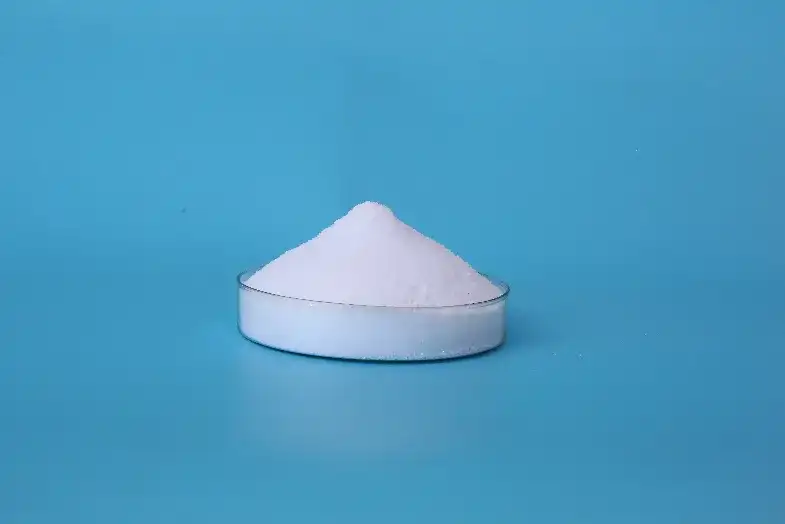
Wastewater Characterization Comes Before Any Amphoteric Polyacrylamide Selection
The first mistake in amphoteric polyacrylamide selection is treating it as a polymer choice instead of a wastewater choice. An amphoteric grade carries both positive and negative functional groups on the same chain. That structure is useful only when the wastewater has competing charges that would each neutralize a single charge type. In oil refinery wastewater, emulsified oil carries a negative surface charge while some dissolved metals and polymer residues carry positive charges. In dye wastewater, sulfonated dyes shift the charge balance as pH changes. In metal processing effluent, cutting fluids, metal ions, and pH adjustment chemicals arrive in the same stream and pull the effective charge in different directions.
Start by characterising the stream over a full production cycle, not from one grab sample. Collect pH range, conductivity, temperature, suspended solids, oil and grease, and the ratio of biological to mineral solids. A refinery effluent may look stable at pH 7 in the lab and then swing to pH 4 during a tank cleanout. A textile plant may run alkaline in the morning and acidic after a color change. If the pH range is wider than about three units in normal operation, or the conductivity shifts by more than a few thousand microsiemens, the engineering team should look at an amphoteric grade rather than a blend of anionic and cationic polymers.
Why does variable pH break standard cationic or anionic polymers?
Anionic polyacrylamide depends on negatively charged carboxylate groups to bridge suspended solids. In acidic water, those groups accept protons and lose charge, so the chain folds and fewer sites remain available for adsorption. Cationic polyacrylamide depends on positively charged quaternary ammonium groups. In alkaline water, hydroxide ions and dissolved anions compete for those sites, which weakens flocculation. A shift in pH does not just change dosage; it changes the effective charge density of the polymer. Amphoteric polyacrylamide reduces that failure mode because both charge types are present on the same backbone. One charge group can hold a negatively charged particle while another group interacts with a positive surface or a metal ion. The selection question is not whether an amphoteric product can work, but which ratio of cationic to anionic groups matches the dominant charge in the stream.
What wastewater data should you sample before screening grades?
Before running jar tests, collect six pieces of data. First, measure pH, conductivity, and temperature at the point where the polymer will be dosed. Second, measure total suspended solids and volatile suspended solids. Third, separate free oil, emulsified oil, and dissolved organics if the stream contains hydrocarbons. Fourth, record the current polymer type, dosage, and dewatering equipment settings. Fifth, note the target sludge moisture and the acceptable range. Sixth, take samples across three shifts and at least one upset condition. Without this data, a supplier can only offer a standard grade, and a standard grade is a guess when the stream composition changes. We use the same data set when we screen amphoteric grades for customers.
Charge Balance Testing Narrows the Field
Once the stream data is on the table, the next step is a jar test that measures charge demand, not just visual floc size. A buyer can be misled by a fast forming floc that later breaks under shear or settles poorly. In a variable stream, the floc that forms fastest is often the one built with excess charge. It captures solids quickly at the expense of sludge structure.
How is ionic degree measured and verified?
Charge density in amphoteric polyacrylamide is usually stated as ionic degree or as milliequivalents per gram. The supplier should report both the total charge and the ratio of cationic to anionic segments. A certificate of analysis that shows only amphoteric is incomplete. In our production records, the copolymerization of cationic monomers, acrylamide, and a hydrolyzing agent is adjusted batch by batch. We verify the charge ratio by colloid titration and record the dissolution time and residual monomer for each lot. A buyer should ask for the same data on the exact shipment, not on a brochure sample.
A metal processing plant I worked with ran a high charge density amphoteric polyacrylamide on an effluent with high conductivity. The first jar test produced large flocs in seconds, so the plant increased the dosage to match visual performance. On the belt press, the sludge blinded the belt because the floc held too much bound water. The issue was not the polymer quality. High conductivity had already compressed the electrical double layer, and the extra charge made the floc dense and sticky. When we moved the selection to a lower charge ratio with a higher molecular weight, filtrate clarity improved and the belt speed came back up. This is why jar tests must include free drainage and filtrate clarity, not just floc size.
Molecular Weight Must Match Your Dewatering Equipment
Molecular weight controls how long the polymer bridge stretches between particles. A low molecular weight grade adsorbs onto more particles with less floc volume, which can work for clarification but often gives weak sludge for mechanical dewatering. A high molecular weight grade builds a larger floc that releases free water more readily. The tradeoff changes with the equipment. Decanter centrifuges usually tolerate higher molecular weight flocs because the shear breaks and reforms the floc in the bowl. Belt presses and screw presses are more sensitive. An overly heavy floc can splash off the belt, block drainage, or wrap around rollers.
Start with a molecular weight range rather than a fixed number. For belt presses, a medium to high molecular weight amphoteric polyacrylamide often drains well when paired with the correct charge ratio. For decanter centrifuges treating oily sludge or mixed industrial solids, a higher molecular weight can reduce centrate solids, but it may increase torque if the floc becomes too sticky. For screw presses, select a grade that releases water under pressure without extruding through the screen. Our application work has shown that the same charge ratio can behave differently across equipment because shear history changes floc structure.
If your program involves variable pH from multiple process streams, it is worth confirming the ionic degree and molecular weight range before finalizing your bill of materials. Send your wastewater profile and target sludge moisture to en*****@***er.com.
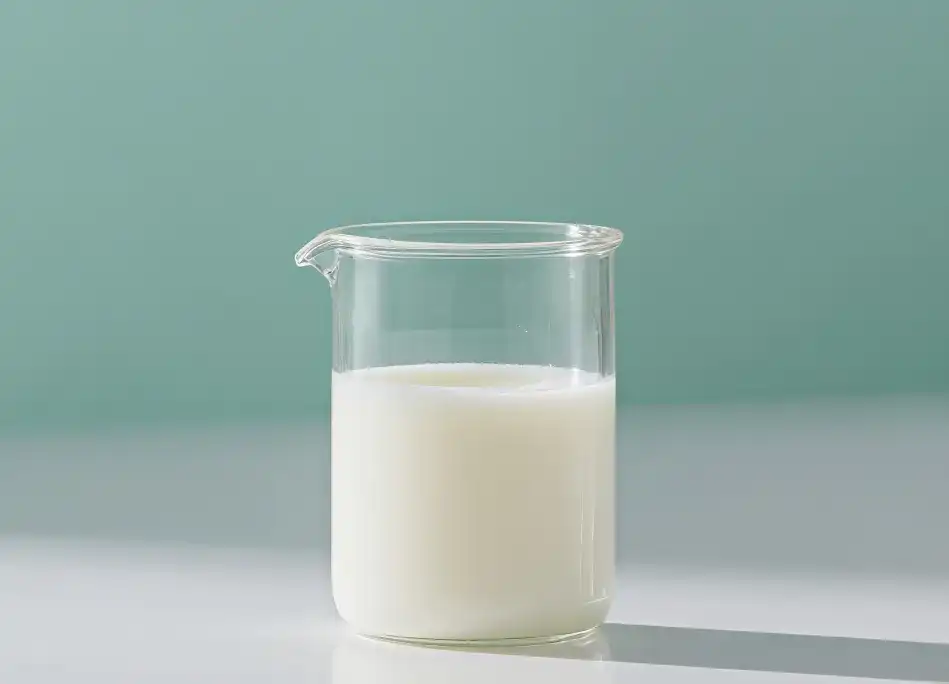
Powder and Emulsion Grades Carry Different Handling Costs
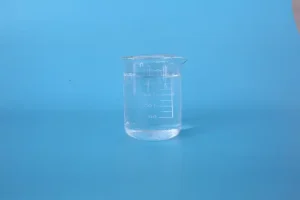
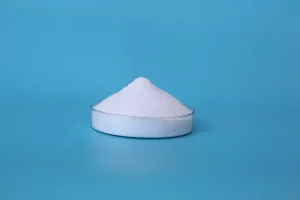
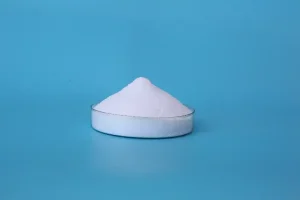
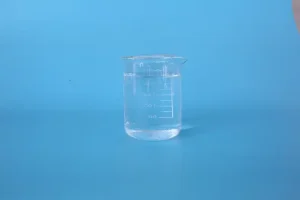
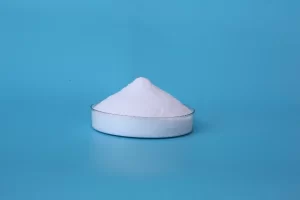
Form selection is a cost problem more than a chemistry problem. Amphoteric polyacrylamide is supplied as a dry powder or as a water-in-oil emulsion. Both can carry the same charge ratio and molecular weight range, but the way they dissolve changes operator workload, mixing time, and storage requirements.
| Factor | Dry powder | Emulsion |
|---|---|---|
| Dissolution time | 30 to 90 minutes depending on water temperature and mixing | 5 to 15 minutes with proper shear |
| Metering | Dry feed hopper with screw feeder | Dosing pump with inline makedown |
| Storage | Long shelf life, dry warehouse | Requires freeze protection and gentle mixing |
| Residual oil | None | Small amount of carrier oil |
| Operator exposure | Dust control needed | Spill and oil handling needed |
When should you choose powder over emulsion?
Choose a powder grade when storage life, freight cost, and dry feed equipment already exist. Powder avoids the carrier oil that comes with emulsion and stores for a long period in a dry warehouse. The operator must manage dust and complete dissolution, which takes longer in cold water. Choose an emulsion when the dosing point is remote, the mixing time is short, or the site cannot handle dry polymer dust. Emulsion reaches full activity in 5 to 15 minutes and suits temporary or mobile treatment units. In cold weather, an emulsion must stay above its storage temperature, and the carrier oil may require an oil water separator downstream. We stock both forms and select the form only after the site mixing and storage constraints are known.
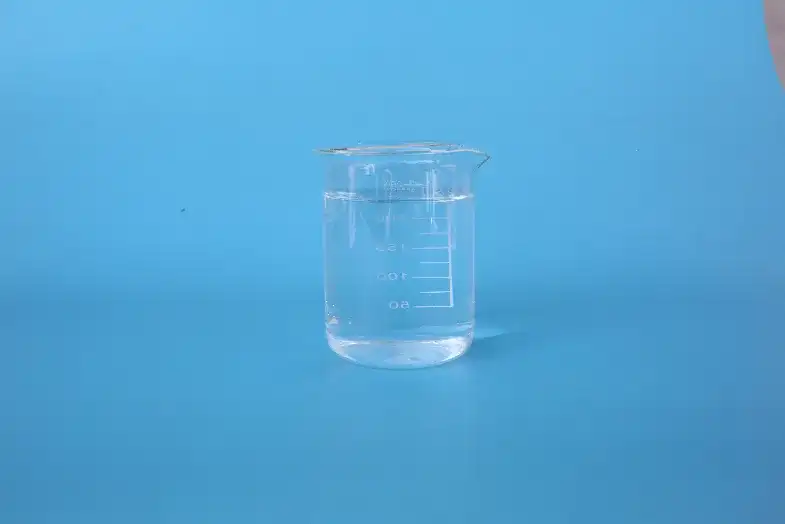
Supplier Data Completes Your Amphoteric Polyacrylamide Selection
A polymer that passes a jar test in treated effluent can still fail at full scale if the delivered grade varies from month to month. We have seen this happen when a buyer orders by generic charge type without pinning down ionic degree range, residual monomer limits, and dissolution time.
At Shandong Nuoer, we produce amphoteric polyacrylamide by copolymerizing self-produced cationic monomers, acrylamide, and a hydrolyzing agent. Our polyacrylamide production capacity is 500,000 tons per year, and the product reaches customers in more than 60 countries. That scale matters only if the grade stays repeatable, so we verify each lot for charge ratio, molecular weight, dissolution time, and residual monomer before release.
Send your wastewater analysis, target sludge moisture, and current dewatering equipment type to en*****@***er.com or call +86-532-66712876. Our application team will confirm the ionic degree and molecular weight range for your conditions before you commit to a trial.
Procurement Teams Ask These Questions Before Finalizing Specifications
Does amphoteric polyacrylamide work in both acidic and alkaline wastewater?
Yes, but amphoteric only means the polymer carries both charge types. Whether it performs across a wide pH range depends on the ratio of cationic to anionic groups and the molecular weight. A grade designed for an oily acidic stream will not automatically hold up in a strongly alkaline textile effluent. The most useful data is the pH range at the dosing point, not a single lab reading. If the stream shifts across more than four pH units in normal operation, the supplier should propose an ionic degree that keeps enough charge active at both ends of the range rather than a standard mid-point formulation.
Is a higher charge density always better for sludge dewatering?
Many buyers assume a higher charge density always produces stronger flocculation. In our production experience, charge density above what the wastewater can consume creates overcharged particles that repel one another. The floc may look large in a beaker and then break under press shear. A lower charge ratio with a higher molecular weight often drains better because the floc stays open and releases water. Charge demand testing shows how much charge the solids actually need. Matching that demand matters more than selecting the highest ionic degree on a data sheet.
Should we specify powder or emulsion for limited mixing time?
It depends on mixing shear and allowable oil carryover. For a site with a high shear inline mixer and limited aging time, a water-in-oil emulsion dissolves within 5 to 15 minutes and reaches full activity faster. For a plant with dry feed hoppers and no oil discharge concern, a powder grade avoids solvent handling and stores longer. The powder route requires careful initial wetting, so cold water or weak agitation will extend maturation. If the site operates temporary or mobile treatment units, the emulsion form usually fits the equipment footprint and startup time better.
How can we verify a supplier’s ionic degree claim?
In supplier audits I have run, the certificate of analysis is only a starting point. Ask for the ionic degree method, the polymerization batch record, and a retained sample from the shipment you will receive. The batch record should show the cationic monomer charge, the hydrolyzing agent ratio, and the final residual monomer level. A supplier that cannot connect the certificate to a specific production batch is selling a generic description, not a controlled specification. The same check applies to dissolution time. A lot that dissolves slowly in cold water may be a different molecular weight distribution than the sample that passed the first jar test.
Is customization worth the longer lead time?
The more useful question is whether standard specifications match the variation in your waste stream. If your pH or conductivity swings beyond the range the standard grade was designed for, customization is not a delay but a way to keep belt press throughput steady. A standard amphoteric polyacrylamide may work for a narrow window and then require constant dosage adjustments, which costs more in polymer and operator time than a tailored grade. Share your wastewater profile and dewatering equipment details and we will confirm which specification fits before you order.
If you’re interested, check out these related articles:
Acrylamide Monomer: Essential for Water Treatment Chemical Production
Nuoer Impressively Showcased at the 32nd China International Paper Technology Exhibition 2025


 English
 Russian
 Arabic
 Spanish