
Sludge dewatering failures rarely come from the polymer alone. They come from a supplier recommendation that ignores the plant’s actual solids, charge demand, and dewatering equipment. Cationic PAM for sludge dewatering has to match those three variables, and a credible supplier should prove that match with production data before you commit to a trial. We make cationic monomers in-house, so when a buyer sends us sludge characteristics, we can adjust charge density and molecular weight instead of forcing a standard grade into the process.
What Does Sludge Dewatering Demand from Cationic PAM?
Cationic polyacrylamide releases water by neutralizing the negative charge on sludge particles and bridging them into larger flocs. The floc has to be strong enough to hold together through shearing in a centrifuge or belt press, yet open enough to release water under pressure. That balance changes with sludge type. Anaerobic digested municipal sludge carries fine colloidal solids and high alkalinity, so it generally needs a higher charge polymer. Waste activated sludge, with its extracellular polymers, often responds differently to molecular weight. A supplier that treats all sludge as one stream will produce floc that looks acceptable in a jar test and falls apart on the machine.
Why Does Charge Density Change Dewatering Results?
Charge density controls how quickly and completely the polymer attaches to solids. Low charge grades suit primary sludge with larger, less stable particles. High charge grades suit digested sludge and oily or protein-rich industrial sludge because they overcome the stronger negative surface charge. Molecular weight then determines bridge length. If molecular weight is too low, floc stays small and fine solids pass through the filter cloth. If it is too high for the mixing energy available, the floc becomes sticky, blinds the belt, and raises polymer consumption without improving cake dryness.
What charge density should a municipal digested sludge plant start with?
Most municipal digested sludge operations we work with begin testing in the 40 to 60 percent cationic charge range, with molecular weight selected after jar testing. We do not recommend fixing the range before seeing the solids concentration because polymer demand shifts with digestion performance. A plant with good volatile solids reduction may need a lower dosage than one with young or poorly digested sludge.
How does sludge age affect polymer demand?
Age matters because the proportion of fine particles and soluble microbial products rises in older sludge. That raises the surface area the cationic polymer must cover. When a plant sends us volatile solids and capillary suction time data, we see clearer differences between sludge ages than between suppliers. The grade that works on fresh waste activated sludge can underdose on aged sludge by a wide margin.
How Do Powder and Emulsion Cationic PAM Compare for Sludge?
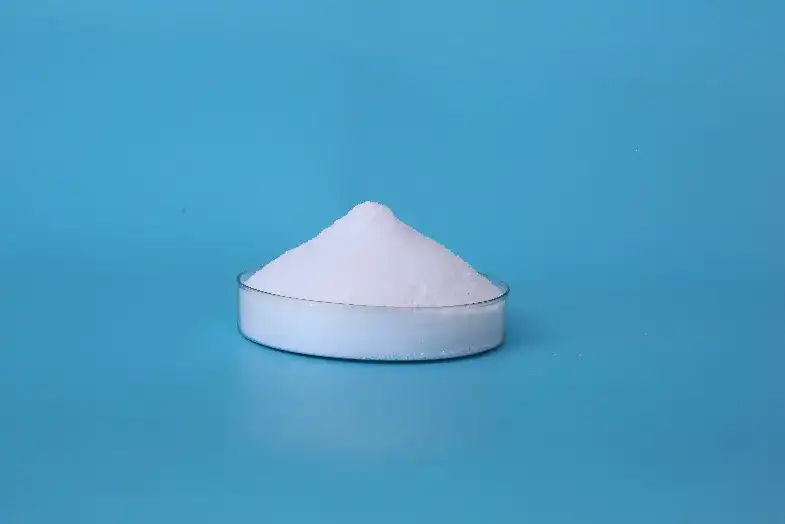
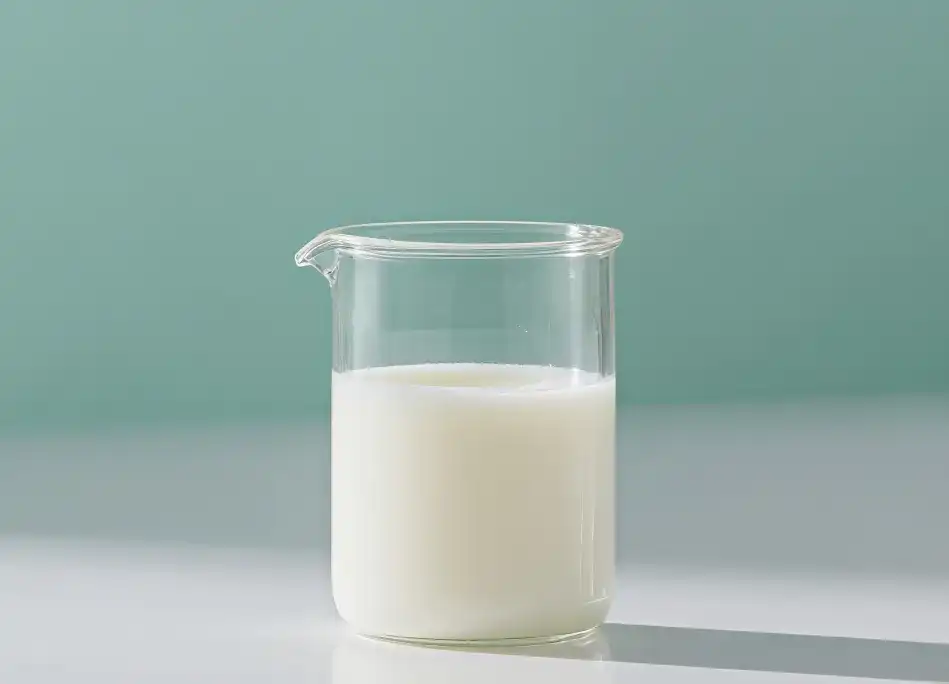
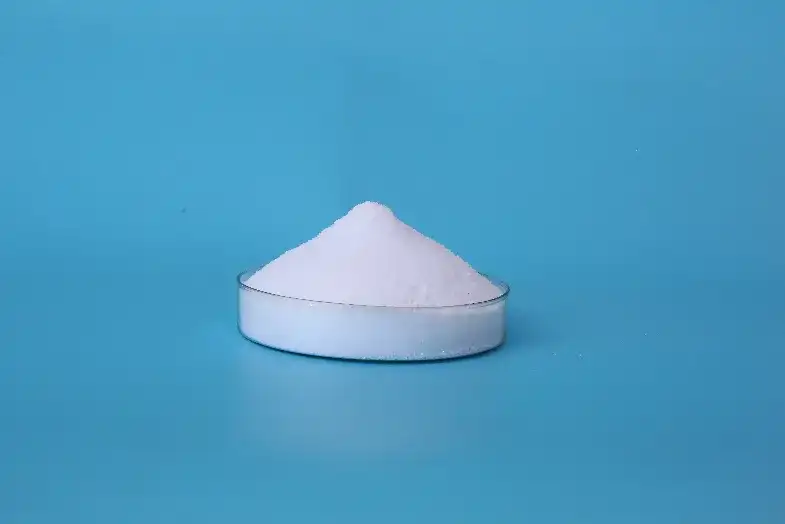
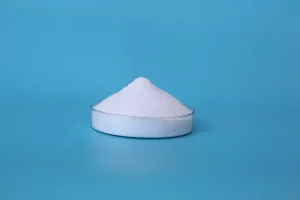
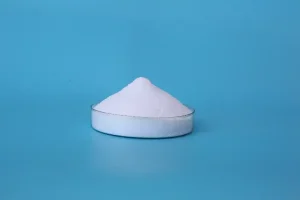
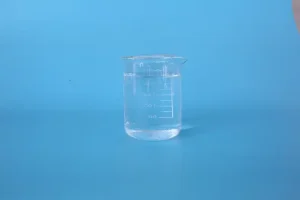
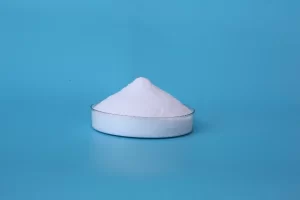
Both forms use the same charge chemistry, but the site decides which physical form is practical. Dry powder stores efficiently and controls landed cost on steady municipal flow. Emulsion cationic PAM dissolves quickly and suits plants that change sludge sources or run temporary dewatering. The table below summarizes the main differences.
| Criterion | Powder cationic PAM | Emulsion cationic PAM |
| Form | Dry granules or powder | High concentration liquid |
| Dissolution | Requires longer aging and mixing | Ready in 5 to 15 minutes |
| Handling | Stable storage, lower freight cost | Protect from freezing and heat |
| Best fit | Large plants with dedicated mixing | Mobile or variable industrial units |
If your centrifuge or belt press has to handle a mix of primary and waste activated sludge, the charge demand may move outside what a fixed powder recipe can hold. It is worth confirming the feed solids range and mixing energy before finalizing the form. Send those readings to en*****@***er.com and we will match the grade to the machine instead of guessing from sludge volume alone.
What Supplier Controls Keep Dosage Low and Cake Dry?
Supplier production controls matter more than a standard product name. We produce cationic monomers in-house, so we hold supply and cost steady and adjust product specifications without waiting on an outside monomer source. Our cationic polyacrylamide is designed for low dosage; under comparable conditions it can save 10 to 15 percent against a conventional grade. The same dewatering result depends on charge density being consistent batch to batch. A supplier that blends to price rather than specification will shift the polymer and force the plant to chase dosage.
At Shandong Nuoer Biological Technology Co., Ltd., annual polyacrylamide capacity of 500,000 tons supplies large municipal and industrial programs. That scale only matters if the batch records follow the shipment. We supply residual monomer content, dissolution time, and charge density data with export documentation so the polymer arriving at the port matches the sample approved in the laboratory.
How Should Your Team Move Forward with a Cationic PAM Supplier?
Switching suppliers during a dewatering season creates risk, but accepting high polymer consumption to avoid that risk has a measurable cost. The practical next step is a small trial built around your actual sludge. Send your plant’s sludge type, feed solids concentration, dewatering equipment, and current dosage to en*****@***er.com. Our technical team will propose a cationic PAM grade and trial plan, and you can reach us at +86-532-66712876 to discuss capacity timing. We recommend comparing one candidate against your incumbent under identical machine settings so the decision rests on cake solids, polymer consumption, and filtrate quality.
What Else Do Plants Ask Before Buying Cationic PAM?
Does higher charge density always give a drier cake?
No. Higher charge density reduces water retention up to a point, then overdosing reverses the effect because excess cationic charge restabilizes the particles and makes the cake slick. The target is not the highest charge grade available; it is the charge that matches the sludge’s surface chemistry at the mixing energy the machine actually delivers. A jar test with a high charge polymer can look clean while the full scale press drains poorly.
How fast does emulsion cationic PAM dissolve compared with powder?
It is easy to assume all liquid polymers are ready immediately, but cationic emulsion still needs inversion and mixing. Even so, the difference is significant: emulsion reaches use strength in 5 to 15 minutes while dry powder can require 60 minutes or more depending on water temperature and mixer design. That gap changes the labor plan because a powder system may need an extra aging tank.
What information should a plant send for a reliable recommendation?
It depends on the dewatering target, but the minimum set is sludge type, feed solids concentration, target cake solids, and equipment type. If volatile solids or polymer demand history is available, the recommendation gets tighter. Without those readings, any supplier is only proposing a reasonable starting point rather than a confirmed grade. Three of those four measurements change the charge and molecular weight decision directly.
Why do dosage requirements vary between municipal and industrial sludge?
In the programs we have supplied, municipal sludge tends to be more consistent, while industrial sludge changes with production campaigns and pH swings. The cationic PAM grade must be selected for the worst stable condition, not the best average. If your industrial flow changes by shift or by product line, share that variability and we will confirm which grade holds dosage steady.
If you’re interested, check out these related articles:
Anionic Polyacrylamide Brands Testing A Comparative Performance Guide
Optimal SAP Grades for Ultra-Thin Baby Diapers: Performance Deep Dive
Emulsion Polyacrylamide Concentration Selection Guide
Emulsion PAM for Cold Weather: Selection and Performance


 English
 Russian
 Arabic
 Spanish